What Determines the Price of an Idler
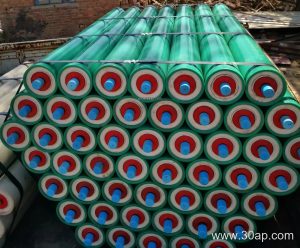
When buyers ask about idler price, they are usually looking at a single roller that supports the conveyor belt along its carrying or return run. The price reflects a combination of materials, construction, bearing quality, and the specific duty the idler is expected to handle. In a quarry, cement plant, or power plant coal yard, an idler may look simple, but its cost is tied to how well it keeps the belt tracking and how long it lasts under dust, impact, and continuous operation.
An idler roller is not a generic item. A troughing idler on the carrying side, a return idler under the belt, and an impact idler at a transfer point are built differently, and their prices differ accordingly. Drive pulleys, tail pulleys, and bend pulleys are separate components and should not be treated as interchangeable with idlers. For a fair comparison, always match the idler type, roll diameter, and bearing arrangement to the actual conveyor duty.
Construction Details That Affect Cost
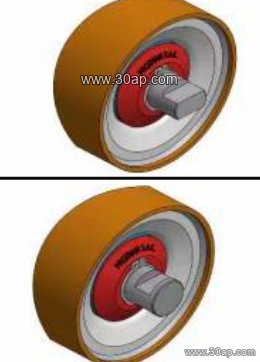
The main price drivers are the roller shell, the shaft, the bearing housing, and the sealing system. A standard steel tube roller with a common bearing may cost less than a rubber-disc impact roller or a self-aligning idler with tapered rollers. Surface options also matter: plain steel, nylon, ceramic, or rubber rings each serve different purposes and carry different price points.
Common roll diameters include Ø63, Ø76, Ø89, Ø102, Ø108, Ø127, Ø133, Ø159, Ø178, Ø194, and Ø219 mm. Bearing sizes such as 6204, 6205, 6305, 6306, 6308, and 6310 are often selected according to load and speed, but no single bearing is tied to one diameter. Roll length is determined by belt width, trough angle, and idler configuration. For example, a three-roll troughing set may use roll lengths around 200 mm for B500, 250 mm for B650, 315 mm for B800, 380 mm for B1000, 465 mm for B1200, 530 mm for B1400, 600 mm for B1600, 670 mm for B1800, and 750 mm for B2000, though side rolls and center rolls can differ. These are common references, not fixed rules.
Matching Idler Type to the Application
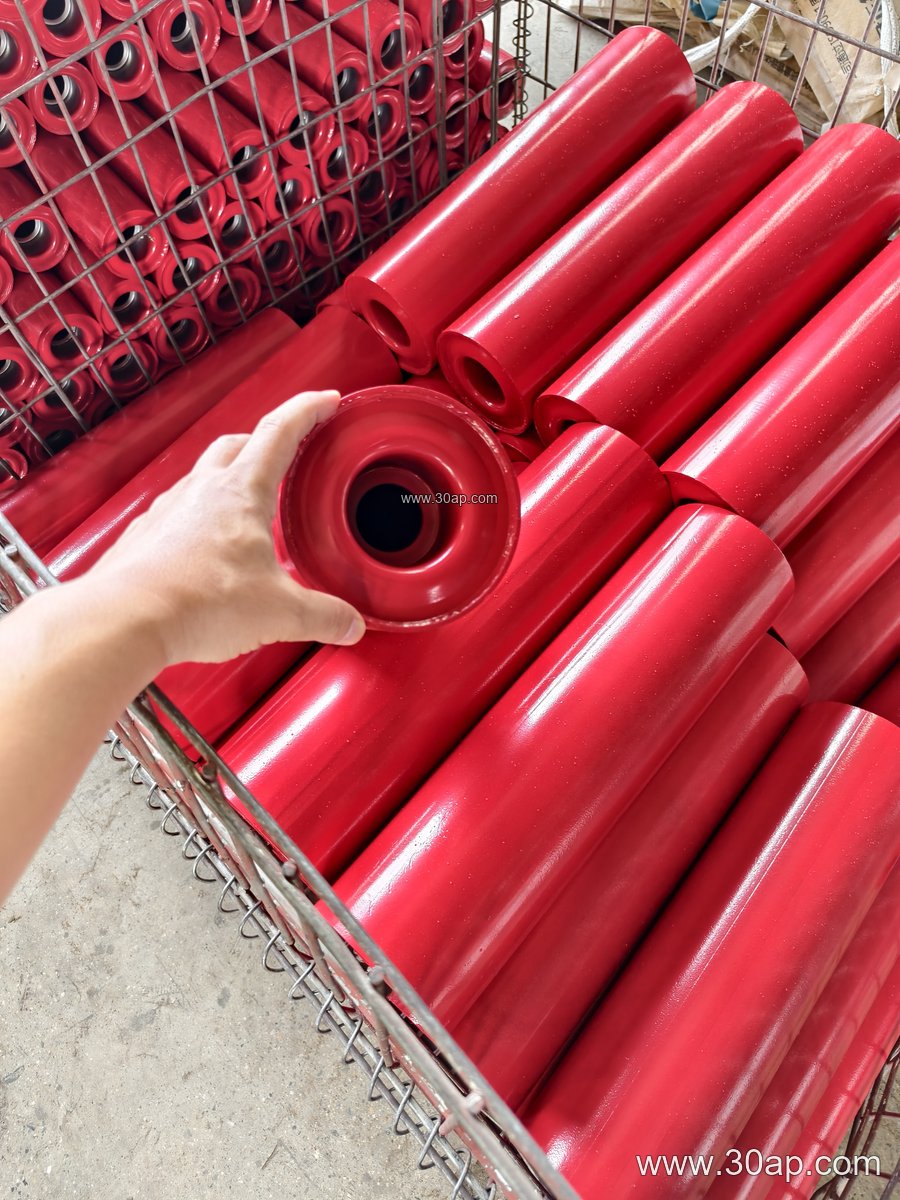
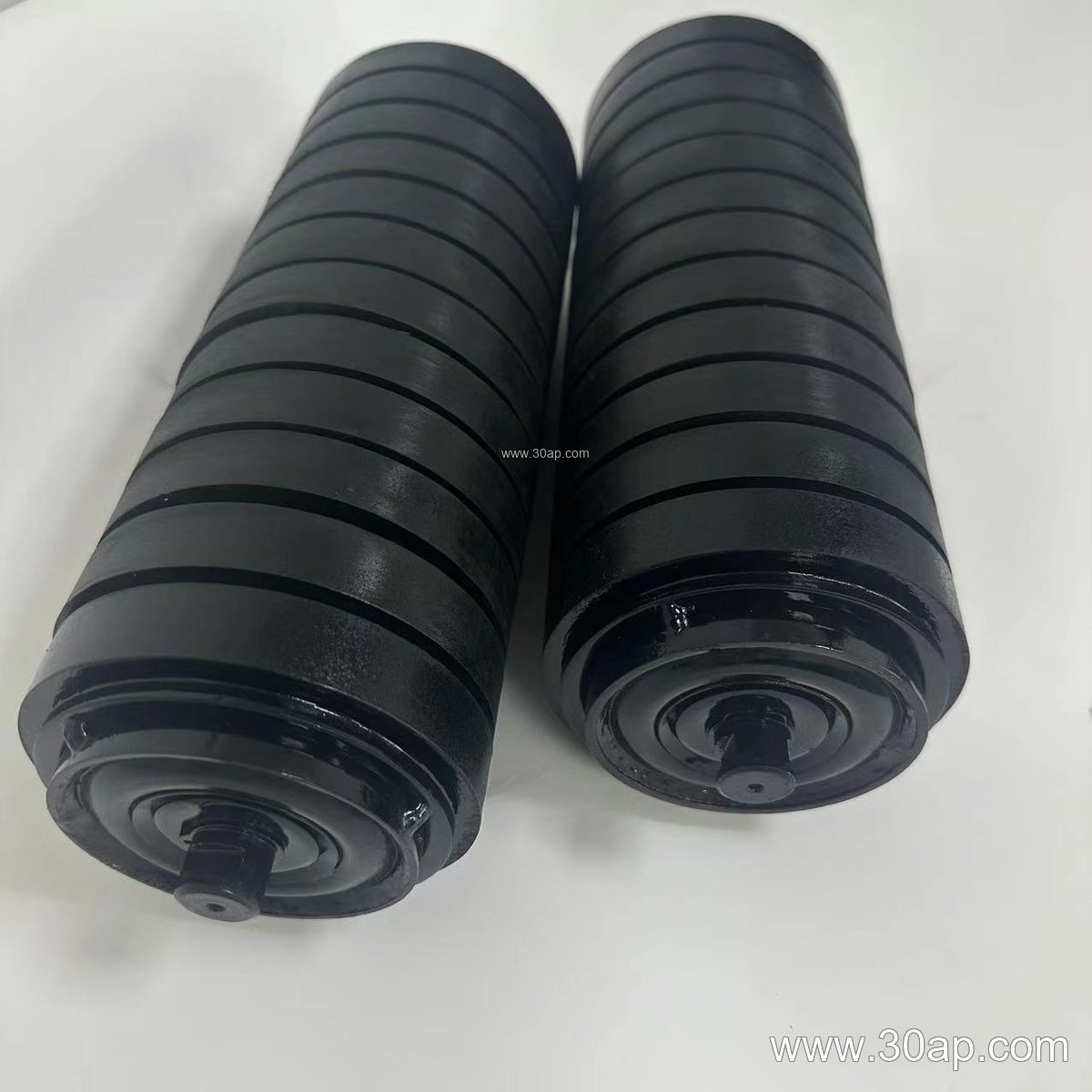
The application decides which idler type is appropriate, and that choice affects the price. In a limestone mine or aggregate plant, troughing idlers at 20, 30, 35, or 45 degrees are typical on the carrying side, while flat or V-return idlers support the belt on the return run. At a crusher discharge or a transfer chute, impact idlers with rubber rings absorb shock and protect the belt. Self-aligning idlers help keep the belt centered on long runs, and spiral idlers can reduce material buildup in sticky service.
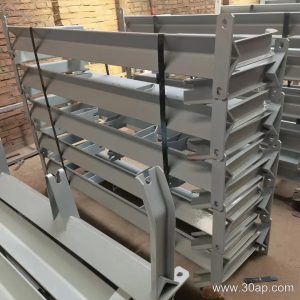
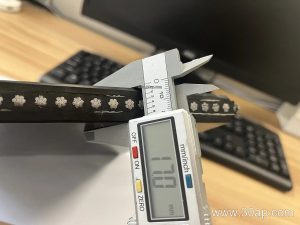
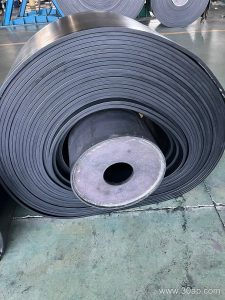
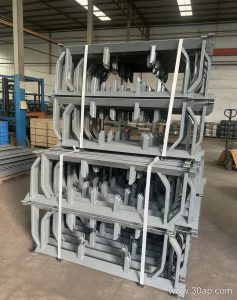
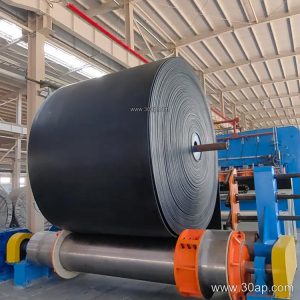
Other conveyor components interact with idler selection. A worn or misaligned conveyor pulley can cause belt tracking problems that shorten idler life. Conveyor brackets must match the idler frame, and the belt itself—whether an EP conveyor belt, a steel cord conveyor belt, or a flame retardant conveyor belt—sets the load and speed the idlers must carry. In coal mining or underground mining, flame retardant and anti-static properties are often required for the belt, and idler selection should follow the same safety logic.
Buyer Checklist Before Comparing Prices
Before requesting quotes, gather the belt width, the idler type, the roll diameter, the trough angle if applicable, and the bearing size currently in use. Note whether the location is a coal yard, a cement kiln feed line, a port loading system, or a sand and gravel plant, because dust, moisture, and impact levels vary. Ask for the roller surface and sealing arrangement, since a low initial idler price can be offset by frequent replacement in abrasive or wet conditions.
Use the following reference table as a starting point for discussion, not as a fixed specification:
- Idler type: troughing, return, impact, self-aligning, spiral
- Roll diameter: Ø63 to Ø219 mm, selected by load and belt speed
- Belt width: B400 to B2400, with roll length matched to the frame
- Trough angle: 20, 30, 35, or 45 degrees
- Bearing: 6204, 6205, 6305, 6306, 6308, or 6310 as designed
- Surface: steel, nylon, ceramic, or rubber rings
Finally, compare offers on the same basis: same idler type, same roll diameter, same bearing, and same sealing. A price that looks low for a plain return idler is not comparable to a quote for a heavy-duty impact idler. For related conveyor belt and pulley information, see conveyor belt and conveyor pulley guidance, and confirm idler dimensions against the actual conveyor bracket and frame.