What a Galvanized Conveyor Bracket Does
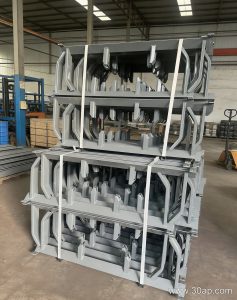
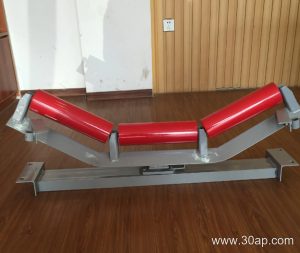
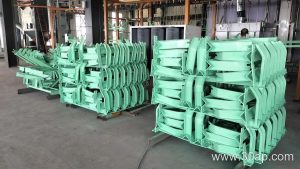
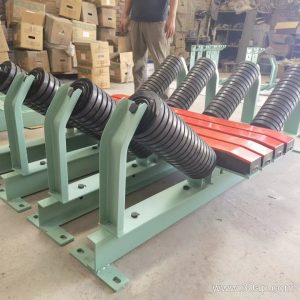
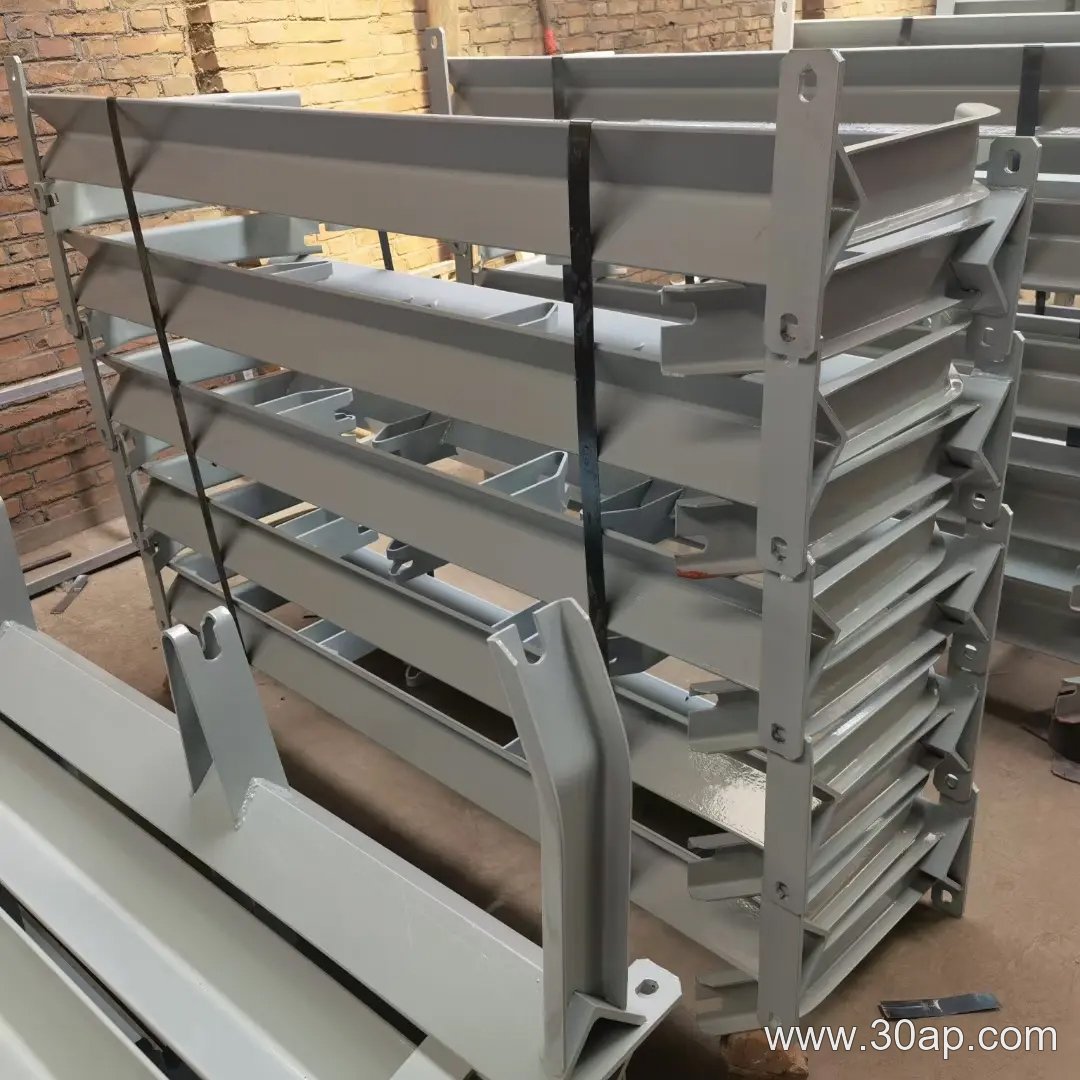
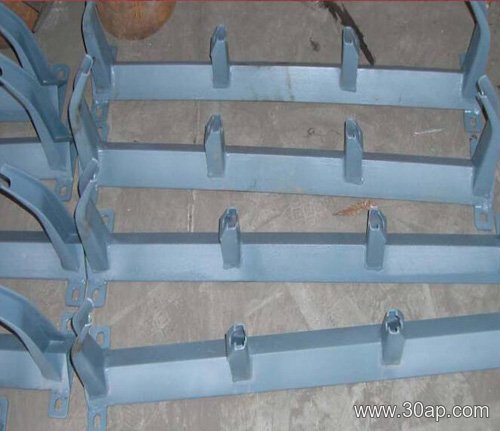
A galvanized conveyor bracket is the structural support that holds idler rollers in place along a belt conveyor. It connects the rollers to the conveyor frame and maintains the correct trough angle so the conveyor belt forms a stable carrying profile. The same bracket family also supports return rollers that keep the belt tracking straight on the empty side. When the bracket is hot-dip galvanized, the zinc coating protects the steel from moisture, dust, and mildly corrosive material often found in bulk handling.
How the Bracket Is Built
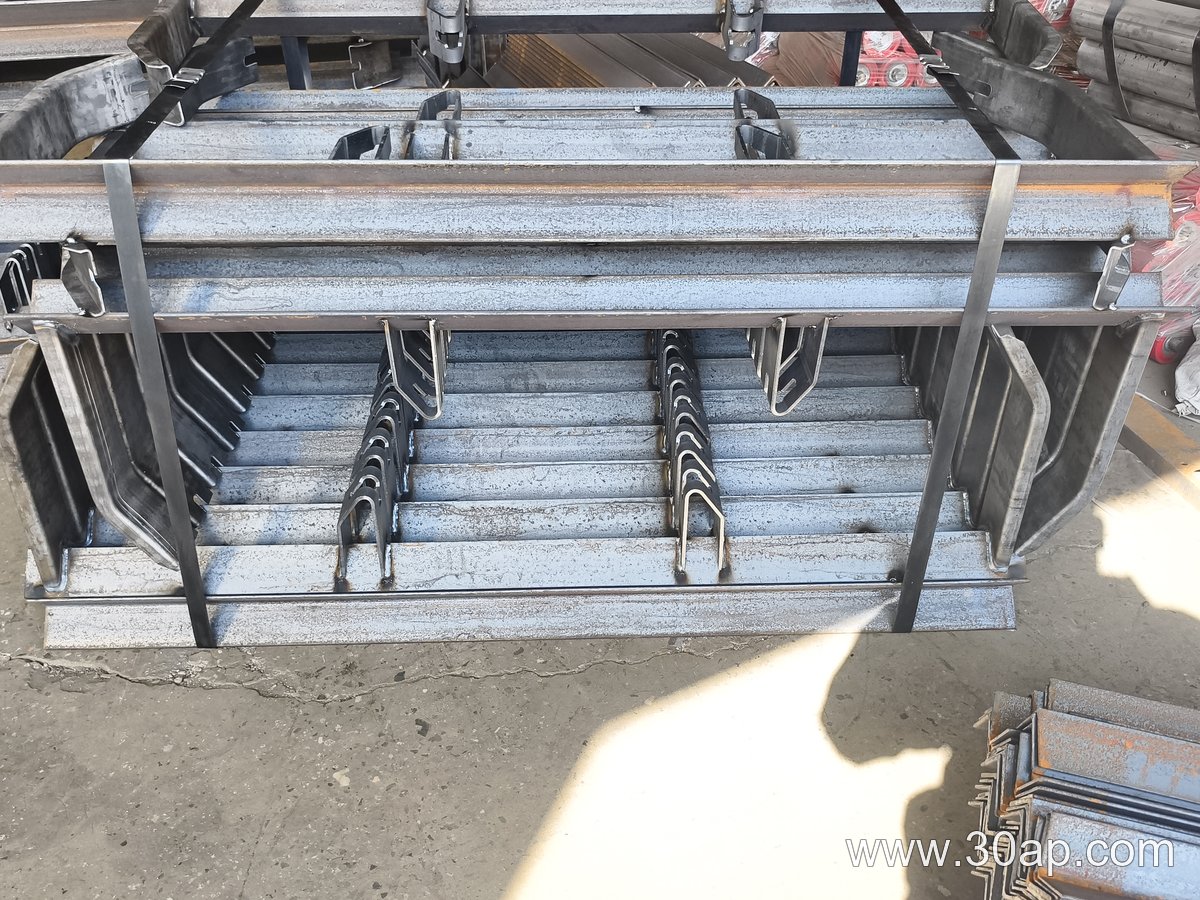
Most brackets start as angle steel, channel steel, or folded steel plate. The fabricator cuts, punches, and bends the base, then adds mounting slots or holes that match the conveyor frame. After welding or bolting the roller seats in place, the whole assembly goes through galvanizing. This coating is not just paint; it bonds with the steel and resists rust even when the bracket is scratched in service. A well-made bracket keeps the roller axis square to the belt line, which reduces edge wear and premature bearing failure.
Common Types and Where They Fit
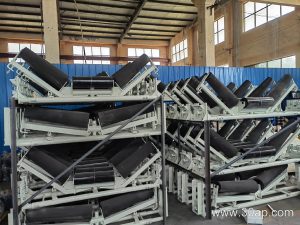
On the carrying side, a troughing bracket sets the rollers at a specific trough angle. Common angles include 20, 30, 35, and 45 degrees. An adjustable bracket lets maintenance staff change the trough angle to suit different materials without replacing the whole frame. Transition brackets sit near the head or tail pulley, where the belt changes from flat to troughed. On the return side, a flat return bracket or V-return bracket supports the belt after it leaves the discharge pulley. Impact brackets with rubber or spring cushions are used under loading points to absorb falling material. Self-aligning brackets help correct belt drift on long conveyors.
Where Galvanized Brackets Are Used
These brackets appear in a wide range of bulk handling systems. In a sand and gravel line, they hold rollers above the belt that carries washed stone. In a grain silo, galvanized brackets resist dust and occasional dampness. They also work in fertilizer plants, where mild corrosion is a daily concern. A quarry or coal preparation plant may use the same bracket design on multiple conveyor sections. The choice between galvanized and painted steel often comes down to the environment and the expected service life.
Matching Brackets to Belt Width and Roller Diameter
Belt width and roller diameter are not locked into a single combination. A B800 belt can run with Ø89, Ø108, or Ø133 rollers depending on load and speed. A B1200 conveyor might use Ø133 or Ø159 rollers with a 35-degree or 45-degree trough angle. The bracket mounting hole spacing and crossbeam length usually change with belt width and trough angle, but those dimensions are determined by the conveyor design, not by a universal table. Never assume that one belt width requires only one roller diameter. The right bracket is the one that matches the frame, the roller shaft, and the required trough profile.
What Buyers Should Check Before Ordering
- Confirm the belt width and the number of rollers the bracket must hold.
- Check the roller shaft diameter and the mounting hole pattern on the existing frame.
- Decide whether a fixed or adjustable trough angle is needed.
- Verify the galvanizing thickness and finish if the conveyor runs outdoors or handles wet material.
- Ask whether the bracket is designed for carrying, return, impact, or transition service.
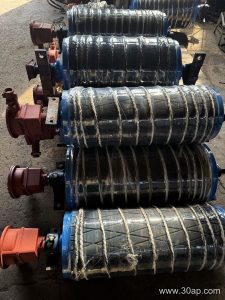
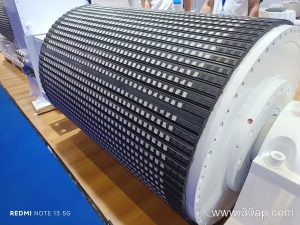
Galvanized conveyor brackets are often paired with idler rollers and conveyor pulleys, but they are not interchangeable with drive pulleys, tail pulleys, or bend pulleys. Those are separate components with different functions. A bracket only supports the roller; it does not drive or redirect the belt. For a reliable conveyor, choose a bracket that fits the frame, matches the roller, and suits the site conditions. Keep a few spare brackets on hand for wear points and loading zones, and inspect the galvanized coating during routine maintenance.