What Is a Pipe Conveyor Belt
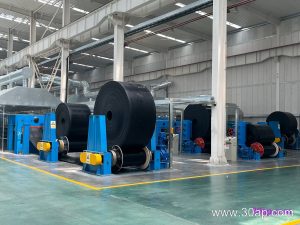
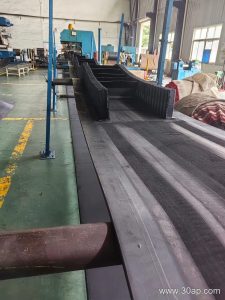
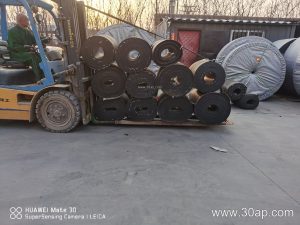
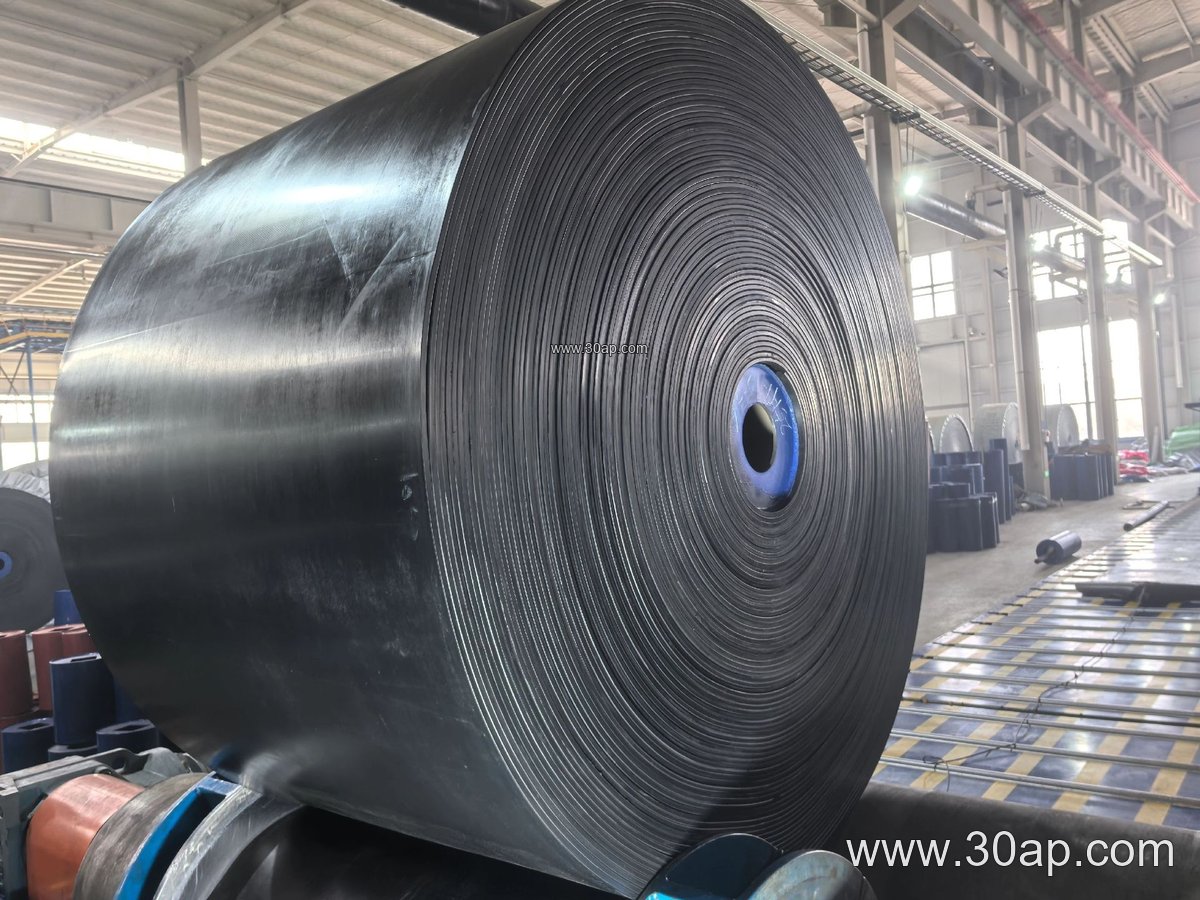
A pipe conveyor belt is a specialized conveyor belt that forms a closed tube after loading, keeping bulk materials fully enclosed during transport. Unlike a standard troughed conveyor belt, this belt transitions from a flat shape at the tail pulley to a pipe shape through a series of idler roller arrangements, then opens again at the discharge end. The design is valued in mining, coal, cement, power plant, and quarry operations where dust control, spillage prevention, and space efficiency matter. A Pipe Conveyor Belt can navigate curves and inclines that would require multiple transfer points on a conventional system, reducing material degradation and environmental impact.
Construction and Key Components
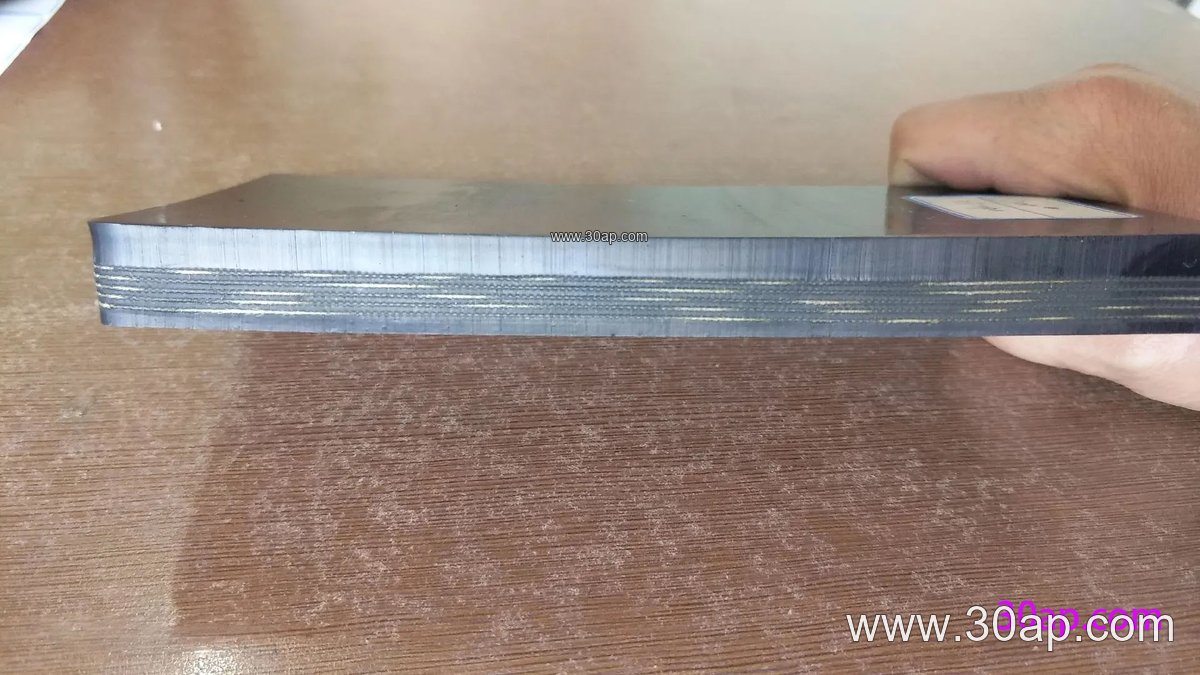
The belt itself is typically a fabric core or steel cord construction with rubber covers. Common carcass options include EP conveyor belt (polyester-nylon) and NN conveyor belt (nylon-nylon), while steel cord conveyor belt is chosen for high-tension, long-distance routes. The pipe-forming ability depends on the belt’s flexibility, transverse rigidity, and the precise arrangement of idler rollers. A typical pipe conveyor uses:
- Drive pulley and tail pulley at the ends
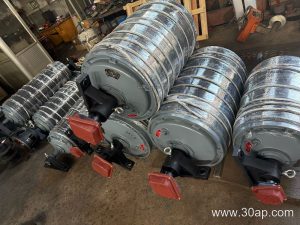
- Bend pulleys to route the belt through curves
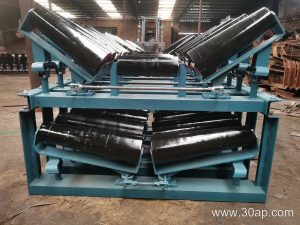
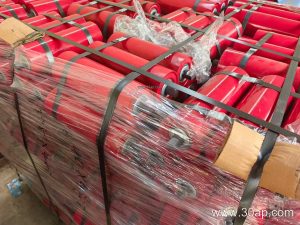
- Carrying idlers arranged in a hexagonal or pentagonal pattern to form the pipe
- Return idlers that support the belt on the return run
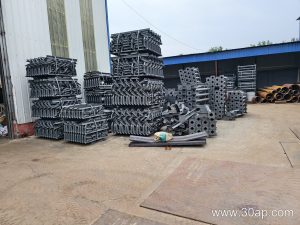
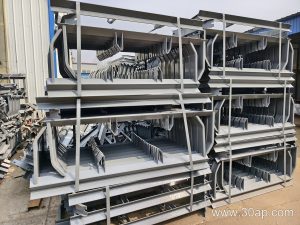
- Conveyor bracket structures to hold idlers and maintain alignment
Other components such as conveyor pulley lagging and conveyor brackets are selected based on load and environment. The belt’s cover grade may be abrasion resistant, heat resistant, oil resistant, or flame retardant depending on the material handled.
Common Specifications and Sizes
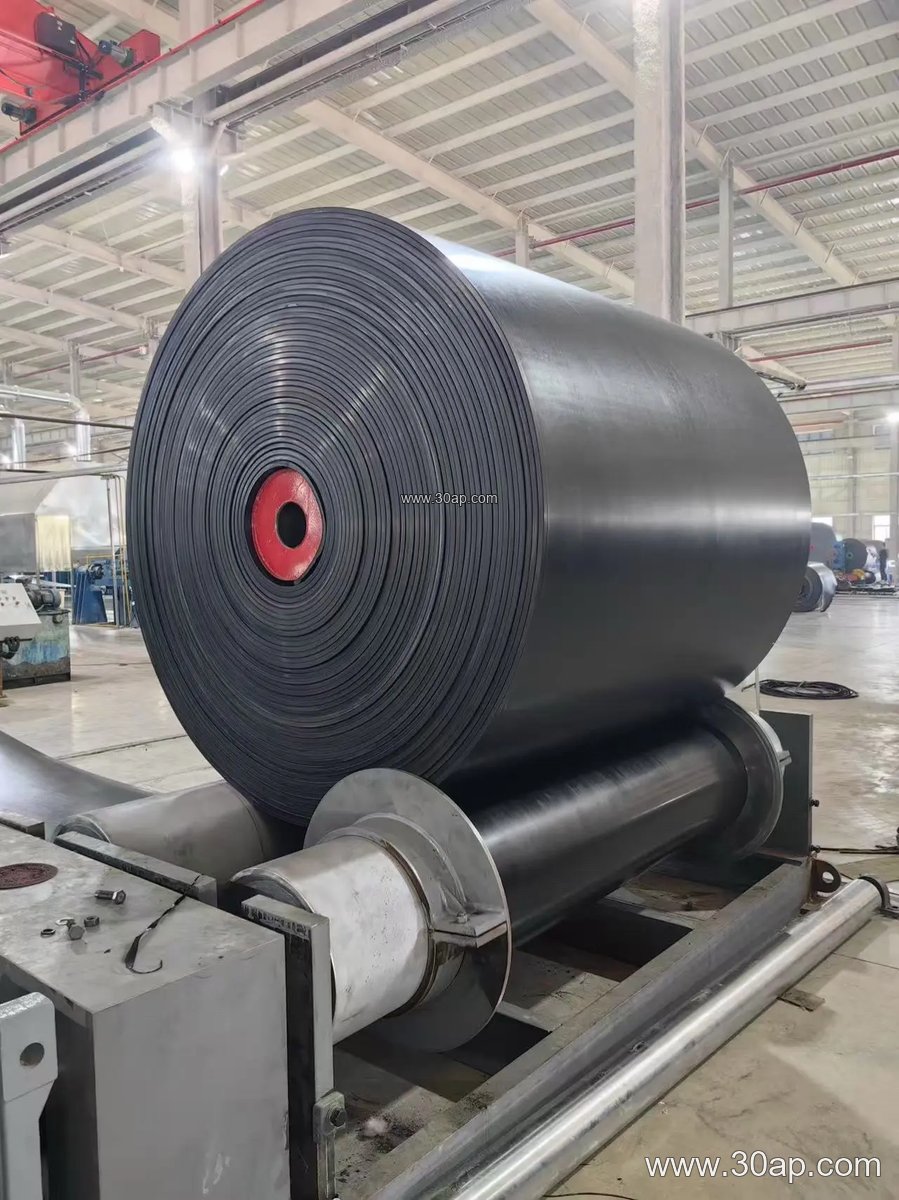
Pipe conveyor belts are available in various strengths and widths. The table below lists typical reference values; actual selection depends on the conveyor design, material, and operating conditions.
| Parameter | Common Range |
|---|---|
| Belt width | B500, B650, B800, B1000, B1200, B1400, B1600, B1800, B2000 |
| Strength (EP) | EP200, EP315, EP400, EP500, EP630, EP800, EP1000, EP1250, EP1600, EP2000 |
| Cover thickness | 3+1.5 mm, 4+2 mm, 5+2 mm, 6+2 mm, 8+3 mm |
| Carcass layers | 2 to 6 plies (fabric core) |
These values are indicative and should be confirmed with the belt manufacturer for each project. Pipe diameter is not directly tied to belt width alone; it is determined by the idler configuration and belt stiffness.
Where Pipe Conveyor Belts Are Used
Enclosed conveying is particularly beneficial in industries where dust emission, material spillage, or space constraints are concerns. Typical applications include:
- Mining and coal mining conveyor belt systems for ore, coal, and waste rock
- Cement plant conveyor belt lines for clinker, limestone, and additives
- Power plant conveyor belt for coal and biomass
- Quarry conveyor belt and aggregate conveyor belt operations
- Port conveyor belt and ship loading conveyor belt for bulk materials
In these settings, a pipe conveyor belt can replace multiple conventional conveyors, reducing transfer towers and dust collection points. It is also useful for routes with horizontal curves and steep inclines.
Buyer Checklist
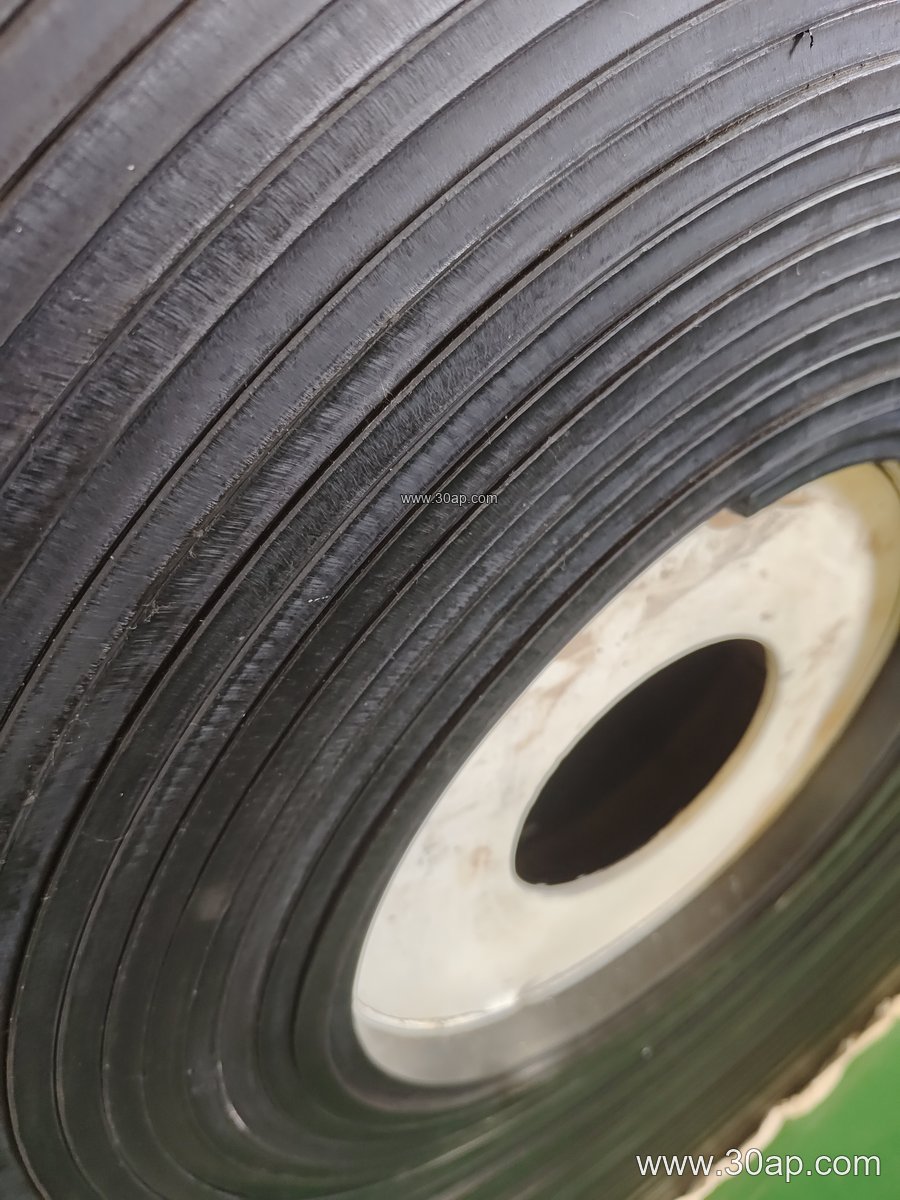
When specifying a pipe conveyor belt, consider the material characteristics (abrasiveness, temperature, oil content, flammability), required capacity, lump size, and the conveyor route. The belt’s cover grade should match the duty: abrasion resistant conveyor belt for sharp rock, heat resistant conveyor belt for hot clinker, flame retardant conveyor belt for underground coal mining, and oil resistant conveyor belt for oily materials. The carcass type (EP, NN, or steel cord) affects splice method, training behavior, and tension rating. Also confirm the idler roller arrangement, pulley diameters, and bracket spacing with the conveyor designer, since these influence pipe formation and belt life. Maintenance should include regular inspection of idler rollers for seizing or misalignment, checking pulley lagging condition, and monitoring belt edge wear. Proper training of the belt during installation is critical to avoid tube collapse or rotation.
For more information on related components such as conveyor idler roller and conveyor pulley, consult the equipment supplier. A well-matched pipe conveyor belt contributes to cleaner, safer, and more efficient bulk handling in demanding industrial environments.