What a Mining Conveyor Idler Does on the Line
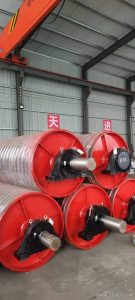
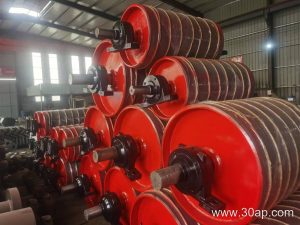
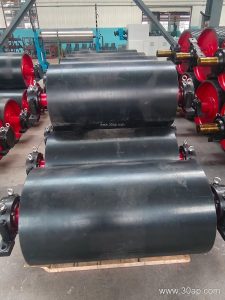
A mining conveyor idler is the rotating support that carries the belt and its load along the structure. In hard-rock operations, coal handling, and aggregate circuits, these rollers keep the belt tracking, reduce friction, and protect the belt from premature wear. The idler roller works together with the conveyor pulley at the drive and tail ends, but it is not a substitute for those pulleys—each has a distinct role. This article focuses on the idler itself: how it is built, where it fits, and what to check before ordering.
Construction and Common Configurations
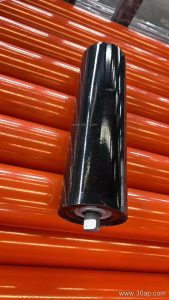
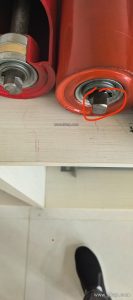
A typical idler roller consists of a steel tube shell, bearing housings, seals, and a shaft. The shell may be plain steel, nylon-coated, ceramic-covered, or fitted with rubber rings for impact absorption. Bearing sizes such as 6204, 6205, 6305, 6306, 6308, and 6310 appear across different roller diameters, but no single bearing is tied to one shell size. Sealing quality matters in dusty quarries and wet wash plants, where fines and moisture attack bearings.
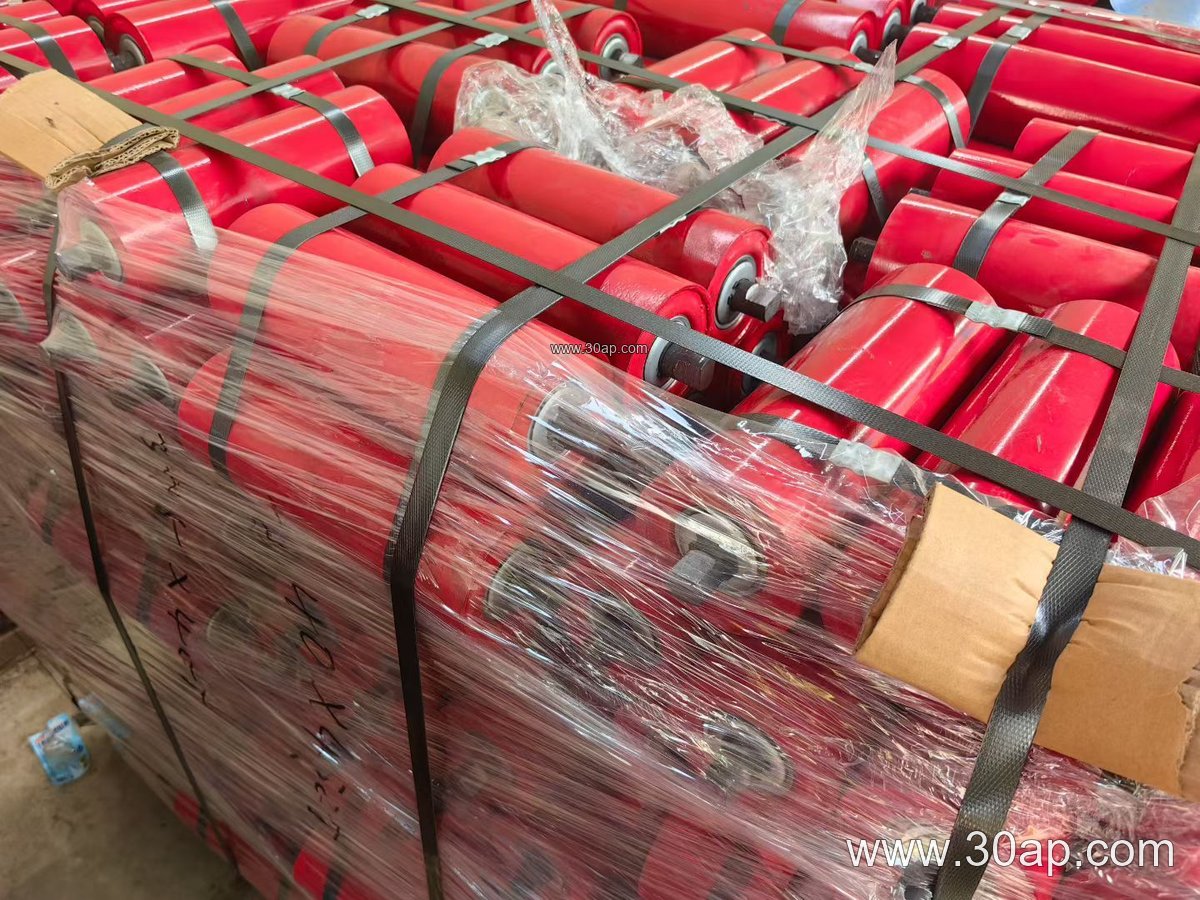
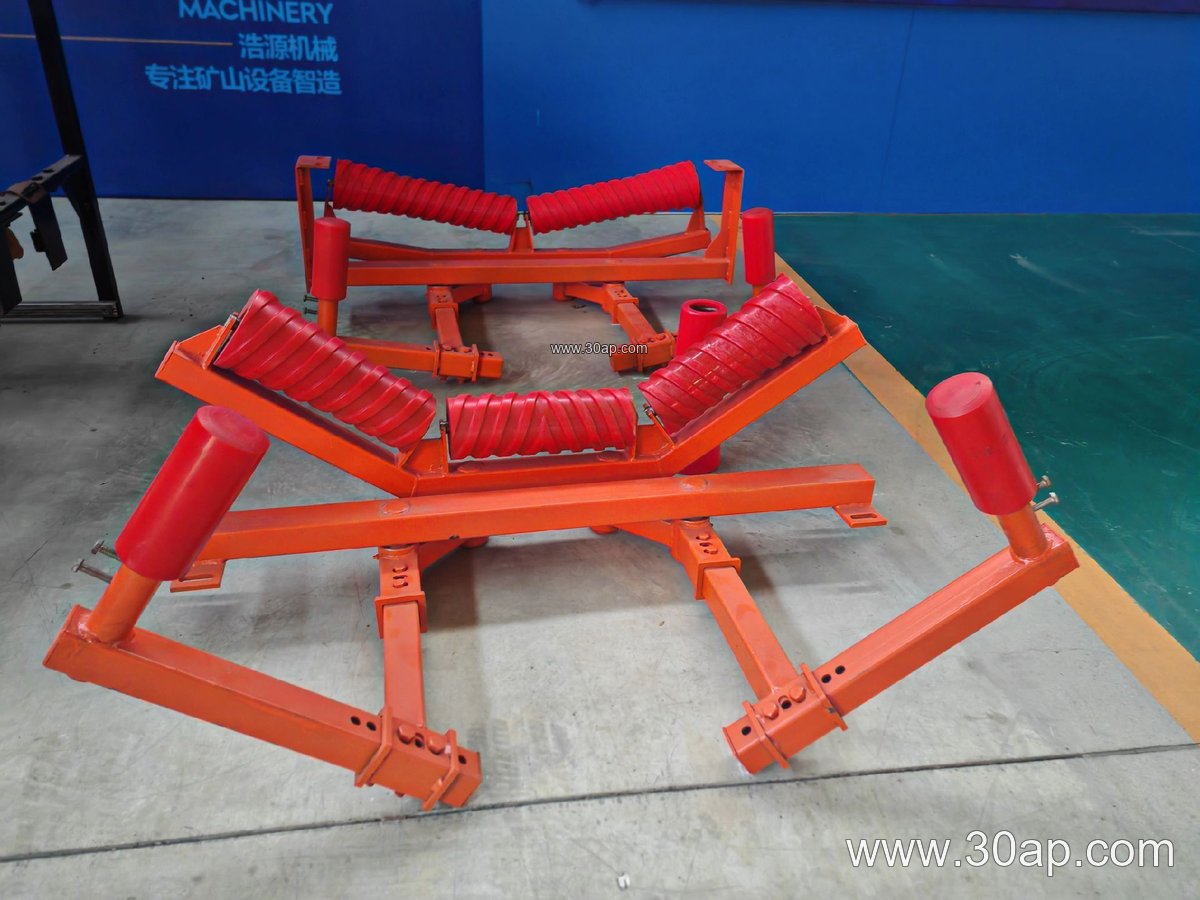
Troughing idlers are usually arranged as single-roller, two-roll, or three-roll sets. The three-roll troughing set is common on high-capacity lines. Trough angles of 20, 30, 35, and 45 degrees are used; a steeper angle generally improves material containment for lumpy loads. Transition idlers help the belt move smoothly from flat to troughed profile near pulleys. Return idlers support the empty belt, with flat and V-type return rollers among the usual choices. Impact idlers with rubber rings are placed under loading points to cushion falling rock. Self-aligning idlers, including friction and tapered designs, assist belt tracking on long runs.
Where Mining Conveyor Idlers Are Used
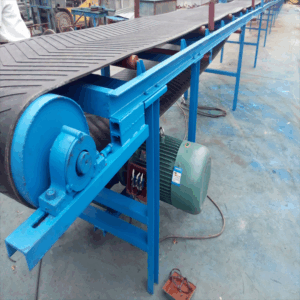
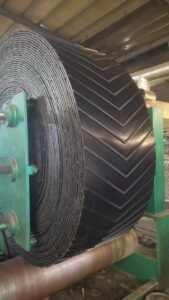
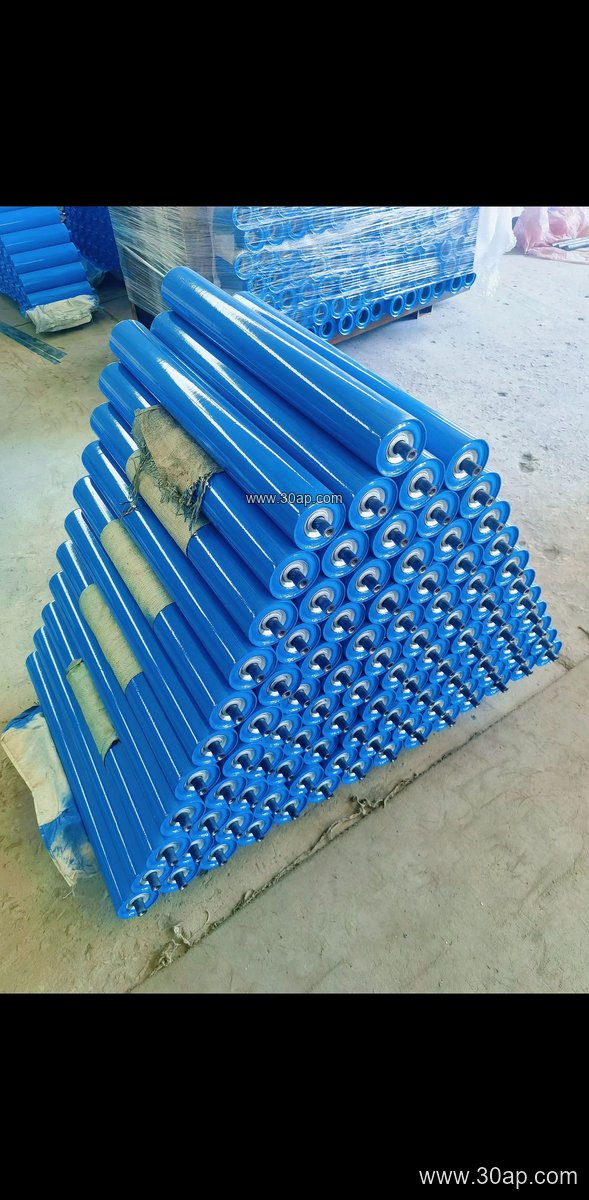
These rollers appear in limestone mines feeding crushers, in iron ore and copper ore transport, and in coal preparation plants where flame retardant belts are required. They also serve cement plants, power plant coal yards, port stockyards, and sand and gravel lines. On a typical aggregate conveyor, the idler set supports a heavy-duty mining conveyor belt carrying crushed stone; the belt may be an EP conveyor belt or a steel cord conveyor belt depending on tension and distance. The idler must match the belt width and the load profile, not simply the pulley diameter.
Matching Roller Diameter and Belt Width
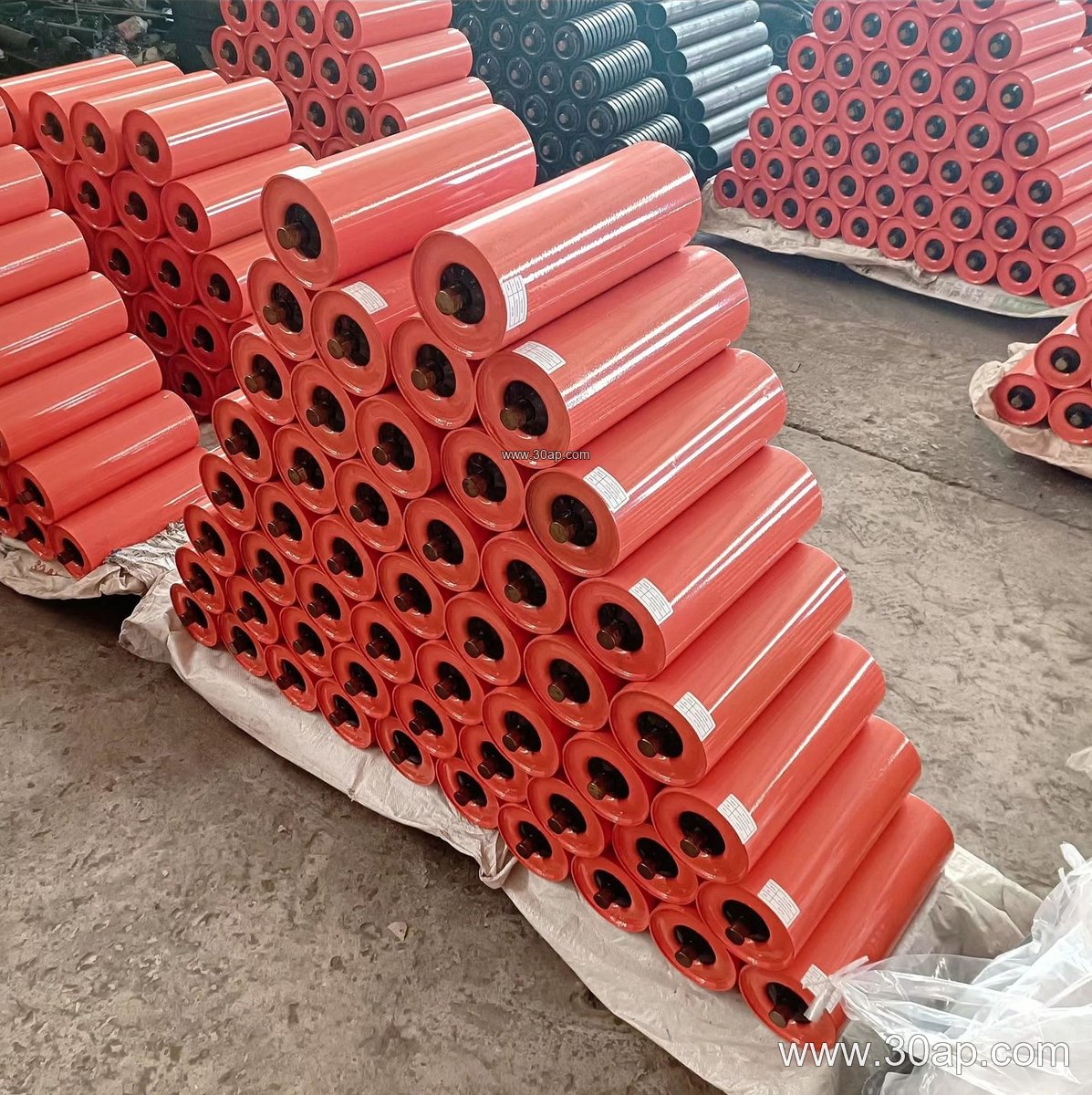
Roller diameter and belt width are selected together with belt speed, load weight, and idler spacing. Common roller diameters include Ø63, Ø76, Ø89, Ø102, Ø108, Ø127, Ø133, Ø159, Ø178, Ø194, and Ø219 mm. Belt widths range from B400 to B2400 in many plants, though not every width pairs with every roller diameter. The table below gives reference examples only; final selection depends on the conveyor design.
| Belt Width (B) | Common Roller Length Example (three-roll troughing) | Typical Roller Diameter Range |
|---|---|---|
| B500 | about 200 mm | Ø63–Ø89 |
| B650 | about 250 mm | Ø76–Ø108 |
| B800 | about 315 mm | Ø89–Ø133 |
| B1000 | about 380 mm | Ø102–Ø159 |
| B1200 | about 465 mm | Ø108–Ø178 |
| B1400 | about 530 mm | Ø127–Ø194 |
| B1600 | about 600 mm | Ø133–Ø219 |
| B1800 | about 670 mm | Ø159–Ø219 |
| B2000 | about 750 mm | Ø178–Ø219 |
Side rollers and center rollers can differ in length within the same set. A 1200mm wide conveyor belt may use a three-roll set with different side and center dimensions. Do not assume one belt width locks to one pulley diameter or one shaft size; those values come from the full conveyor layout.
Buyer Checklist for Idler Selection
- Confirm belt width, trough angle, and idler spacing before choosing roller length and diameter.
- State the material: coal, ore, aggregate, or cement clinker affects seal and shell choice.
- Specify the environment—dust, water, heat, or oil—so the correct bearing protection and surface form are used.
- Check compatibility with the conveyor bracket and frame; mounting dimensions vary.
- For loading zones, consider impact idlers with rubber rings rather than standard troughing rolls.
- Ask for roller load ratings and rotation resistance data, not just dimensions.
On a coal mining conveyor belt system, flame retardant and anti-static properties usually apply to the belt, while the idler focuses on durability and smooth rotation. In a quarry conveyor belt line, abrasion resistant covers on the belt and sealed idlers work together to reduce downtime. A heavy-duty mining conveyor belt may run over hundreds of idlers, so consistent quality across the batch matters as much as any single roller.
Maintenance and Replacement Notes
Inspect idlers for seized bearings, worn shells, and missing rubber rings. A failed return idler can wear the belt edge; a failed troughing roll can cut into the belt cover. Keep spare sets matched to the installed roller diameter and length. When replacing, compare the shaft end, bracket fit, and seal type—not only the overall roller size. For long overland lines, self-aligning idlers can reduce edge contact, but they do not replace proper belt training near the conveyor pulley.
Whether the plant handles iron ore, limestone, or coal, the mining conveyor idler remains a consumable that deserves the same specification care as the belt itself.