What Conveyor Bracket Fabrication Covers
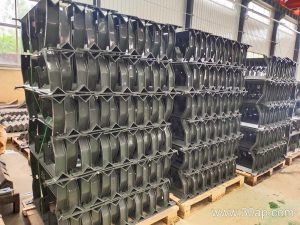
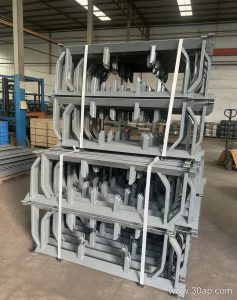
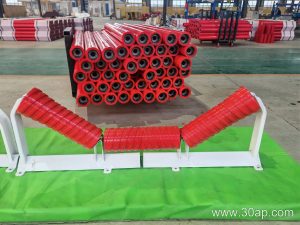
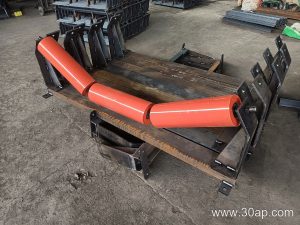
Conveyor bracket fabrication is the manufacturing of the steel frames that hold idler rollers and carry the belt along a conveyor line. In a quarry, a coal preparation plant or a cement plant, these brackets are the quiet link between the structure and the moving belt. A well-built bracket keeps roller spacing accurate, holds the trough angle steady and absorbs the loads that come from heavy material. The work involves cutting, bending, drilling and welding steel into shapes that match a specific conveyor layout, then checking that mounting holes line up with the idlers and the frame.
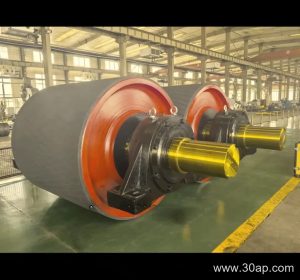
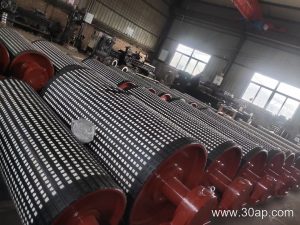
The finished part is often simply called a conveyor bracket, and fabricators may also refer to it as an idler support frame or roller stand. Drive pulleys, tail pulleys and bend pulleys are separate components and are not part of this bracket family; they are mentioned here only to keep the terms clear.
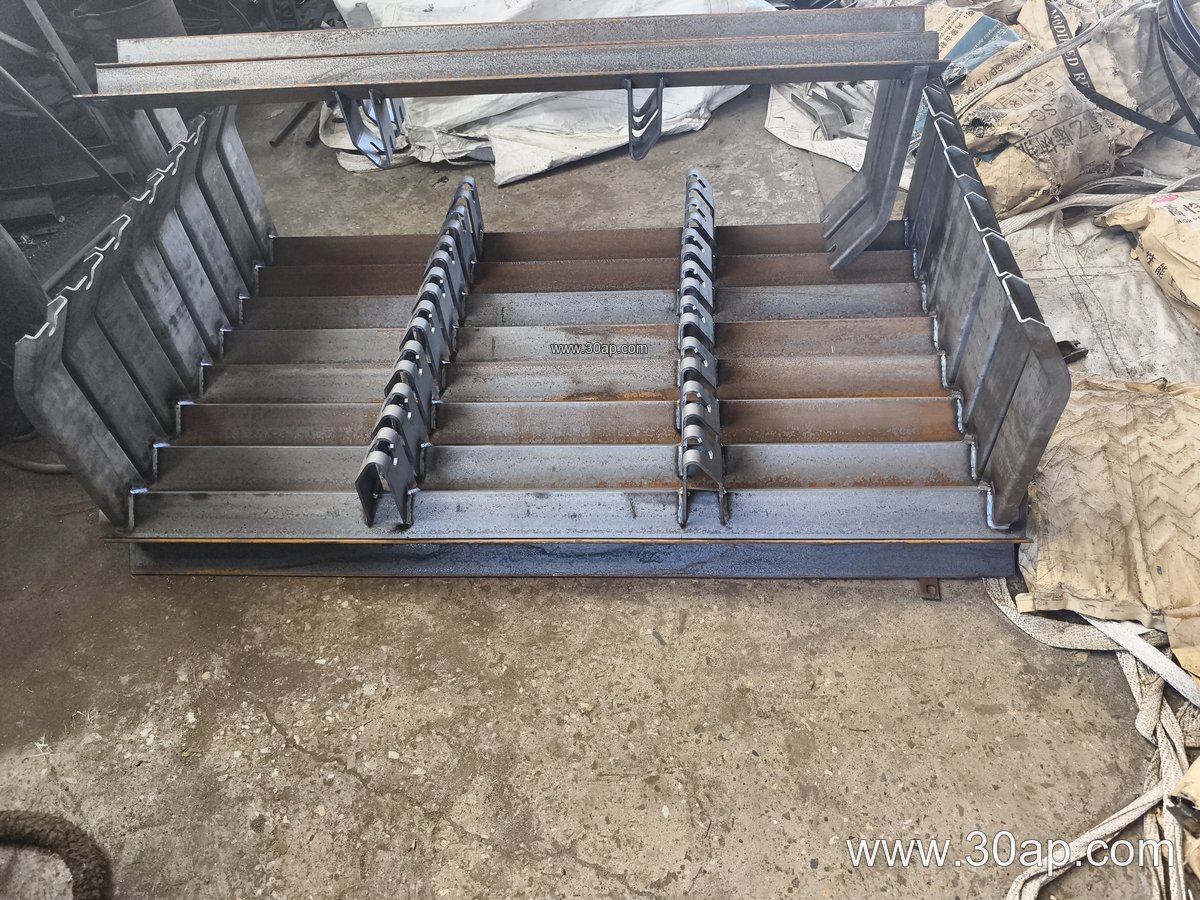
How the Brackets Are Built
Most brackets start as angle steel, channel steel or folded plate. The choice depends on the load and the belt width. Fabrication steps usually include:
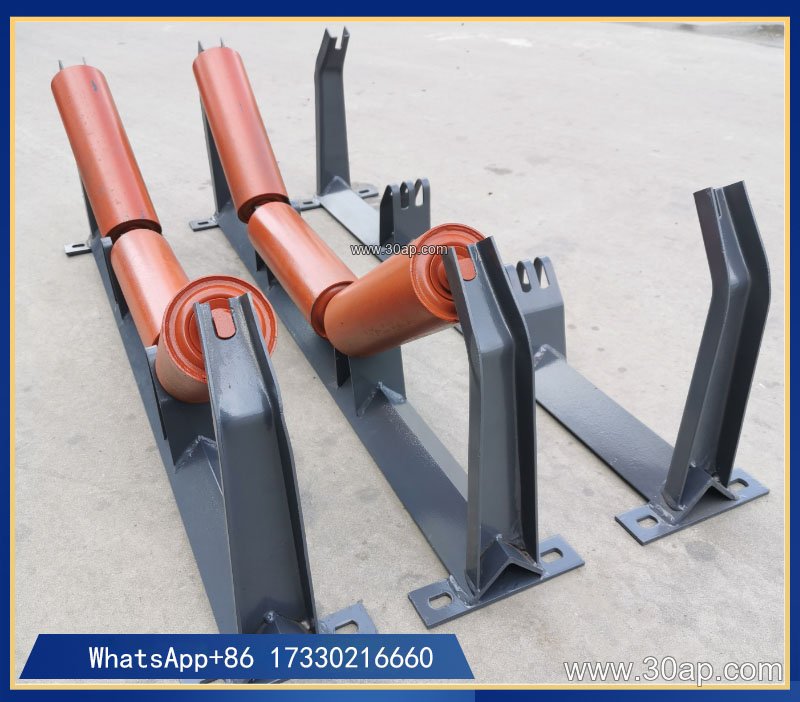
- Cutting stock to length according to the conveyor drawing
- Punching or drilling holes for idler shafts and frame bolts
- Bending the trough wings to the required angle
- Welding gussets and cross members for stiffness
- Cleaning, then painting or galvanizing
Hole spacing and crossbeam length change with belt width and trough angle, so they are set by design rather than by a single fixed number. A fabricator who works from a clear drawing can keep the roller seats level and the whole assembly square.
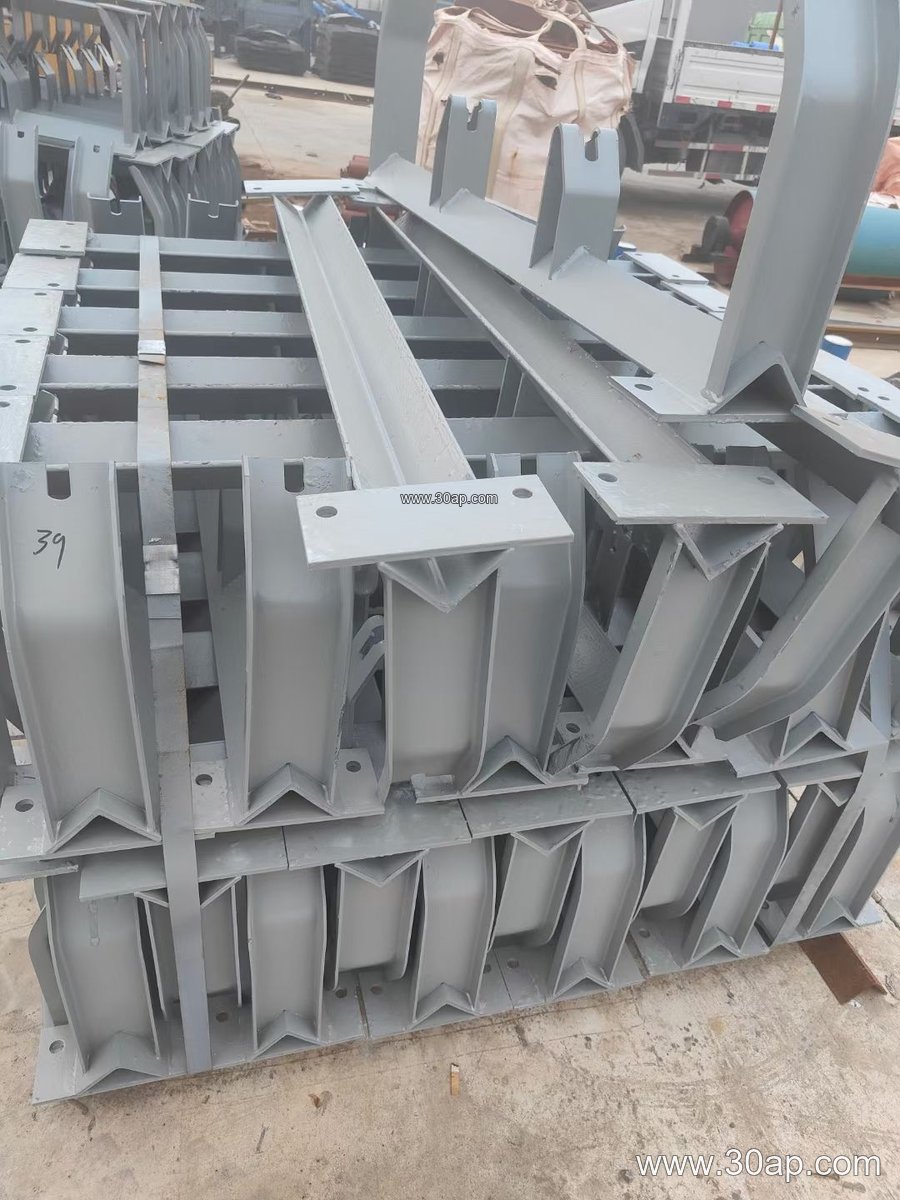
Common Types and Where They Sit
Conveyor bracket fabrication covers several positions along the line. Trough brackets support the carrying side and set the trough angle. Return brackets hold the belt on the return run, and V-return brackets help center it. Impact brackets sit under loading points, while self-aligning brackets correct belt drift. Transition and adjustable brackets handle changes in angle or belt path.
| Bracket type | Typical position | Common belt width | Trough angle | Roller diameter |
|---|---|---|---|---|
| Trough bracket | Carrying side | B650 to B1400 | 20 to 45 degrees | Ø89 to Ø159 |
| Return bracket | Return run | B800 to B1600 | Flat | Ø108 to Ø159 |
| Impact bracket | Load point | B1000 to B1800 | 30 to 45 degrees | Ø133 to Ø194 |
| Adjustable bracket | Transition zone | B650 to B1200 | 20 to 45 degrees | Ø89 to Ø133 |
These values are common references, not fixed matches. A B1200 line might run 35 degrees with Ø133 rollers, while a B800 line could use 30 degrees with Ø108. Forward-leaning brackets are often set at about 1.5 to 2 degrees to help training.
Where These Frames Are Used
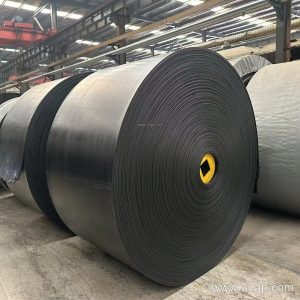
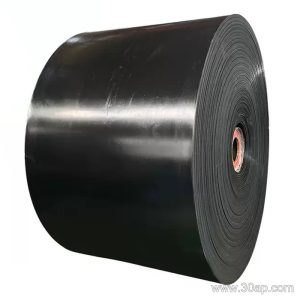
Fabricated brackets appear wherever a belt conveyor moves bulk material. In a sand and gravel line or a crushing and screening plant they support the belt after the crusher and before the screen. In a power plant coal yard they hold rollers under a long inclined run. The bracket must suit the belt it carries, whether that is an abrasion resistant conveyor belt in a stone quarry or a flame retardant conveyor belt underground. Matching bracket strength to belt load and roller diameter keeps the whole conveyor steady.
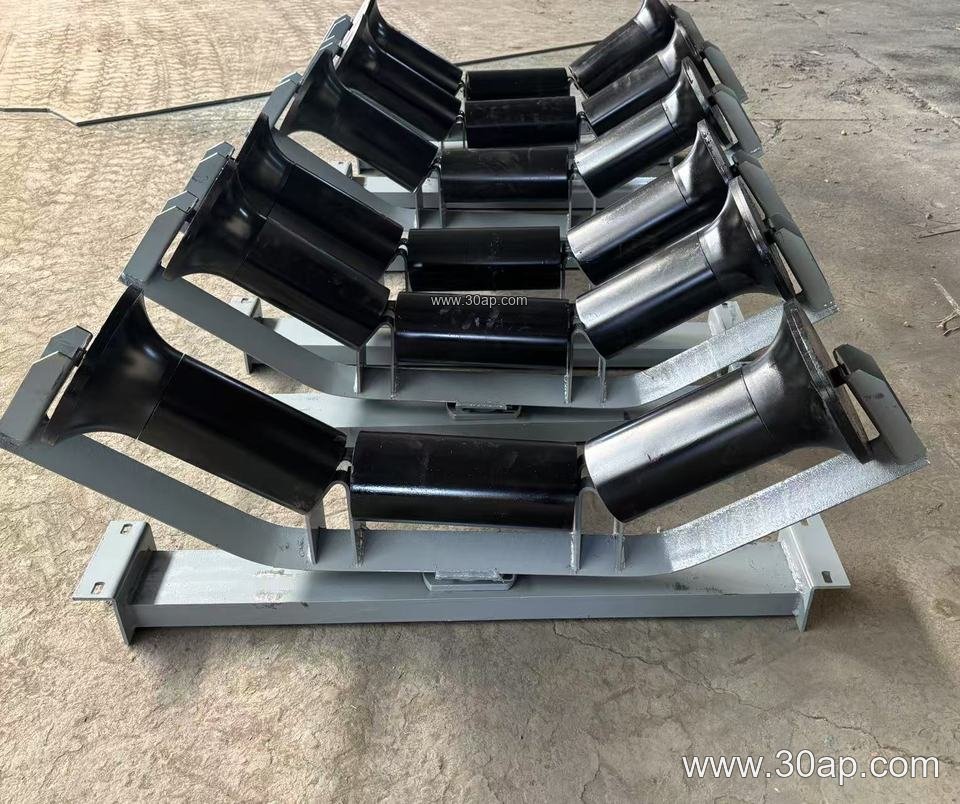
When the belt is wide, such as a 1200mm or 1500mm conveyor belt, the bracket span grows and the steel section usually becomes heavier. Narrow belts can use lighter angle or channel sections. The belt type does not change the bracket shape, but it does affect the loads and the environment the frame must survive.
Buyer Checklist
Before ordering, confirm the belt width, trough angle, roller diameter and mounting hole pattern. Ask for the drawing or a sample check so the fabricated bracket fits existing idlers and frame. State the working environment, because dusty or wet sites may need extra protection. Confirm material thickness and surface treatment. Good conveyor bracket fabrication is measured by fit, alignment and long service, not by a single size.