What a 1000mm Drive Pulley Actually Is
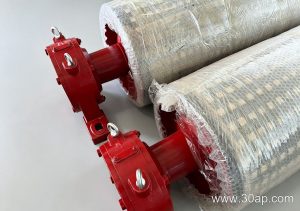
A 1000mm drive pulley is the head-end drum that transmits motor torque into a conveyor belt, and its 1000 mm dimension normally refers to the drum diameter rather than the belt width. This is the pulley that pulls the loaded belt along the trough, so it sits at the discharge end of the conveyor and sees the highest tension in the system. Buyers often confuse it with a tail pulley or a bend pulley; those are different components with different duties. A tail pulley returns the belt and a bend pulley only changes its direction, while the drive pulley is the one coupled to the gearbox and doing the work. When a spec sheet says Ø1000 drive drum, it is describing a fairly large head drum suited to high-capacity lines in quarries, iron ore plants, coal preparation facilities and power station coal yards.
Construction and Surface Options
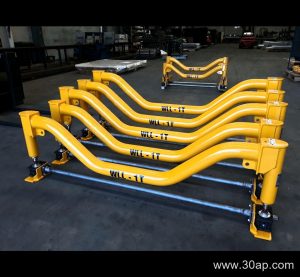
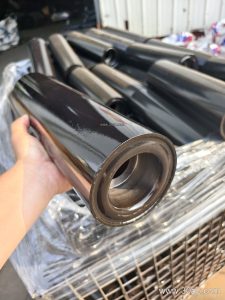
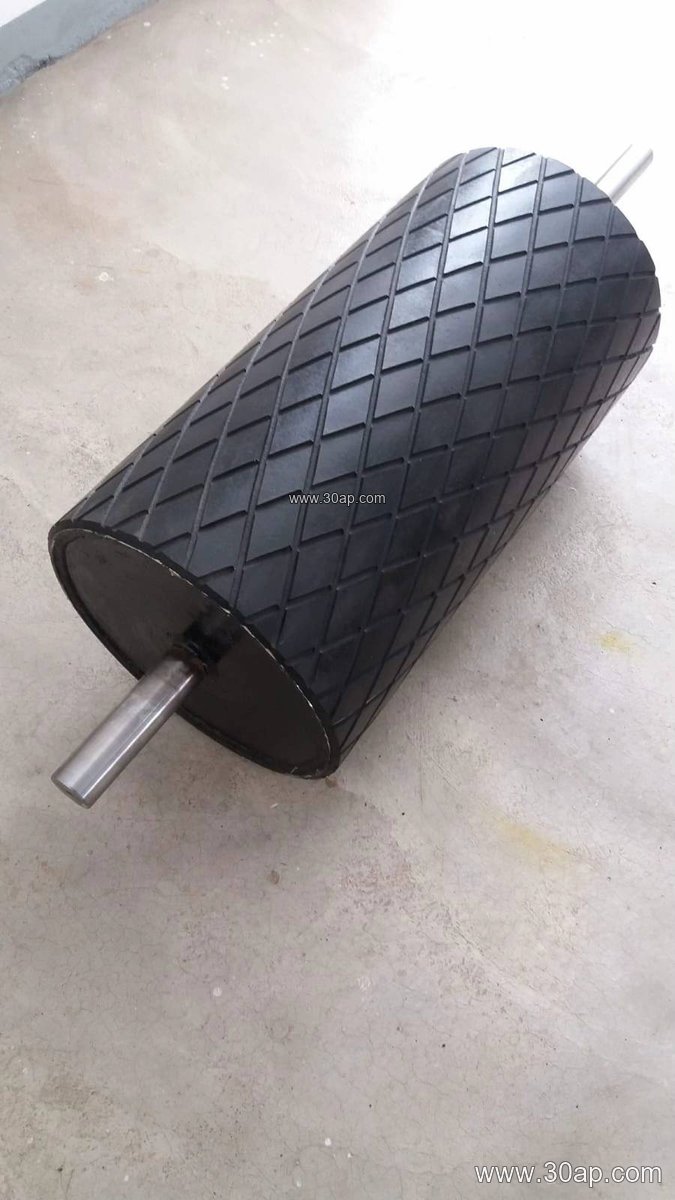
The core is usually a welded steel shell with shaft, hub and end discs, and the shell face carries the lagging that grips the belt. Common surface forms include plain finish, hot-vulcanized rubber, cold-bonded rubber, diamond grooving, herringbone grooving and ceramic lagging, with lagging thickness often 8, 10, 12, 15 or 20 mm depending on the duty. A drive pulley on a wet or dusty line usually benefits from grooved or ceramic lagging to keep friction predictable. The shaft diameter is set by torque and radial load, not by belt width, so a Ø1000 shell may run with shafts from roughly Ø120 up to Ø200 or more on large drives. Bearings, bearing housings and the take-up arrangement are matched by the conveyor designer, and the pulley is normally specified together with the conveyor pulley support structure and the conveyor bracket layout.
Typical reference figures
| Parameter | Common range |
|---|---|
| Drum diameter | Ø1000 mm |
| Belt width match | B1000, B1200, B1400, B1600 in many layouts |
| Shell face width | Often wider than the belt, e.g. about 1150 mm for B1000 |
| Lagging thickness | 8, 10, 12, 15, 20 mm |
| Shaft diameter | Ø120 to Ø200 typical, confirmed by torque calculation |
These are reference values only. A 1000 mm drum is not tied to a single belt width, and a B1000 belt does not automatically dictate one shaft size.
Where It Fits on the Conveyor
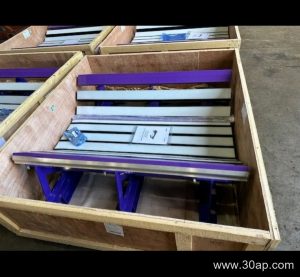
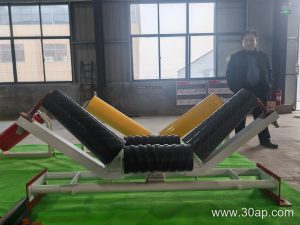
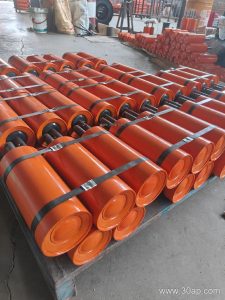
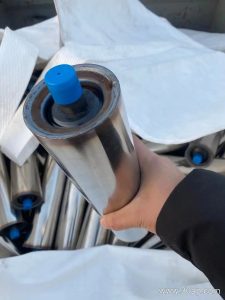
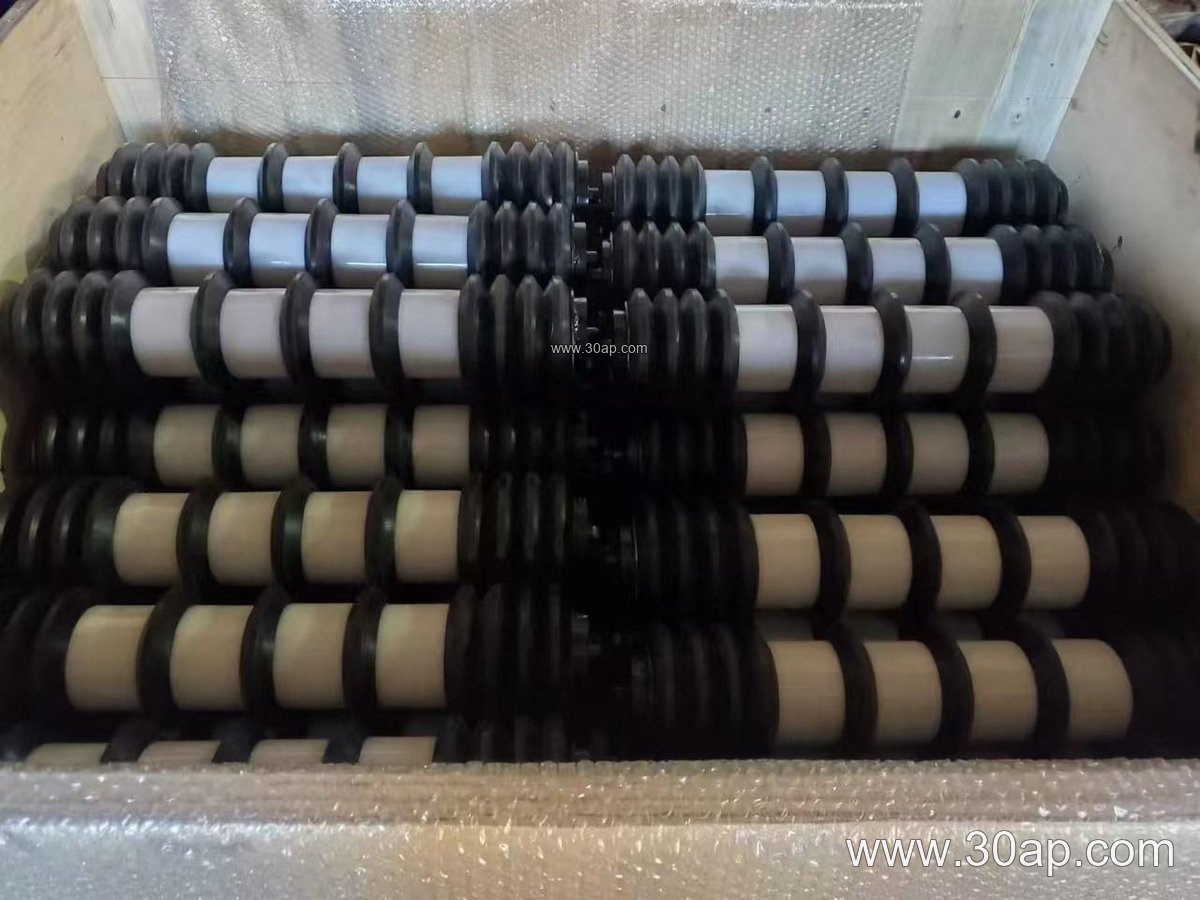
The main application is the head or discharge position on a long, heavily loaded conveyor. In a limestone quarry feeding a crusher, or in a cement plant moving clinker, the drive pulley is the point where the belt tension peaks and where lagging wear shows first. On a coal mining conveyor or an underground coal mining conveyor, flame retardant grades of belt are usually paired with a drive drum that has been specified for the same risk profile. The drum also appears in port bulk terminals, steel plant sinter lines and aggregate plants where a single flight carries several hundred tonnes per hour. In these places the drive pulley works alongside the idler roller sets and the return rollers, so alignment across the whole frame matters as much as the drum itself.
Matching the Drum to the Belt
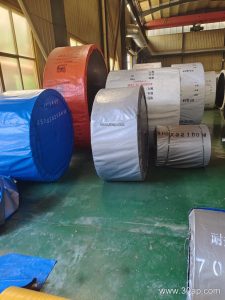
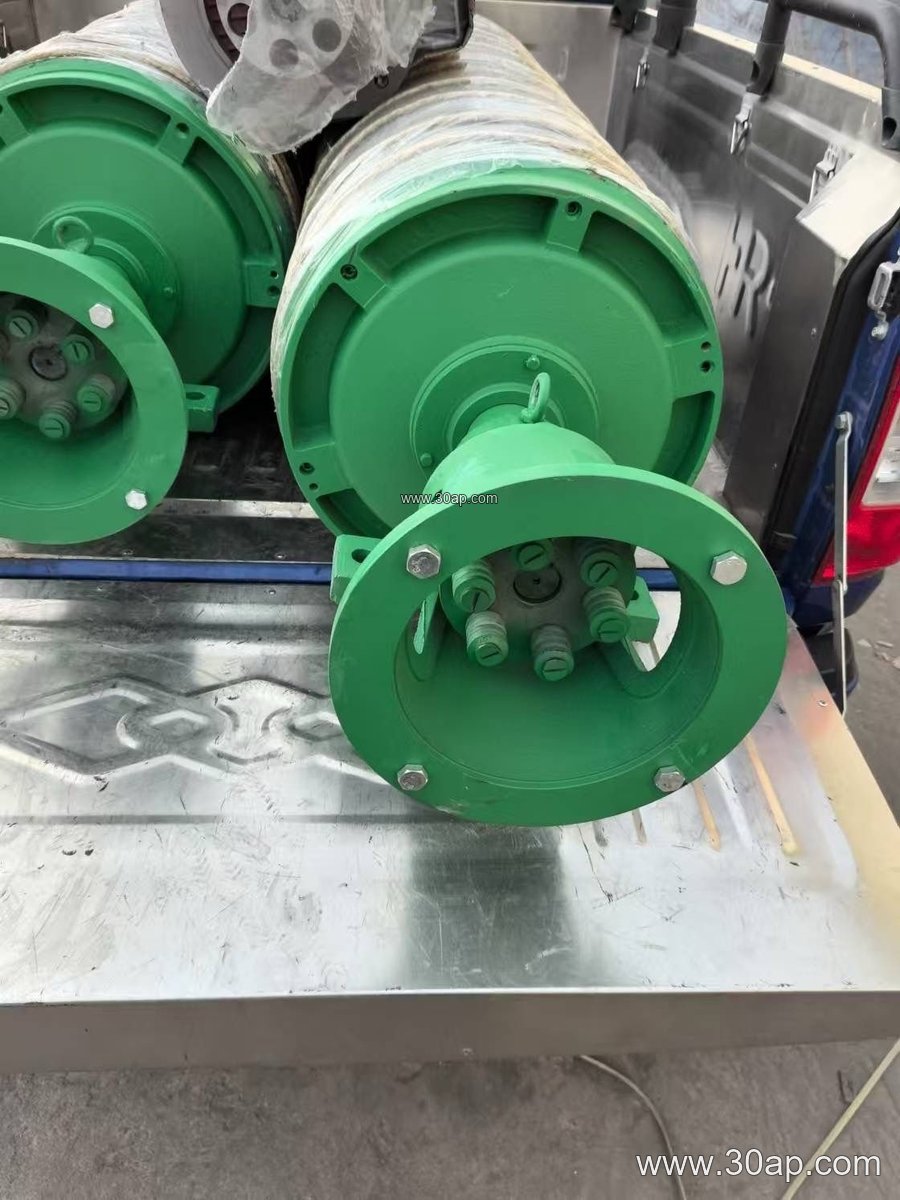
The belt and the pulley are a pair. A heavy EP conveyor belt or a steel cord belt needs a drum large enough to limit bending stress in the carcass, which is why Ø1000 is common on high-tension flights. Softer or thinner belts may run on smaller drums. The lagging choice should follow the material: abrasive ore calls for abrasion resistant lagging, oily or chemical loads need oil resistant or chemical resistant covers, and hot material such as cement clinker or sinter asks for heat resistant grades. Where the belt itself is a flame retardant conveyor belt for underground work, the drum specification should be reviewed together with the belt supplier so the friction and safety requirements stay consistent.
What a Buyer Should Confirm
- Required drum diameter and whether Ø1000 is fixed by the existing frame or open to review.
- Belt width, belt type and carcass, for example EP, NN or steel cord construction.
- Lagging form and thickness, plus the material being carried.
- Shaft diameter, keyway, bearing type and coupling details from the drive calculation.
- Balance grade, runout and inspection requirements agreed before dispatch.
- Whether the pulley is a head drive, a tandem drive or part of a take-up arrangement.
Get the load case right and a 1000mm drive pulley will run for years with routine lagging checks. Guess at the shaft size or the lagging and the same drum becomes a maintenance problem. The safest route is to share the belt data, the duty and the frame drawing with the pulley supplier and let the design be confirmed against real torque figures.