What a 1250mm Diameter Conveyor Pulley Is
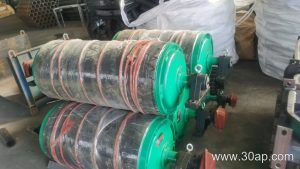
A 1250mm diameter conveyor pulley is a large-drum component used to drive, tension or redirect a conveyor belt in high-capacity bulk handling systems. At this diameter, the pulley is usually a drive or head pulley on a main haulage conveyor, though it can also serve as a tail or bend pulley where the belt path and tension design call for it. The large shell gives the belt a gentler wrap, reduces bending stress in the carcass and helps control belt tracking on long, heavily loaded lines.
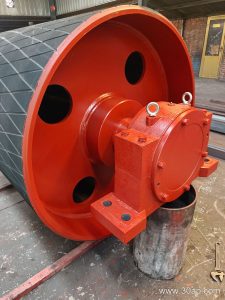
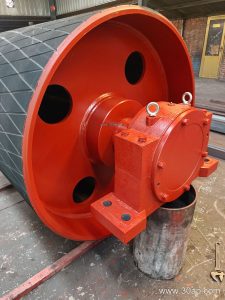
Because of its size, a 1250mm diameter pulley is normally engineered as a fabricated steel drum with welded end discs, a reinforced hub and a shaft sized by torque and radial load, not by belt width alone. Buyers often meet this size in quarry and aggregate circuits, iron ore and copper ore handling, coal preparation plants, cement clinker lines and power station coal yards.
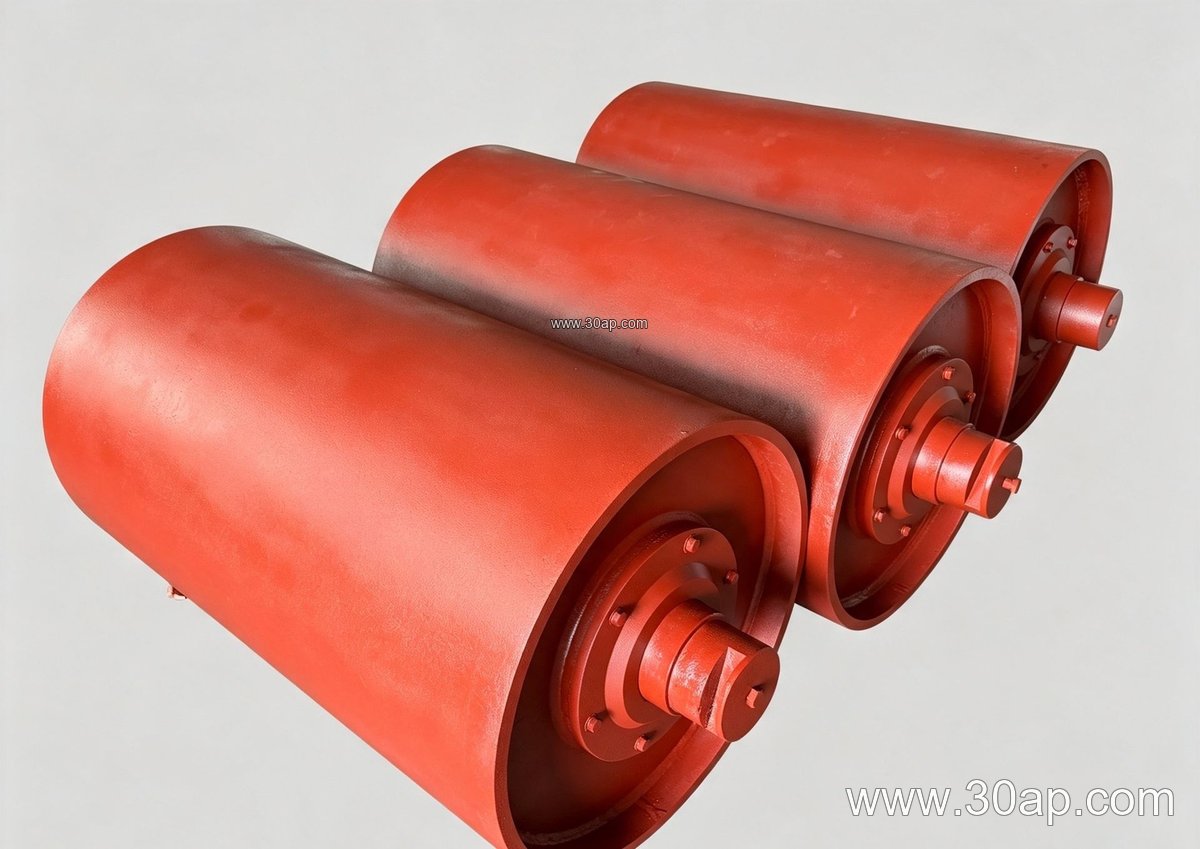
Construction and Surface Options
The drum body is typically rolled steel plate, machined at the ends for a true running surface. The shaft is fitted by shrink disc, keyed hub or welded hub depending on the design, and the bearing housings sit in conveyor brackets that bolt to the main frame. Common shaft diameters in this size class include Ø160, Ø180 and Ø200, but the final value follows the actual torque and load case.
Face width is usually wider than the belt it carries, for example a B1400 belt might run on a pulley face around 1600mm, and a B1600 belt on roughly 1800mm. Surface treatment is selected for grip and wear:
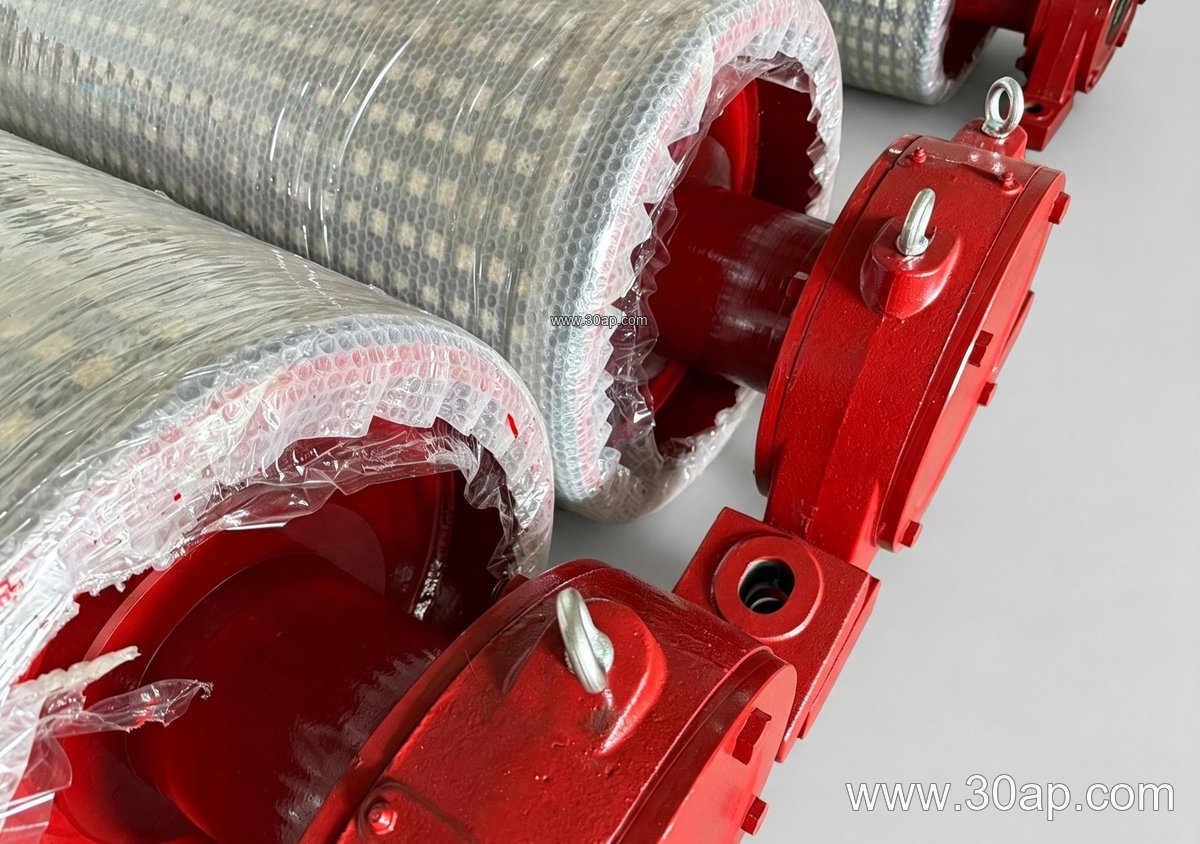
- Plain machined face for non-drive positions
- Diamond or herringbone grooved rubber lagging for drive grip and water shedding
- Ceramic lagging for abrasive, wet or oily service
- Hot vulcanized or cold bonded rubber in 8, 10, 12, 15 or 20mm thickness
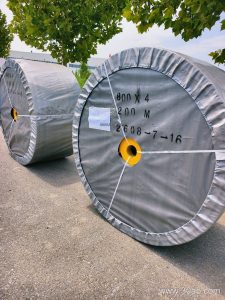
The lagging choice matters most on the drive pulley, where friction between drum and belt determines whether a heavily loaded rubber conveyor belt can start without slip.
Where It Fits in the Belt Line
On a primary crushing or ship loading conveyor, a 1250mm diameter drive pulley may be paired with an EP or steel cord belt running at high tension. In a coal preparation plant or underground coal mining conveyor, flame retardant and anti-static belt grades are common, and the pulley lagging must suit wet, dusty conditions. In cement plants and power plant coal handling, heat and abrasion both influence the belt grade and the drum surface.
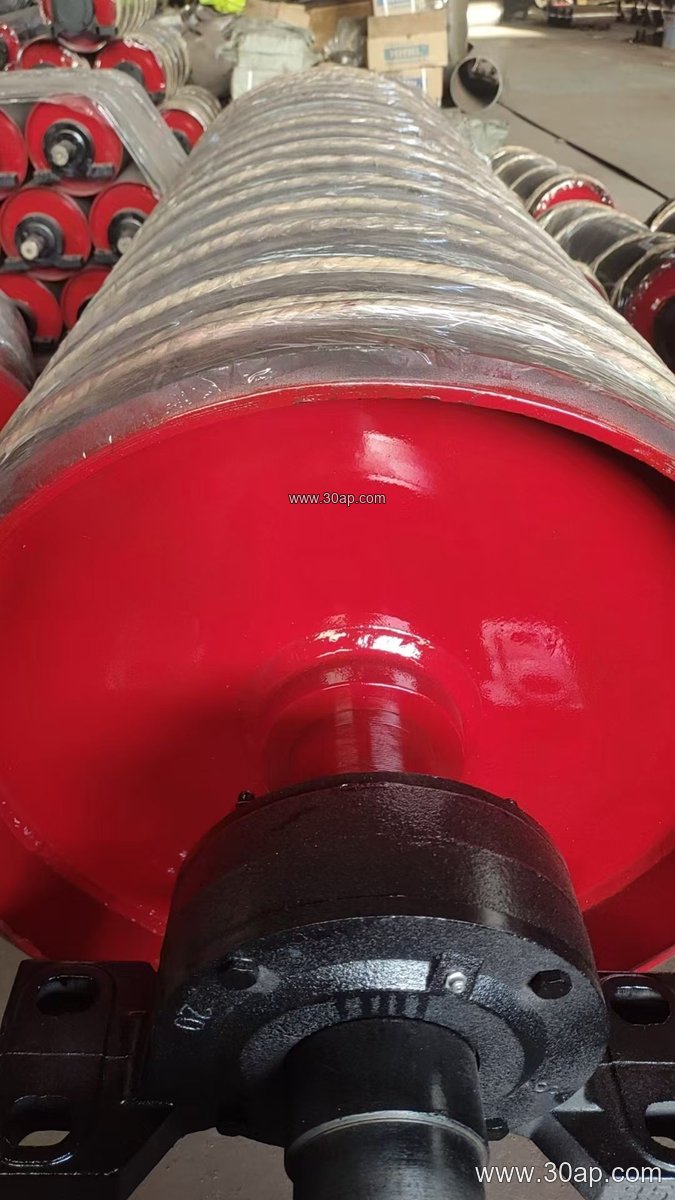
The same diameter can appear as a bend pulley at a transfer point, changing belt direction without driving. It should not be confused with a tail pulley or a tension pulley, which have different duties even when the shell diameter matches. A smaller bend or snub pulley elsewhere on the same conveyor is a separate item with its own load rating.
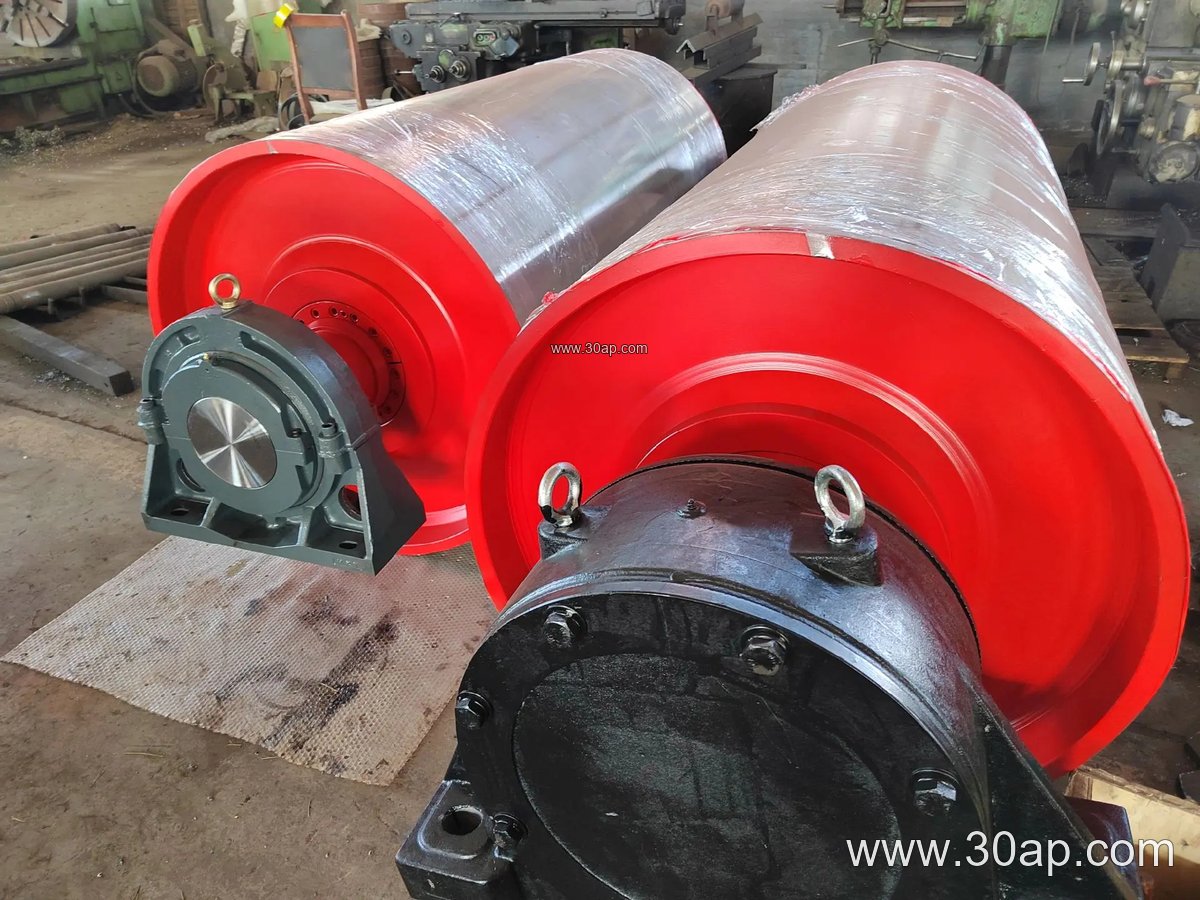
Matching the Pulley to the Belt and Load
There is no fixed rule that ties one belt width to one pulley diameter. A B1200 system may use Ø1000 in one plant and Ø1250 in another, depending on belt tension, arc of contact, belt speed and the required service life. What a buyer should confirm:
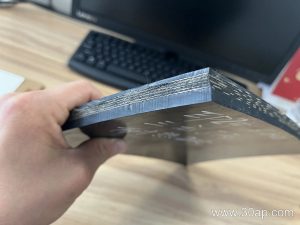
- Belt width and carcass type, such as EP200, EP300, NN300 or ST1250
- Operating tension and the resulting shaft torque
- Required lagging pattern and thickness
- Bearing type, housing size and mounting bracket dimensions
- Balance grade and running speed
For abrasive stone crushing or sinter plant duty, an abrasion resistant conveyor belt combined with ceramic lagging often extends drum life. In cold climates, a cold resistant belt may be specified, while oil resistant or heat resistant grades are chosen where the material demands them.
Installation and Maintenance Notes
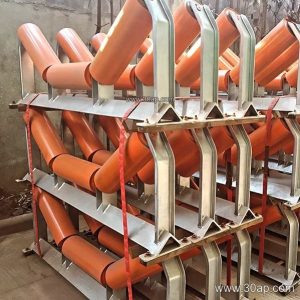
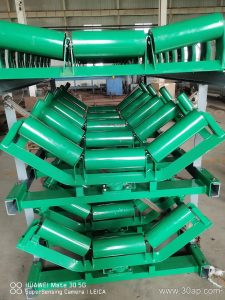
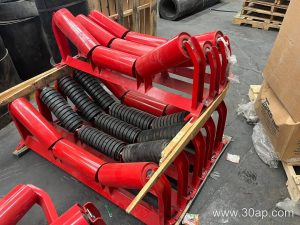
Large pulleys are heavy, so lifting points, shaft alignment and bearing clearance should be checked before the belt is tensioned. After commissioning, inspect lagging wear, bolt torque and tracking weekly in the first month, then move to a routine schedule. Keep the conveyor pulley face clean and check that conveyor idler rollers nearby turn freely, since a seized idler can load the drum unevenly and cause belt mistracking.
Spare lagging sheets, fasteners and bearing seals should be stocked for critical drives. When replacing a 1250mm drum, record the original face width, shaft diameter and lagging pattern so the new unit matches the frame and belt path without modification.