What a Rock Conveyor Belt Is
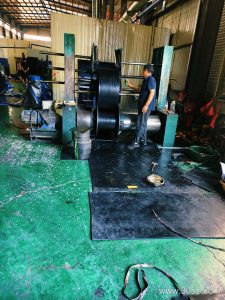
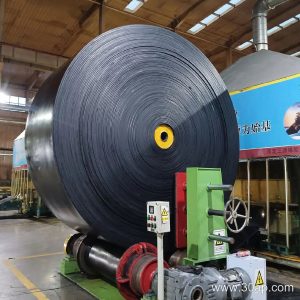
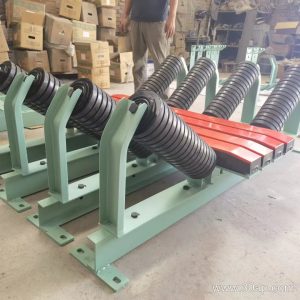
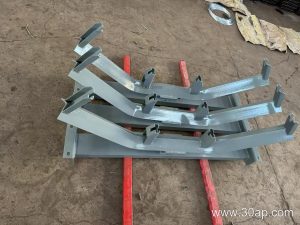
A rock conveyor belt is a heavy-duty rubber belt designed to move crushed stone, ore, aggregate, and other abrasive bulk materials. In mining, quarrying, cement plants, power plants, and sand and gravel yards, it forms the continuous carrying surface of a conveyor system. The belt works together with idler rollers, conveyor pulleys, and conveyor brackets to keep material flowing from the crusher or stockpile to the next stage. When selected and maintained correctly, a rock conveyor belt helps reduce spillage and keeps the transport route stable under constant load.
Construction and Material Options
Most rock conveyor belts use a fabric core or steel cord reinforcement. The carcass provides tensile strength, while the rubber covers protect the core from impact, abrasion, and moisture. Common constructions include EP conveyor belt and NN conveyor belt, both of which use multiple fabric plies. Heavy-duty mining conveyor belt designs may use steel cord conveyor belt where higher strength and longer center distances are required. Cover rubber compounds are chosen for the working environment, such as abrasion resistant conveyor belt, heat resistant conveyor belt, oil resistant conveyor belt, flame retardant conveyor belt, and anti-static conveyor belt.
For steep inclines or material that tends to roll back, a chevron conveyor belt or corrugated sidewall conveyor belt can help contain the load. In underground coal mining, PVG conveyor belt and PVC conveyor belt are often considered for fire safety reasons. The exact construction should match the material, the conveyor layout, and the local safety requirements.
Typical Specifications
Rock conveyor belts are available in a range of strengths and widths. The table below shows common reference values; actual supply depends on the conveyor design and the manufacturer.
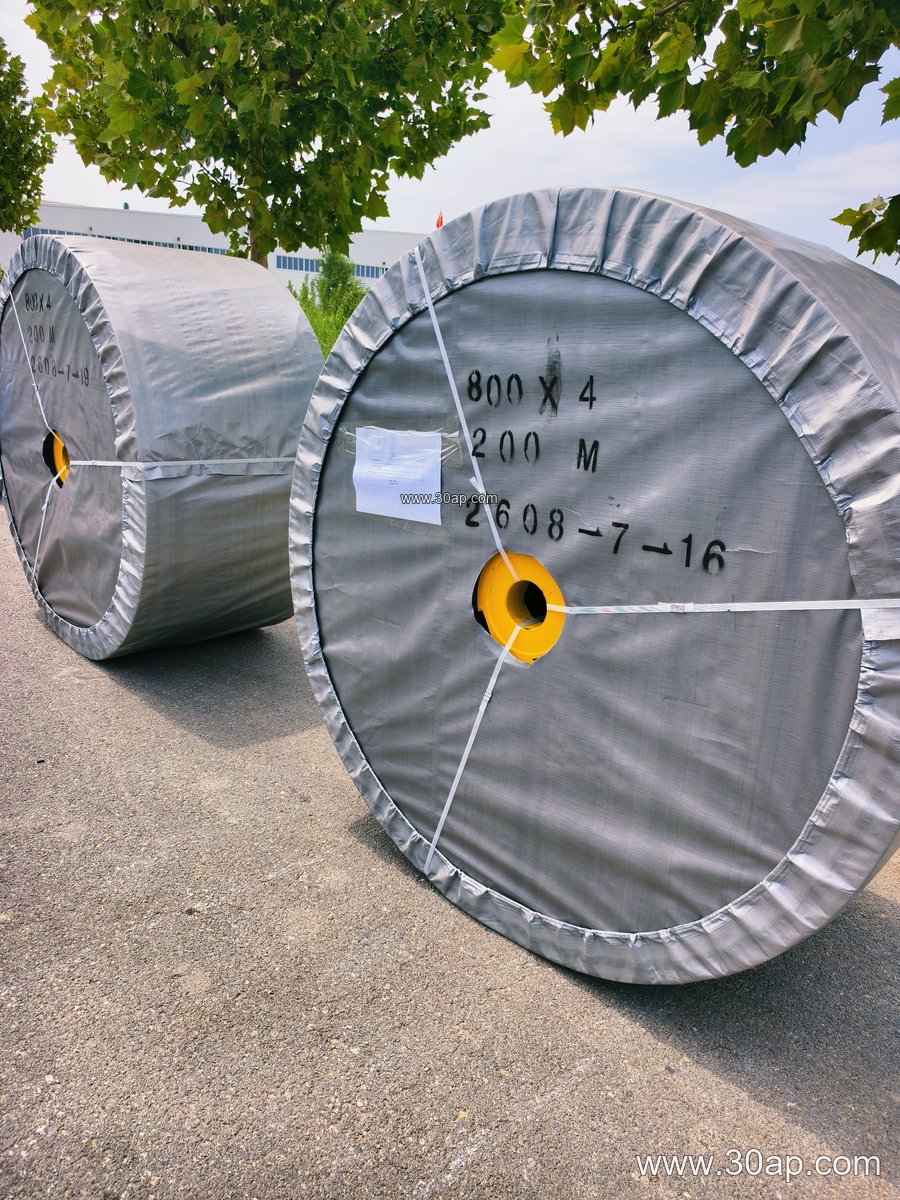
- Fabric core grades: EP200, EP315, EP400, EP500, EP630, EP800, EP1000, EP1250, EP1600, EP2000
- Steel cord grades: ST1000, ST1250, ST1600, ST2000, ST2500, ST3150
- Belt widths: B500, B650, B800, B1000, B1200, B1400, B1600, B1800, B2000
- Cover thickness examples: 3+1.5 mm, 4+2 mm, 5+2 mm, 6+2 mm, 8+3 mm
- Carcass plies: commonly 2 to 6 layers for fabric core belts
These values are not universal fixed combinations. A wider belt does not automatically require a specific pulley diameter, and the shaft size must be calculated from the actual conveyor load and pulley design. Buyers should confirm the belt grade, width, cover thickness, and splice method with the supplier before ordering.
Where Rock Conveyor Belts Are Used
In a quarry or aggregate plant, a rock conveyor belt carries blasted stone from the primary crusher to screening and stockpiling. In a coal mine, flame retardant and anti-static grades are common for underground mining conveyor belt systems. Cement plants use heat resistant conveyor belt where clinker or hot materials are present. Power plants and steel plants move limestone, coal, and slag on heavy-duty conveyor belt lines. Portable and fixed conveyors in recycling and construction waste sorting also rely on abrasion resistant conveyor belt covers to handle sharp edges and mixed debris.
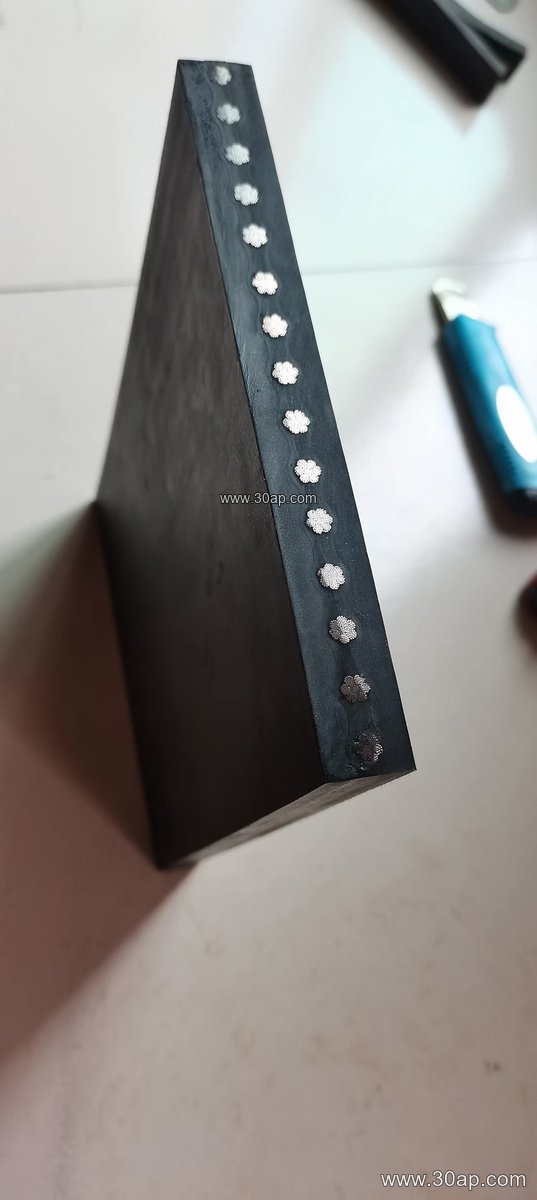
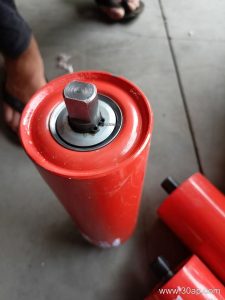
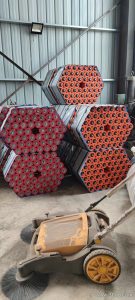
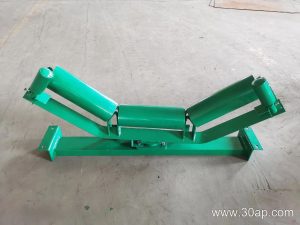
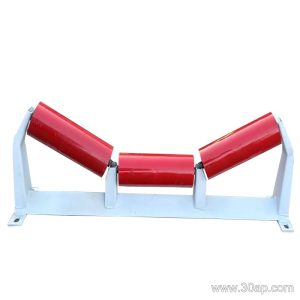
Related components such as idler roller, conveyor pulley, and conveyor bracket should be matched to the belt width and load. A rock conveyor belt is only one part of the system; misalignment, poor loading conditions, or worn rollers can shorten belt life regardless of the belt grade.
Selection and Maintenance Notes
When choosing a rock conveyor belt, start with the material size, bulk density, moisture, and temperature. Then check the conveyor length, incline, and expected throughput. For high-impact loading points, a thicker top cover or impact resistant conveyor belt may be appropriate. For cold climates, cold resistant conveyor belt compounds help avoid cracking. For long overland routes, steel cord conveyor belt or high strength conveyor belt can reduce the number of transfer points.
During operation, inspect the belt surface for cuts, cover wear, and edge damage. Keep idler rollers turning freely and check conveyor pulleys for material build-up. Maintain proper belt tension and alignment to prevent tracking problems. An endless conveyor belt splice made correctly will run more smoothly than a poorly joined belt. Spare belts and splice materials should be stored away from heat, oil, and direct sunlight.
Buyer Checklist
- Confirm the required belt grade and carcass type for the conveyor design.
- Match cover thickness to abrasion, impact, and temperature conditions.
- Verify belt width and splice method with the conveyor manufacturer.
- Check compatibility with idler roller, conveyor pulley, and conveyor bracket dimensions.
- Ask for the manufacturer’s storage and installation recommendations.
For more information on rock conveyor belt options and related components, visit https://en.30ap.com/.