What Is an Aggregate Conveyor Pulley
An aggregate conveyor pulley is the rotating drum at the heart of a belt conveyor system, responsible for driving, tensioning, or redirecting the belt as it carries crushed stone, sand, gravel, and other bulk materials. Unlike a simple idler roller that supports the belt along its length, this component transmits power and maintains belt alignment under heavy loads. In quarry and aggregate operations, it works alongside conveyor belt and idler roller assemblies to keep material moving efficiently from crusher to screen to stockpile.
While often called a conveyor pulley, the same product is accurately referred to as a belt conveyor drum or conveyor head pulley depending on its role. It is distinct from a drive pulley, tail pulley, or bend pulley—each serving a specific function and not interchangeable.
Construction and Key Components
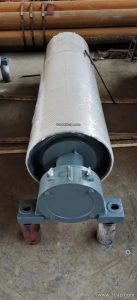
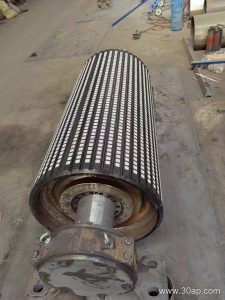
A typical aggregate conveyor pulley is built from a steel shell, welded end discs, a shaft, and bearing housings. The shell may be machined for balancing and covered with rubber, ceramic, or other lagging to improve grip. Shaft diameter is determined by torque and load requirements, not simply by belt width. Common shaft sizes include Ø50, Ø60, Ø80, Ø100, Ø120, and Ø160 mm, selected through engineering calculation.
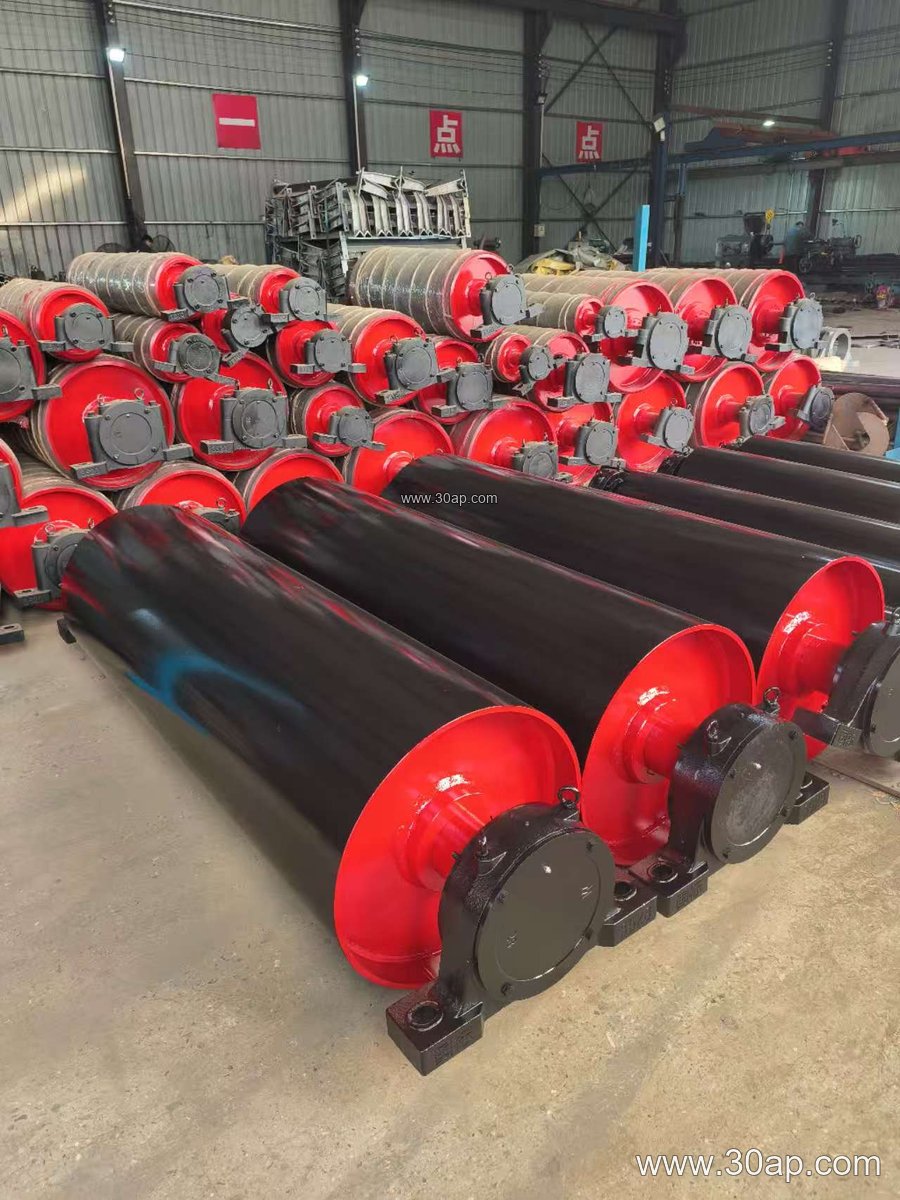
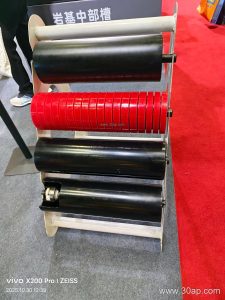
Surface options are varied: plain, cast rubber, cold-bonded rubber, hot-vulcanized rubber, diamond lagging, herringbone lagging, ceramic lagging, and flat rubber. Lagging thickness often ranges from 8 mm to 20 mm. The pulley face width usually exceeds the belt width—for example, a B800 belt typically matches a pulley face of about 950 mm, while a B1200 belt often uses a face around 1400 mm. These are reference values, not fixed pairings; actual dimensions depend on conveyor design.
Where It Is Used
Aggregate conveyor pulleys are essential in sand and gravel plants, crushed stone operations, and concrete mixing stations. In a quarry, the head pulley drives the belt at the discharge end, while the tail pulley maintains tension and the bend pulley changes belt direction. They also appear in cement plants for clinker handling and in power plant coal yards. The pulley must withstand abrasive dust, moisture, and impact loads, making robust construction and proper lagging critical. A related component, the conveyor bracket, supports the pulley assembly and must be aligned precisely to avoid belt mistracking.
Types and Applications
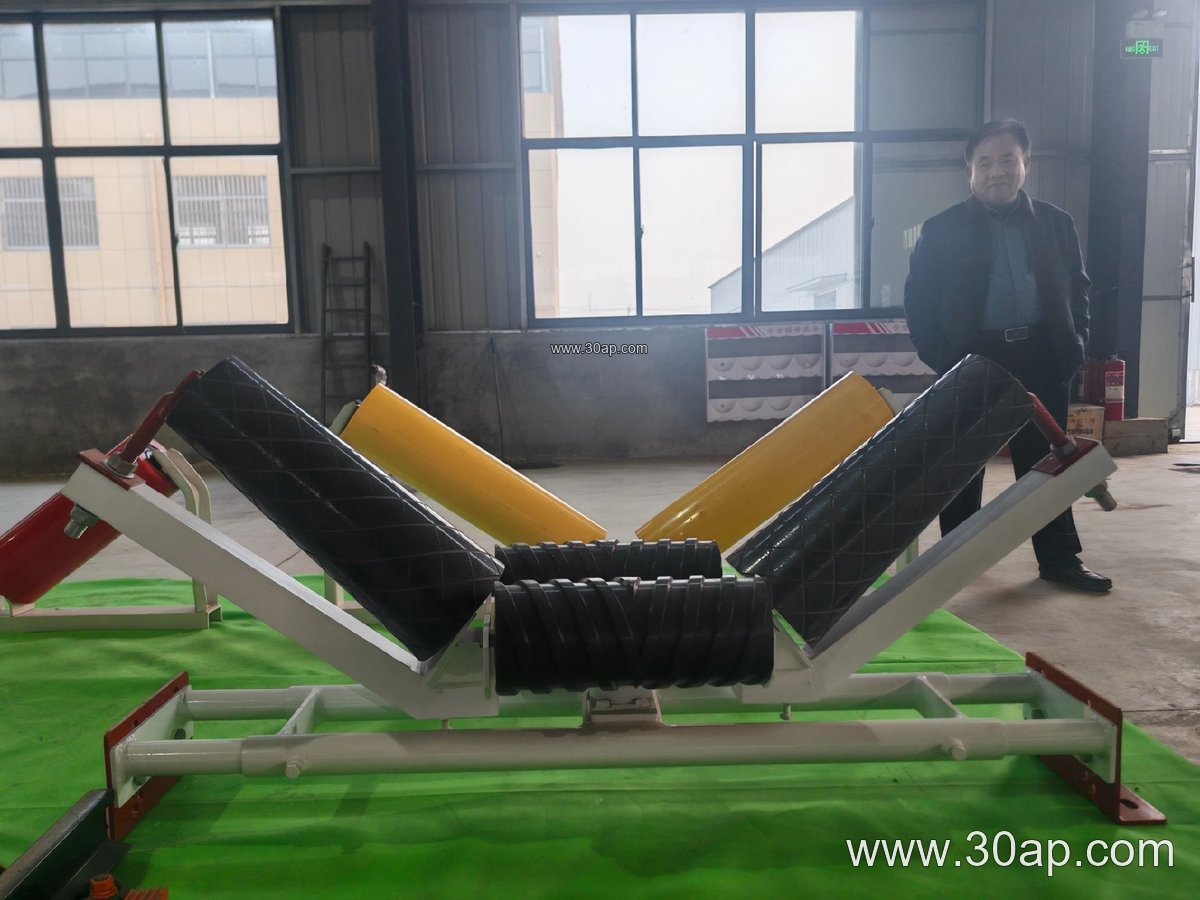
Different pulley types serve distinct roles: drive pulleys transmit power, tail pulleys provide tension, bend pulleys redirect the belt, and snub pulleys increase wrap angle. Take-up pulleys adjust belt slack, while wing pulleys are used in aggressive applications to shed material. These are not interchangeable; selecting the right type depends on the conveyor layout. For instance, a drive pulley with diamond lagging offers superior grip in wet conditions, whereas a plain tail pulley may suffice in dry, clean areas. The pulley must be matched with the appropriate conveyor belt—whether abrasion-resistant, heat-resistant, or oil-resistant—to ensure reliable performance.
Selection and Maintenance Tips
When choosing an aggregate conveyor pulley, consider belt width, speed, load, and environmental factors. Diameter is often selected based on belt tension and the number of plies; common diameters include Ø200, Ø315, Ø500, Ø630, Ø800, Ø1000, and Ø1250 mm. Larger diameters reduce belt stress but require more space. Lagging choice affects friction and wear—ceramic lagging is ideal for high-torque drives, while rubber lagging works well for general aggregate handling.
Regular maintenance includes checking bearing condition, lagging wear, and shaft alignment. Misalignment can cause belt edge damage and premature pulley failure. Lubrication schedules should follow manufacturer guidelines. In dusty environments like aggregate plants, sealed bearing housings are recommended to prevent contamination. Inspect lagging for glazing or wear, and replace when grip diminishes. Proper tensioning of the conveyor belt also extends pulley life.
For reliable operation, pair quality pulleys with compatible components such as EP conveyor belt or steel cord conveyor belt and ensure conveyor pulley specifications match the system design. Regular inspections and timely replacement of worn parts keep aggregate operations running smoothly.