What the Ø89 Conveyor Idler Is
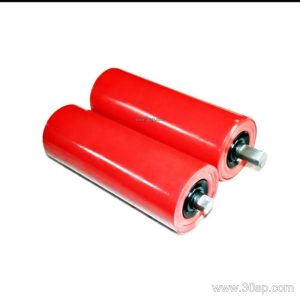
The Ø89 conveyor idler is a carrying or return roller with an 89 mm outside diameter, built to support and guide the conveyor belt on a bulk handling line. It is one of the most common mid-range roller sizes, sitting between lighter Ø76 units and heavier Ø102 or Ø108 designs. In a quarry, a coal washing plant or a cement plant, this idler roller is usually chosen where belt loads and belt speeds call for more stiffness than a small-diameter roller can offer, while keeping the assembly compact.
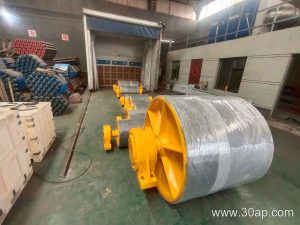
Do not confuse the idler with a conveyor pulley. Drive pulleys, tail pulleys and bend pulleys transmit or redirect belt tension at the ends of a conveyor, while the Ø89 conveyor idler rotates under the belt along the carrying and return runs. The two work together but are not interchangeable.
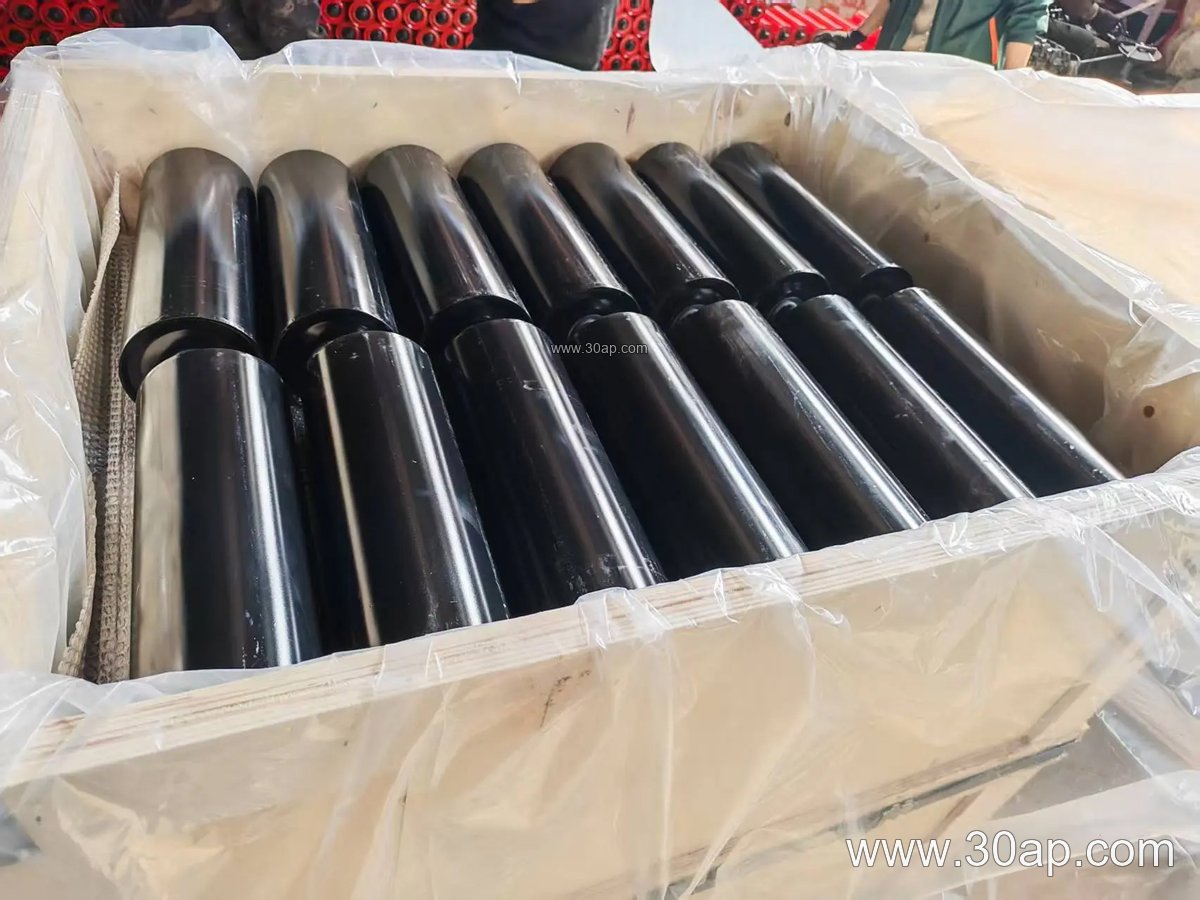
How an Ø89 Idler Roller Is Built
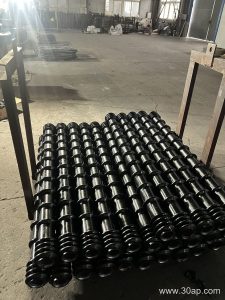
A typical unit combines a steel tube shell, bearing housings at each end, a shaft, and a sealing arrangement. Roller surfaces are commonly plain steel, nylon, ceramic or rubber-ringed, depending on whether abrasion, sticking material or impact is the main concern. Bearings are usually deep-groove ball types; common sizes include 6204, 6205, 6305, 6306 and 6308, matched to the shaft and load rather than fixed to one diameter.
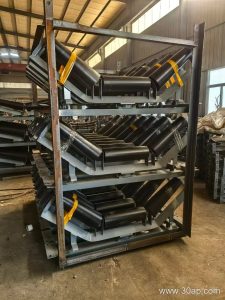
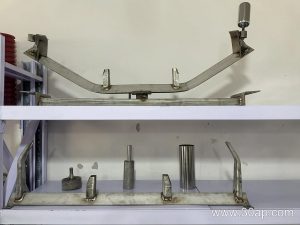
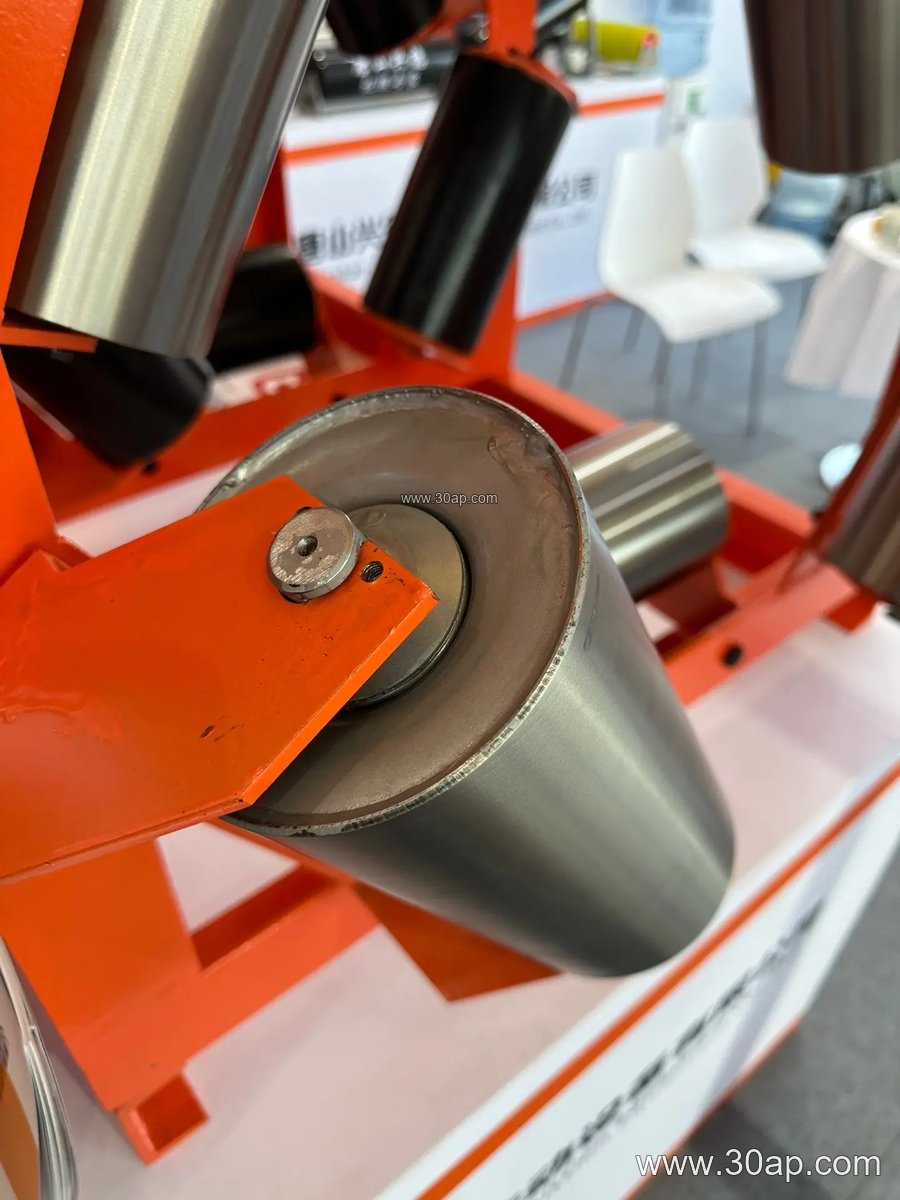
The shaft ends sit in a conveyor bracket or frame. For a three-roll troughing set, roller length changes with belt width, trough angle and the position of the roll in the set. The table below shows common examples; side rollers and the centre roller may differ, and these are reference values rather than fixed combinations.
Common reference data for Ø89 idlers
| Item | Common options or examples |
|---|---|
| Roller diameter | Ø89 mm |
| Idler types | Troughing, upper, transition, return, flat return, V-return, impact, rubber-ring impact, spiral, self-aligning, friction self-aligning, tapered self-aligning, comb |
| Roll sets | Single roll, two-roll, three-roll troughing |
| Trough angle | 20°, 30°, 35°, 45° |
| Belt widths | B400, B500, B650, B800, B1000, B1200, B1400, B1600 |
| Example roller length, three-roll troughing | B500 about 200 mm; B650 about 250 mm; B800 about 315 mm; B1000 about 380 mm; B1200 about 465 mm; B1400 about 530 mm; B1600 about 600 mm |
| Bearing examples | 6204, 6205, 6305, 6306, 6308 |
| Roller surface | Steel tube, nylon, ceramic, rubber ring |
Where This Diameter Fits
In a limestone mine or an iron ore crushing and screening line, Ø89 conveyor idlers often appear on medium-width belts carrying crushed rock. A coal handling system at a power plant may use them on return runs where fines and moisture make sealing quality important. Aggregate plants, fertilizer plants and tunnel spoil lines also use this size where the belt is not extremely wide and the duty is moderate to heavy.
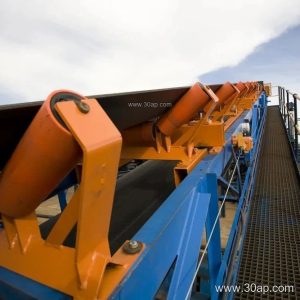
Application decides the subtype. Troughing idlers shape the belt into a trough so material stays centred. Impact idlers with rubber rings absorb shock at transfer points. Spiral rollers help shed sticky material, and self-aligning rollers correct belt drift. V-return idlers support the belt edges on the return side. Each has a different job, so the Ø89 dimension alone is not enough to specify a replacement.
What Buyers Should Check Before Ordering
- Belt width and roller length. Confirm the actual roller length and the set arrangement, not just the belt width. Side rollers and centre rollers can differ in length.
- Trough angle. A 20° set and a 45° set are not the same product, even with the same roller diameter.
- Load and speed. Heavier material and higher belt speeds put more demand on bearings and seals.
- Environment. Dust, water, acid or sticky fines should guide the seal and surface choice.
- Shaft and bracket fit. The shaft end must match the conveyor bracket or frame; shaft diameter should be confirmed from the drawing, not assumed from belt width.
- Replacement consistency. Keep the same roller diameter, length and set geometry across a run so the conveyor belt is supported evenly.
A well-matched Ø89 conveyor idler reduces belt wear and keeps the line running smoothly. Buyers who check dimensions, bearing details, sealing and surface type against the actual conveyor design will get a roller that fits the first time and stays in service longer.