What a Non-Standard Conveyor Bracket Really Is
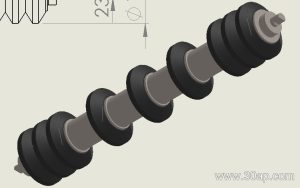
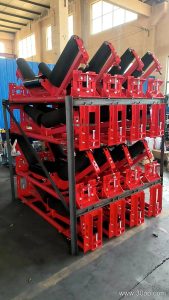
A non-standard conveyor bracket is a support component made to match a specific conveyor layout rather than a catalogue drawing. It carries idler rollers, holds the belt at the required trough angle, and transfers load into the conveyor frame. When a quarry line, a cement plant transfer tower, or a power plant coal handling gallery has an awkward transition, a short head section, or a frame that does not follow the usual drawing, the bracket is often the part that has to be rethought. That is where a custom conveyor bracket earns its place: it is designed around the actual belt width, roller diameter, and mounting hole spacing on site.
The keyword itself describes the function, not a single shape. A non-standard bracket may be a troughing bracket, a return bracket, an impact bracket, or a self-aligning bracket, as long as its geometry is project-specific. It should not be confused with a drive pulley, tail pulley, or bend pulley, which are separate rotating components with different duties.
How the Bracket Is Built
Most units are fabricated from angle steel, channel steel, or folded steel plate. The choice depends on span, load, and the environment. In a stone crushing line with heavy lump feed, a folded plate bracket with reinforced gussets is common; in a cleaner cement plant gallery, channel steel may be enough. Welding quality, hole alignment, and surface treatment matter more than the raw section size, because a bracket that twists under load will misalign the rollers and shorten belt life.
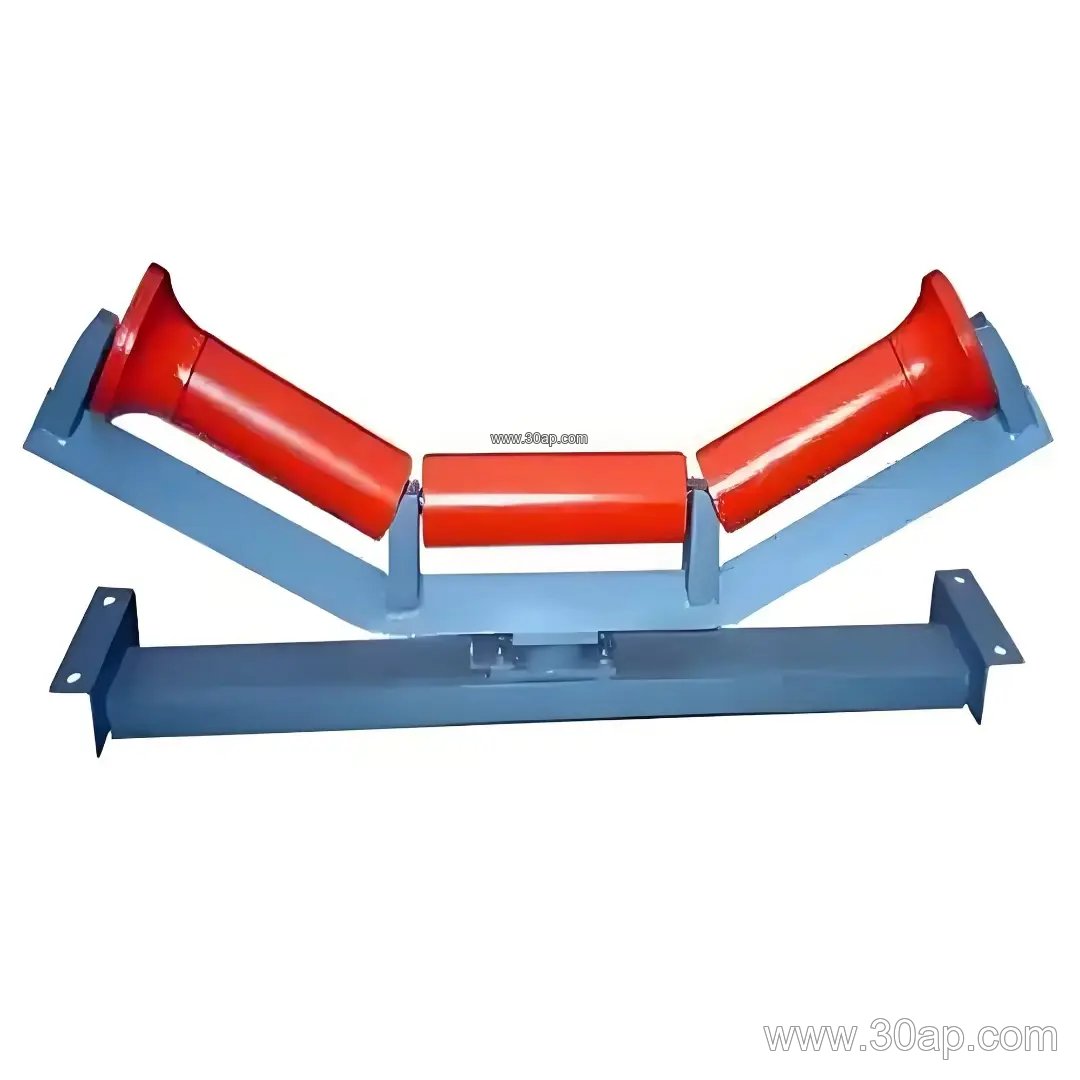
Typical reference data used during design includes:
| Parameter | Common Reference Range |
|---|---|
| Belt width | B500, B650, B800, B1000, B1200, B1400, B1600, B1800, B2000, B2200 |
| Trough angle | 20°, 30°, 35°, 45°; adjustable brackets can move between these |
| Roller diameter | Ø89, Ø108, Ø133, Ø159, Ø194 |
| Material | Angle steel, channel steel, folded steel plate |
| Typical bracket types | Troughing, transition, return, V-return, impact, self-aligning, suspended, adjustable |
These are reference values, not fixed pairings. A B1200 conveyor may run 35° troughs with Ø133 rollers on one section and 45° with a different roller size elsewhere, depending on belt stiffness and material behavior. Mounting hole spacing and crossbeam length usually change with belt width and trough angle, so they are confirmed per design rather than taken from a single table.
Where It Fits on the Conveyor
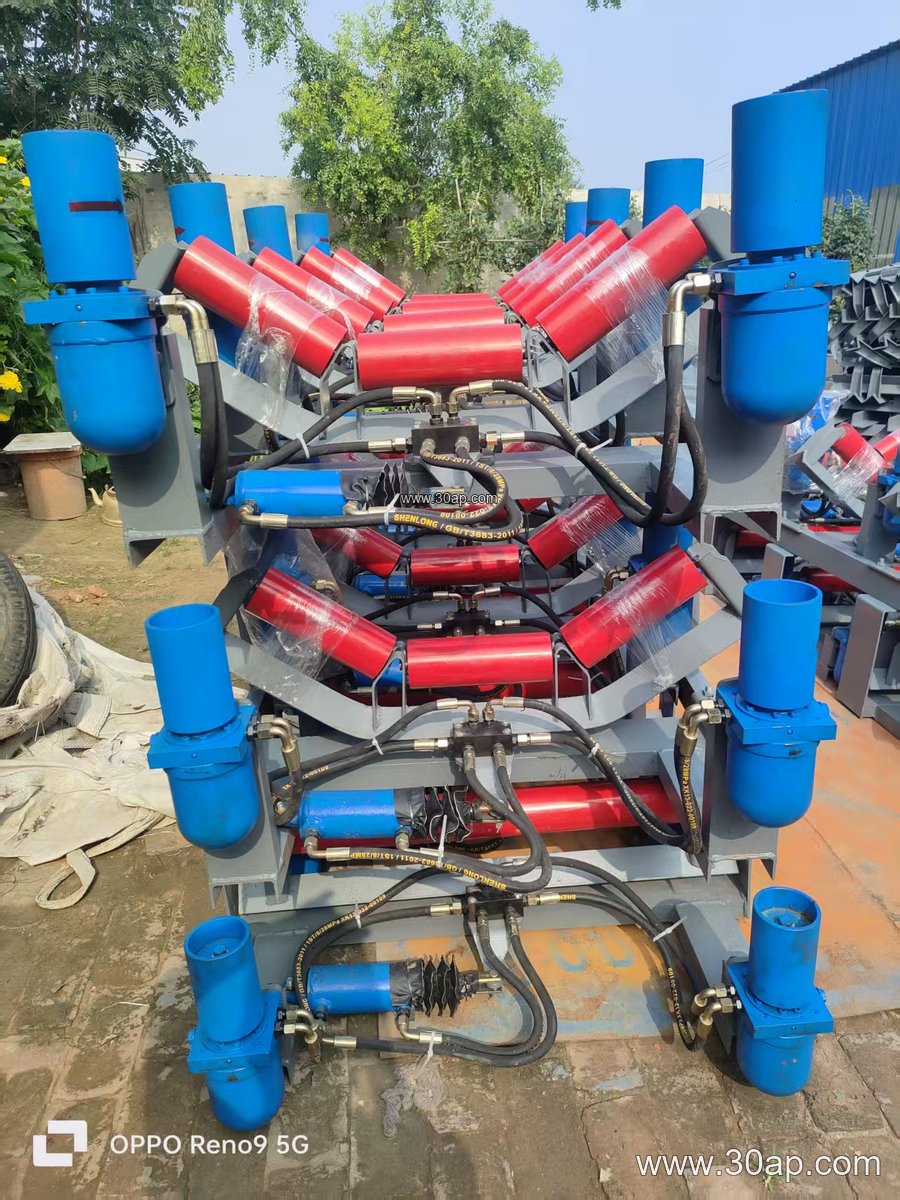
The bracket sits between the conveyor frame and the idler roller. Troughing and transition brackets shape the belt into a carrying profile; return brackets support the empty strand; impact brackets sit under the loading point to absorb falling material. In a limestone mine or an iron ore transfer station, impact and transition brackets often need extra attention because the belt is stiff and the drop height is significant.
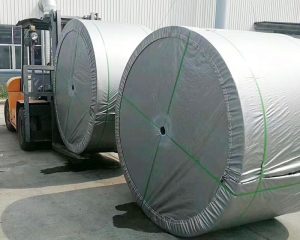
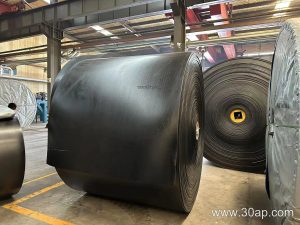
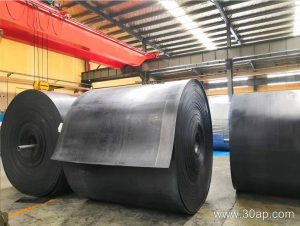
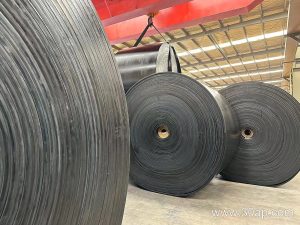
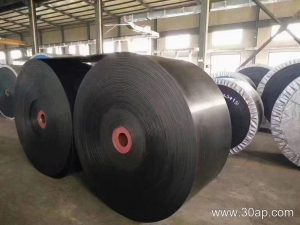
The bracket also works together with the conveyor belt and the conveyor pulley. A poorly aligned bracket can cause edge wear on a heavy-duty mining conveyor belt or a steel cord conveyor belt, even when the belt itself is correctly specified. For abrasive service, pairing a rigid bracket with a properly rated abrasion resistant conveyor belt reduces mistracking and edge damage.
Fixed or Adjustable
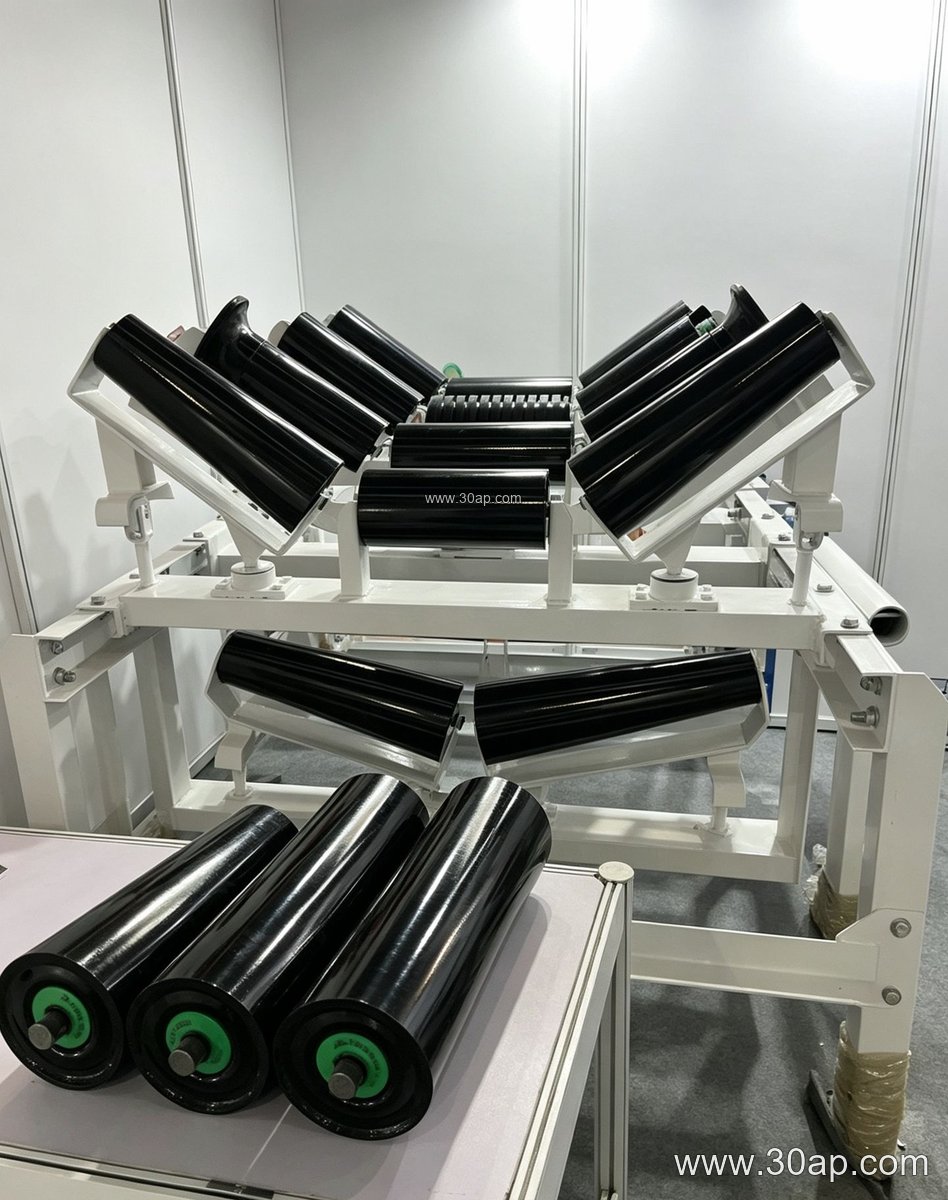
Fixed brackets hold one trough angle. Adjustable brackets allow the angle to be changed within a range, which is useful during commissioning or when material characteristics shift. A transition bracket is a separate subtype and is used to guide the belt gradually from flat to troughed; it is not a replacement for a standard troughing bracket. Likewise, a self-aligning bracket trains the belt and should not be treated as a substitute for a return bracket. Buyers should specify the exact subtype, because these parts are not interchangeable.
What Buyers Should Confirm Before Ordering
- Belt width and the actual frame hole spacing, measured on site.
- Roller diameter and the required trough angle, including whether adjustment is needed.
- Bracket subtype: troughing, transition, return, V-return, impact, self-aligning, suspended, or adjustable.
- Material and surface treatment suited to the environment, such as dusty coal handling or wet aggregate service.
- Whether the bracket will sit near a drive, tail, or bend pulley, since clearance and access differ at each location.
For a coal mining conveyor or an underground coal mining conveyor, flame retardant and anti-static properties usually apply to the belt, while the bracket is selected for strength, corrosion resistance, and ease of replacement. In a port or ship loading conveyor, the same bracket may be asked to handle salt air, so galvanizing or coating is worth discussing. None of these choices should be assumed; they are agreed with the supplier against the drawing.
Installation and Maintenance Notes
Keep brackets square to the frame and tighten fasteners to the specified torque. Check roller rotation after installation, because a bracket that is slightly out of line can cause a roller to drag. During routine inspections, look for bent flanges, elongated holes, and loose bolts, especially in crusher discharge and screening areas where vibration is constant. Replacing a worn bracket early is usually cheaper than replacing the belt or a conveyor pulley damaged by mistracking.
A non-standard conveyor bracket is a small part with a large influence on belt tracking, roller life, and downtime. Getting the drawing right at the start is the most reliable way to keep a quarry, cement plant, or power plant conveyor running smoothly.