What a Conveyor Drive Pulley Does
A conveyor drive pulley is the powered drum at the head of a belt conveyor that transmits torque from the gearbox or motor to the conveyor belt. Through friction between the pulley surface and the belt, it pulls the loaded belt forward and discharges material at the head end. In many plants the same component is simply called a head pulley or drive drum, and these names describe the same part. It is not a tail pulley or a bend pulley, which serve different positions and duties.
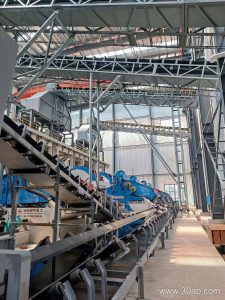
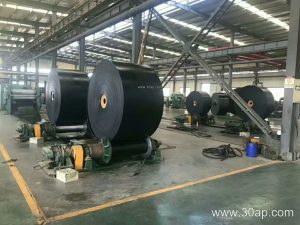
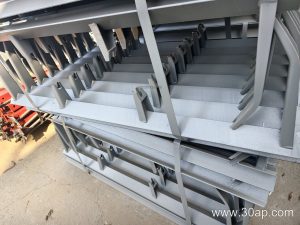
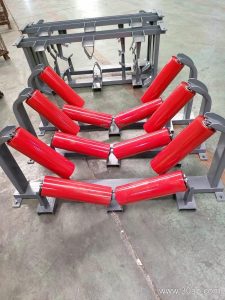
The drive pulley works together with the conveyor belt, carrying idlers and return idlers, and the conveyor bracket assemblies that hold the shaft bearings. In a quarry, limestone mine, coal washing plant, cement clinker line or power plant coal handling system, the drive pulley is usually the single most heavily loaded drum on the conveyor.
How the Drum Is Built
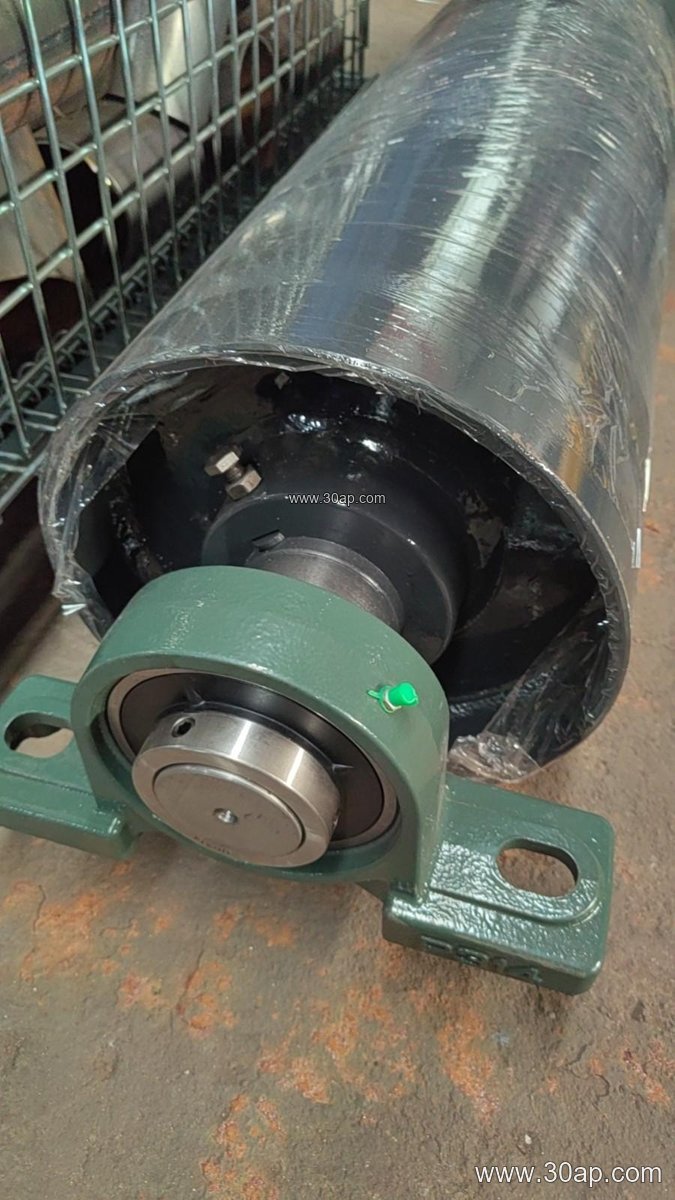
A typical drive pulley consists of a cylindrical shell, two end discs, a shaft, hub connections and a lagging layer. The shell is machined or rolled from steel plate; the shaft is sized by torque and radial load rather than by belt width alone. Common shaft diameters include Ø80, Ø100, Ø120, Ø140, Ø160 and Ø180, but the final value must follow the drive calculation.
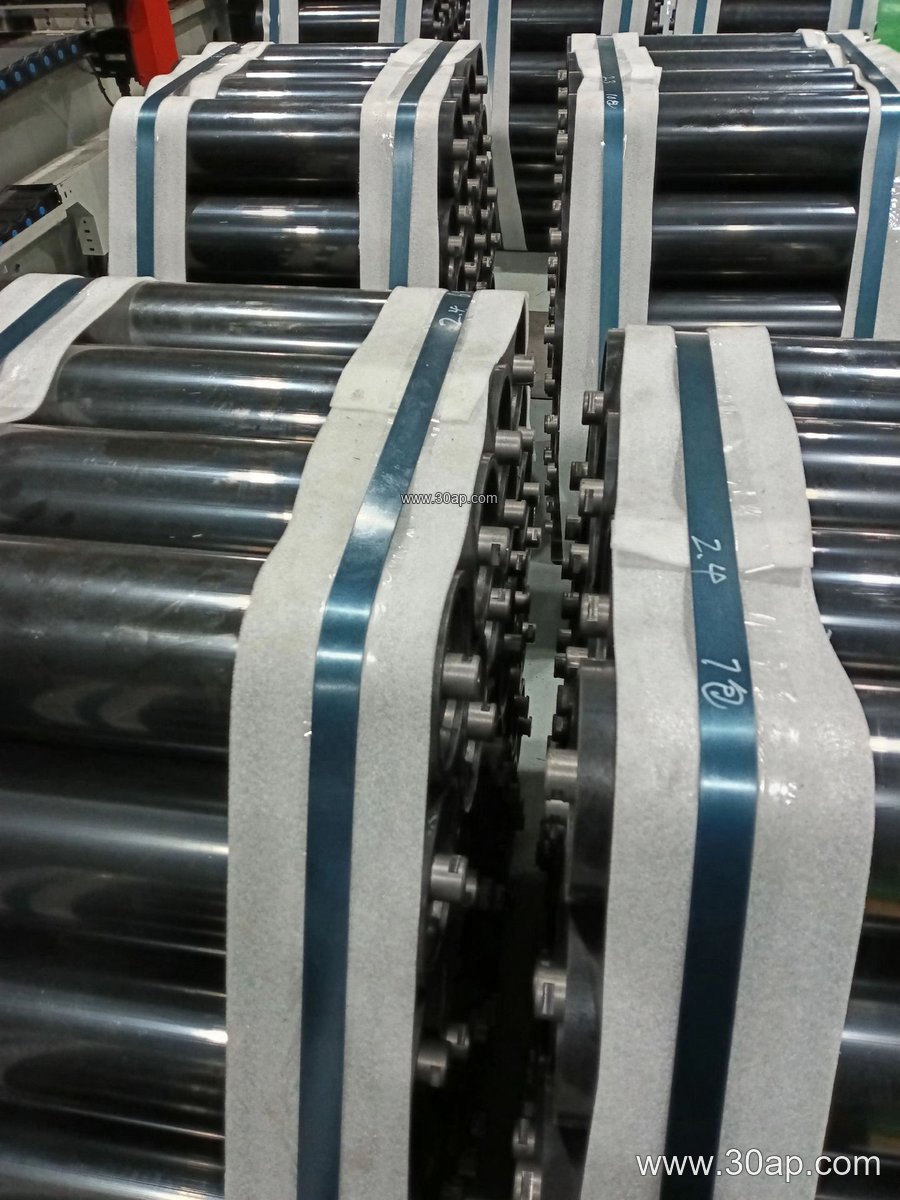
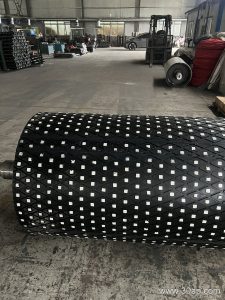
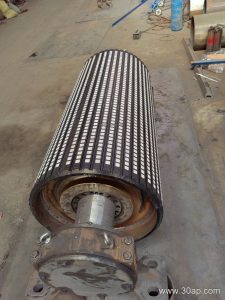
Lagging is the friction surface. Plain, cast rubber, cold-bonded rubber, hot-vulcanized rubber, diamond groove, herringbone groove and ceramic lagging are all used. Common lagging thicknesses are 8, 10, 12, 15 and 20 mm. Diamond or herringbone grooves help water and fine dust escape from the contact area, which matters in wet coal or slurry-adjacent service.
Matching Pulley Size to Belt Width
Belt width and pulley diameter are related through the belt path, wrap angle and tension, not through a fixed one-to-one rule. The pulley face is normally wider than the belt so the belt can run with a small margin. Reference combinations often seen in design drawings include B800 × Ø500, B1200 × Ø1000 and B1400 × Ø800, but a wider belt does not automatically require one specific diameter.
| Belt width | Typical pulley face width | Example diameter range |
|---|---|---|
| B500 | about 600 mm | Ø250 to Ø400 |
| B650 | about 750 mm | Ø315 to Ø500 |
| B800 | about 950 mm | Ø400 to Ø630 |
| B1000 | about 1150 mm | Ø500 to Ø800 |
| B1200 | about 1400 mm | Ø630 to Ø1000 |
| B1400 | about 1600 mm | Ø800 to Ø1250 |
| B1600 | about 1800 mm | Ø1000 to Ø1400 |
| B1800 | about 2000 mm | Ø1250 to Ø1600 |
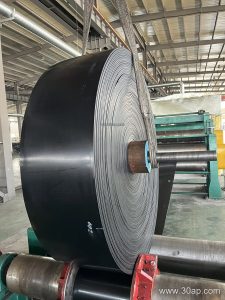
These are reference values only. Final selection depends on belt tension, wrap angle, motor power and the belt construction. A heavy-duty mining conveyor belt, a steel cord conveyor belt or a flame retardant conveyor belt for underground coal mining may each call for different safety factors on the same width.
Where It Is Installed
The drive pulley sits at the discharge end in most head-drive arrangements. In some tunnel spoil or aggregate line layouts, a drive drum may be placed at an intermediate point or combined with a tensioning function. Tail pulleys and bend pulleys remain separate parts: the tail pulley turns at the return end, while a bend pulley only changes belt direction. Confusing these positions leads to wrong lagging choice and premature belt wear.
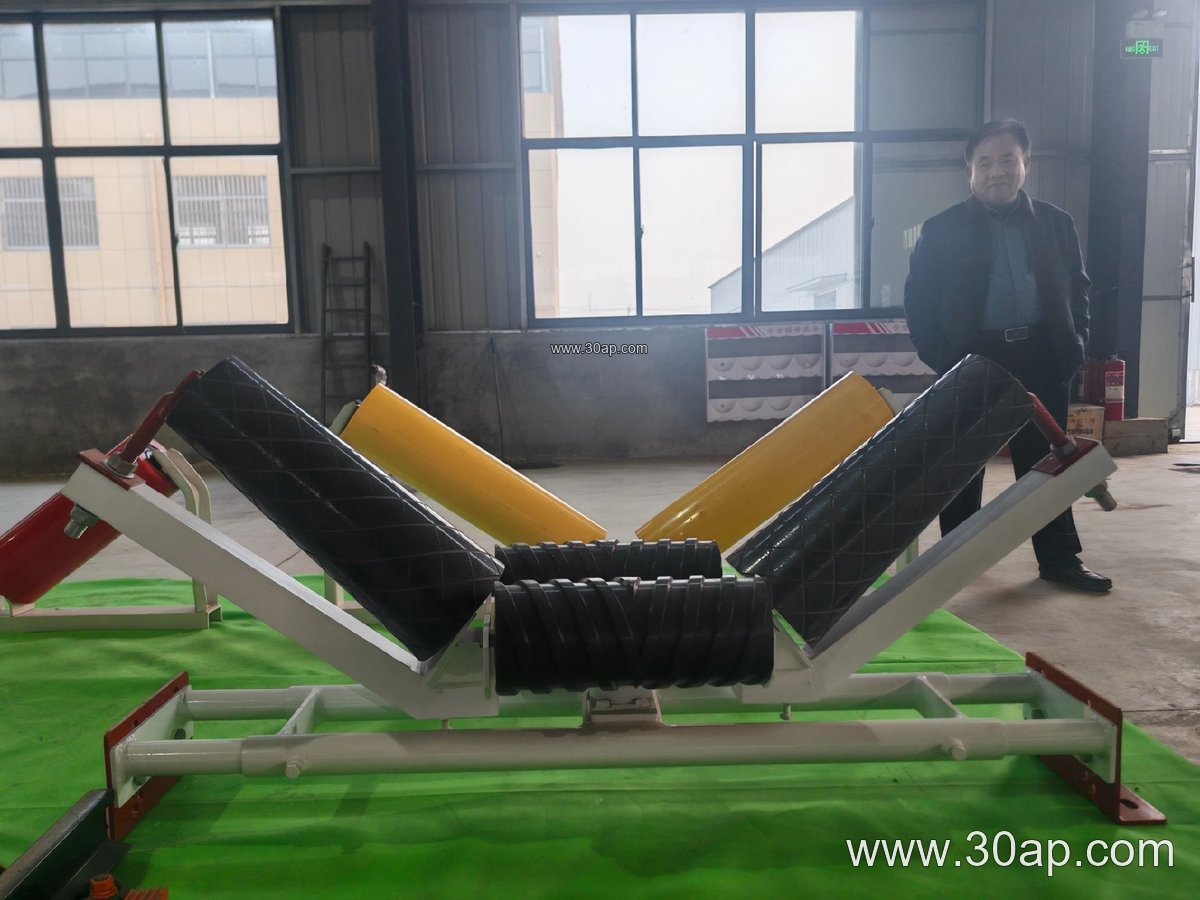
Typical duties include crushed stone, iron ore, cement clinker, coal, sand and gravel, and bulk port cargo. In dusty and abrasive service, ceramic lagging or thick hot-vulcanized rubber is common. In food or clean material handling, a smooth rubber or plain surface may be preferred to reduce material build-up.
What Buyers Should Confirm
- Shaft diameter and material grade, based on torque and bending load, not belt width alone.
- Lagging type and thickness, matched to whether the belt is wet, oily, abrasive or hot.
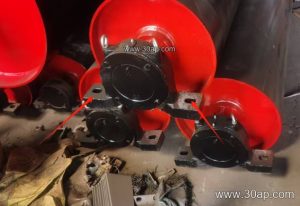
- Bearing type, bearing housing and whether the pulley is supplied with a take-up frame or bracket.
- Balance grade and run-out, especially for high-speed head drives on long overland conveyors.
- Compatibility with the belt: a very stiff steel cord belt or a chevron conveyor belt may need a larger diameter to control bending stress.
- Surface finish and groove pattern, since diamond lagging and plain lagging behave differently in wet conditions.
Good drawings should show the shell diameter, face width, shaft extension, keyway, lagging thickness and total mass. When in doubt, ask for the calculation basis rather than copying a size from another conveyor.
Maintenance Notes
Check lagging wear and groove depth at each shutdown. Worn lagging reduces friction and allows belt slip, which raises belt temperature and wear. Keep the pulley surface clean and confirm that the belt tracking is correct; misalignment loads one edge of the drum and shortens bearing life. Idler roller alignment and conveyor bracket condition also affect how evenly the belt enters the drive pulley.