What a Carbon Steel Conveyor Bracket Does
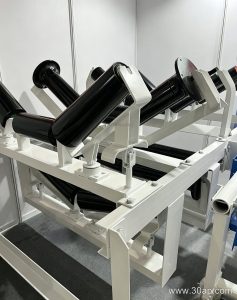
A carbon steel conveyor bracket is the structural support that positions idler rollers and holds the conveyor belt in its proper profile along the carrying and return runs. Often called a carbon steel bracket for conveyor idlers, it bridges the conveyor frame and the rotating components, so the belt tracks smoothly whether the system moves crushed stone, coal, clinker or iron ore. In a quarry, cement plant or power station coal yard, these brackets are the quiet workhorses that keep the belt line aligned and the material flowing.
The bracket is not a wear part in the same way as the belt or roller, but its rigidity and mounting accuracy directly affect belt life. A weak or misaligned bracket can cause edge damage, spillage and premature roller failure, which is why many bulk handling operations treat bracket condition as part of their weekly inspection round.
How the Bracket Is Built
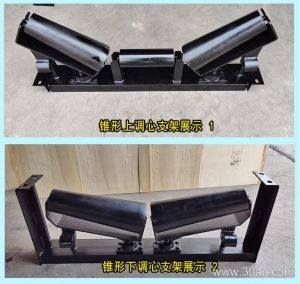
Most carbon steel conveyor brackets are fabricated from angle steel, channel steel or folded steel plate. The material is selected for stiffness and weldability rather than for corrosion resistance, so in wet or coastal plants a surface treatment such as painting or galvanizing is usually specified. The bracket is cut, drilled and welded to match the conveyor frame, with mounting holes positioned so the idler can be set at the required trough angle.
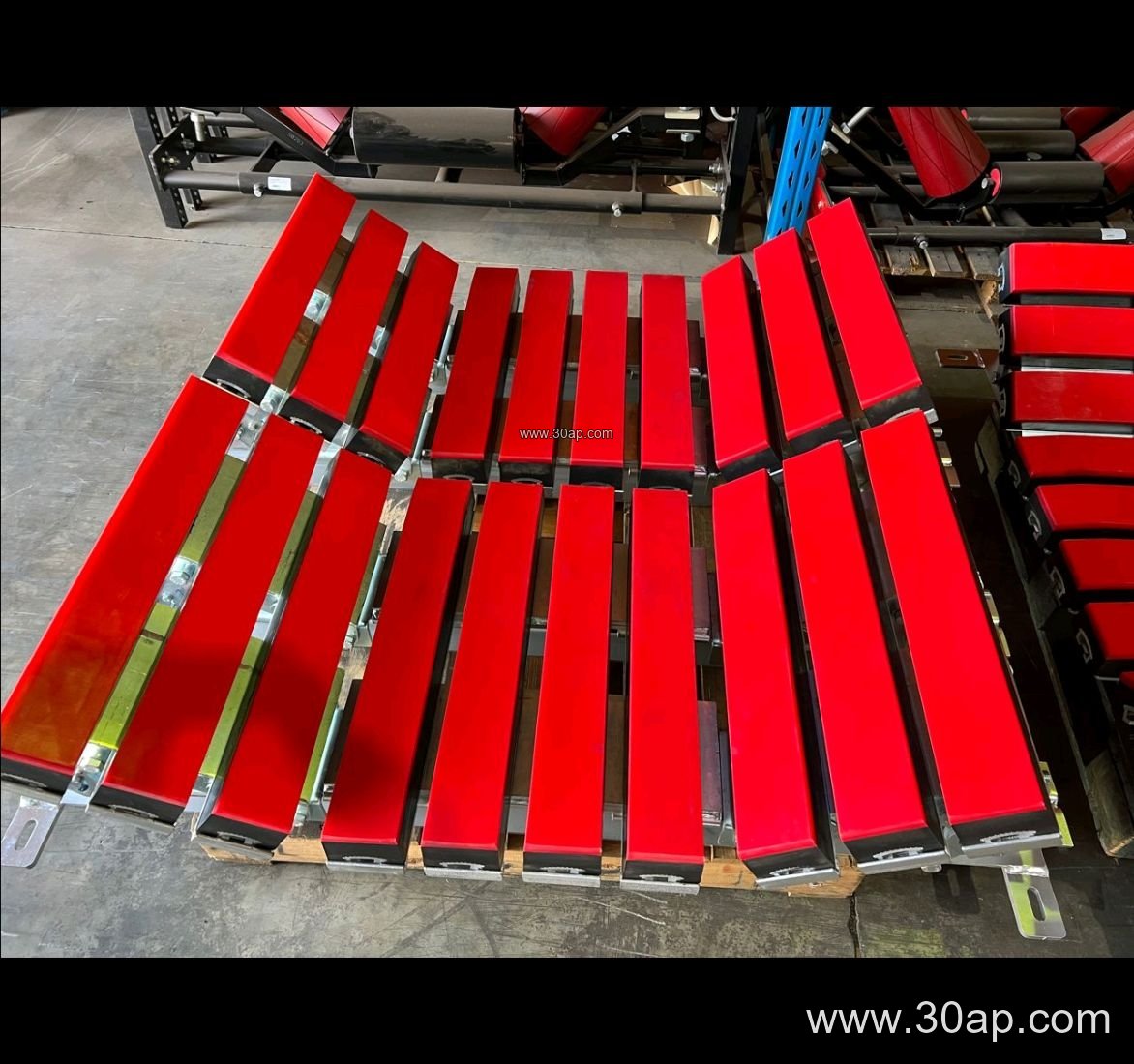
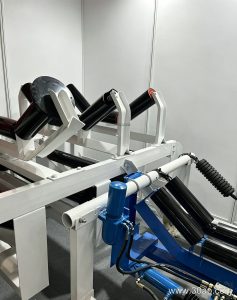
Typical forms include trough brackets for the carrying side, return brackets for the lower run, transition brackets near pulleys, and self-aligning or training brackets that help correct belt drift. Adjustable versions allow the trough angle to be changed on site, which is useful when a conveyor handles more than one material or when the belt needs fine tuning during commissioning.
Common bracket forms and reference data
| Bracket form | Typical use | Reference notes |
|---|---|---|
| Trough bracket (upper) | Carrying run, three-roller arrangement | Trough angles commonly 20°, 30°, 35° or 45°; adjustable versions can move between these angles |
| Return bracket (lower flat) | Return run support | Flat or V-return arrangement depending on belt width and load |
| Transition bracket | Approach to drive, tail and bend pulleys | Helps control belt path between the last trough station and the pulley |
| Self-aligning bracket | Belt tracking correction | Often combined with forward-leaning idlers, typically about 1.5° to 2° |
| Impact bracket | Load point under crusher or transfer chute | Fitted with impact rollers or cushioning to absorb falling material energy |
Belt widths from B500 to B2200 are commonly referenced, and roller diameters such as Ø89, Ø108, Ø133, Ø159 and Ø194 appear across these ranges. A bracket might be described as B800, 35°, Ø108 or B1200, 45°, Ø133, but these are design examples rather than fixed rules. Hole spacing and crossbeam length change with belt width, trough angle and frame design, so each bracket should be confirmed against the conveyor layout.
Where It Fits in the Conveyor System
The bracket sits between the conveyor frame and the idler roller, and it also influences how the conveyor belt behaves at transfer points and curves. In a limestone mine, for example, a transition bracket near the tail pulley can reduce belt stress when the belt opens from a flat profile into a deep trough. In a coal-fired power plant, self-aligning brackets help keep the belt centered on long inclined runs where wind and uneven loading can cause drift.
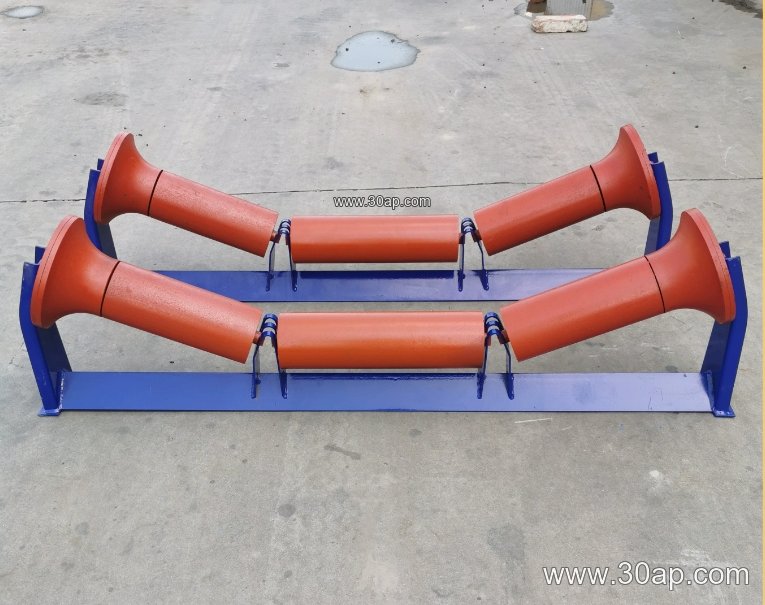
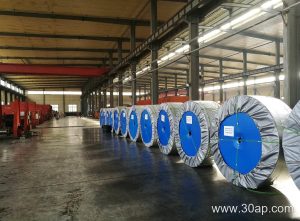
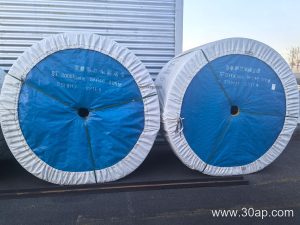
Brackets are often used alongside a range of belt types, including EP conveyor belt, steel cord conveyor belt and flame retardant conveyor belt for underground or enclosed galleries. The bracket does not change the belt specification, but a rigid, well-aligned support helps any belt run closer to its design life.
Buyer Checklist for Carbon Steel Conveyor Brackets
Before ordering, confirm the conveyor width, trough angle and roller diameter, then check the frame drawing for hole centers and mounting method. Ask whether the bracket is fixed or adjustable, and whether it is intended for carrying, return, transition or training duty. Surface treatment matters in wet or dusty plants, and weld quality should be inspected for undercut or poor penetration.
- Match bracket form to the station duty, not just to the belt width.
- Confirm roller diameter and trough angle with the idler supplier.
- Check that hole spacing agrees with the existing frame before replacement.
- Consider adjustable brackets where future material changes are likely.
- Keep spare brackets for high-wear zones such as load points and transition areas.
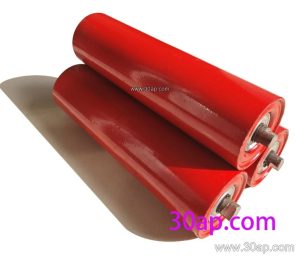
For a replacement project, measure the old bracket and note the frame hole pattern rather than relying on a nominal size alone. A bracket that is close but not exact can force the idler out of line and shorten belt life. Used with the right conveyor pulley and idler roller, a well-made carbon steel conveyor bracket keeps the whole belt line running straight and steady.