What the ST1250 Conveyor Belt Is
The ST1250 conveyor belt is a steel-cord conveyor belt with a nominal tensile strength of 1250 N/mm. In plant documentation it is also written as an ST1250 steel cord belt or ST1250 steel-cord-reinforced conveyor belt. The “ST” prefix points to the steel cord carcass, and 1250 is the strength class, not a belt width. This belt belongs to the high-strength end of the steel cord family, so it is chosen where a single long flight must carry a heavy load with limited take-up travel and low stretch.
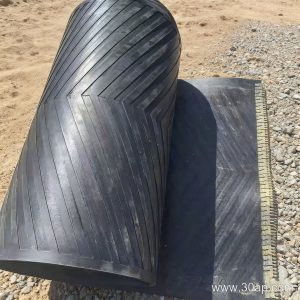
Because the carcass is made of parallel steel cords rather than fabric plies, the belt behaves differently from EP or NN nylon belts. It has very low elongation under load, excellent longitudinal stiffness, and good resistance to impact and tearing when the cover compound is selected correctly. That combination is why it appears in primary crushing circuits, long overland lines, and high-tonnage transport in mining, coal preparation, cement plants, power stations, and sand and gravel yards.
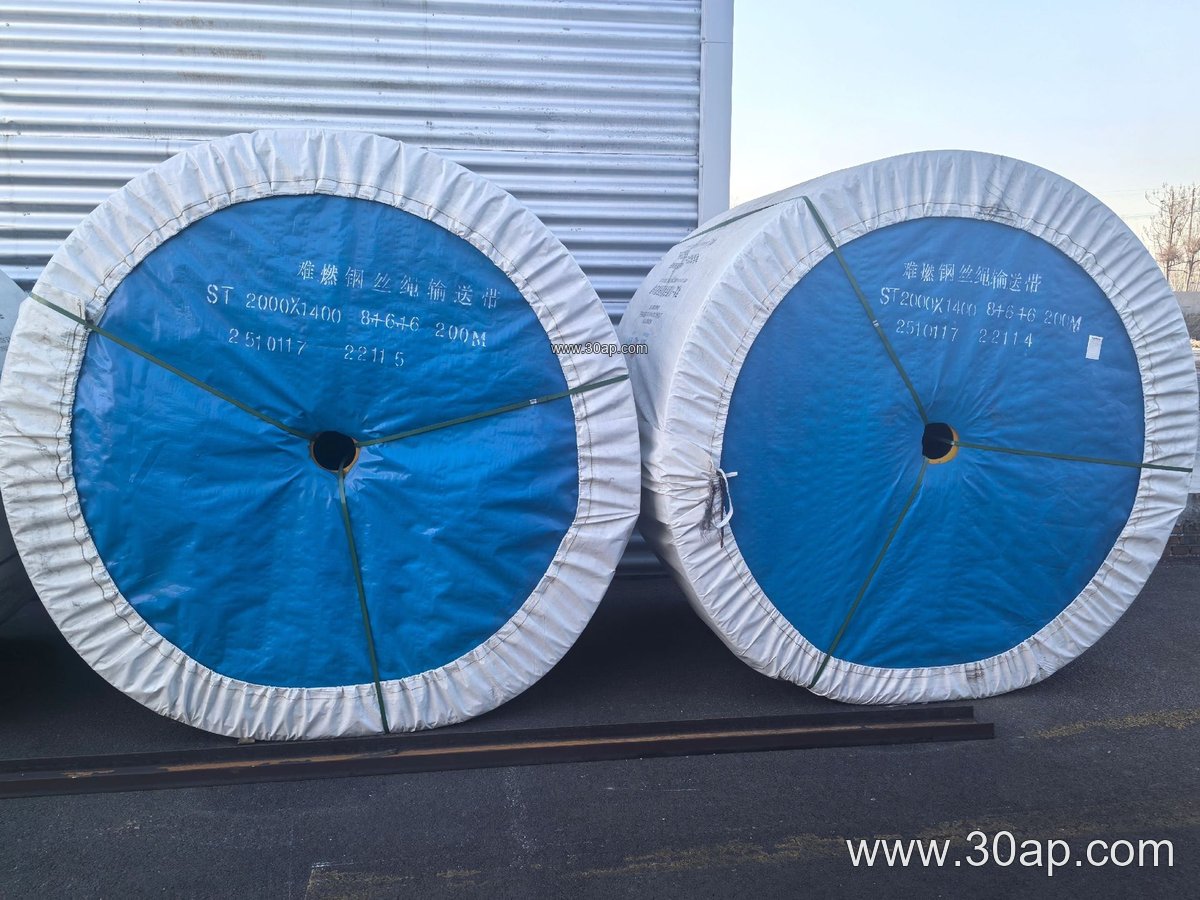
Construction and Typical Build
A steel cord belt is built around a single layer of brass-plated steel cords, spaced evenly and embedded in a bonding rubber. Top and bottom cover rubber protect the cords from abrasion, moisture, and oils, while the edge rubber seals the carcass. The ST1250 Conveyor Belt is usually produced with cover grades matched to the duty: abrasion-resistant, heat-resistant, oil-resistant, flame-retardant and antistatic for underground coal, or cold-resistant for northern sites.
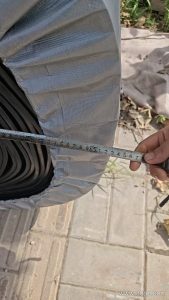
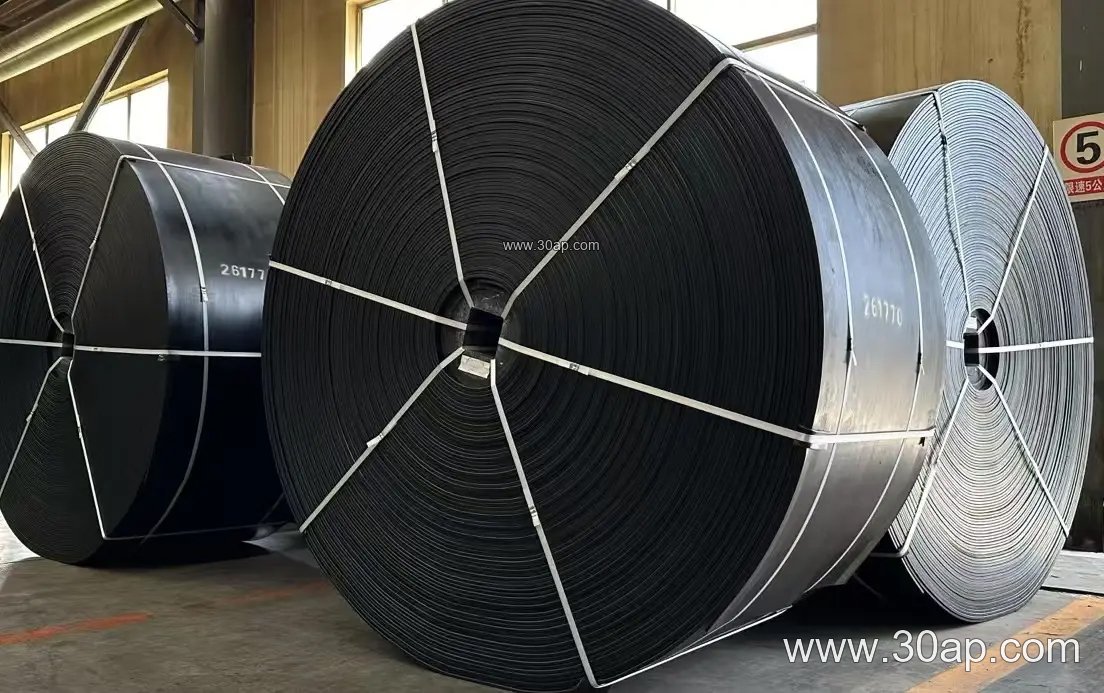
Common cover thickness combinations include 4+2 mm, 5+2 mm, 6+2 mm, and 8+3 mm, where the first figure is the top cover and the second is the bottom cover. Heavier top covers are normal at transfer points and primary crushing, while a thinner bottom cover is often enough on clean carrying runs. Actual cord pitch, cord diameter, and total belt thickness are set by the manufacturer for each strength class, so the data sheet should always be checked rather than assumed.
Widths and Strength Reference
Belt width is selected from the required capacity, lump size, and troughing angle, not from the strength class alone. The table below gives reference values often seen in catalogues; final sizes follow the design of the conveyor.
| Item | Reference Values |
|---|---|
| Strength class | ST1250 (1250 N/mm) |
| Common belt widths | B800, B1000, B1200, B1400, B1600, B1800, B2000 |
| Cover thickness examples | 4+2 mm, 5+2 mm, 6+2 mm, 8+3 mm |
| Cover grades | Abrasion-resistant, heat-resistant, oil-resistant, flame-retardant, antistatic, cold-resistant |
For comparison, an EP1000 or EP1250 fabric belt may suit medium-duty lines, but it stretches more and needs more take-up. A higher steel cord class such as ST1600 or ST2000 is used when the duty exceeds ST1250. These are alternatives for different duties, not substitutes for the same specification.
Where It Fits in the Conveyor
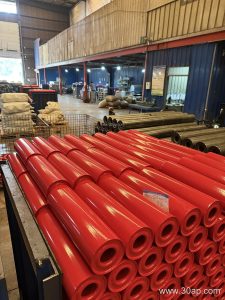
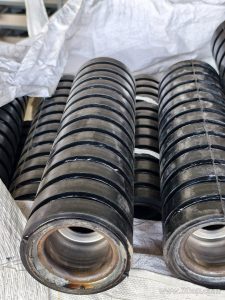
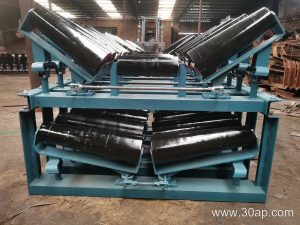
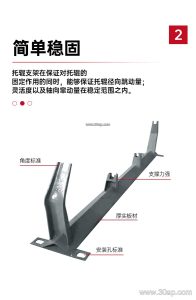
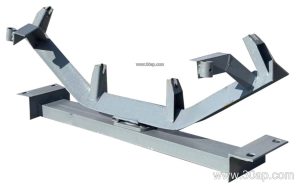
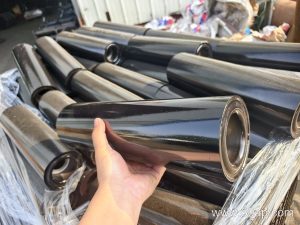
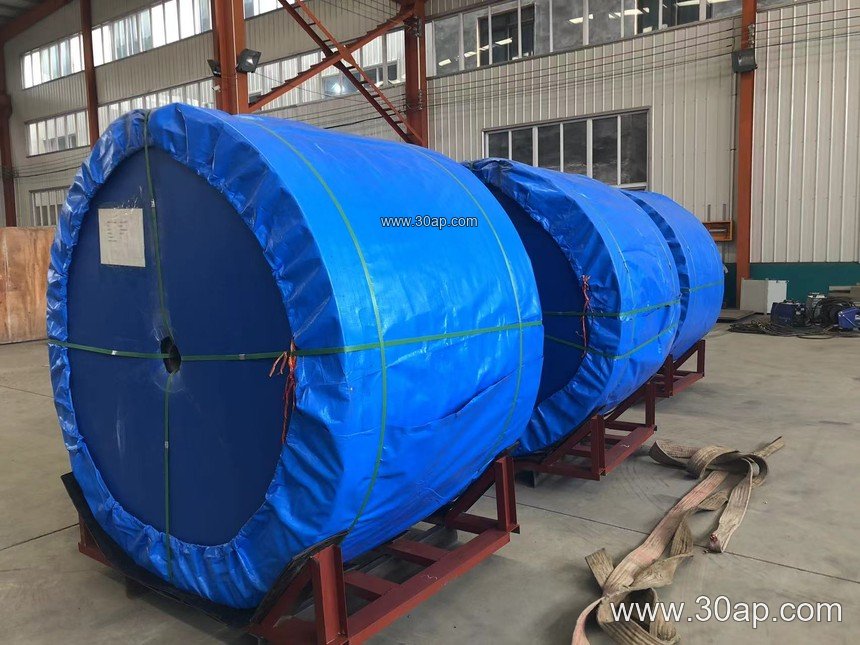
The belt works with the rest of the conveyor system, and matching components matters. A conveyor pulley at the drive and tail ends should be sized for the belt tension and carcass stiffness, and the drive pulley lagging should suit the ambient conditions. Idler roller spacing, trough angle, and roll diameter affect belt training and cover wear, especially on curved or inclined routes. Conveyor bracket frames must hold the idlers square to the belt centerline so the steel cords are not forced to steer the belt.
Typical installations include mine shaft and drift conveyors, coal handling from stockyard to boiler, clinker and limestone transport in cement works, and long distance sand and gravel lines. In these plants the belt often runs at high tension, so splice quality and pulley alignment have a direct effect on service life.
Buyer Checklist
- Confirm the required strength class and whether ST1250 is enough for the calculated tension, including starting and stopping loads.
- State the material, lump size, temperature, and any oil, chemical, or fire risk so the cover grade is correct.
- Give belt width, cover thickness, and edge condition, and ask for the manufacturer’s cord data and belt weight per meter.
- Check that drive pulley, tail pulley, bend pulley, idler roller, and conveyor bracket details are consistent with the belt thickness and tension.
- Agree on splicing method, storage conditions, and inspection intervals before delivery.
Handled well, an ST1250 Conveyor Belt gives a long, stable run in demanding bulk handling duty. The key is to treat the belt, pulleys, idlers, and frame as one system and to verify every parameter against the actual conveyor design.