What the Conveyor Carrying Bracket Does
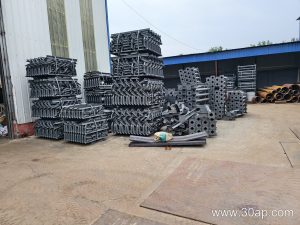
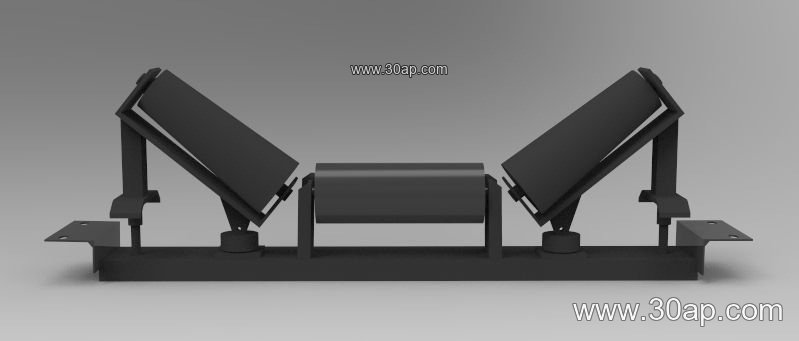
A conveyor carrying bracket is the structural support that holds the carrying-side idlers in position along a belt conveyor. In everyday plant language it is often shortened to carrying bracket or idler frame, and it sits between the conveyor stringers, forming the trough that keeps bulk material centered on the belt. Whether the line moves limestone in a quarry, coal in a washing plant, clinker in a cement works, or ore in a crushing circuit, the carrying bracket is the part that turns a loose conveyor belt into a controlled conveying surface.
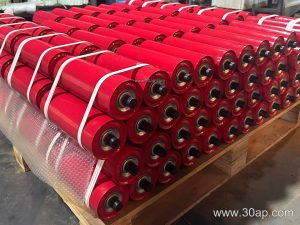
The bracket does not move material by itself. Its job is to locate the idler roller at the correct angle and spacing so the belt keeps its shape under load. A well-built bracket keeps the trough consistent, reduces belt wander, and lets the rollers turn freely without binding.
How a Carrying Bracket Is Built
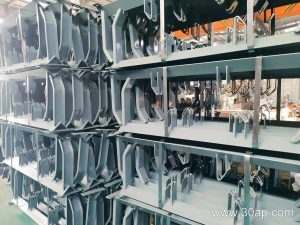
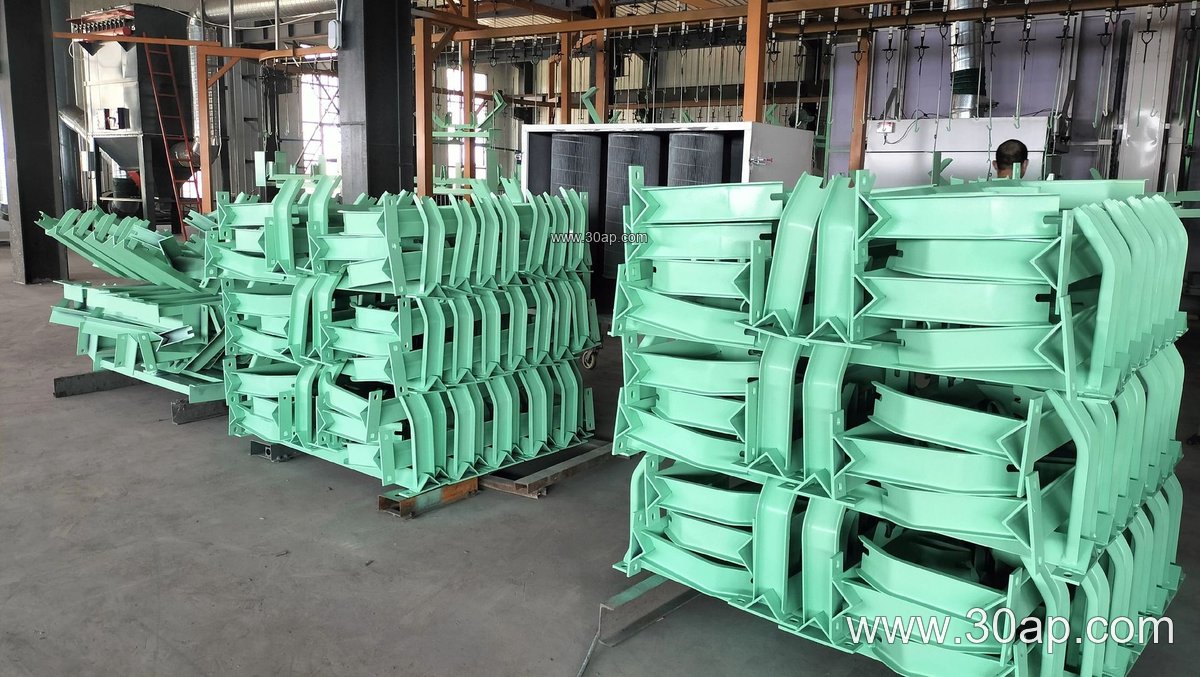
Most carrying brackets are fabricated from angle steel, channel steel, or folded steel plate. The frame usually consists of a cross beam plus two or three inclined arms that set the trough angle. Roller seats are punched or drilled to match the shaft ends of the idlers, and the whole assembly is bolted to the conveyor stringer.
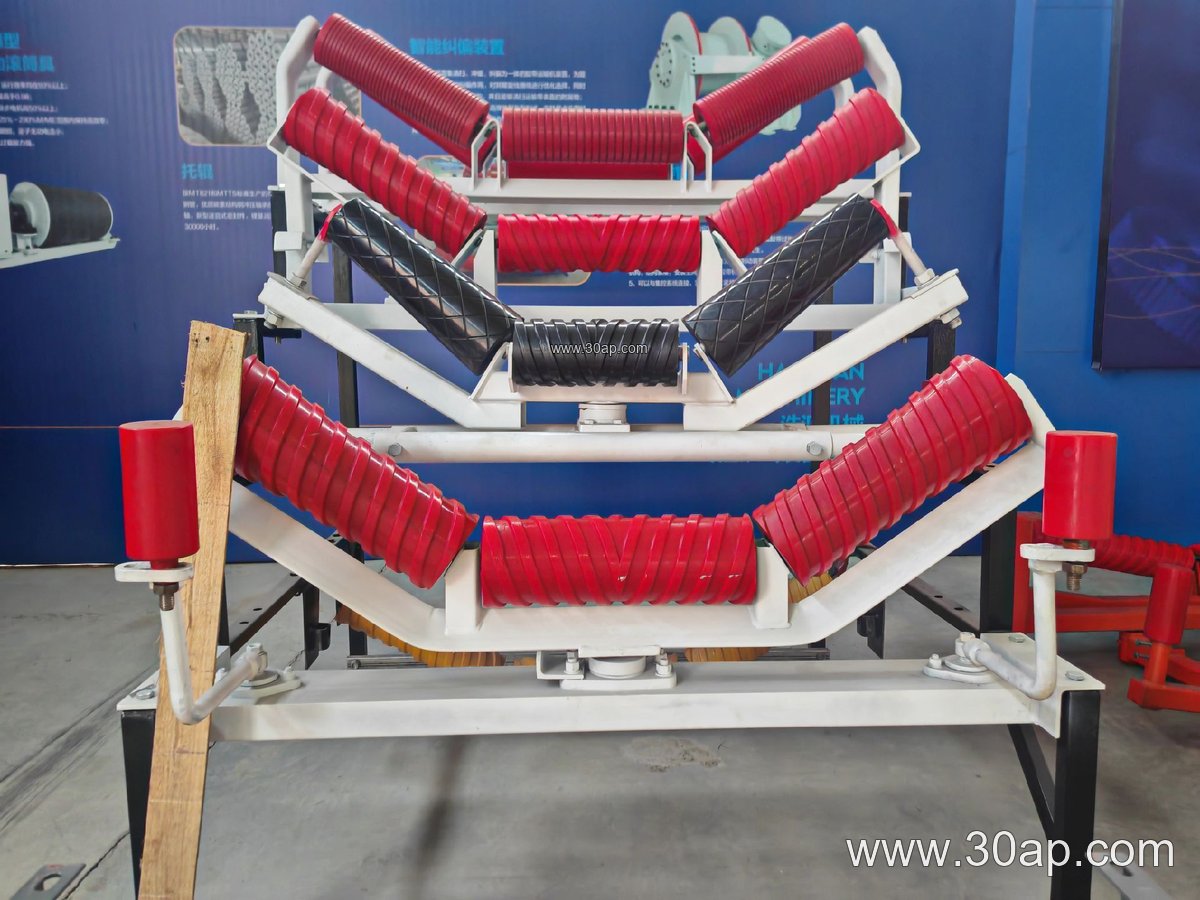
Common forms include fixed trough brackets, transition brackets near the tail, and adjustable brackets that allow the trough angle to be changed on site. A front-leaning version is sometimes used to give the idlers a slight forward tilt, typically around 1.5 to 2 degrees, which helps the belt track straighter. Impact brackets with cushioning are used under loading points, while self-aligning brackets are chosen where belt misalignment is a recurring concern.
Matching Bracket, Belt Width and Roller Diameter
Bracket geometry follows belt width and trough angle, and the roller diameter must suit the load and belt speed. There is no single fixed pairing of belt width to roller size; the table below shows typical reference combinations, not mandatory specifications.
| Belt Width | Trough Angle | Typical Roller Diameter |
|---|---|---|
| B500 | 20 degrees | Ø89 |
| B650 | 30 degrees | Ø89 |
| B800 | 35 degrees | Ø108 |
| B1000 | 35 degrees | Ø108 |
| B1200 | 45 degrees | Ø133 |
| B1400 | 45 degrees | Ø133 |
| B1600 | 35 degrees | Ø159 |
| B1800 | 45 degrees | Ø159 |
| B2000 | 45 degrees | Ø194 |
Installation hole spacing and cross beam length change with belt width and trough angle, so they should be confirmed against the conveyor design rather than assumed. The same bracket family can serve a range of widths when the beam and arms are sized accordingly.
Where It Fits on the Conveyor
Carrying brackets are installed along the load-carrying run, spaced according to belt sag limits and material weight. They are common in quarry and aggregate lines, coal handling systems, cement plants, power station coal yards, and iron ore or copper ore concentrators. In a crushing and screening circuit, a heavy-duty carrying bracket under the crusher discharge protects both the belt and the rollers from impact and misalignment.
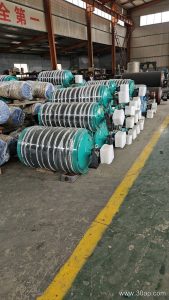
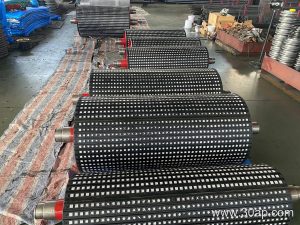
On the return side, a different frame is used, so the carrying bracket should not be confused with return brackets or with the conveyor pulley assemblies at the drive and tail. Those are separate components with separate duties.
Buyer Checklist
- Confirm belt width, trough angle, and roller diameter before ordering.
- State the material and loading condition, since impact and abrasion levels affect frame choice.
- Ask for the mounting hole pattern and beam length for your stringer spacing.
- Check whether a fixed, adjustable, or front-leaning bracket suits the tracking behavior of the line.
- Match bracket finish and steel thickness to the site environment, especially in dusty or wet plants.
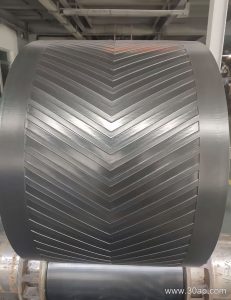
When the carrying bracket, idlers, and belt are selected together, a conveyor runs with less spillage and longer roller life. For lines handling abrasive bulk material such as a Mining Conveyor Belt duty, the bracket should be sized for the actual load rather than the lightest option. A correctly specified carrying bracket is a small part of the total cost but a large part of daily reliability.