What the EP630 Conveyor Belt Is
The EP630 Conveyor Belt is a multi-ply fabric core belt built around polyester (EP) warp and nylon weft fabric. Its designation places it in the EP series, where the number indicates the nominal tensile strength per unit width in newtons per millimeter. In practical terms, an EP630 belt sits in the medium-to-high strength band of fabric-reinforced belting, making it a common choice for main haulage and high-load transfer points in mines, cement works, power stations, and aggregate plants. It is an EP Conveyor Belt in the full sense: the carcass carries the tension, while the rubber covers protect the fabric from abrasion, impact, and the environment.
Buyers often compare it with an NN Conveyor Belt. Both are fabric core constructions, but EP fabric generally offers lower elongation and better resistance to moisture in the carcass. Where an application needs far higher tension than fabric can provide, a Steel Cord Conveyor Belt may enter the discussion, but that is a different product family and not a substitute for the EP630 specification itself.
Construction and Typical Build
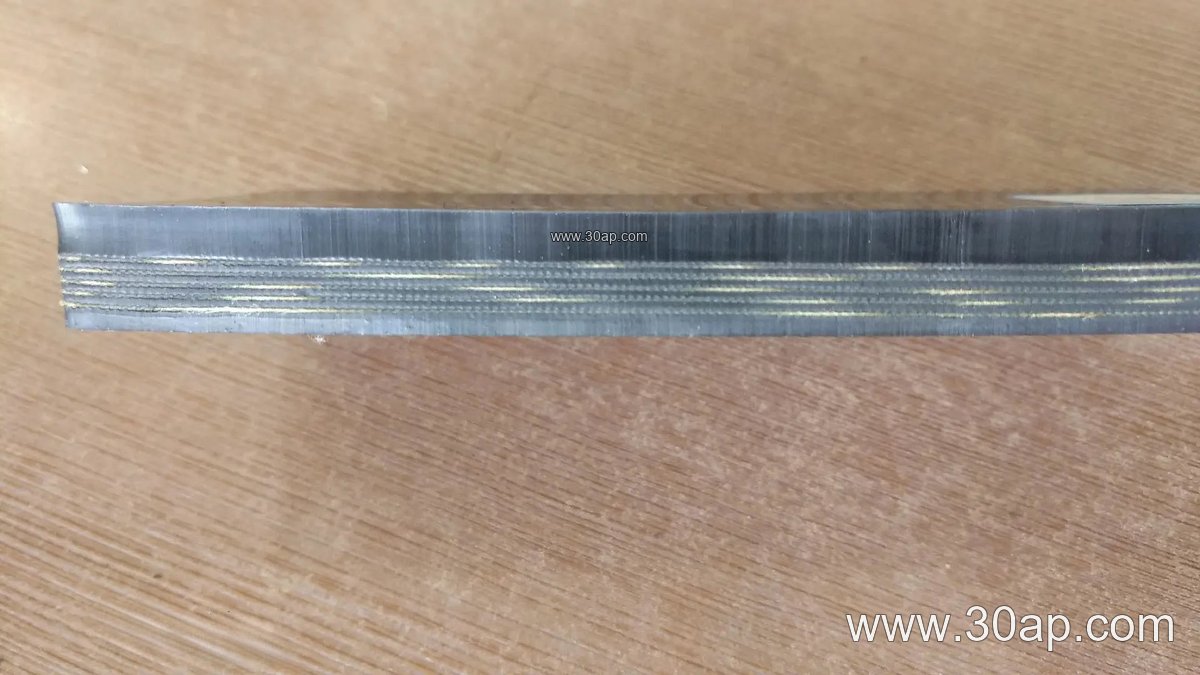
An EP630 belt usually consists of two to five plies of EP fabric, sandwiched between top and bottom rubber covers. Cover thickness is selected by duty: common combinations include 4+2 mm, 5+2 mm, and 6+2 mm for abrasive bulk materials, while lighter builds such as 3+1.5 mm appear on less demanding runs. The carcass plies are bonded with skim rubber, and the whole belt is vulcanized into a single body.
Edge construction matters as much as the middle. Cut edges are common in general industry; moulded edges are preferred where the belt must resist ingress of water, fines, or oil. For a coal mining conveyor belt or an underground coal mining conveyor belt, flame retardant and anti-static properties are often specified alongside the EP carcass. These are separate performance requirements from tensile strength and should be stated clearly in any enquiry.
Where It Fits in the Plant
Typical duty for EP630 belting includes primary and secondary crushing circuits, stockyard reclaim, and long overland conveyors in quarry, iron ore, and copper ore operations. In cement plants it moves clinker, limestone, and raw meal; in power plants it handles coal and ash. A crusher conveyor belt or a heavy-duty mining conveyor belt at a transfer point will often use this strength class with thicker covers to absorb impact.
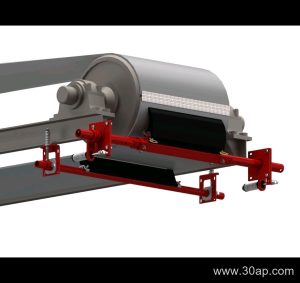
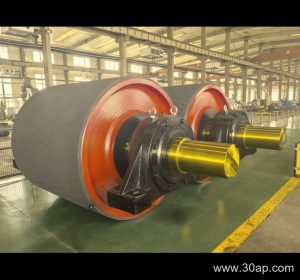
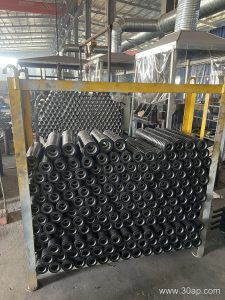
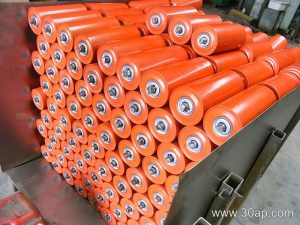
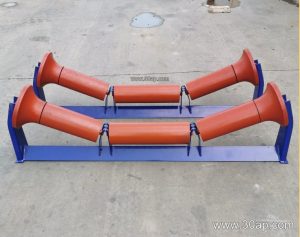
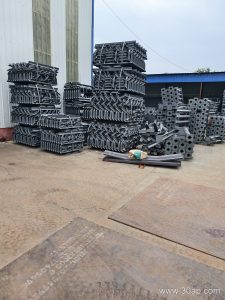
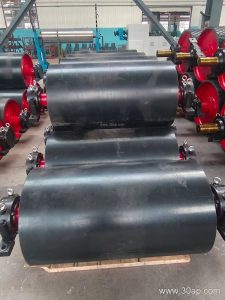
The belt does not work alone. It runs over conveyor pulley assemblies, is supported by idler roller sets, and is held in alignment by conveyor bracket and frame structures. Drive pulleys, tail pulleys, and bend pulleys each have distinct roles and are not interchangeable; the belt specification must be matched to the pulley diameters and trough angles chosen by the conveyor designer, not the other way around.
Specifications a Buyer Should Confirm
Data below are reference ranges only. Actual values depend on the manufacturer and the project design.
| Parameter | Typical reference values |
|---|---|
| Strength grade | EP200, EP315, EP400, EP500, EP630, EP800, EP1000, EP1250 |
| Belt width | B500, B650, B800, B1000, B1200, B1400, B1600, B1800 |
| Cover thickness | 3+1.5 mm, 4+2 mm, 5+2 mm, 6+2 mm, 8+3 mm |
| Carcass plies | 2 to 6 plies, by design |
Width and strength class do not dictate a single pulley diameter; the conveyor designer confirms that combination. Likewise, no fixed shaft size should be assumed from belt width alone. State the material, lump size, capacity, trough angle, and ambient conditions so the belt can be specified properly.
Cover Grade and Environmental Choices
The EP630 carcass can be paired with several cover grades. Abrasion resistant conveyor belt covers suit sand, gravel, and stone; heat resistant conveyor belt grades are used near clinker or sinter; oil resistant conveyor belt covers handle oily scrap and certain mineral loads. In cold climates a cold resistant conveyor belt compound helps avoid cracking, while a flame retardant conveyor belt or fire resistant conveyor belt build is often required in coal and underground duty. For food or clean handling, a food grade conveyor belt compound is available, though that is a separate selection path.
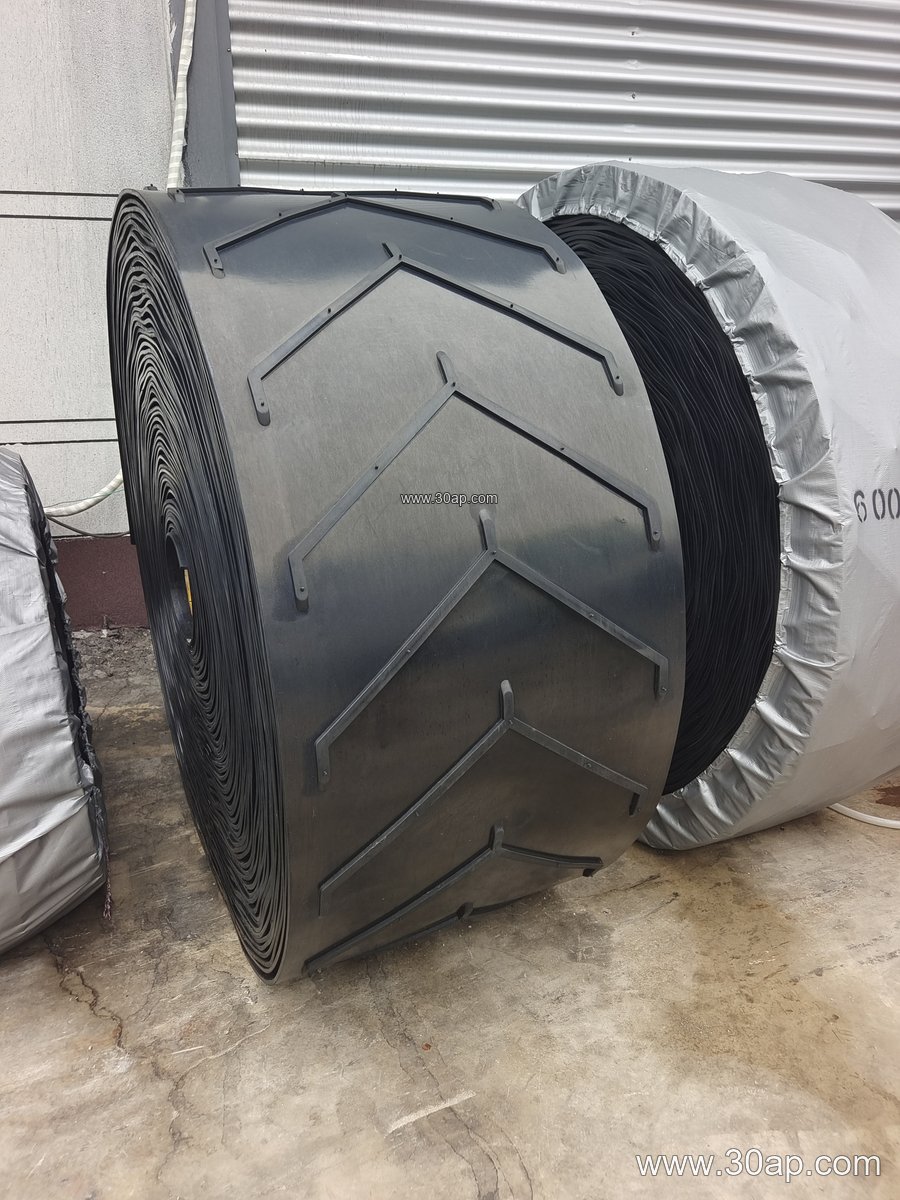
Where the route includes steep inclines, a chevron conveyor belt or corrugated sidewall conveyor belt profile may be considered instead of a flat belt; these are different constructions and should not be assumed as direct replacements for a standard EP630 belt.
Installation and Maintenance Notes
- Check pulley alignment and idler roller freedom before fitting a new belt; misalignment shortens belt life more than load does.
- Keep the belt tracking straight through the conveyor bracket and frame.
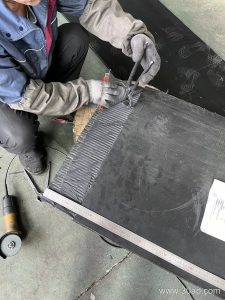
- Inspect splice quality, especially on high-tension EP630 runs.
- Match cover grade to the actual material, not to a general description.
- Store belts on a dry, shaded surface and avoid sharp folds.
An EP630 conveyor belt is a workhorse choice for plants that need more strength than a light fabric belt but do not require steel cord construction. Correct selection of carcass, cover, and width, together with sound pulley and idler practice, gives the best service life.