What Conveyor Bracket Fabrication Involves
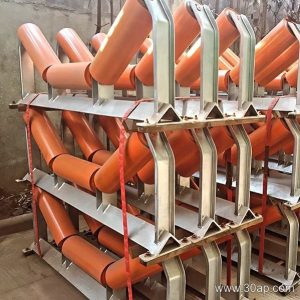
Conveyor bracket fabrication is the process of cutting, forming, and welding the structural supports that hold idler rollers and maintain proper belt alignment along a conveyor system. In a quarry, a coal preparation plant, or a cement production line, these brackets—often called conveyor brackets or idler brackets—are the interface between the stationary frame and the rotating components. A well-fabricated bracket keeps the conveyor belt tracking correctly, reduces vibration, and extends the service life of both rollers and belting.
Unlike a drive pulley or a tail pulley, which transmit power and change belt direction, the bracket does not move. Its job is positional: it locates a troughing idler at a specific angle so the belt forms the right cross-section for the material being carried. Fabrication therefore focuses on dimensional accuracy, weld quality, and corrosion protection rather than dynamic balance.
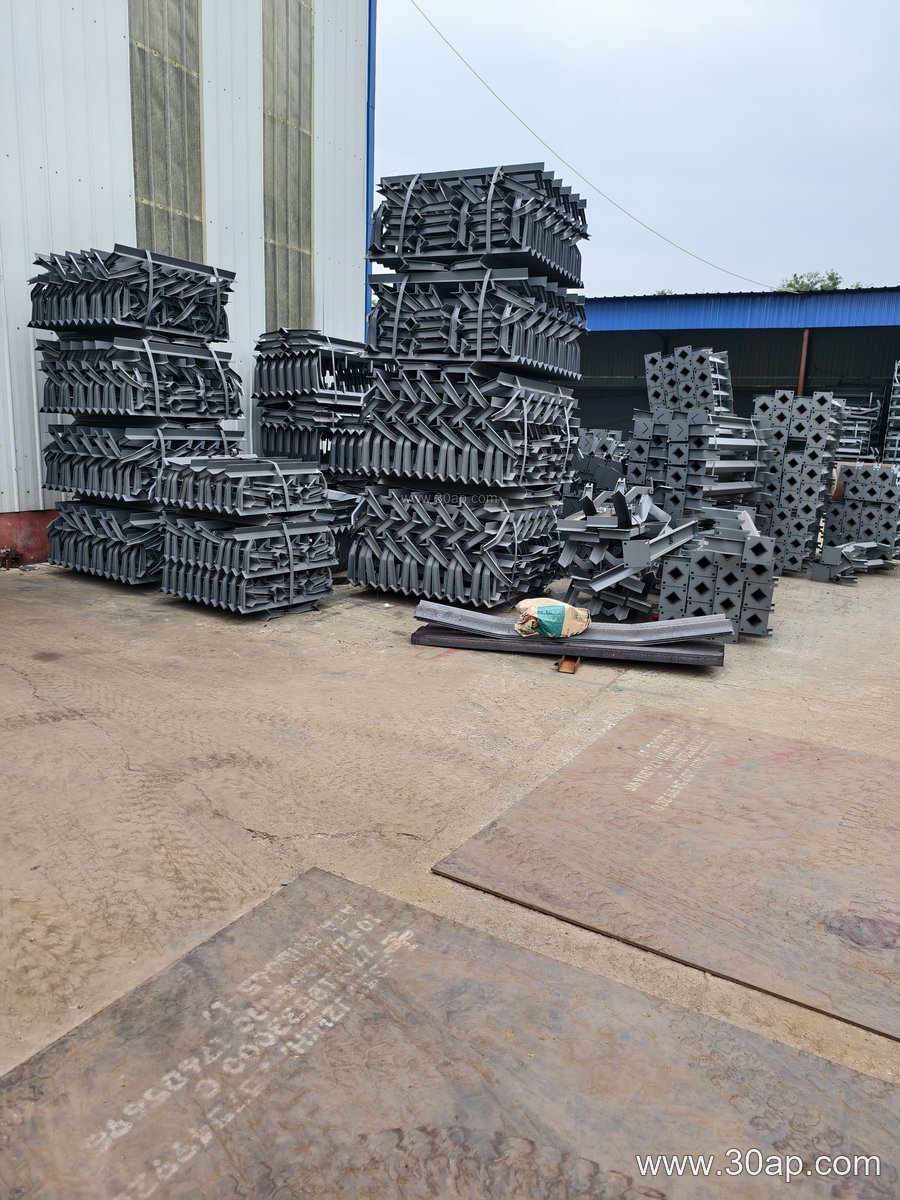
Materials and Construction Methods
Most brackets are built from angle steel, channel steel, or folded steel plate. The choice depends on load and environment. For a B1200 conveyor carrying iron ore, a fabricator might use 8 mm folded plate with reinforced gussets. For a B650 sand and gravel line, lighter angle steel may be sufficient. Common fabrication steps include:
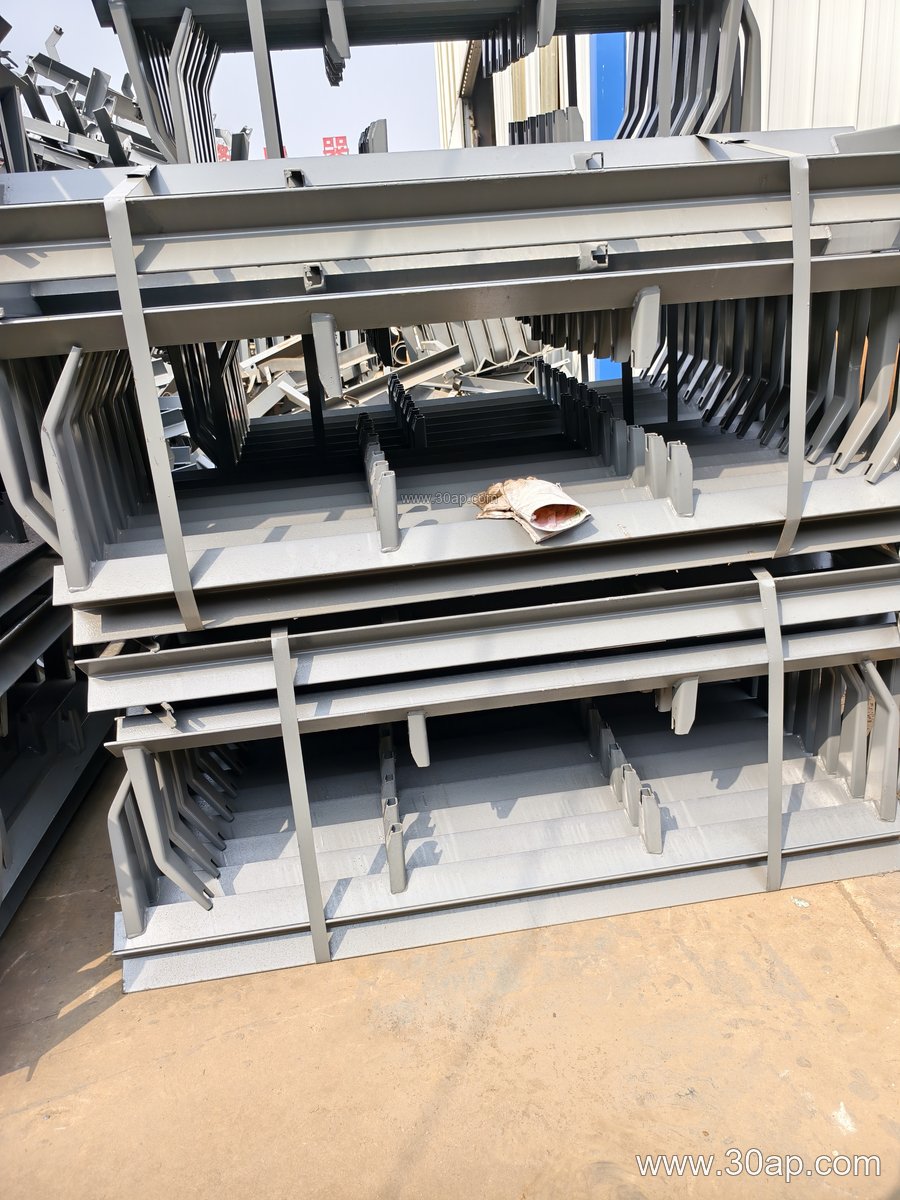
- Cutting raw stock to length based on the required mounting hole spacing.
- Punching or drilling holes for roller shafts and frame bolts.
- Bending or forming the trough angle—typically 20, 30, 35, or 45 degrees.
- Welding the components, then cleaning and applying a protective coating.
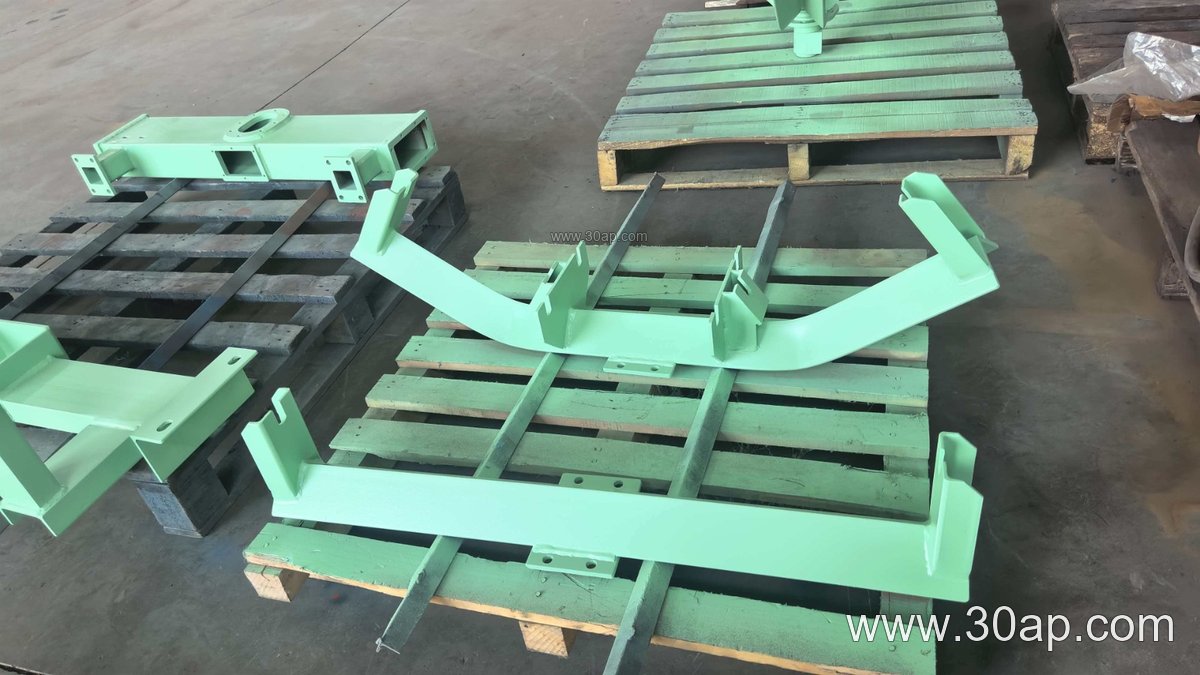
Adjustable brackets allow the trough angle to be changed on site, which is useful when a plant handles multiple materials. Fixed brackets are simpler and more rigid. A transition bracket, placed near the head or tail, gradually changes the belt from flat to troughed; it is not a substitute for a standard carrying bracket but works alongside it.
Where These Brackets Are Used
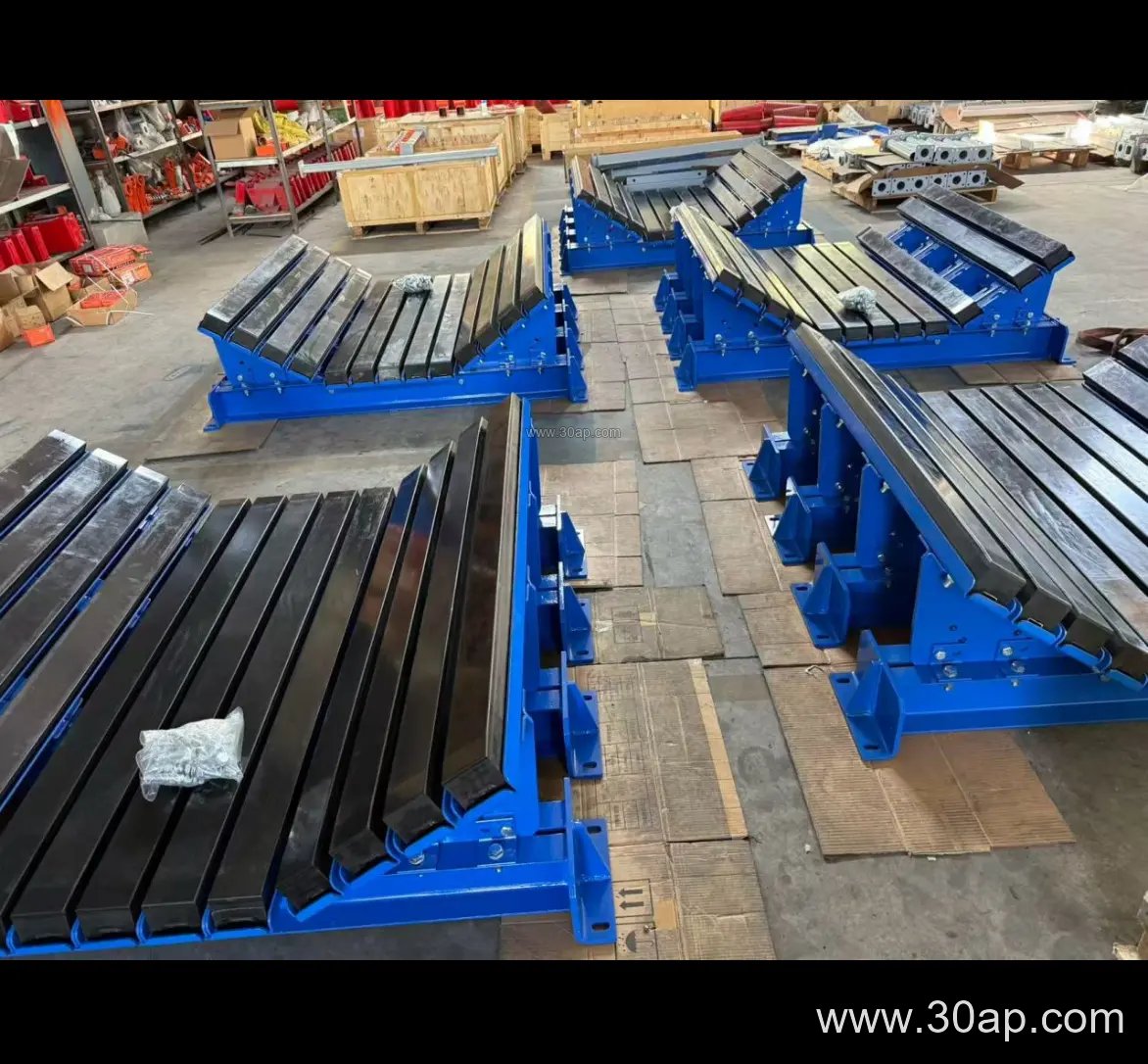
Conveyor bracket fabrication serves almost every bulk handling industry. In a limestone mine, brackets support V-return idlers that keep the empty belt clean. In a power plant coal yard, they hold impact brackets under the loading zone to absorb falling material. In a cement plant, they position troughing rollers on clinker conveyors. The same fabricated bracket may also appear in a fertilizer granulation line or a grain silo, provided the roller diameter and belt width match the design.
One common point of confusion: a bend pulley and a bracket are not interchangeable. The bend pulley changes belt direction at a transfer point; the bracket simply holds idlers that support the belt between pulleys. Similarly, a return bracket and a carrying bracket are different subtypes—each is fabricated for its specific location.
Key Parameters for Buyers and Fabricators
When specifying a bracket, several parameters matter. They are not universal constants but depend on the conveyor design. The table below shows typical reference values; actual dimensions should always come from the current project drawing.
| Parameter | Common Reference | Notes |
|---|---|---|
| Belt width | B500, B650, B800, B1000, B1200, B1400, B1600, B1800, B2000, B2200 | Bracket length and hole spacing usually increase with belt width. |
| Trough angle | 20°, 30°, 35°, 45° | Adjustable brackets can often be set within this range. |
| Roller diameter | Ø89, Ø108, Ø133, Ø159, Ø194 | Match the idler shaft and mounting slot. |
| Material | Angle steel, channel steel, folded plate | Thickness selected by load and span. |
A buyer should also confirm the mounting hole pattern, the required lead time for fabrication, and whether the bracket will be painted, galvanized, or left bare for site coating. Forward-leaning brackets, often set at about 1.5 to 2 degrees, help center the belt but are a separate subtype from standard troughing brackets.
Selection and Maintenance Notes
Selecting the right bracket is not about picking a single size for every conveyor. A B800 belt might use a 35-degree trough with Ø108 rollers in one plant and a 45-degree trough with Ø133 rollers in another, depending on material characteristics and transition distance. Fabricators should avoid assuming that one belt width can only match one pulley diameter or one bracket type.
During maintenance, inspect brackets for bent ears, elongated holes, or cracked welds—especially in high-impact zones. Replacing a worn bracket before it distorts belt tracking is cheaper than replacing the conveyor belt itself. For heavy-duty mining or cement applications, keep a few spare brackets on hand, matched to the most common idler roller size on site.