What an Idler Bracket Does on a Conveyor
An idler bracket is the frame component that holds conveyor idler rollers in the correct position under or above the belt. It sets the trough angle, keeps roller spacing consistent, and transfers the load from the belt and material into the conveyor structure. In a quarry, a cement plant, or a power plant coal yard, the bracket is easy to overlook, yet it decides how well the belt tracks and how long the rollers last.
On a typical troughed conveyor, the idler bracket carries three rollers in a fixed or adjustable cradle. Return-side brackets hold a single flat roller or a V-shaped pair. The bracket is not a pulley and should not be confused with one. A drive pulley, tail pulley, and bend pulley each do a different job, and none of them can substitute for an idler bracket in the carrying run.
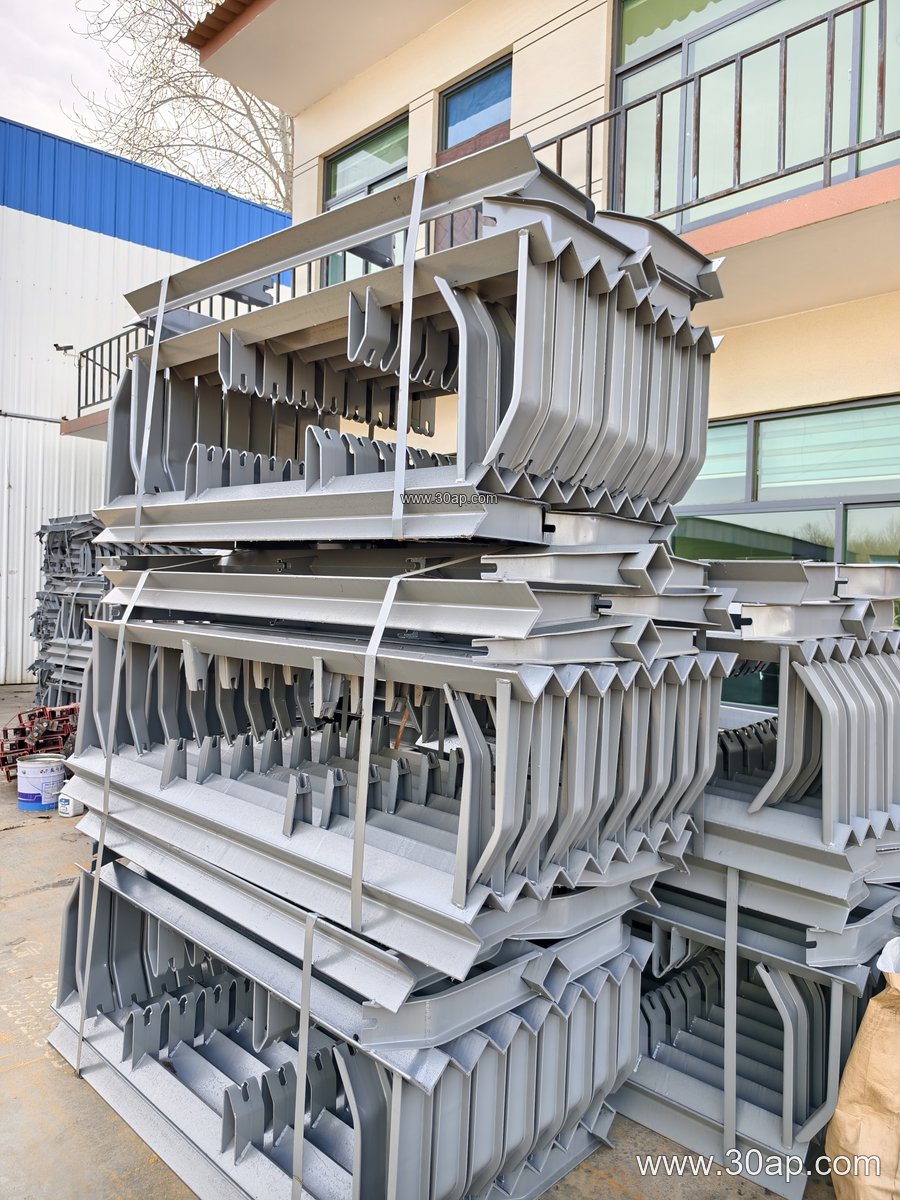
How the Bracket Is Built
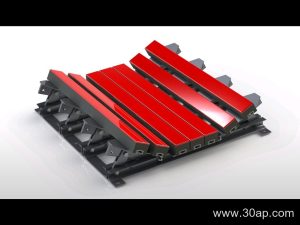
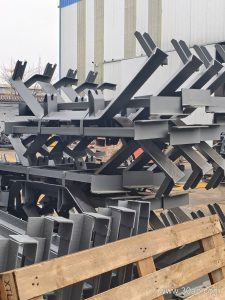
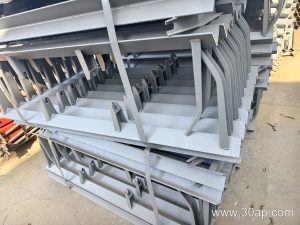
Most brackets are fabricated from angle steel, channel steel, or folded steel plate. The frame is welded or bolted, then drilled for the roller shaft or mounting pin. Common forms include trough brackets, transition brackets, return brackets, V-return brackets, impact brackets, self-aligning brackets, and hanging brackets. Adjustable brackets allow the trough angle to be changed on site.
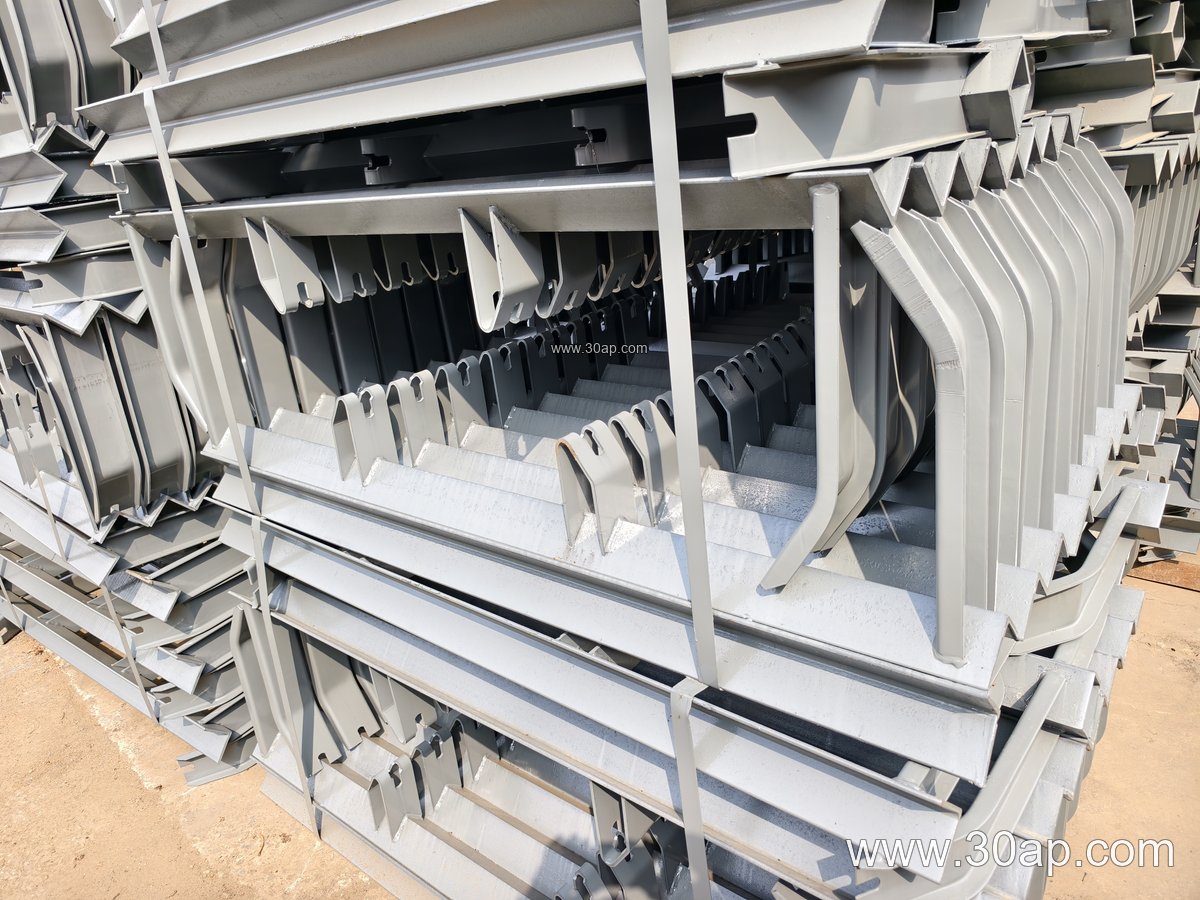
Material thickness and weld quality matter more than appearance. A bracket that flexes under load will change roller alignment, which in turn causes belt edge wear and misalignment. Galvanized or painted finishes are common where moisture and dust are present.
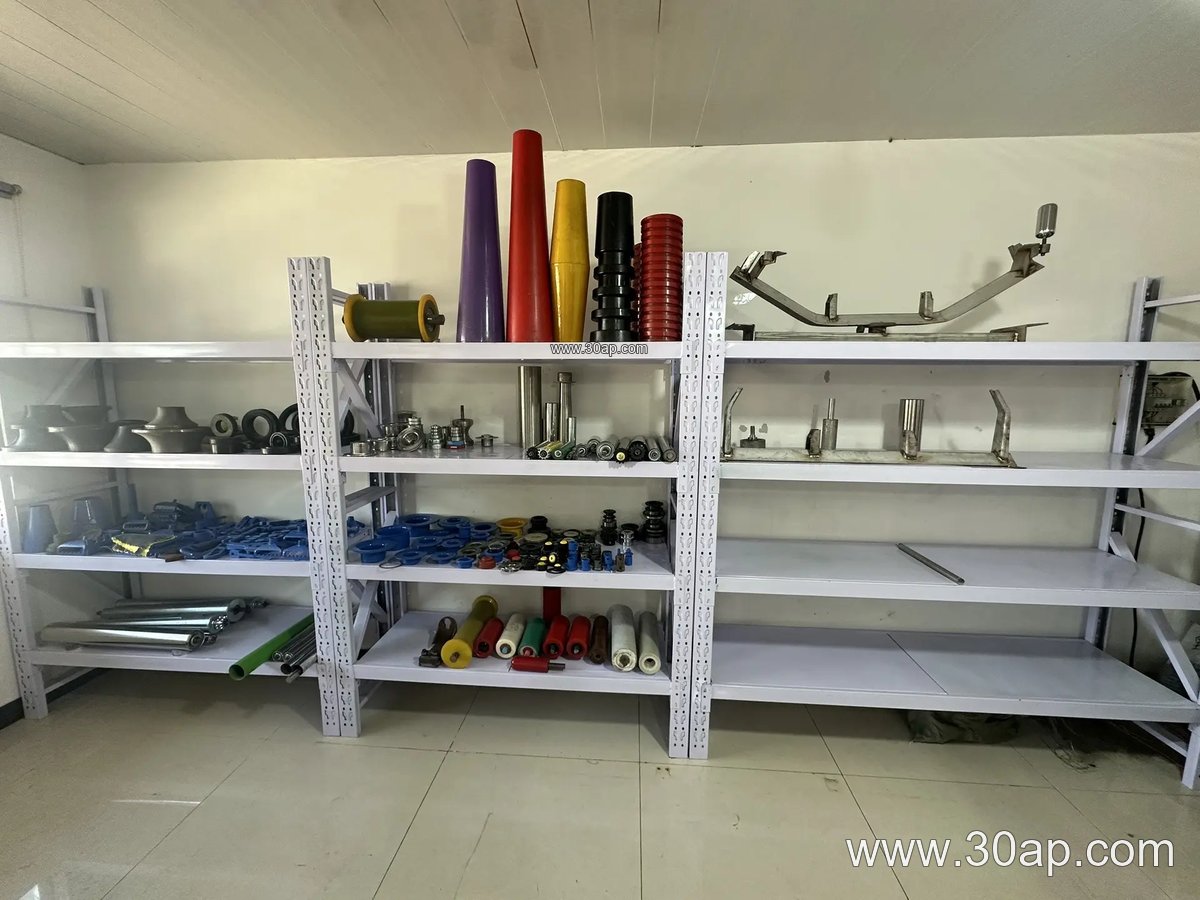
Matching Bracket, Belt, and Roller
Bracket choice follows belt width, trough angle, and roller diameter. The table below shows common reference combinations; installation hole spacing and beam length are determined by design, not by a single fixed value.
| Belt width | Trough angle | Roller diameter | Typical bracket form |
|---|---|---|---|
| B500 | 20° or 30° | Ø89 | Trough bracket, return bracket |
| B650 | 30° or 35° | Ø89 or Ø108 | Trough bracket, transition bracket |
| B800 | 35° | Ø108 | Trough bracket, impact bracket |
| B1000 | 35° or 45° | Ø108 or Ø133 | Trough bracket, self-aligning bracket |
| B1200 | 35° or 45° | Ø133 | Trough bracket, V-return bracket |
| B1400 | 35° or 45° | Ø133 or Ø159 | Trough bracket, hanging bracket |
| B1600 | 35° or 45° | Ø159 | Heavy trough bracket, return bracket |
| B1800 to B2200 | 45° | Ø159 or Ø194 | Heavy-duty trough bracket |
The same belt width can work with more than one trough angle and more than one roller diameter. Selecting a bracket means checking the roller seat height, the shaft end shape, and the load carried by the belt. For a heavy-duty mining conveyor carrying ore, a thicker bracket and a larger roller are common; for a light aggregate line, a standard trough bracket is usually sufficient.
Where Idler Brackets Are Used
These frames appear wherever a conveyor turns or carries bulk material. In a limestone mine, trough brackets support the belt through the loading zone and along the incline. In a coal handling plant, flame retardant and anti-static belt grades are often paired with well-aligned brackets to reduce friction heat. In a sand and gravel line, self-aligning brackets help keep the belt centered after the crusher. Port loading conveyors use long runs of brackets that must stay square to the belt line.
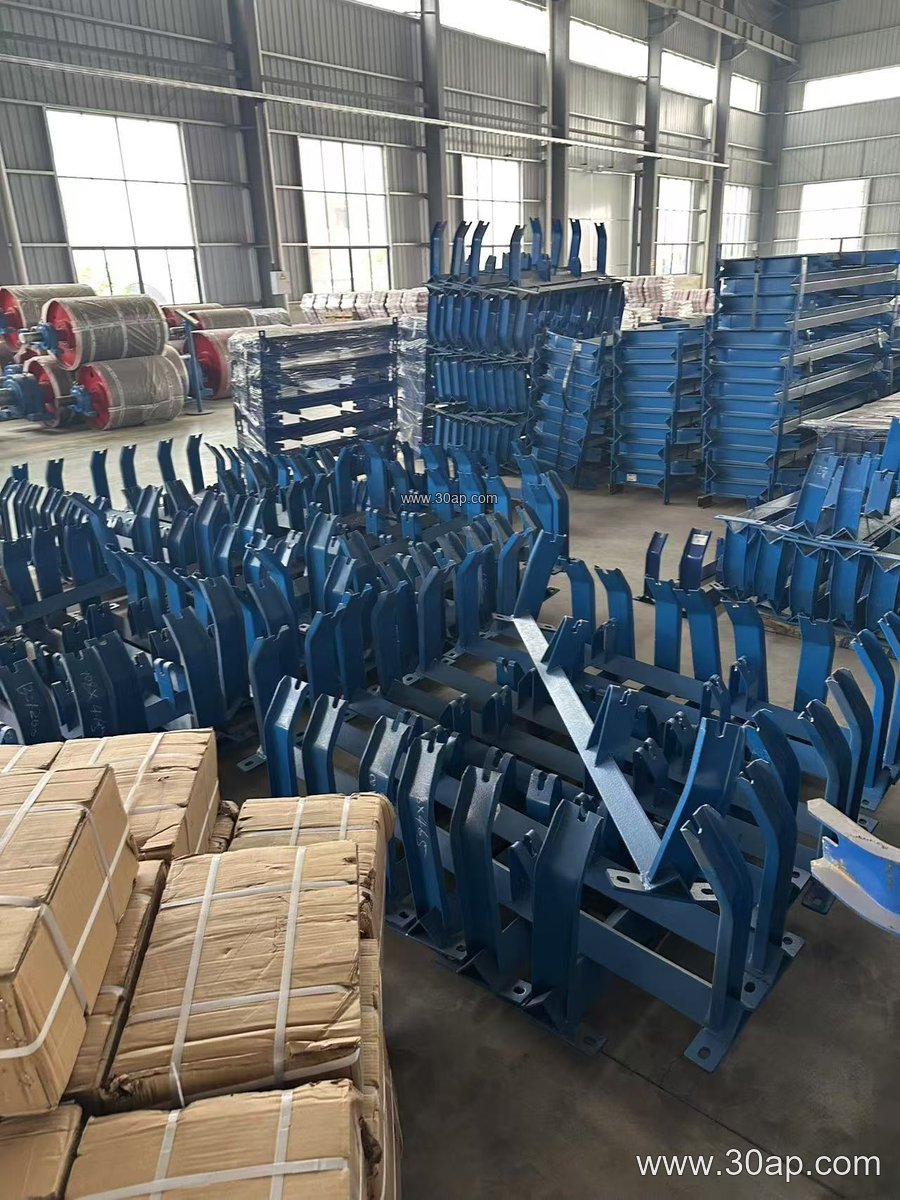
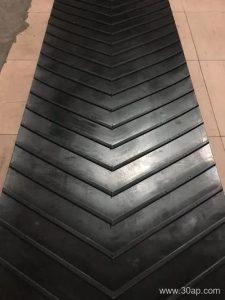
Brackets also work alongside the belt itself. A pipe conveyor belt needs a different support geometry than a flat or troughed belt, and a corrugated sidewall belt or chevron belt may need modified roller clearances. In those cases the bracket is adapted to the belt profile rather than chosen from a standard list.
What Buyers Should Check
- Belt width, trough angle, and roller diameter should be confirmed together, not one at a time.
- Confirm the mounting hole spacing and beam length against the existing conveyor frame.
- Check whether a fixed or adjustable bracket is needed; adjustable types allow angle changes during alignment.
- Ask about steel grade, plate thickness, and surface treatment for dusty or wet sites.
- For impact zones, specify an impact bracket rather than a standard trough bracket.
A correct idler bracket keeps the rollers square, the belt centered, and the whole conveyor running smoothly. Matching it properly to the belt and roller is the simplest way to avoid repeated downtime.