What a Take-Up Device Pulley Does
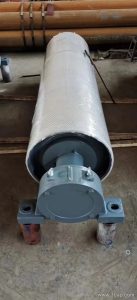
A take-up device pulley is the drum that works inside a conveyor’s tensioning station, pulling the belt taut as it stretches or as load conditions change. In many layouts the same component is called a tension pulley or take-up drum, and it is neither a drive pulley nor a tail pulley. Its job is to keep slack out of the return run so the belt stays seated on the drive pulley and does not slip, wander, or sag between idler roller sets.
Because it moves during adjustment, the take-up device pulley is usually mounted in a sliding carriage, a pivoting frame, or a counterweighted loop rather than being fixed to the main frame. That distinction matters to buyers: a tension drum must be specified for travel, alignment, and repeated repositioning, not just for steady rotation.
How the Pulley Is Built
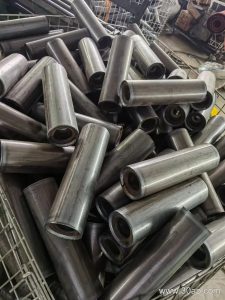
The drum body is normally a rolled steel shell with welded end discs, machined hubs, and a through shaft supported by two bearing housings. Larger units often use a welded or cast hub design with a reinforced shell to resist bending from belt tension. A take-up device pulley may be supplied plain-faced or covered with rubber, and the cover is where most of the wear resistance comes from.
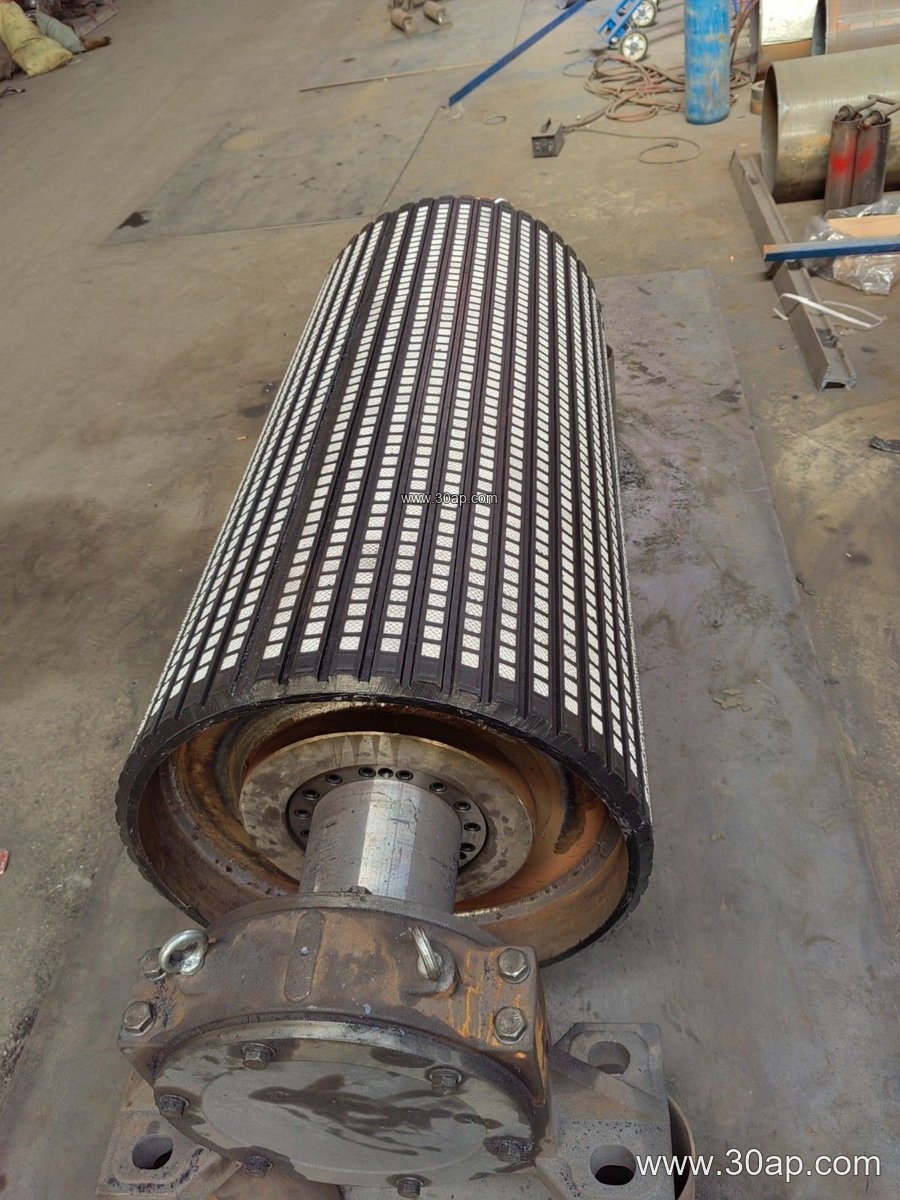
- Shell and end discs sized for the tension load carried by the belt
- Bearing housings with lubrication points and seals
- Shaft ends machined for pillow blocks, take-up frames, or bearing slides
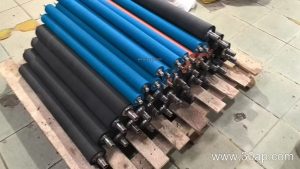
- Optional lagging in plane, diamond, or ceramic form for grip and wear life
Lagging thickness commonly falls in the 8 to 20 mm range, with 10 and 12 mm often used on medium-duty tension drums. The surface form should match the job: a plane rubber cover is simple and clean running, diamond lagging helps shed water and fines, and ceramic tiles suit abrasive service where the cover must last.
Where Tension Pulleys Are Used
These pulleys appear wherever a conveyor needs automatic or manual take-up. In a quarry or sand and gravel line they keep a crusher discharge belt tight through shifting loads. In a coal preparation plant or a power station coal yard they compensate for belt stretch on long runs fed by a fabric core belt or a steel cord belt. Cement plants use them on clinker and raw material conveyors, while port bulk terminals rely on them on ship loading and yard belts. A take-up device pulley also shows up in tunnel spoil handling and in aggregate plants feeding screens.
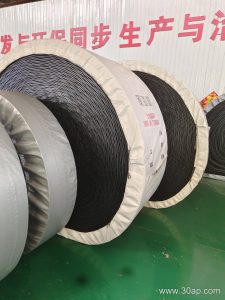
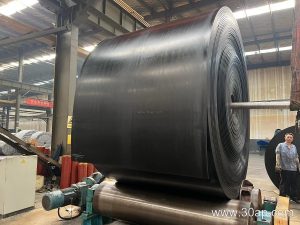
The belt itself influences the choice: a heavy abrasion resistant conveyor belt running on a short center may need only modest travel, while a long overland run with an EP conveyor belt or a steel cord belt needs more take-up stroke and a stiffer drum. Matching the drum to the belt’s tension demand is more useful than copying a size from another line.
Position in the Conveyor Layout
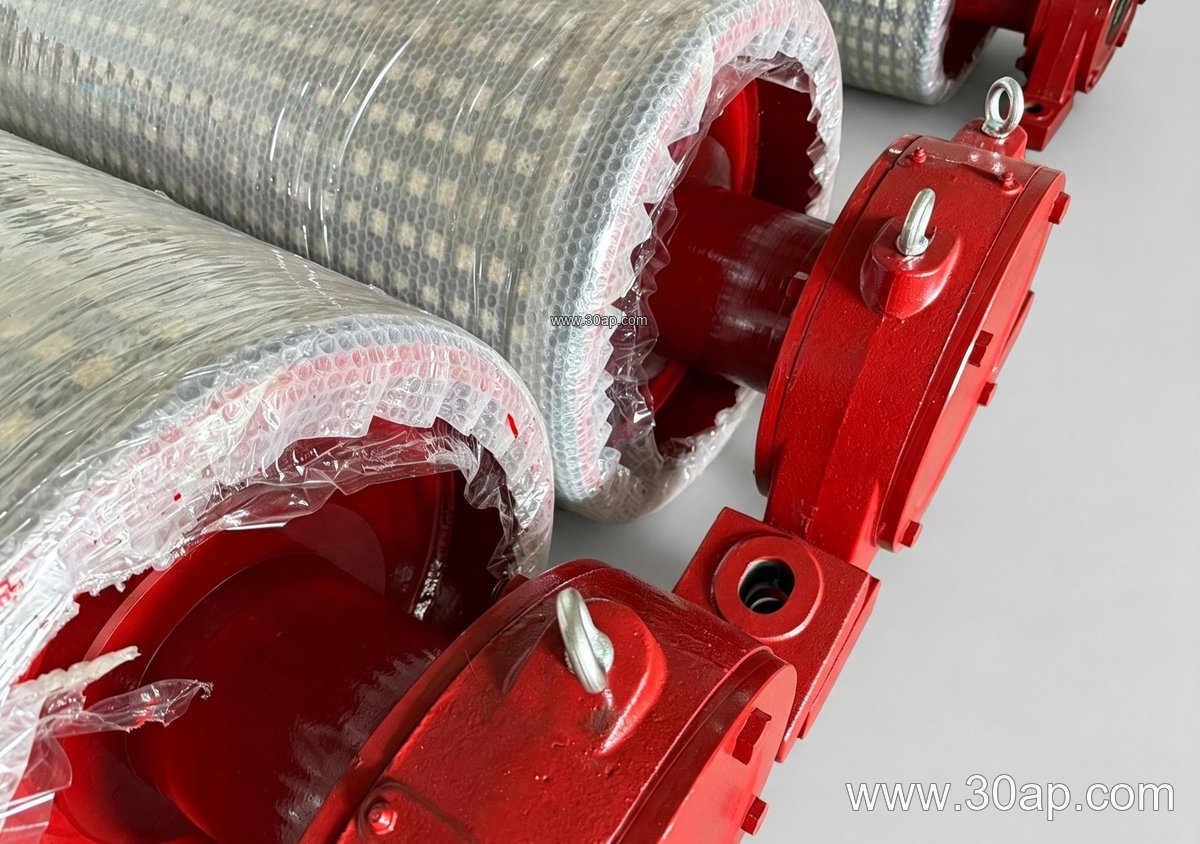
A take-up device pulley is often placed in the return run near the tail, in a vertical gravity tower, or in a horizontal screw take-up carriage. It should not be confused with a bend pulley, which simply changes belt direction, or with a tail pulley, which wraps the belt at the loading end. The tension drum is the one that moves, and its travel range, frame clearance, and bearing slide design all need to be checked against the conveyor bracket and structural space.
Sizing and Selection Notes
Common belt widths for conveyors using tension drums run from B400 to B2400, and the drum face is usually wider than the belt. Reference combinations such as B800 × Ø500, B1200 × Ø1000, and B1400 × Ø800 are useful examples, not fixed rules; a given belt width can be paired with more than one diameter depending on tension, wrap angle, and shaft load. Shaft diameter is set by torque and bearing load, with common values from Ø50 to Ø200, and should never be picked from belt width alone.
| Item | Common reference range | Note |
|---|---|---|
| Belt width | B400 to B2400 | Face width usually exceeds belt width |
| Drum diameter | Ø200 to Ø1800 | Set by tension and wrap angle |
| Shaft diameter | Ø50 to Ø200 | Determined by torque and load |
| Lagging thickness | 8 to 20 mm | Match to abrasion and grip needs |
| Surface | Plain, rubber, diamond, ceramic | Choose by material and moisture |
Before ordering, confirm the belt tension, take-up travel, bearing type, and whether the pulley will run in a wet or dusty area. Check that the carriage or slide fits the available conveyor bracket space, and confirm the lagging form suits the conveyed material. A well-matched take-up device pulley keeps the belt tracking correctly and extends the life of the drive pulley and every idler roller on the line.