What a High Strength Conveyor Belt Is
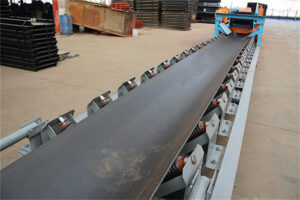
A high strength conveyor belt is a heavy-duty rubber belt built to move large tonnages over long distances without stretching beyond acceptable limits. Instead of relying on a single fabric ply, it uses a tension-resistant carcass, typically EP (polyester-nylon) or steel cord, bonded between rubber cover layers. The result is a belt that carries ore, coal, crushed stone, cement clinker, and similar bulk materials on primary haulage conveyors where ordinary belting would fail early.
In everyday plant language, this product is also called a high-tension belt or heavy-duty conveyor belting. Those names describe the same article, not a different product family.
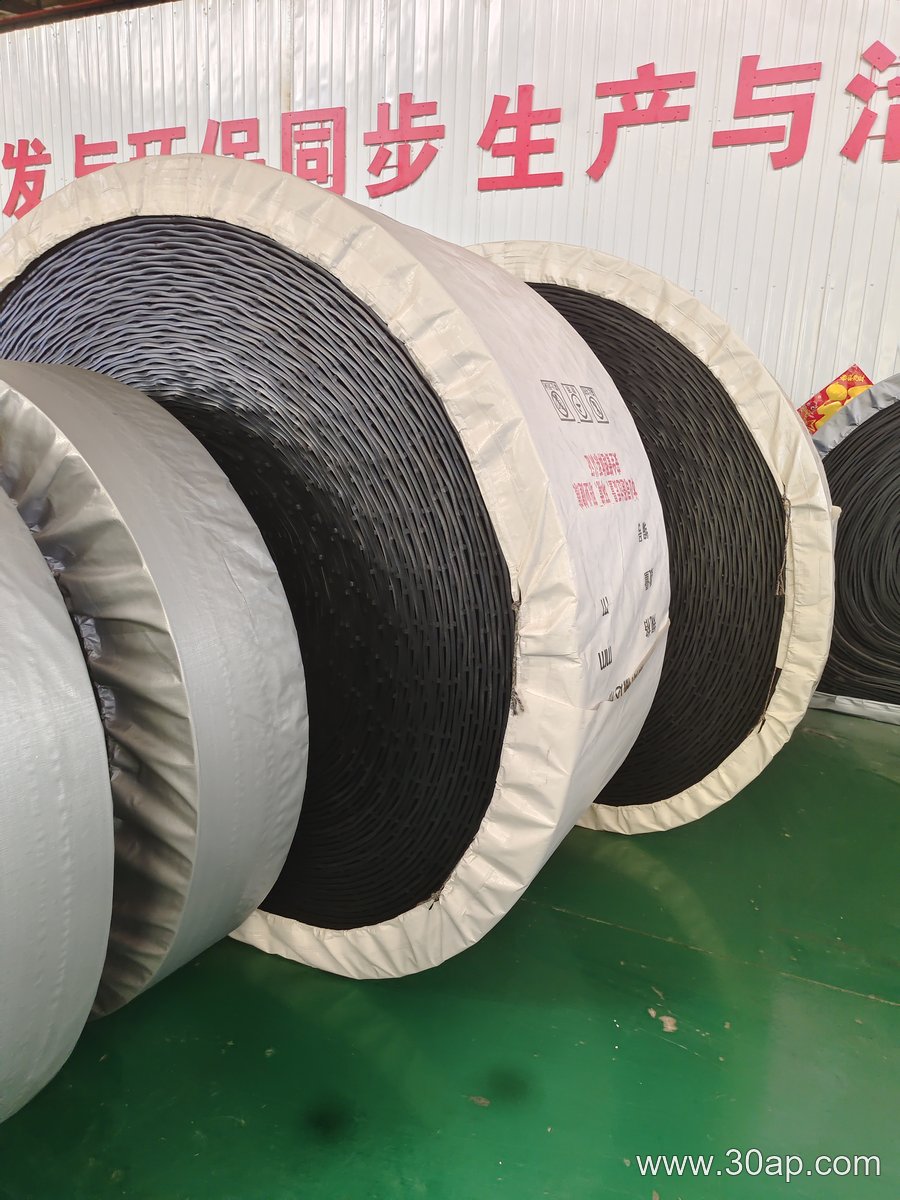
How the Belt Is Built
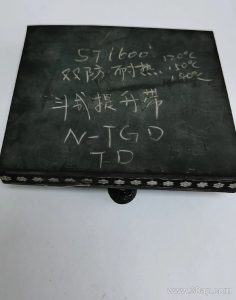
The carcass does the pulling. EP fabric plies, usually two to six layers, give the belt its tensile strength and resistance to fatigue. Steel cord constructions take this further for very long overland systems or high-lift inclines. Rubber covers protect the carcass from abrasion, impact, and moisture. Common cover builds include 4+2 mm, 5+2 mm, 6+2 mm, and 8+3 mm, where the first figure is the top cover and the second is the bottom cover.
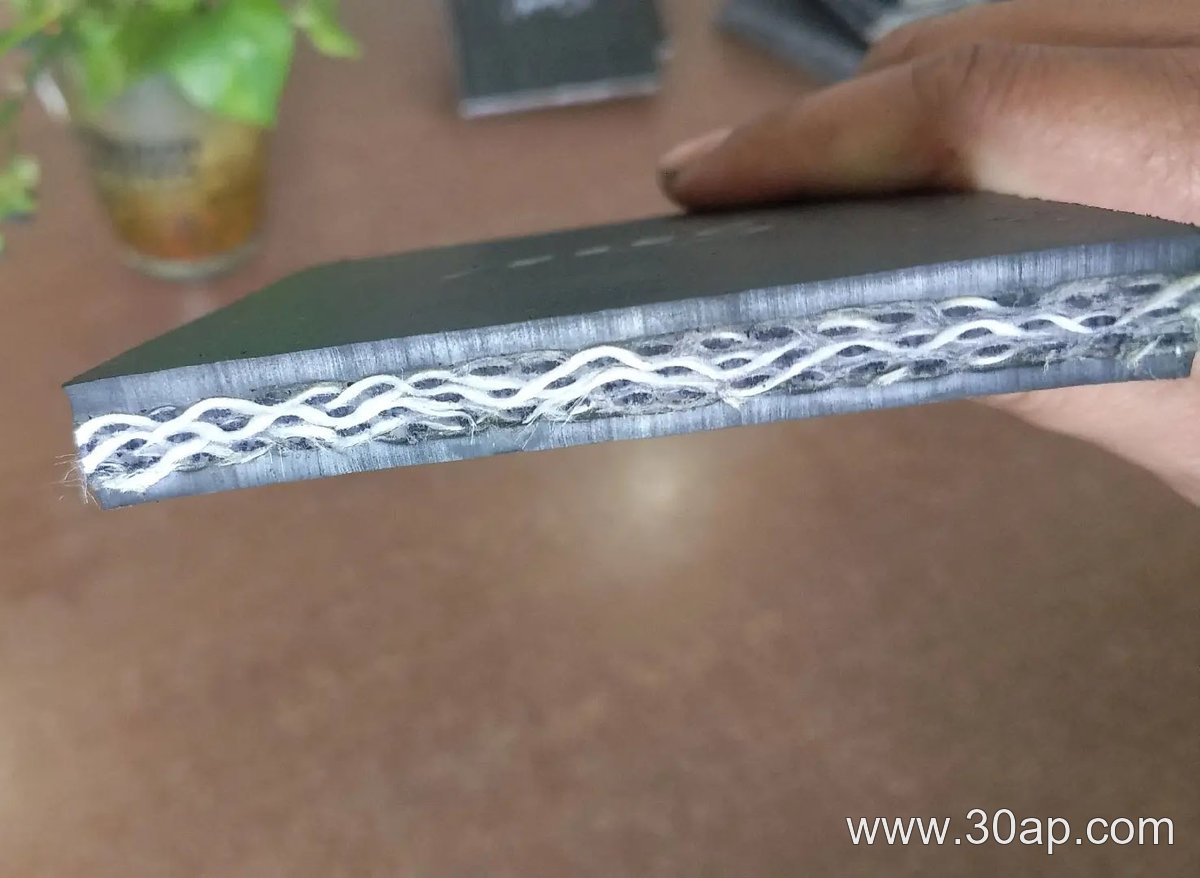
Strength grades are written as EP200, EP315, EP400, EP630, EP1000, EP1250, and up to EP2000. These numbers indicate the breaking strength of the carcass per unit width and are selected from the belt tension calculation, not from habit. A belt with a higher grade is not automatically better; an oversized belt adds weight, cost, and pulley load.
Where It Fits in a Conveyor
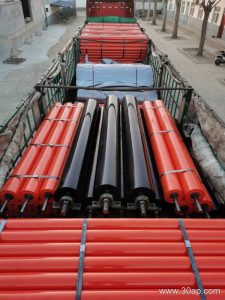
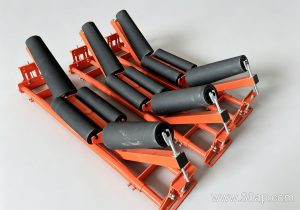
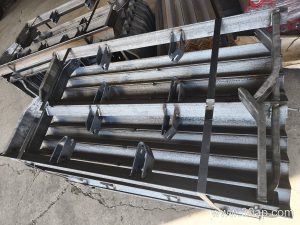
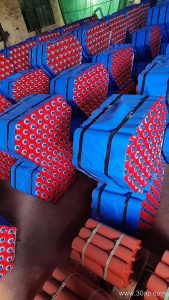
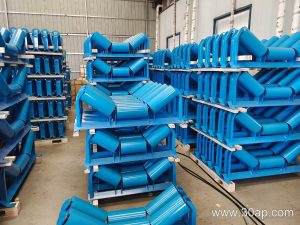
High strength belting appears on trunk conveyors in mines, quarries, ports, power plants, and cement works. It runs over a drive pulley that transmits motion, a tail pulley that returns the belt, and bend pulleys that redirect it through the take-up or around a tripper. These pulleys are not interchangeable: the drive pulley is the powered one, the tail pulley is normally the return end, and a bend pulley only changes direction. The belt is supported by idler rollers along the carrying run and by return idlers underneath. A conveyor bracket holds the idlers and pulleys in position on the frame.
For comparison, a light PVC or PVG belt suits packaged goods and underground coal work where fire resistance matters, but it does not carry the same tension. A high strength belt is chosen when the duty is heavy and continuous.
Operating Conditions That Shape the Choice
Material, lump size, drop height, ambient temperature, and the presence of oil or chemicals all influence the cover compound. Abrasion-resistant covers handle sharp rock. Heat-resistant grades serve clinker and sinter. Oil-resistant and acid-alkali-resistant covers protect the carcass in processing plants. Flame-retardant and antistatic versions are used where dust or gas creates a hazard. Cold-resistant compounds keep the belt flexible in freezing conditions, and chevron or cleated surfaces help on inclines where material would otherwise slide back.
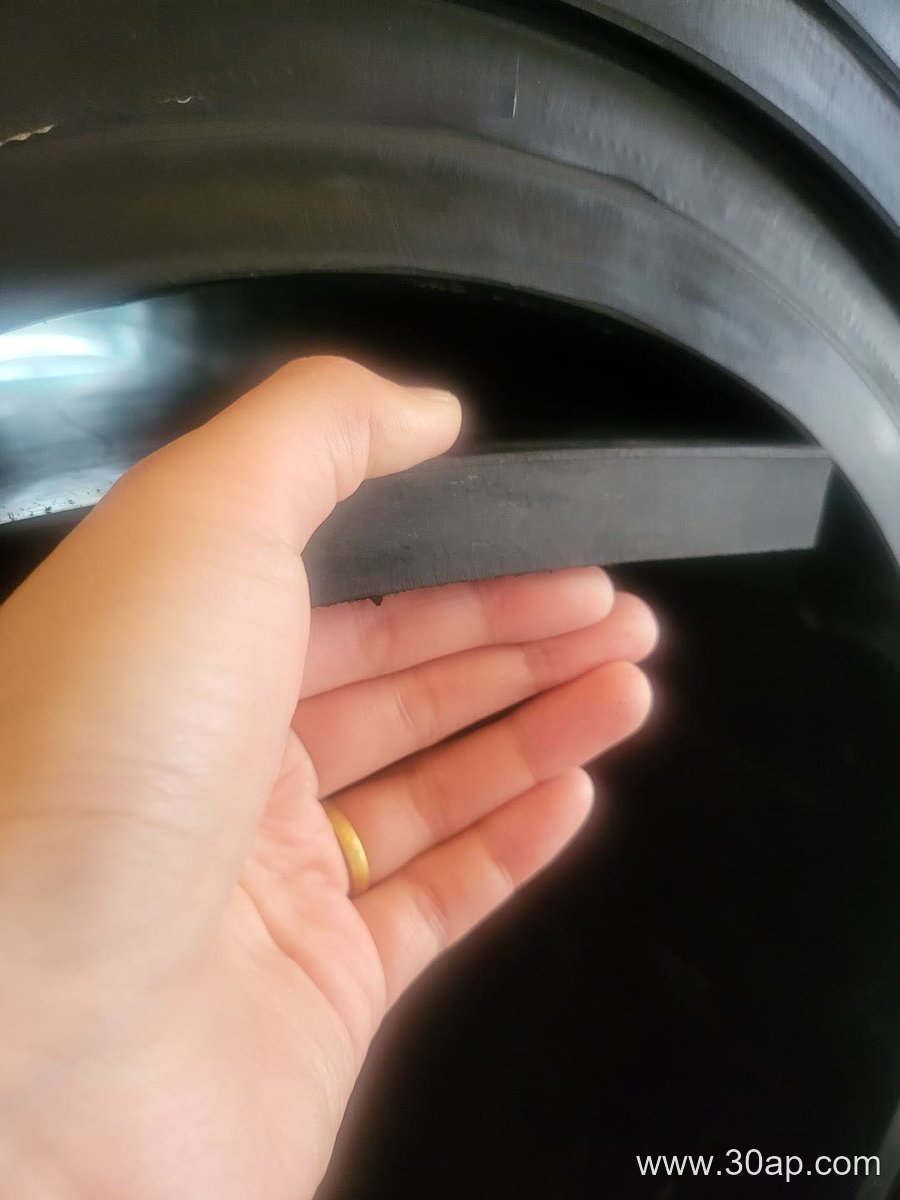
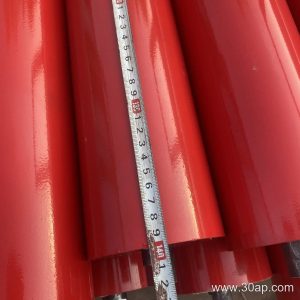
Belt width is matched to the tonnage and lump size. Common widths include B650, B800, B1000, B1200, B1400, and wider. Width alone does not fix pulley diameter or shaft size; those follow from the belt tension, the number of plies, and the conveyor design. A single belt width can work with more than one pulley diameter.
What a Buyer Should Check
- Tension calculation: confirm the required strength grade rather than defaulting to the highest available.
- Carcass type: EP fabric for most duties, steel cord for very long or high-tension runs.
- Cover thickness and compound: match abrasion, heat, oil, or fire requirements to the actual site.
- Belt width and splice method: vulcanized splices generally suit high-tension belts better than mechanical fasteners.
- Pulley and idler compatibility: check drive pulley lagging, bend pulley alignment, and idler roller spacing.
Ask the supplier for the tension rating, ply construction, cover grade, and recommended splice. Keep the belt aligned, avoid material spillage at transfer points, and inspect the covers for cuts before they reach the carcass. Treated well, a high strength conveyor belt gives years of service on the toughest haulage routes in a plant.