What a Carbon Steel Conveyor Bracket Does on a Belt Conveyor
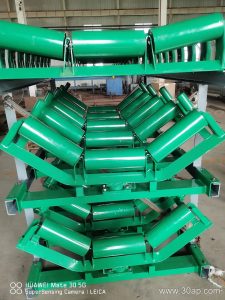
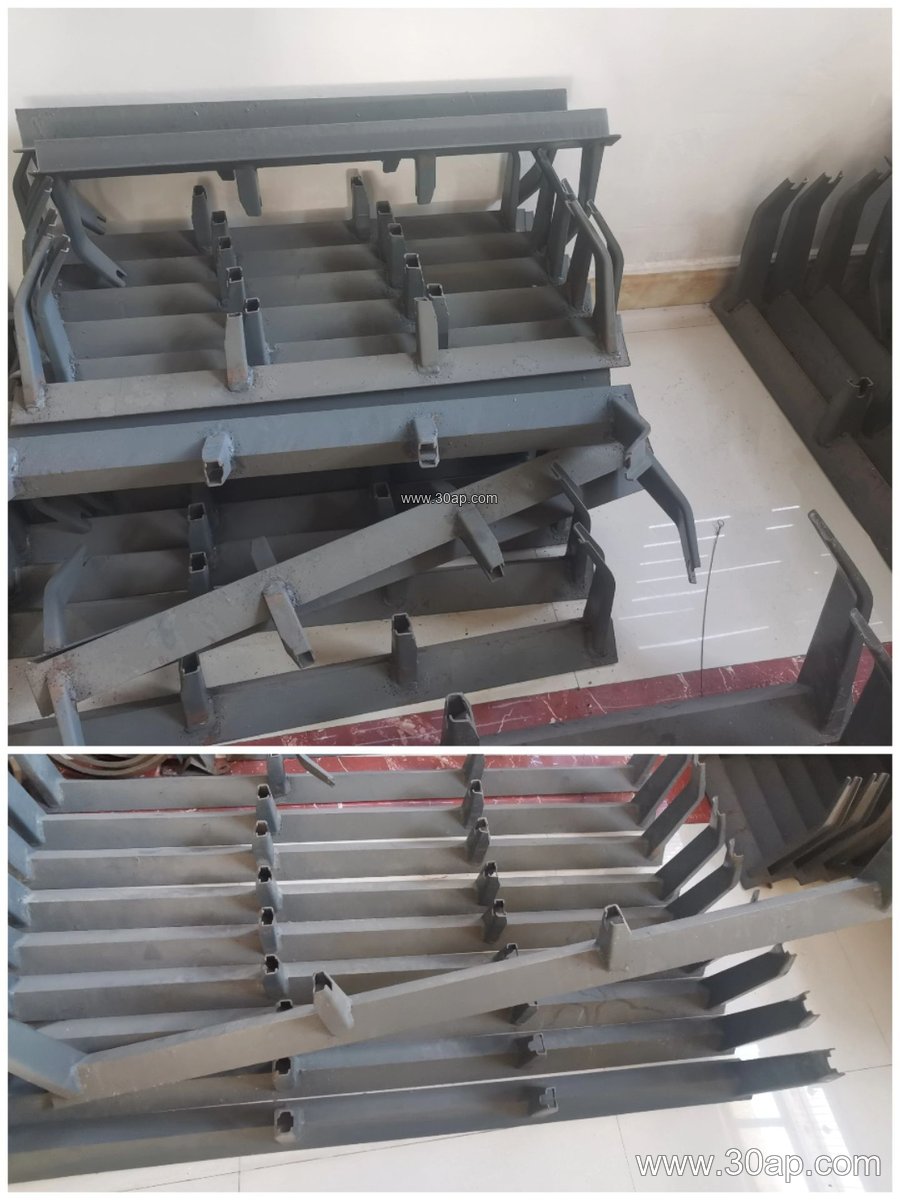
A Carbon Steel Conveyor Bracket is the structural support that holds idler rollers at the correct position and angle beneath and beside a conveyor belt. It is usually fabricated from angle steel, channel steel, or folded steel plate, then drilled, welded, and coated for installation on the conveyor frame. In a quarry or a cement plant, these brackets carry the weight of the belt and the bulk material while keeping the trough shape stable along the carrying side and supporting the return strand underneath.
The bracket is a separate item from the roller it holds. A conveyor pulley at the drive or tail end performs a different job, and the two are not interchangeable. The bracket simply positions troughing idlers, return idlers, and impact idlers so the belt runs smoothly.
How the Bracket Is Built
Fabrication starts with cutting and bending the steel section to the required width and trough angle. Mounting slots are punched or drilled so the idler shaft ends sit at the correct spacing, and cross members are welded to keep the frame square under load. A typical workshop sequence includes:
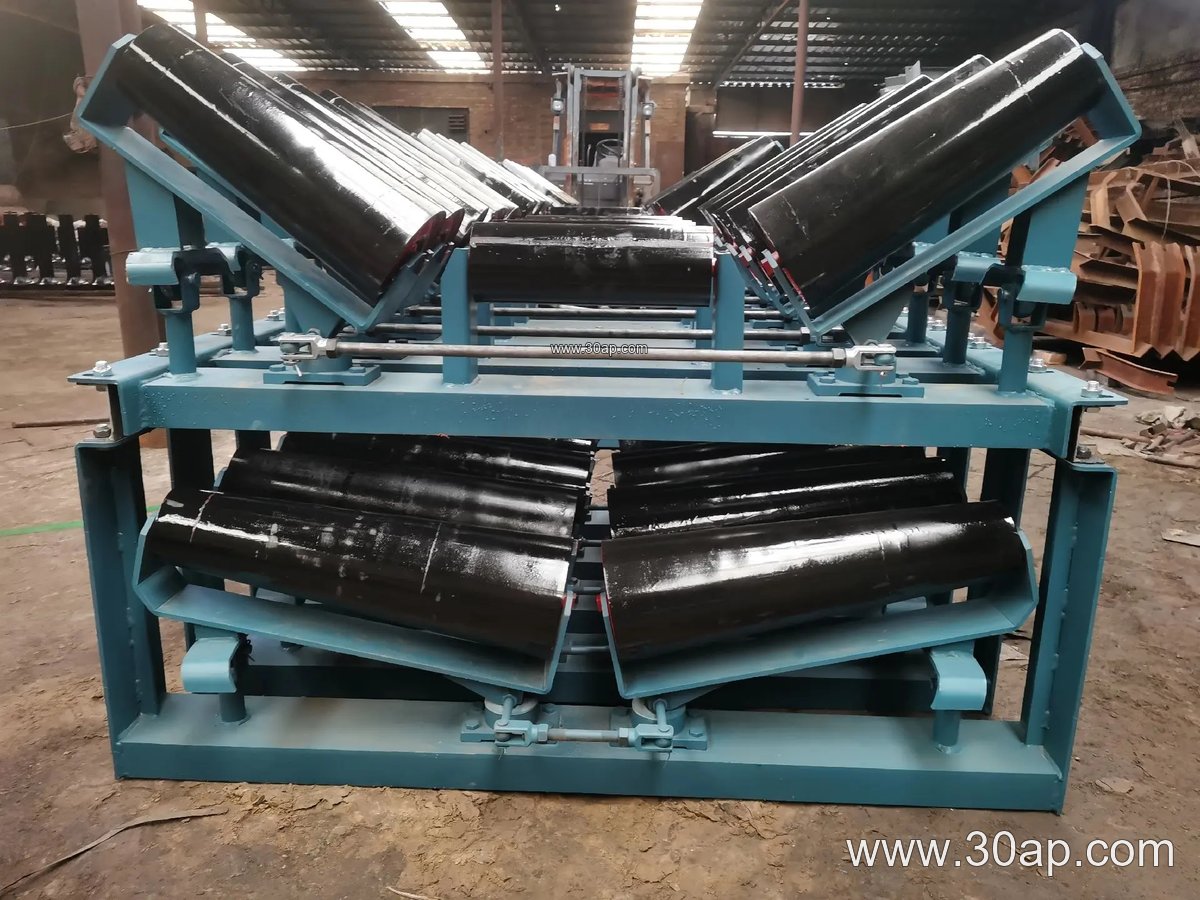
- Cutting angle or channel steel to the crossbeam length
- Bending the end arms to the selected trough angle
- Drilling mounting holes for the idler shafts
- Welding gussets and stiffeners at high-stress joints
- Surface preparation and painting or galvanizing
Because hole spacing and crossbeam length change with belt width and trough angle, these dimensions are set by design rather than fixed for every conveyor. Common belt widths in the reference range include B500, B650, B800, B1000, B1200, B1400, B1600, B1800, B2000, B2200, and the bracket must match the frame it bolts onto.
Trough Angle and Roller Diameter Choices
Trough angle affects how deeply the belt nests and how well material is contained. Common values are 20, 30, 35, and 45 degrees, while a forward-tilted bracket usually sits around 1.5 to 2 degrees to help center the belt. Roller diameters such as Ø89, Ø108, Ø133, Ø159, and Ø194 are selected with belt speed, load, and material lump size in mind. A wider belt does not lock the design to one angle or one roller size; combinations like B800, 35 degrees, Ø108 or B1200, 45 degrees, Ø133 are common examples, not rules.
| Parameter | Typical Reference Values | Notes |
|---|---|---|
| Belt width | B500 to B2200 | Match the conveyor frame |
| Trough angle | 20, 30, 35, 45 degrees | Adjustable types cover a range |
| Roller diameter | Ø89, Ø108, Ø133, Ø159, Ø194 | Chosen with load and speed |
| Material | Angle steel, channel steel, folded plate | Coated for site conditions |
Where These Brackets Are Used
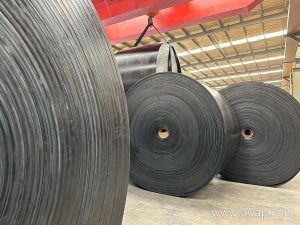
In a limestone quarry or a crushing and screening line, carrying-side brackets hold troughing idlers under an abrasion resistant conveyor belt that moves crushed rock at high tonnage. Impact brackets sit below the loading point to absorb fall energy, while return brackets support the belt on its way back. In a cement plant, similar frames run clinker and raw material, and a heat resistant conveyor belt may be used where material temperature is elevated. Coal handling at a power plant and sinter lines at a steel mill also rely on sturdy brackets to keep rollers aligned.
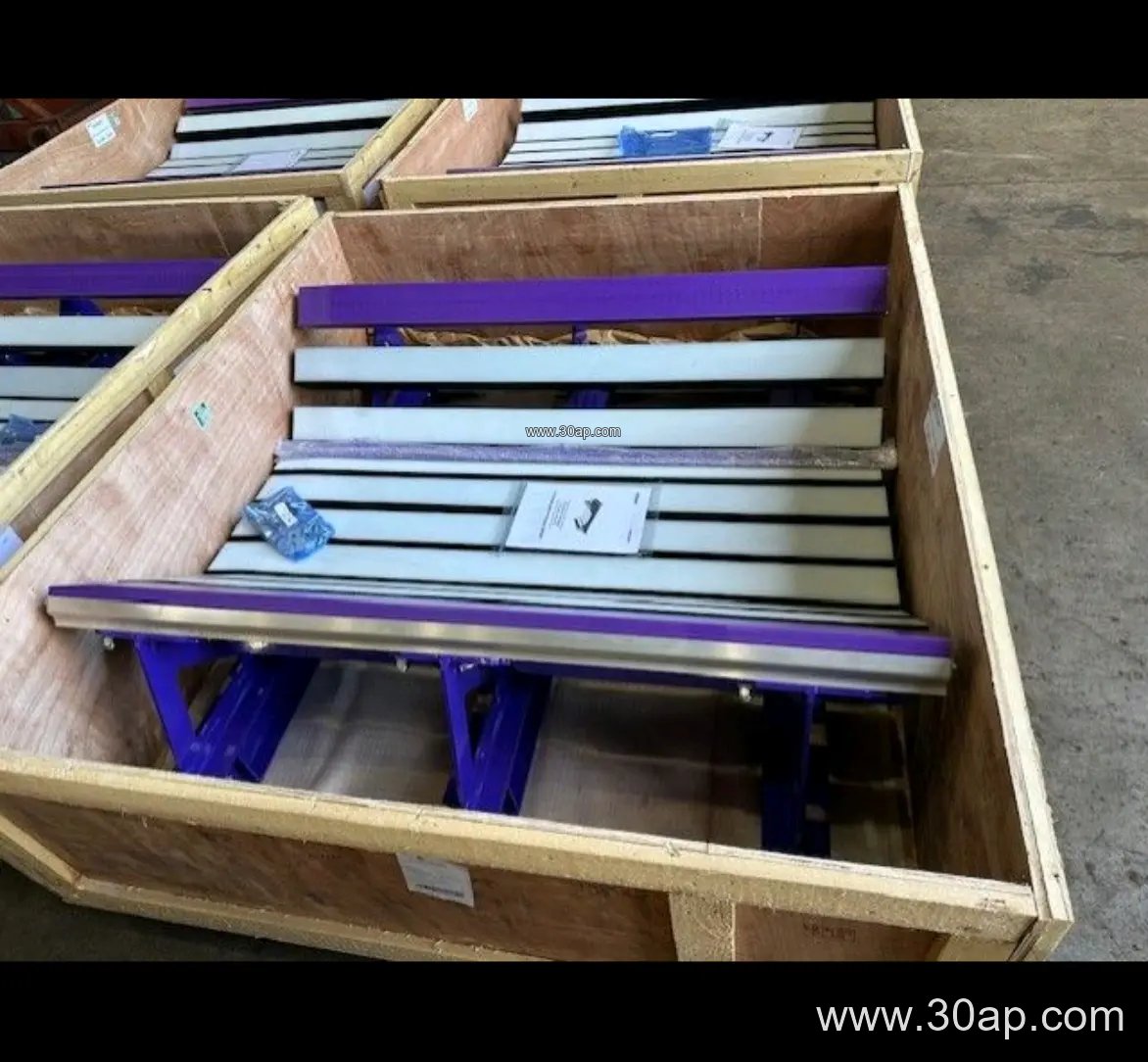
Adjustable brackets are useful where belt tracking needs fine tuning after installation, while fixed brackets suit stable, well-aligned frames. Both types work together with the idler roller and belt rather than replacing them.
Buyer Checklist
- Confirm belt width, trough angle, and roller diameter before ordering
- Check mounting hole spacing against the existing frame
- Ask about steel section size and coating for dusty or wet sites
- Specify fixed or adjustable design based on tracking needs
- Review weld quality and paint coverage on arrival
Whether the conveyor handles ore in a mine, aggregate in a sand plant, or coal at a power station, the Carbon Steel Conveyor Bracket should be treated as an engineered part of the frame. Correct sizing and careful installation keep the belt centered and extend the service life of the rollers.