What a Conveyor Head Pulley Does
The head pulley sits at the discharge end of a belt conveyor and does two jobs at once: it drives the belt and it throws the material off the belt into the next process stage. Because it carries the highest tension in most installations, the head pulley is often the largest and heaviest drum on the machine. Plant operators in quarrying, cement clinker handling, power station coal yards, and iron ore processing all rely on a well-matched conveyor pulley at this position to keep throughput steady.
In many layouts the head pulley is also the drive pulley, with the gearbox coupled to its shaft. On long overland or high-lift conveyors, the drive may be split between the head and an intermediate position, but the discharge point remains the head end.
How the Head Pulley Is Built
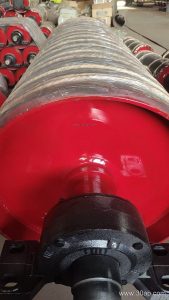
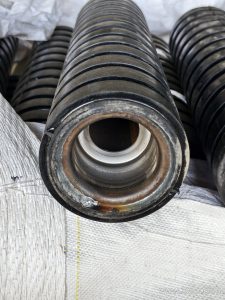
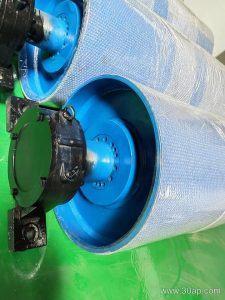
A typical unit combines a steel shell, two end discs, a hub, and a through shaft. The shell wall thickness and the shaft diameter are sized from the belt tension and torque, not from belt width alone. Welded construction is common for general duty, while heavy-duty mining conveyors may use rolled and machined shells for better concentricity.
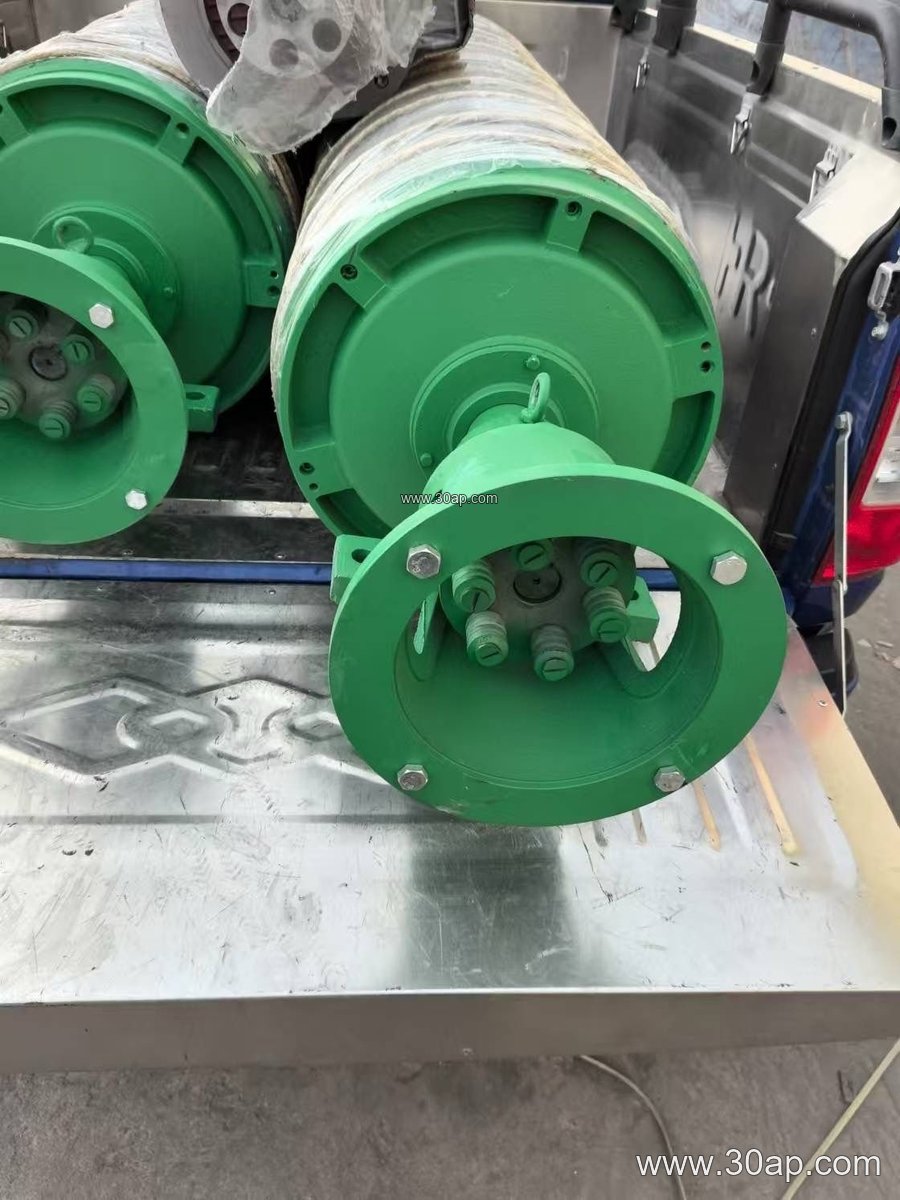
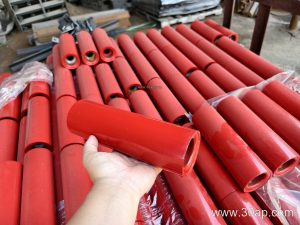
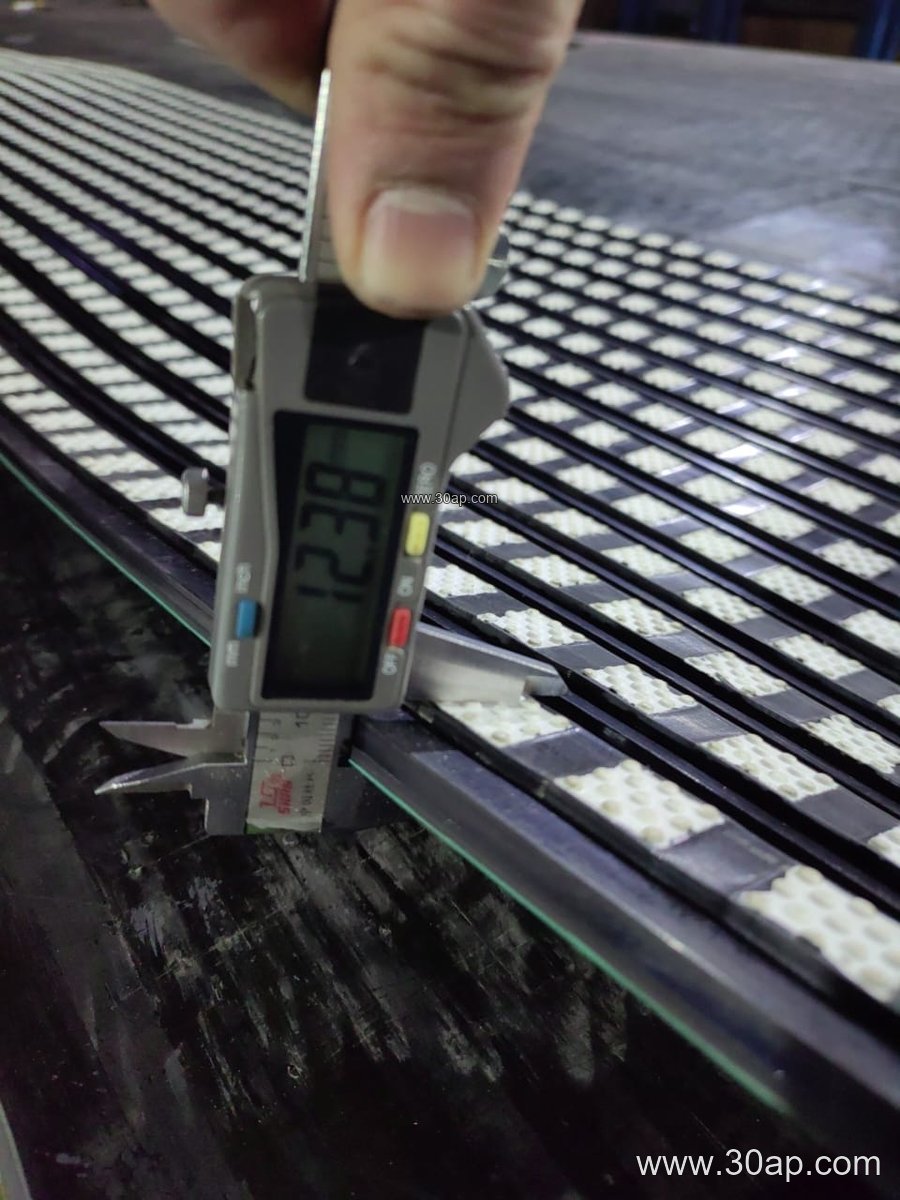
Surface treatment matters because the head pulley transmits drive force through friction. Plain finish is used where grip is adequate. Rubber lagging applied cold or hot-vulcanized improves friction, and grooved patterns such as diamond or herringbone help shed water and fines. Ceramic lagging is chosen where slip and wear are severe. Common lagging thicknesses are 8, 10, 12, 15, and 20 mm, selected according to the duty.
Bearings are usually housed in plummer blocks mounted on a conveyor bracket or frame, with take-up arrangements nearby where the drive is at the head end.
Matching the Pulley to the Belt
Face width normally exceeds belt width so the belt is fully supported. Reference pairings often look like this:
- B500 belt, about 600 mm face width, commonly paired with Ø400 or Ø500 pulleys
- B800 belt, about 950 mm face width, often Ø500 or Ø630
- B1000 belt, about 1150 mm face width, often Ø630 or Ø800
- B1200 belt, about 1400 mm face width, often Ø800 or Ø1000
- B1400 belt, about 1600 mm face width, often Ø1000
- B1600 belt, about 1800 mm face width, often Ø1250
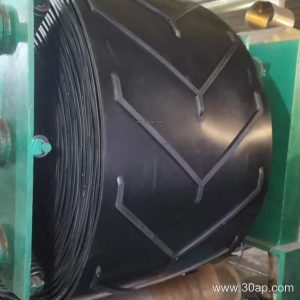
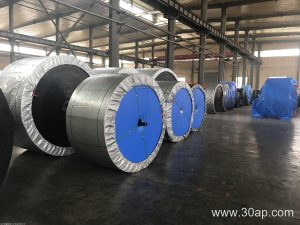
These are common combinations, not fixed rules. One belt width can work with several pulley diameters depending on belt speed, wrap angle, and tension. Shaft sizes commonly fall in the Ø80 to Ø200 range and are confirmed by torque calculation. A fabric-core belt such as an EP conveyor belt or NN belt may call for a smaller drum than a stiff steel cord belt at the same width, because minimum pulley diameter is tied to belt construction as well as load.
Where It Fits in the Plant
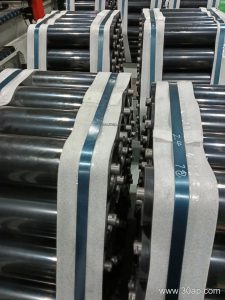
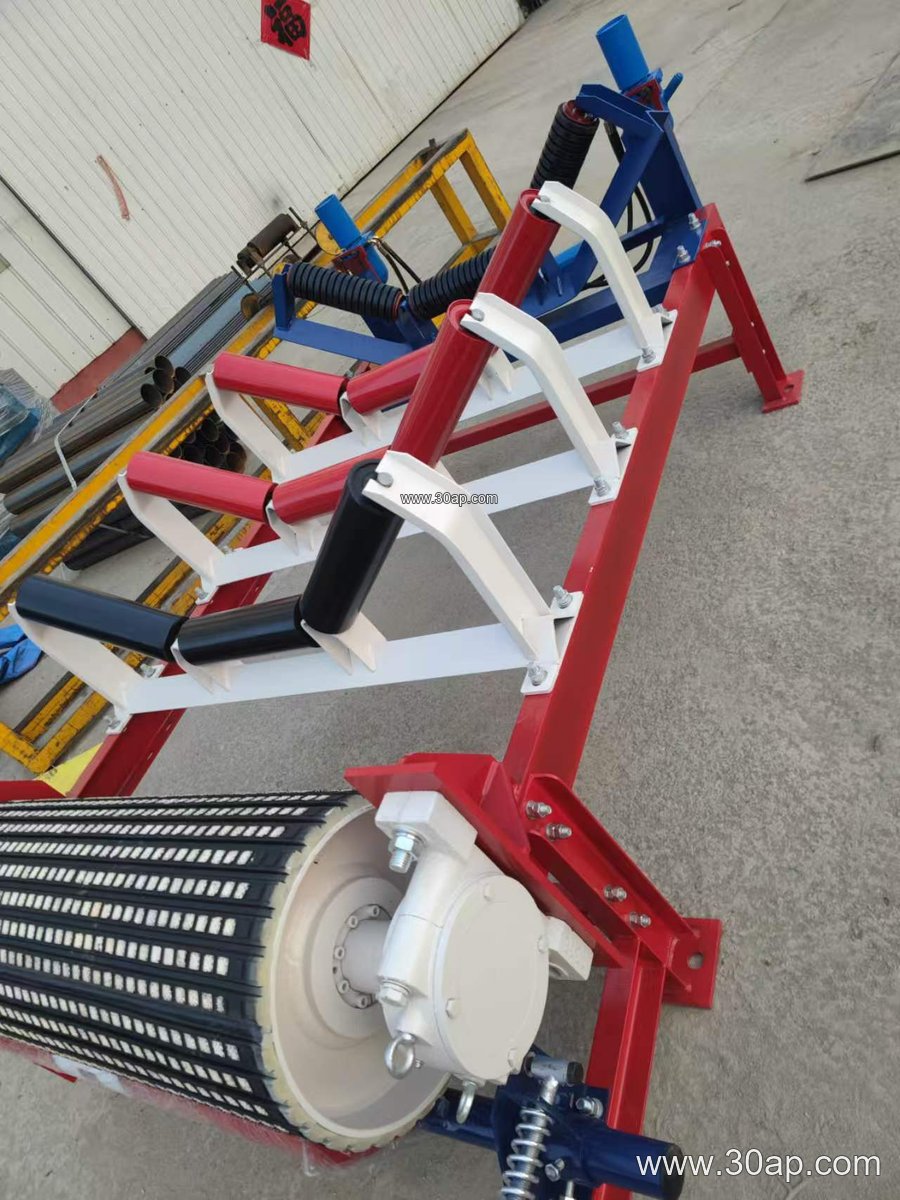
In a sand and aggregate line, the head pulley at the top of a stacker discharges crushed stone onto the stockpile. In a coal-fired power plant, it sits at the transfer house where coal moves from the yard conveyor to the bunker feed. In both cases the pulley works alongside conveyor idlers that support the belt on the carrying side and return side, and the whole assembly is tied into the conveyor frame through the bracket and bearing housings.
Head pulleys should not be confused with tail pulleys at the loading end or bend pulleys that redirect the belt. Each position has its own load profile and lagging needs.
Points to Confirm Before Ordering
- Belt width, belt type, and minimum pulley diameter allowed by the belt maker
- Drive torque, belt tension, and resulting shaft diameter
- Lagging type and thickness, plus whether grooving is needed
- Face width and any crown requirement
- Bearing type, housing, and mounting bracket dimensions
- Balancing grade and surface finish for high-speed operation
When the conveyor handles abrasive ore or hot clinker, pair the pulley specification with a suitable abrasion resistant conveyor belt or heat resistant belt so lagging life and belt life stay in balance. For underground coal work, a flame retardant belt and a properly lagged head pulley together reduce slip and wear.
Installation and Maintenance Notes
Check pulley alignment with the belt centerline during installation; a skewed head pulley causes edge wear and tracking problems. Inspect lagging for glazing, cuts, and embedded material, and re-lag when friction drops. Grease bearings at the recommended interval and watch for temperature rise. Keep the discharge area clear so material does not build up against the pulley face.