What a Ceramic Lagged Pulley Does
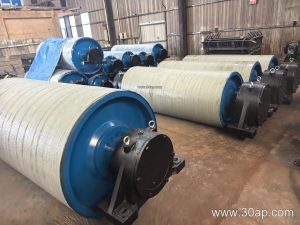
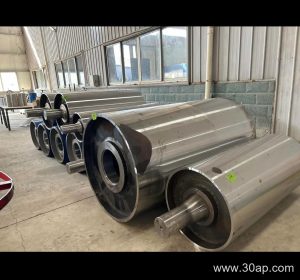
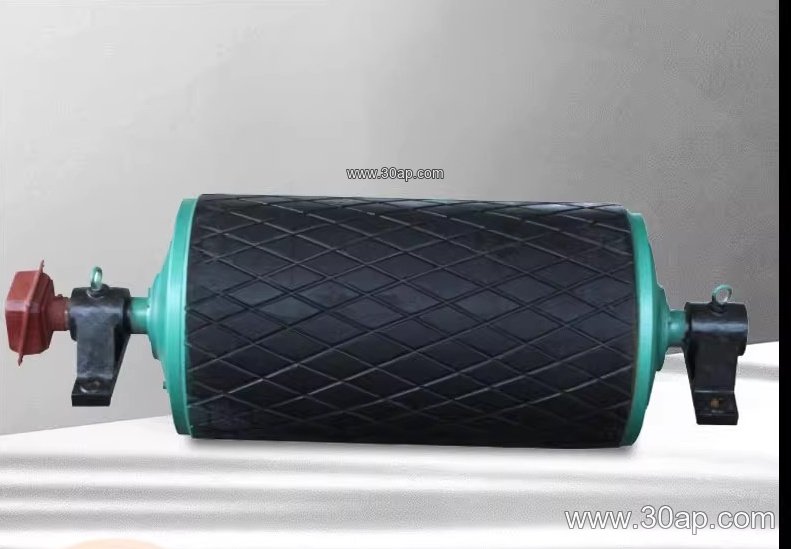
A belt conveyor ceramic lagged pulley is a conveyor pulley whose outer surface is covered with ceramic tiles set into a rubber backing. This ceramic lagging is bonded to the pulley shell to improve grip between the pulley and the conveyor belt, especially in wet, dusty, or oily conditions. Unlike a plain steel drum, the ceramic surface resists polishing and keeps a consistent friction coefficient over a long service life.
These pulleys are commonly used as drive pulleys, where torque transmission is critical. They are not a substitute for tail or bend pulleys; those positions have different demands and usually use different lagging or no lagging at all. When specifying a belt conveyor ceramic lagged pulley, buyers should confirm the pulley’s role in the conveyor system before selecting the surface pattern and thickness.
Construction and Surface Options
The pulley body is typically a welded steel shell with end discs and a shaft. Ceramic lagging is applied in tiles or strips, often with a rubber cushion that absorbs impact and compensates for minor shell irregularities. Common surface forms include diamond pattern and plain ceramic tiles, with thicknesses often in the range of 8 mm to 20 mm depending on the duty. The ceramic segments are embedded so that the belt contacts the ceramic directly, while the rubber provides flexibility and bonding strength.
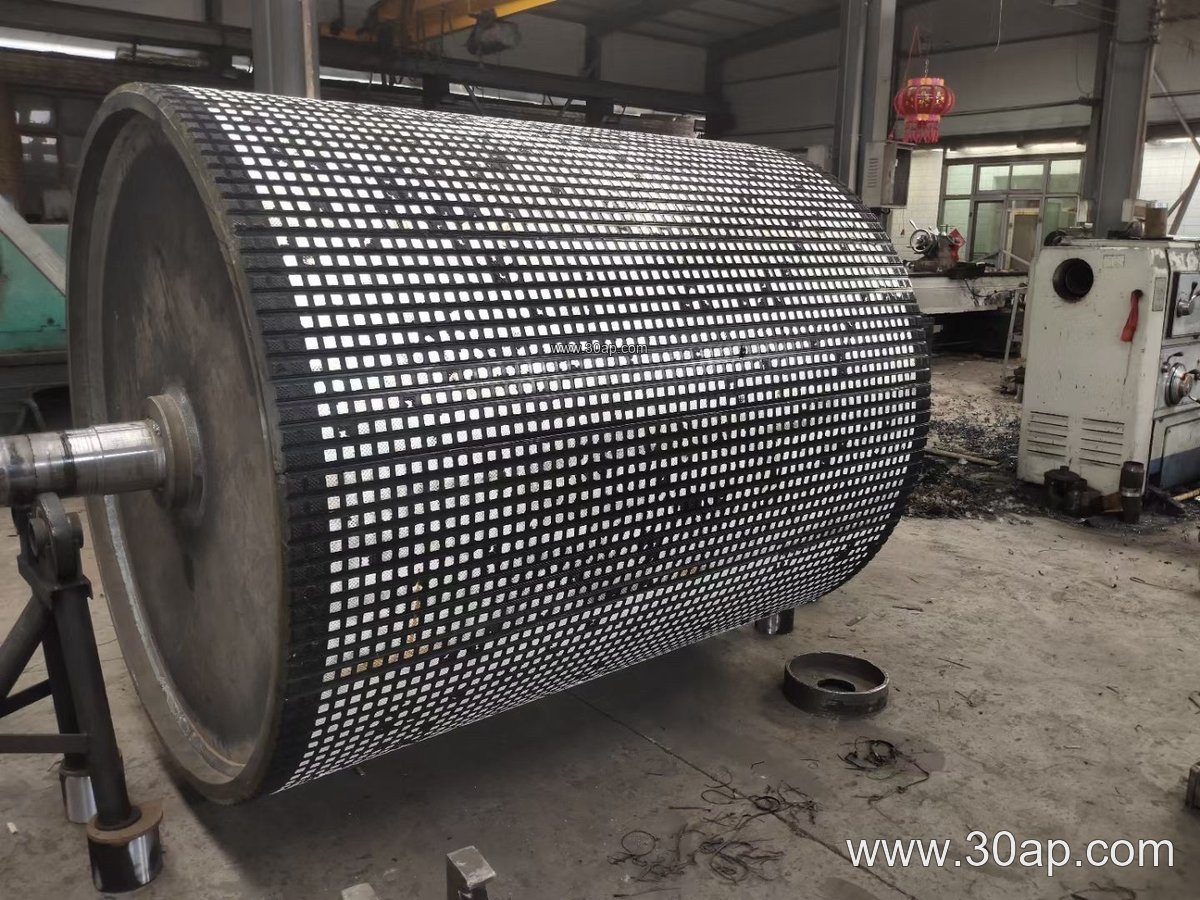
For reference, a B1200 conveyor might use a pulley diameter of Ø1000 with ceramic lagging, while a smaller B800 system could run a Ø500 pulley. These are examples only; actual diameter is determined by belt tension, wrap angle, and shaft load. Shaft diameters commonly range from Ø50 to Ø200, but the correct size must be calculated from torque and radial load, not chosen from belt width alone.
Where It Fits in Bulk Handling
Ceramic lagged pulleys are often found in quarry and aggregate lines, cement plants, and coal handling systems where the belt carries abrasive rock, clinker, or wet coal. In a sand and gravel plant, a drive pulley with ceramic lagging can maintain grip even when the belt surface is damp from washing. In a power plant coal yard, the same pulley helps reduce slip on inclined conveyors that see dust and occasional moisture.
They are also used in iron ore and copper ore operations, where heavy loads and fine particles can polish steel lagging quickly. In these settings, the pulley works together with the conveyor belt, idler rollers, and conveyor brackets to keep the line running. The ceramic surface is especially useful on the drive pulley at the head end, while the tail pulley may use a different lagging or a plain surface.
Selection and Maintenance Notes
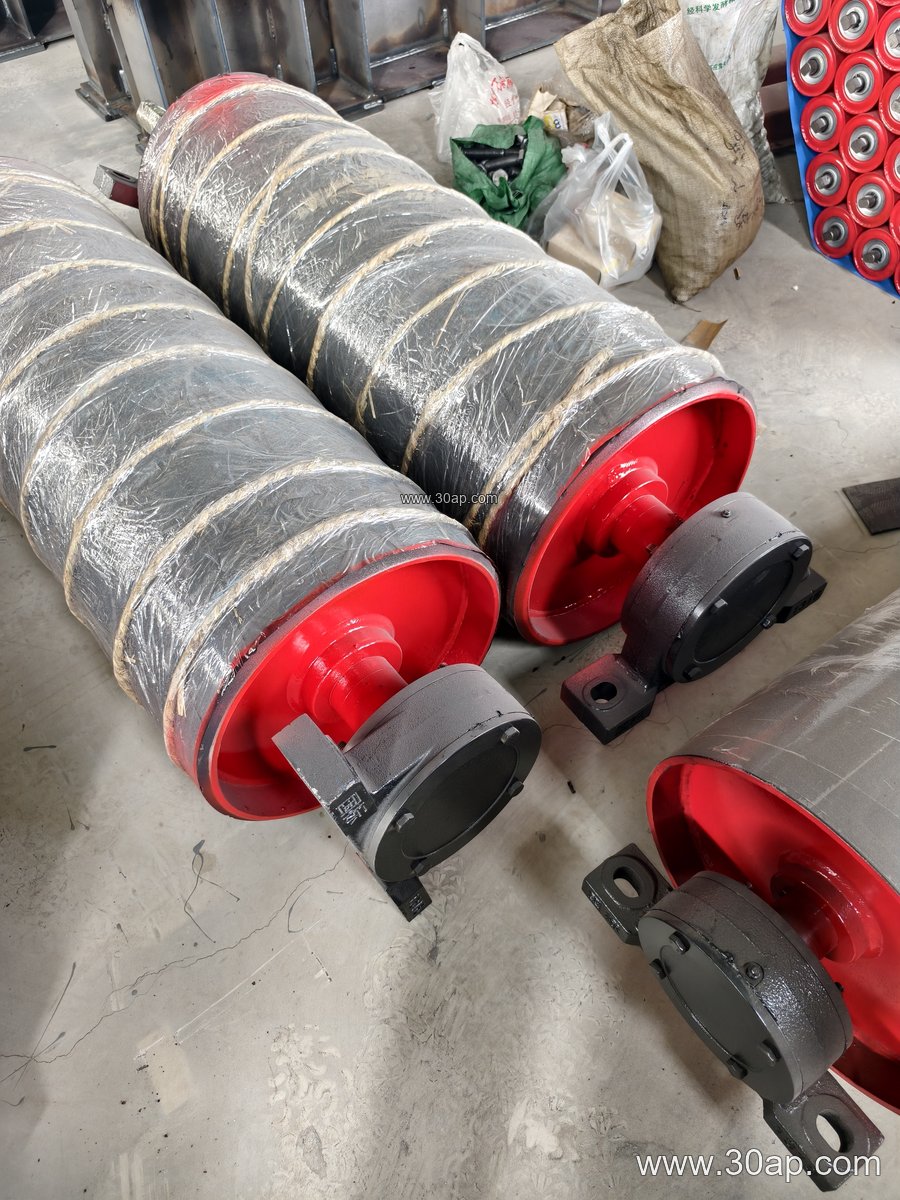
Buyers should match the ceramic lagging to the belt and the environment. For a high-tension steel cord conveyor belt or a heavy-duty fabric core belt, the pulley shell and shaft must be sized for the load. The lagging pattern does not replace proper belt tracking or adequate take-up tension. When replacing a pulley, check the conveyor bracket dimensions and shaft keyway to ensure a correct fit.
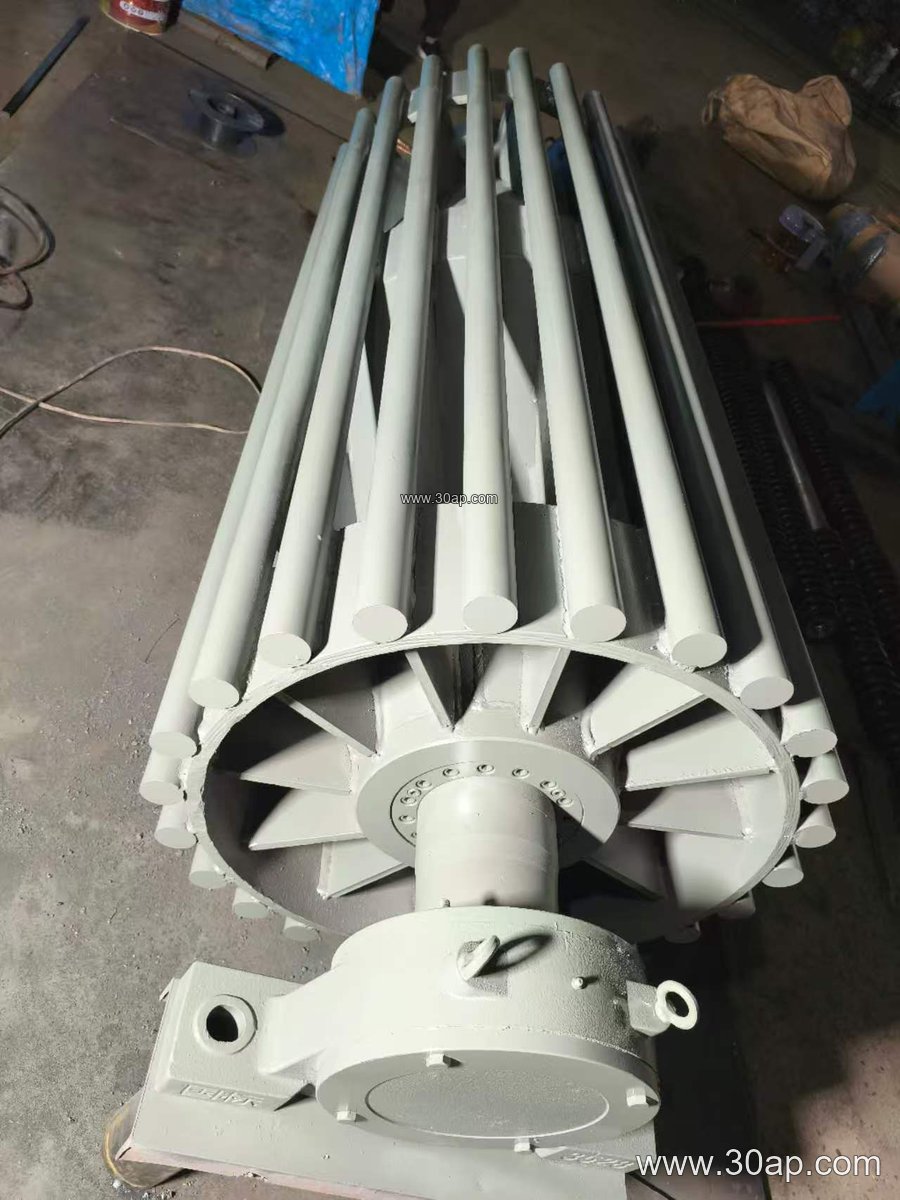
Inspect ceramic tiles periodically for cracks or missing pieces. A damaged tile can reduce grip and may damage the belt. Keep the pulley face clean and avoid excessive belt slip, which can generate heat and wear the lagging. If the conveyor handles oily materials, confirm that the rubber backing is compatible with the oil, or consider an oil resistant conveyor belt in combination with the pulley. For high-temperature service, verify that the lagging and belt can withstand the temperature; a heat resistant conveyor belt may be needed.
Typical Reference Dimensions
The table below shows common combinations for reference only. Final dimensions are set by the conveyor design.
| Belt Width | Pulley Diameter (example) | Lagging Thickness | Common Position |
|---|---|---|---|
| B800 | Ø500 | 10 mm | Drive |
| B1000 | Ø630 | 12 mm | Drive |
| B1200 | Ø1000 | 15 mm | Drive |
| B1400 | Ø800 | 12 mm | Drive |
| B1600 | Ø1250 | 15 mm | Drive |
For more information on related conveyor components, visit conveyor pulley and conveyor belt resources. You can also explore idler roller options to complete your system.