What a Port Conveyor Pulley Does
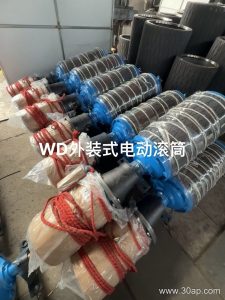
A port conveyor pulley is the cylindrical component that drives, redirects, or tensions the conveyor belt in bulk material handling systems. Unlike a conveyor idler roller that supports the belt along its carrying run, the pulley transmits power and controls belt path at critical transfer points. In port settings, these pulleys handle high-capacity loads and harsh environmental conditions, making their construction and surface treatment essential for reliable operation.
Construction and Surface Options
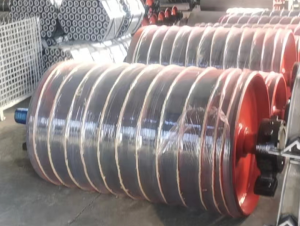
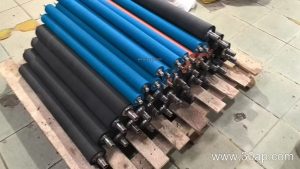
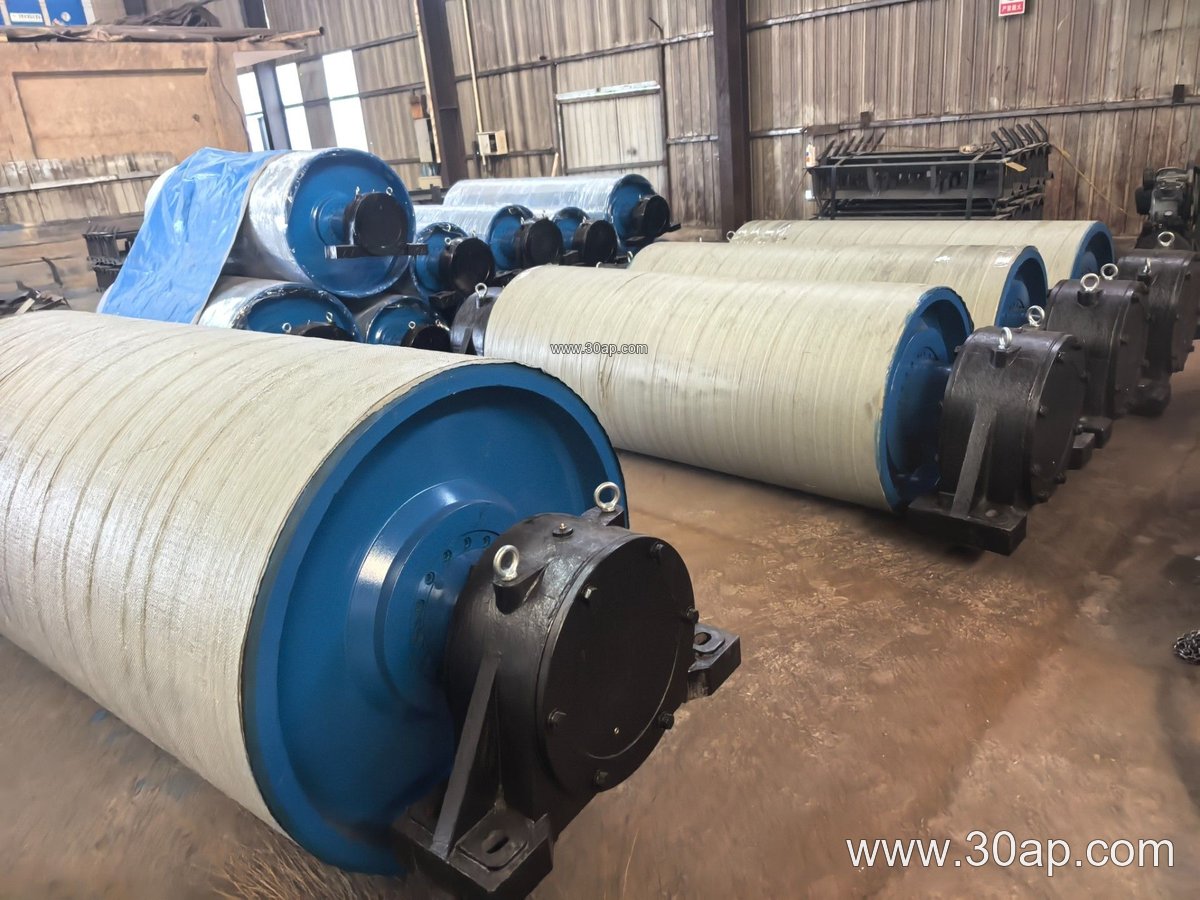
Most pulleys feature a welded steel drum with a shaft, hubs, and bearing assemblies. The surface can be plain, or covered with rubber or ceramic lagging to improve grip. Common lagging types include flat rubber, diamond pattern, herringbone, and ceramic embedded in rubber. Lagging thickness often ranges from 8 mm to 20 mm depending on the application. The pulley face width is typically wider than the belt width to accommodate misalignment—for example, a B1000 belt usually pairs with a pulley face around 1150 mm. Diameter selection depends on belt tension, torque, and space constraints, with common sizes from Ø200 mm to Ø1800 mm. Shaft diameter is determined by torque and load, not by belt width alone; typical shaft sizes include Ø50 mm to Ø200 mm.
Key Pulley Types in Port Operations
Drive pulleys, also called head pulleys, are located at the discharge end and transmit power to the belt. Tail pulleys sit at the loading end and can be fixed or take-up types. Bend pulleys change the belt direction without driving, often used in tensioning systems. These subtypes are not interchangeable—each has a specific role in the conveyor circuit. For instance, a bend pulley cannot replace a drive pulley because it lacks the torque transmission design. In port bulk terminals, drive pulleys often use ceramic lagging for high friction, while tail pulleys may have plain or rubber lagged surfaces to prevent material buildup.
Where Port Conveyor Pulleys Are Used
Port conveyor pulleys are essential in ship loading and unloading systems, stockyard conveyors, and train loading facilities. They also appear in related industries such as coal washing plants, cement clinker lines, and power plant coal handling. In these environments, the pulley must resist abrasion from materials like iron ore, limestone, or coal, and withstand corrosive salt air. A properly selected pulley—with appropriate lagging and sealing—reduces belt slippage and extends conveyor belt life.
Selection Factors for Buyers
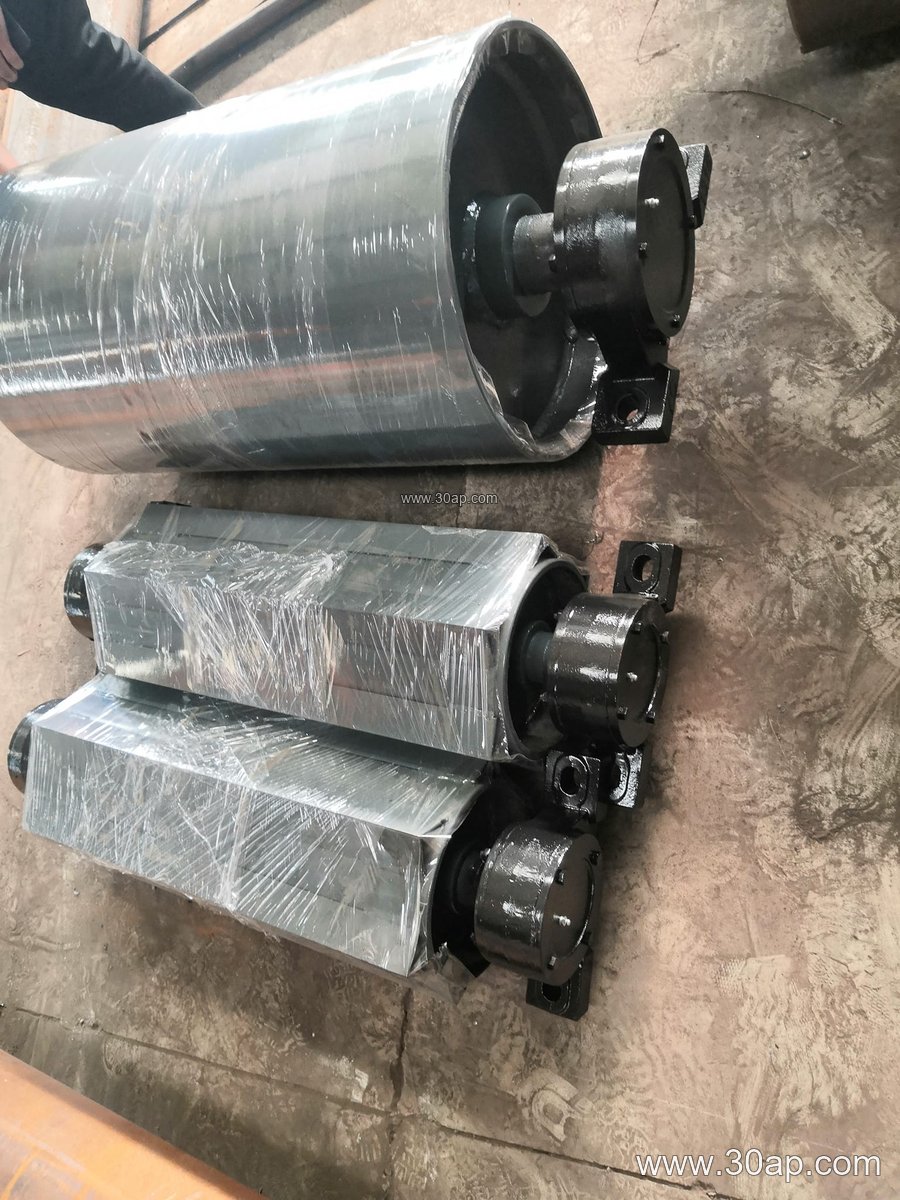
When specifying a port conveyor pulley, consider belt width, belt speed, material characteristics, and environmental conditions. The pulley diameter should be large enough to reduce belt bending stress, but not so large that it conflicts with structural clearances. Lagging choice matters: diamond rubber works well for general bulk handling, while ceramic lagging suits high-torque drive applications. Bearing type and sealing are critical in port environments to prevent contamination. Also verify shaft dimensions and keyway sizes against the conveyor bracket and drive coupling. Avoid assuming a fixed shaft size from belt width; always confirm with torque calculations. Common pulley face widths and belt combinations include B800 × Ø500, B1200 × Ø1000, and B1400 × Ø800, but these are examples, not mandatory pairings.
Maintenance and Reliability Notes
Regular inspection of lagging wear, belt tracking, and bearing condition helps prevent unplanned downtime. In port operations, where conveyors run continuously, keeping spare pulleys or lagging sheets on hand can reduce repair time. Ensure that replacement pulleys match the original specifications for diameter, face width, shaft size, and lagging pattern to maintain belt compatibility. Proper alignment of the pulley with the conveyor bracket and idler roller frame prevents edge damage and extends the life of the entire conveyor system.