What a Q235 Conveyor Bracket Does
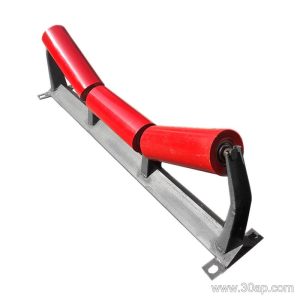
In a belt conveyor system, the Q235 conveyor bracket is the structural element that holds the idler roller in position and maintains the belt’s profile. Often called a Q235 steel bracket or a conveyor support bracket, it carries the load from the belt and material, transfers it to the conveyor frame, and helps keep the belt tracking correctly. At a limestone quarry or a coal washing plant, these brackets are the quiet workhorses that determine how well the belt behaves under load.
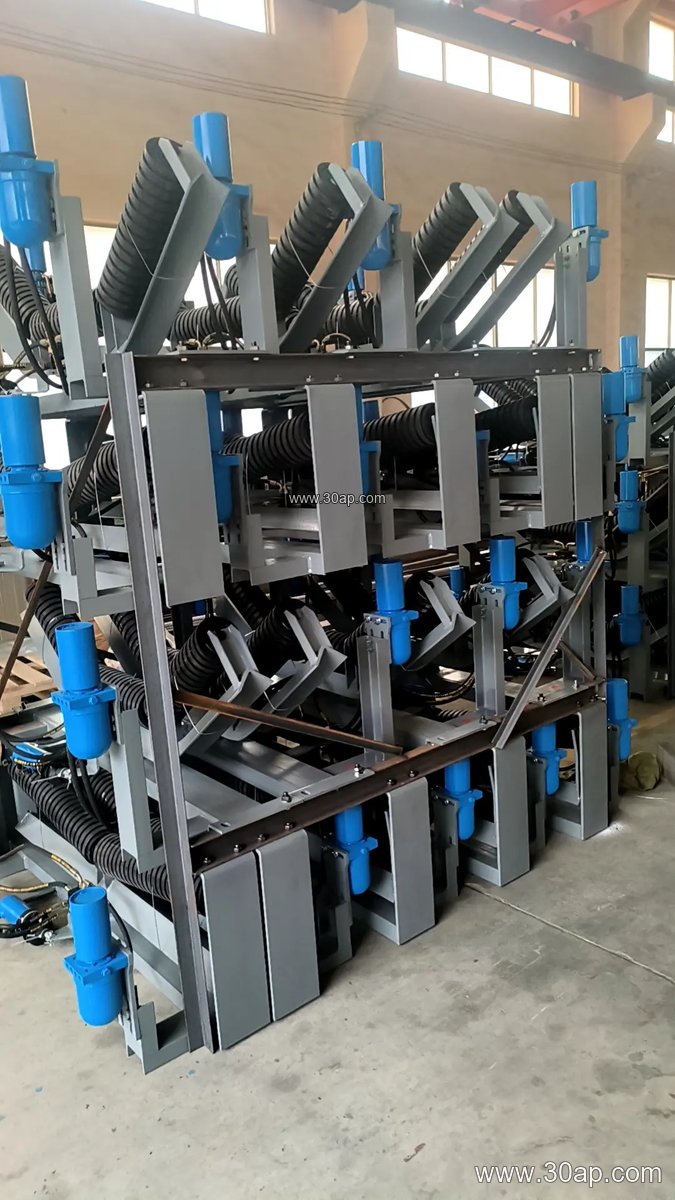
How the Bracket Is Built
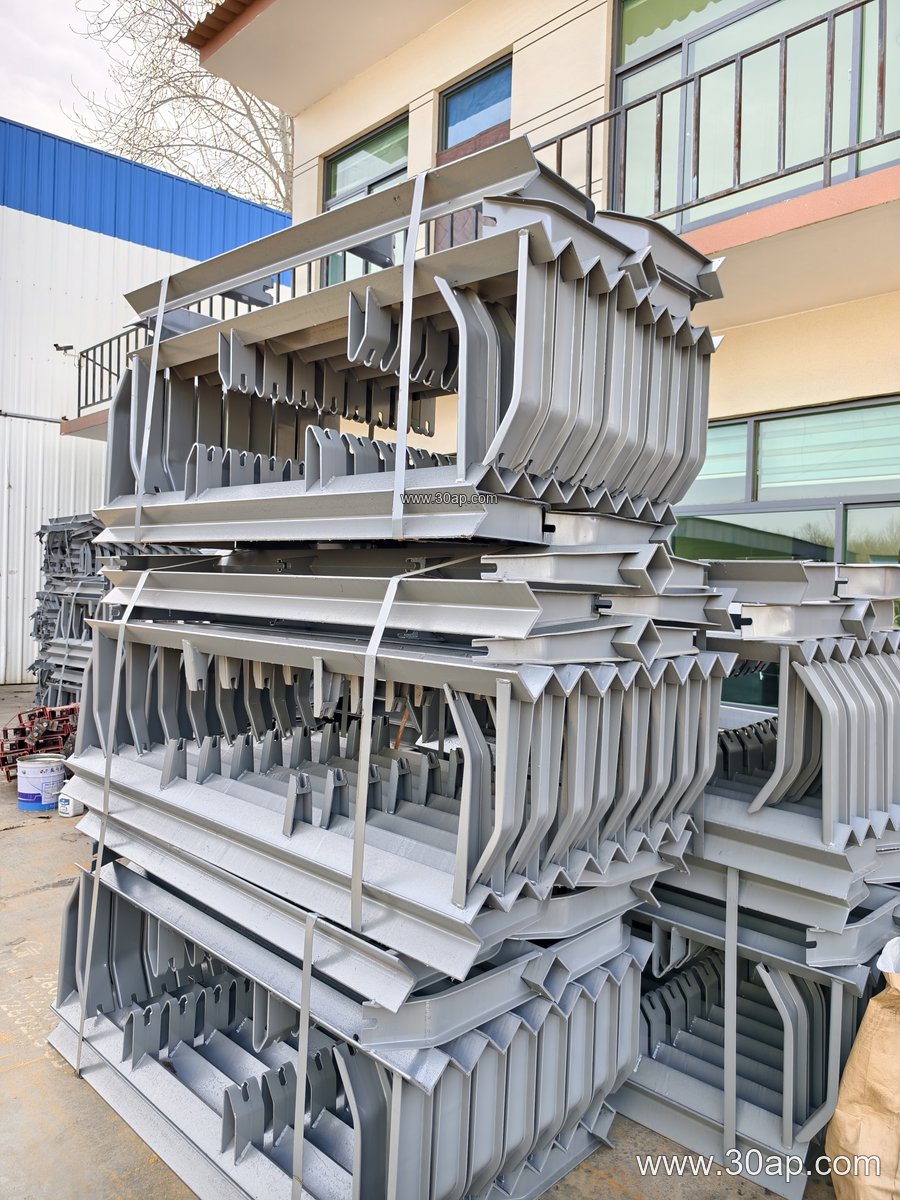
Q235 is a common carbon structural steel known for good weldability and moderate strength. Brackets are typically fabricated from angle steel, channel steel, or bent steel plate. The design may be fixed or adjustable, and the surface is usually painted or galvanized to resist corrosion. The bracket’s shape and hole pattern are determined by the belt width, trough angle, and roller diameter it must support. Mounting hole spacing and beam length vary with these parameters and are set by the conveyor design, not by a universal formula.
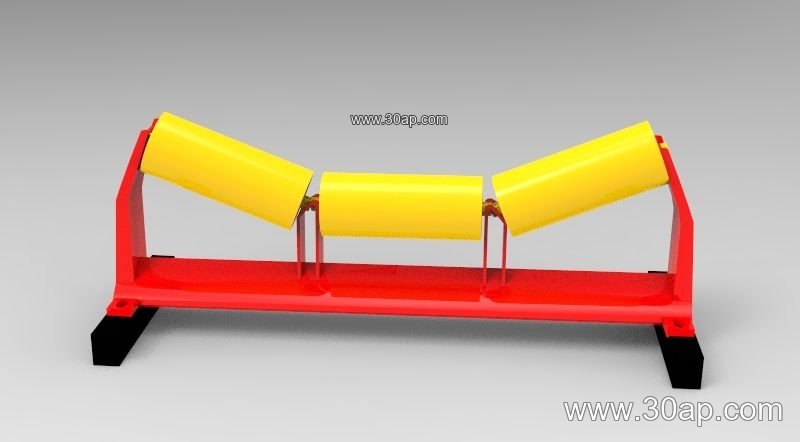
Typical Types and Their Roles
- Carrying trough bracket – supports the upper idler roller at a set trough angle, giving the belt a trough shape to contain bulk material.
- Return bracket – holds the lower idler roller that supports the empty return belt.
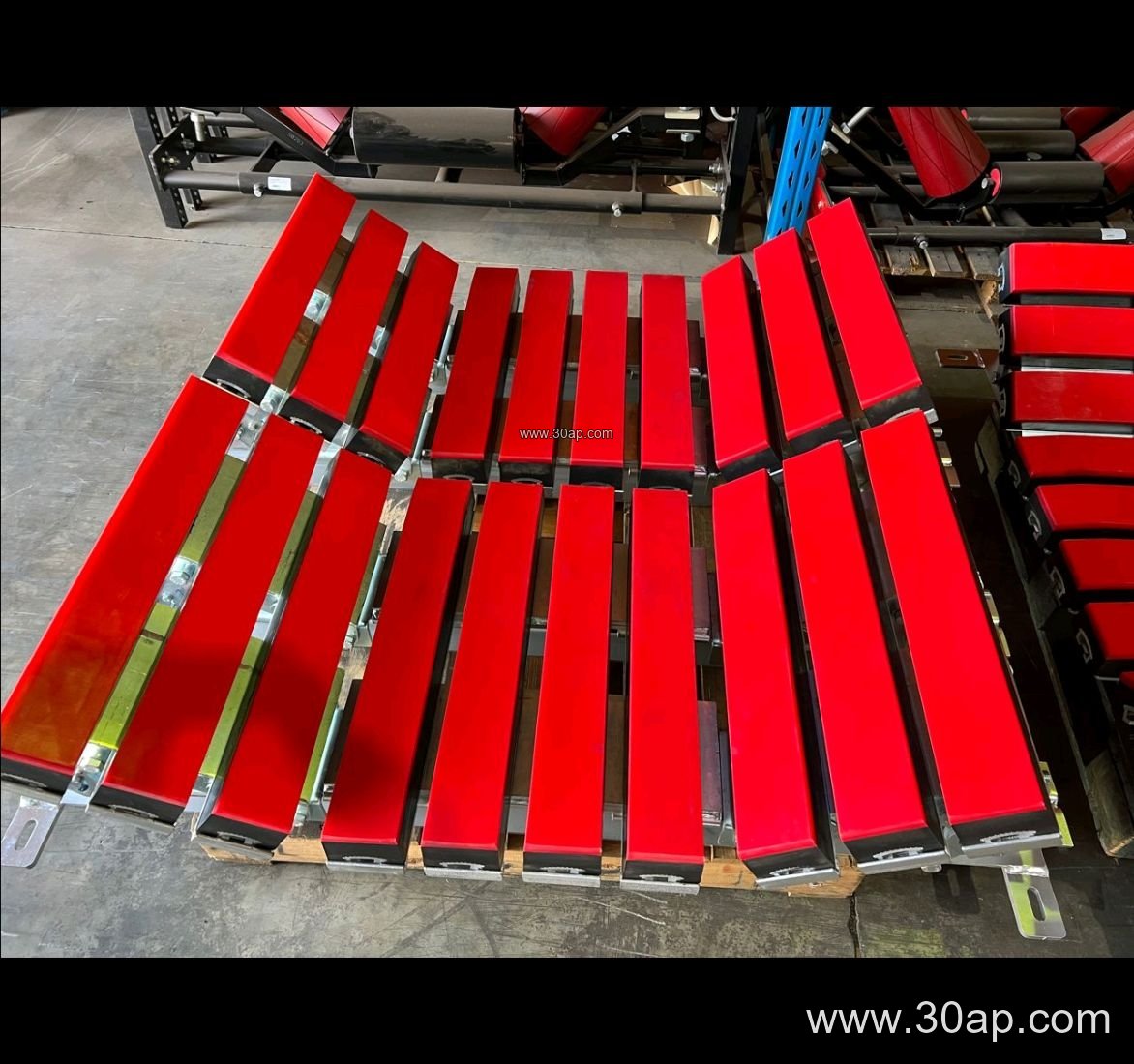
- Impact bracket – used at loading points, often paired with impact rollers to absorb shock from falling material.
- Self-aligning bracket – helps correct belt misalignment by allowing slight pivot movement.
- Adjustable bracket – allows the trough angle to be changed on site, useful during commissioning or when material characteristics change.
Matching Bracket to Belt and Roller
Selecting a Q235 conveyor bracket starts with the belt width, trough angle, and roller diameter. Common belt widths include B500, B650, B800, B1000, B1200, B1400, B1600, B1800, B2000, B2200. Trough angles are usually 20°, 30°, 35°, or 45°, and adjustable brackets can be set within a range. Roller diameters such as Ø89, Ø108, Ø133, Ø159, and Ø194 are matched to the load and belt speed. For example, a B800 belt at 35° trough angle with Ø108 rollers is a common combination in aggregate plants, while a B1200 belt at 45° with Ø133 rollers may suit a heavier ore application. These are reference examples, not fixed rules; the final choice depends on the conveyor design.
| Parameter | Common Options | Notes |
|---|---|---|
| Material | Q235 angle steel, channel steel, bent plate | Weldable, moderate strength |
| Belt width | B500 to B2200 | Hole spacing varies with width |
| Trough angle | 20°, 30°, 35°, 45° | Adjustable types allow change |
| Roller diameter | Ø89, Ø108, Ø133, Ø159, Ø194 | Selected by load and speed |
| Finish | Painted or galvanized | For corrosion resistance |
Where Q235 Conveyor Brackets Are Used
These brackets appear across many bulk handling operations. In a cement plant, they support the clinker and raw meal belts. In a power plant coal yard, they hold the idlers under a coal mining conveyor belt. In a stone crushing line, they keep the abrasion resistant conveyor belt aligned through the transfer points. The same bracket design is used in fertilizer plants, grain silos, and tunnel spoil removal. Because Q235 is easy to fabricate, brackets can be produced to match specific frame dimensions without long lead times.
Buyer Checklist
Before ordering, confirm the belt width, trough angle, roller diameter, and mounting hole pattern. Ask whether the bracket is fixed or adjustable, and check the surface treatment for the environment — a washdown area may need galvanizing, while a dry coal yard may accept paint. Verify that the bracket fits the existing conveyor frame and that the roller shaft size matches the bracket slot. For high-abrasion service, consider how the bracket sheds spillage; a design that traps material can accelerate wear on the steel cord conveyor belt and idlers. Also confirm the bracket’s load rating with the roller manufacturer, especially on wide belts like B1800 or B2000 where the weight of material and belt is significant.
Maintenance Notes
Inspect brackets for loose bolts, bent legs, and corrosion at weld joints. A misaligned or damaged bracket can cause the belt to train poorly, leading to edge damage on the EP conveyor belt and uneven idler wear. Keep the bracket area clear of buildup, and replace deformed brackets rather than trying to bend them back into shape. In dusty operations such as a lime kiln or coal preparation plant, periodic cleaning helps maintain proper roller contact and extends the life of the idler roller and the bracket itself.