What a Conveyor Tail Pulley Does
The conveyor tail pulley is the drum at the return end of a belt conveyor. It supports the belt as it loops back to the loading zone and, in many arrangements, works with a take-up system to keep tension steady. Unlike the drive pulley that transmits power, or a bend pulley that simply changes belt direction, the tail pulley is primarily a guiding and tensioning component. In a quarry or a coal preparation plant, this pulley often sits in a dusty, abrasive environment, so its design and surface treatment matter for reliable tracking.
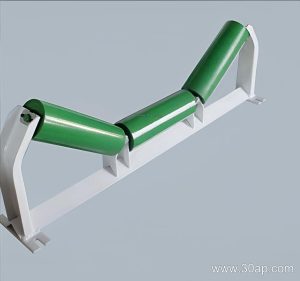
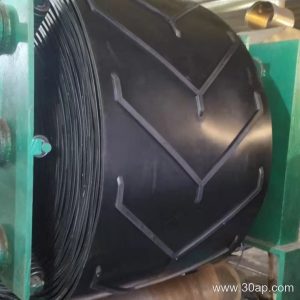
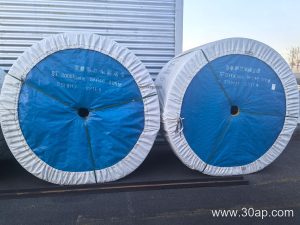
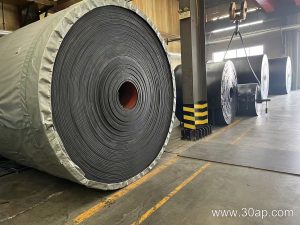
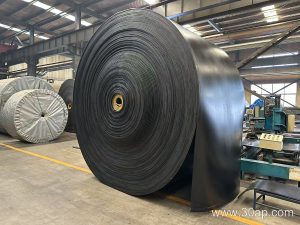
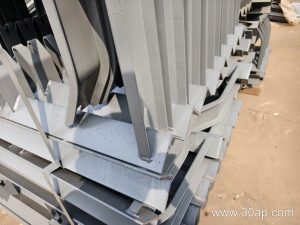
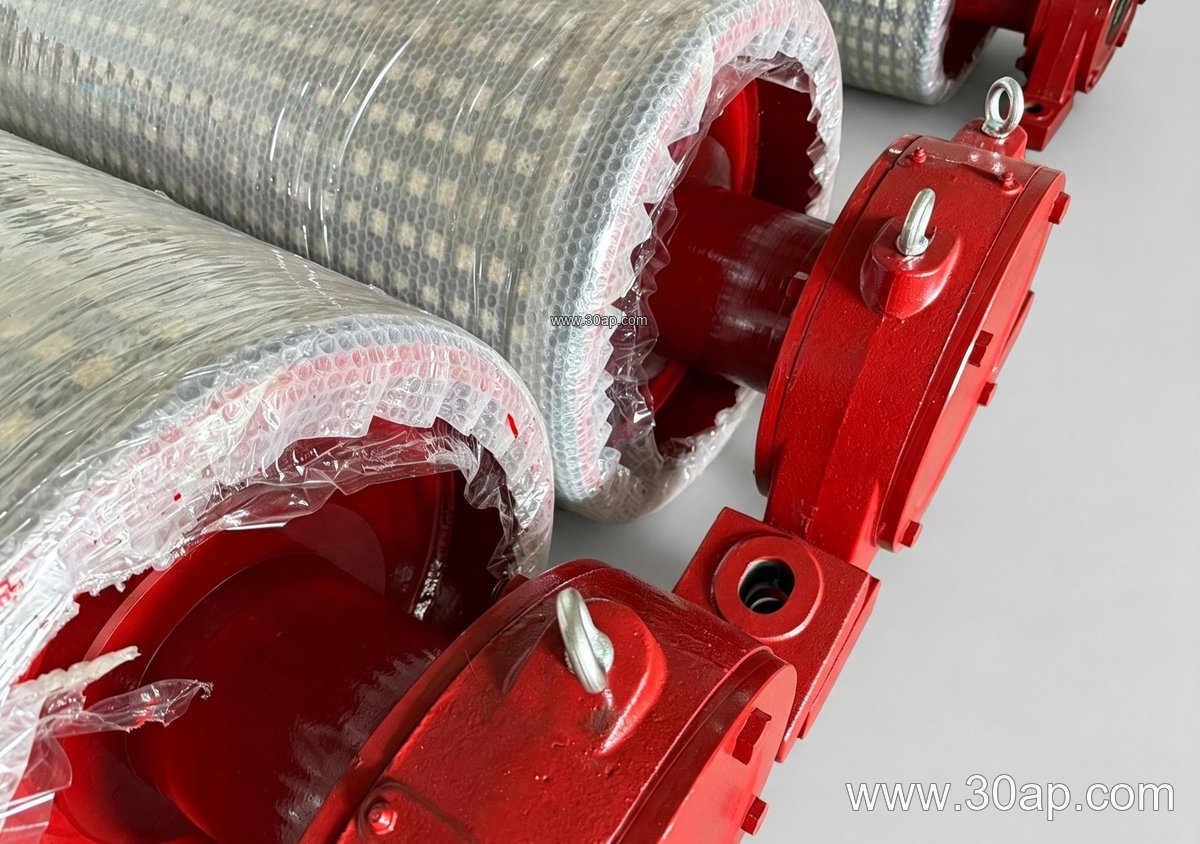
Because the tail pulley is not interchangeable with a drive pulley or a bend pulley, engineers specify it separately. A typical conveyor pulley assembly may include a conveyor bracket for mounting, while the belt itself might be a heavy-duty mining conveyor belt or an abrasion resistant conveyor belt depending on the material. The tail pulley’s job is to keep that belt centered and moving smoothly at the return end.
Construction and Surface Options
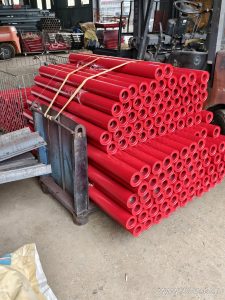
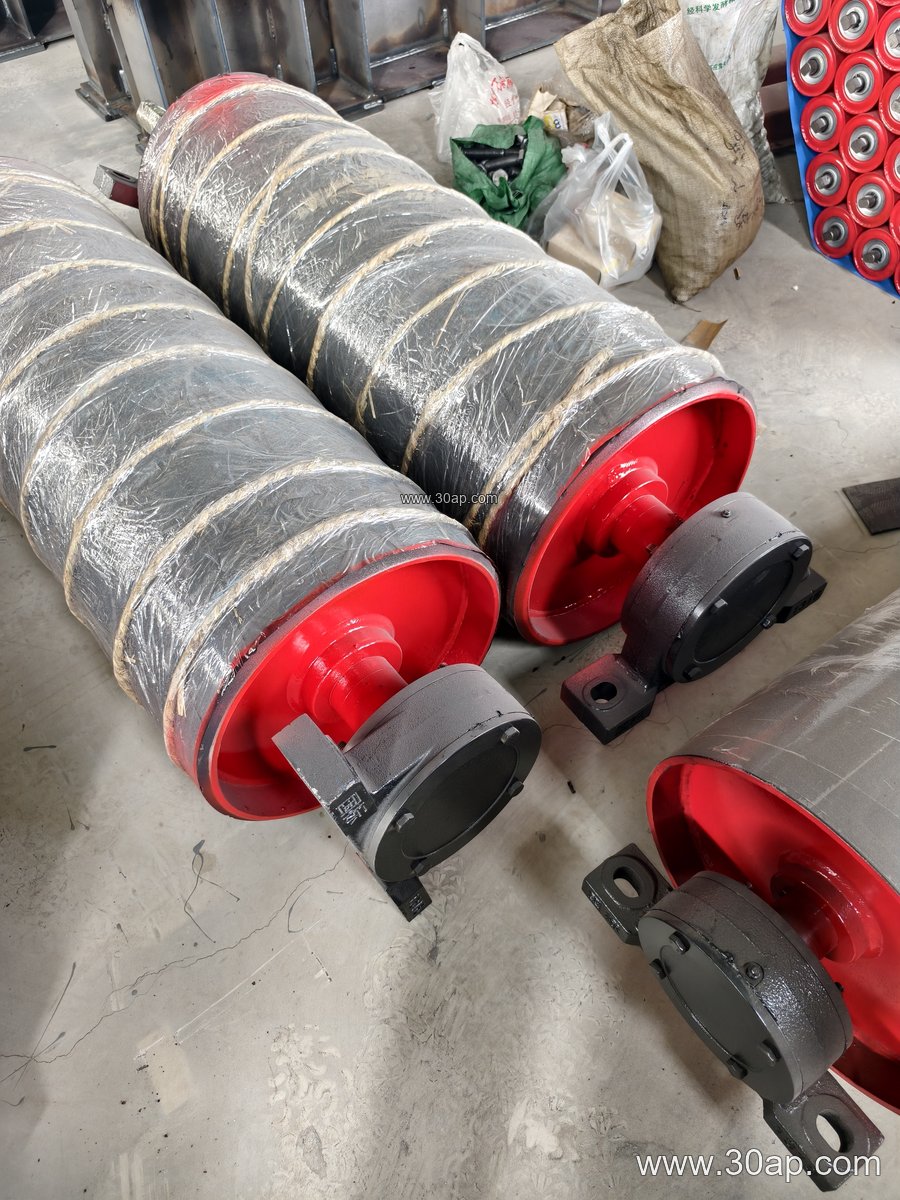
Most tail pulleys are built as a welded steel drum with a shaft, hub, and end discs. The drum face can be plain, or covered with rubber or ceramic lagging to improve grip and reduce wear. Common surface forms include plain, cold-bonded rubber, hot vulcanized rubber, diamond pattern lagging, and ceramic lagging. Lagging thickness often falls in the 8 mm to 20 mm range, with 10 mm or 12 mm being typical for many bulk applications.
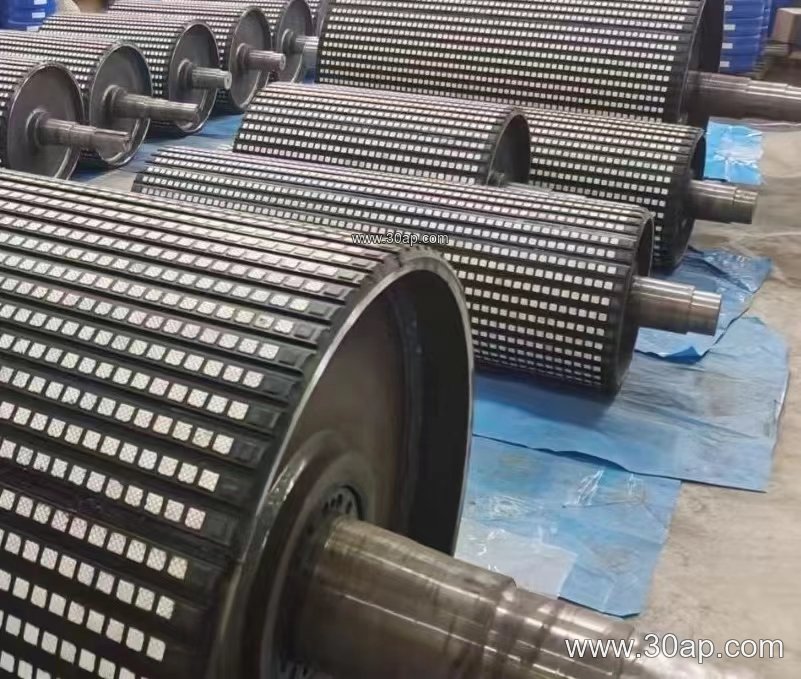
The pulley diameter is selected based on belt thickness, tension, and the required bending radius of the belt. For example, a B800 belt might run on a Ø500 tail pulley, while a B1200 conveyor could use a Ø1000 drum. These are common combinations, not fixed rules. Shaft diameter is determined by torque and load, with common sizes such as Ø80, Ø100, or Ø120 mm. The pulley face width is usually slightly wider than the belt: a B650 belt often matches a 750 mm face, and a B1000 belt a 1150 mm face.
Where It Fits in the System
Tail pulleys are found in almost every belt conveyor, from small aggregate lines to long overland systems. In a sand and gravel plant, the tail pulley at the feed end helps guide the belt after material is loaded. In a cement plant’s clinker handling section, a rubber-lagged tail pulley can reduce slip and protect the belt. Power plant coal conveyors often use flame retardant conveyor belts, and the tail pulley must be sized to match the belt’s tension and speed.
When the tail pulley is part of a take-up system, it may be mounted on a sliding frame or a pivoting arm. The conveyor bracket and idler roller frames nearby must be aligned carefully so the belt does not mistrack. In underground mining, space is tight, so compact tail pulley designs with sturdy shafts are preferred. A pipe conveyor belt or a corrugated sidewall conveyor belt may require a different pulley profile, but the tail pulley remains a separate, specific component.
Selection and Maintenance Notes
Buyers should provide the belt width, belt type, maximum tension, and environmental conditions when specifying a tail pulley. For a steel cord conveyor belt, the pulley diameter may need to be larger to avoid excessive bending stress. For a fabric core conveyor belt such as EP or NN, standard drum sizes often work. The table below shows typical reference dimensions; actual sizes are determined by the conveyor design.
| Belt Width (mm) | Common Pulley Face (mm) | Example Diameter (mm) | Typical Lagging |
|---|---|---|---|
| B400 | 500 | Ø200–Ø315 | Plain or 8 mm rubber |
| B650 | 750 | Ø315–Ø500 | 10 mm rubber |
| B800 | 950 | Ø400–Ø630 | 10–12 mm diamond |
| B1000 | 1150 | Ø500–Ø800 | 12 mm rubber or ceramic |
| B1200 | 1400 | Ø630–Ø1000 | 15 mm rubber |
| B1400 | 1600 | Ø800–Ø1250 | 15 mm rubber |
Routine checks include lagging wear, shaft play, and bearing condition. A worn lagging can cause belt slip and misalignment, especially in wet or muddy conditions. For abrasive materials like iron ore or copper ore, ceramic lagging may extend service life. In cold climates, a cold resistant conveyor belt may be used, and the tail pulley should be inspected for ice buildup. Always confirm that the pulley is compatible with the conveyor belt’s splice type and the required take-up travel.
For more information on related components such as conveyor pulley assemblies, idler roller selection, and rubber conveyor belt options, consult your conveyor designer. A well-matched tail pulley helps keep the entire system running efficiently, whether in a stone crushing plant or a port bulk terminal.