What a Bend Rubber Lagged Pulley Does
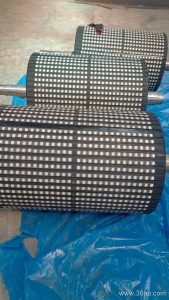
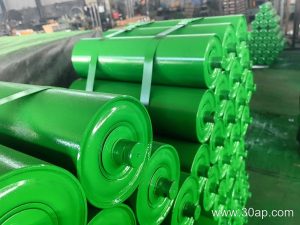
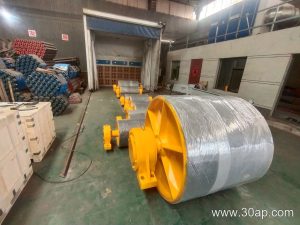
A bend rubber lagged pulley is a conveyor pulley used to change the direction of the conveyor belt without driving it. It is often installed where the belt needs to be routed around an obstacle or to increase wrap angle on another pulley. Unlike drive pulleys that transmit power and tail pulleys that support the return side, this pulley primarily guides the belt and maintains proper tension. In a typical conveyor system, you might find one or more bend pulleys working alongside the head pulley, tail pulley, and idler rollers. The rubber lagging on the pulley surface improves grip and reduces belt slippage, which is especially useful in dusty or wet conditions found in industries such as mining, cement, and power plants.
Construction and Lagging Options
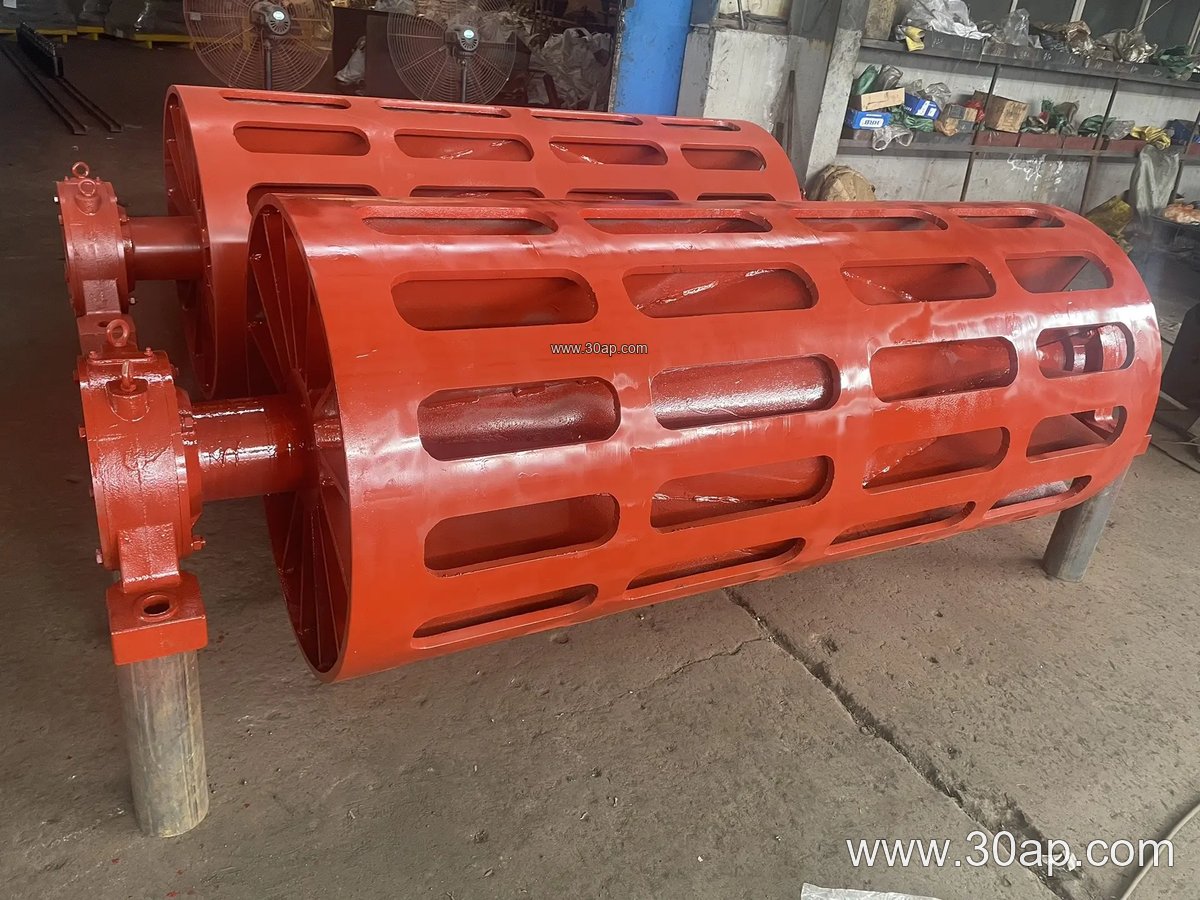
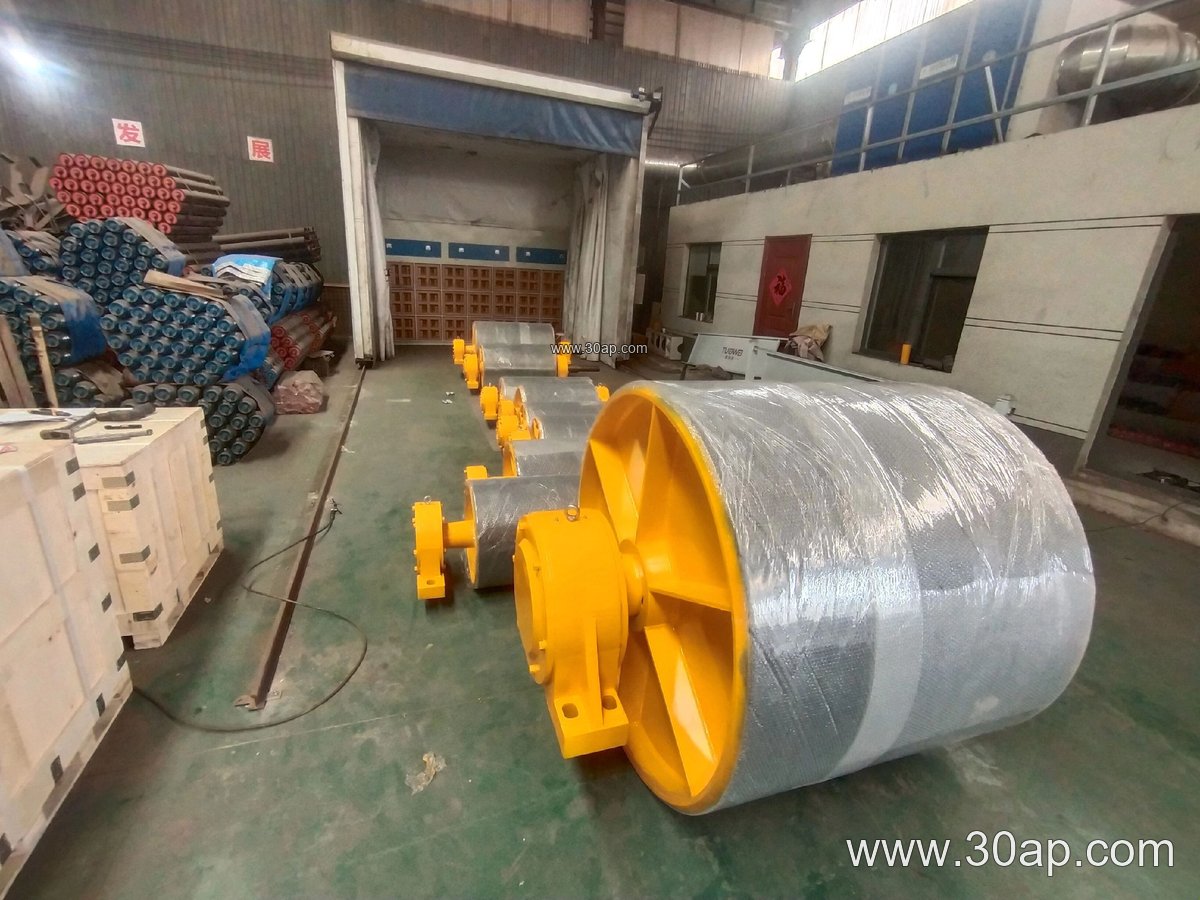
The bend rubber lagged pulley consists of a cylindrical shell, shaft, hubs, and lagging. The shell is usually made from steel pipe or plate, machined for balance. The shaft is sized according to torque and load requirements, not simply by belt width. Common shaft diameters include Ø50, Ø60, Ø70, Ø80, Ø90, Ø100, Ø120, Ø140, Ø160, Ø180, and Ø200 mm. The lagging is applied to the shell surface to increase friction and protect the belt. Rubber lagging can be cold-bonded or hot-vulcanized, and surface patterns include smooth, diamond, and herringbone. Lagging thickness commonly ranges from 8 to 20 mm. For example, a bend pulley with B800 belt width might have a shell width of about 950 mm and a diameter of Ø500 mm, but these are typical references, not fixed rules. The rubber lagging on a bend pulley is often smooth or lightly patterned because its main role is guidance rather than high-traction driving.
Where It Fits in the Conveyor Layout
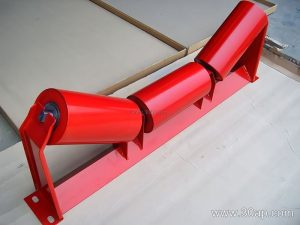
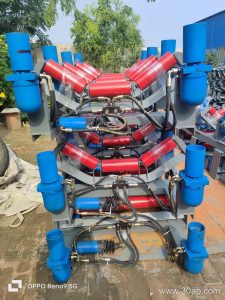
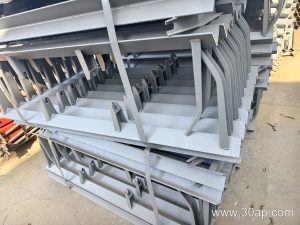
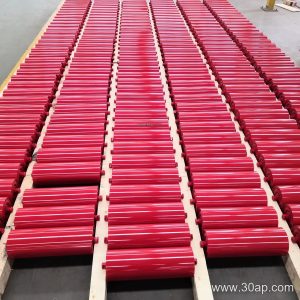
Bend pulleys are common in long overland conveyors, plant conveyors, and mobile crushing plants. In a quarry or aggregate line, a bend pulley may route the belt around a transfer tower. In a coal mining conveyor, it helps maintain belt alignment through tight spaces. The pulley works together with the conveyor belt, which may be an EP conveyor belt or a steel cord conveyor belt depending on load. It also interacts with idler rollers and conveyor brackets that support the belt along its path. While drive and tail pulleys handle power and tension, the bend pulley ensures the belt follows the intended path without rubbing against structures. In some installations, a bend pulley is used to increase the wrap angle on a drive pulley, improving traction.
Key Parameters for Selection
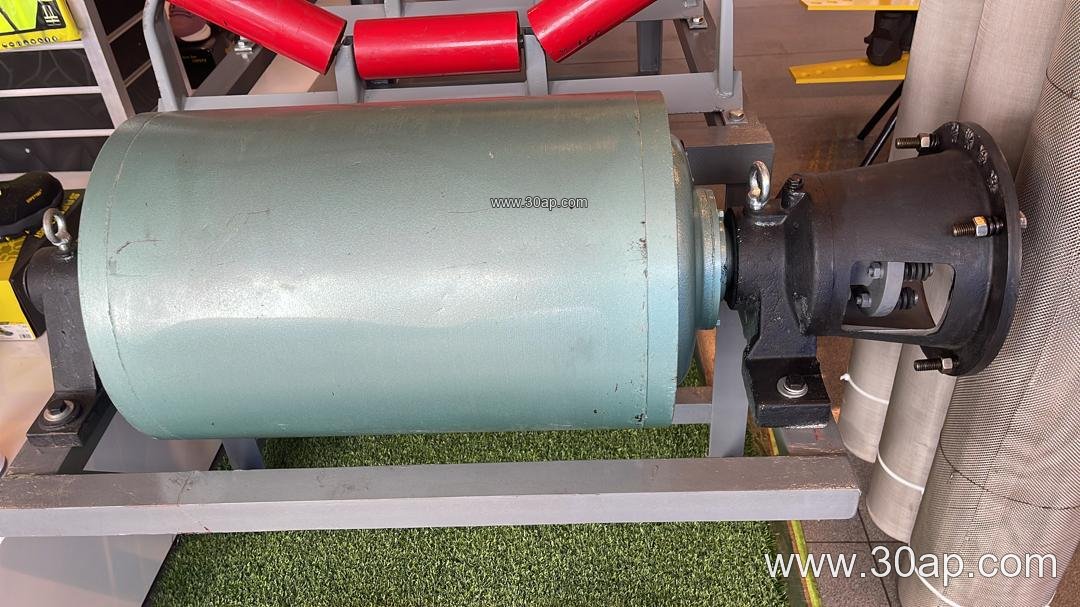
When specifying a bend rubber lagged pulley, consider belt width, pulley diameter, shaft diameter, lagging type and thickness, and bearing size. The table below shows common reference combinations, but final dimensions should be confirmed by the conveyor designer.
| Belt Width (mm) | Typical Shell Width (mm) | Common Diameter Range (mm) | Lagging Thickness (mm) |
|---|---|---|---|
| B400 | 500 | Ø200–Ø315 | 8–10 |
| B650 | 750 | Ø250–Ø400 | 8–12 |
| B800 | 950 | Ø315–Ø500 | 10–12 |
| B1000 | 1150 | Ø400–Ø630 | 10–15 |
| B1200 | 1400 | Ø500–Ø800 | 12–15 |
| B1400 | 1600 | Ø630–Ø1000 | 12–20 |
| B1600 | 1800 | Ø800–Ø1250 | 15–20 |
Note that a given belt width can accommodate several pulley diameters depending on load and space. Shaft diameter is determined by torque and bearing life, not by belt width alone. Always consult the conveyor design for exact values.
Buyer Checklist
- Confirm the pulley’s location (bend, drive, tail) and its function.
- Check belt width and required shell width — shell is usually wider than belt.
- Select lagging type and thickness based on environment: rubber lagging for general grip, diamond or herringbone for wet conditions.
- Verify shaft diameter and bearing size against load calculations.
- Ensure compatibility with conveyor brackets and idler rollers.
- Consider the conveyor belt type, such as abrasion resistant conveyor belt or heat resistant conveyor belt, as it affects pulley lagging choice.
For reliable direction change in industries from sand and gravel plants to iron ore mines, a properly specified bend rubber lagged pulley helps keep the belt on track and reduces maintenance. For more information on related components like conveyor pulley and idler roller, visit our website.