What a Return Idler Does on a Belt Conveyor
The Belt Conveyor Return Idler is the roller set that supports the empty, returning strand of the conveyor belt on its way back to the tail end. While the carrying side gets most of the attention, the return run quietly does half the mechanical work: it holds the belt in a stable path, limits sag between support points, and helps the belt track straight. In a quarry, a coal handling system, or a cement plant, a poorly chosen return idler shows up quickly as belt wander, edge wear, or spillage.
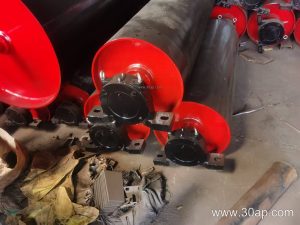
Also called a return roller or lower idler, this component is distinct from the drive pulley, tail pulley, and bend pulley. Those pulleys transmit power and change belt direction; the return idler only carries the belt. Mixing up these roles leads to the wrong spare part on site.
Construction and Common Forms
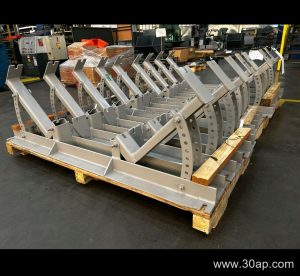
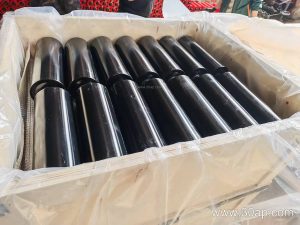
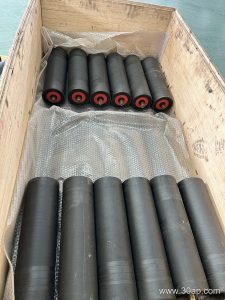
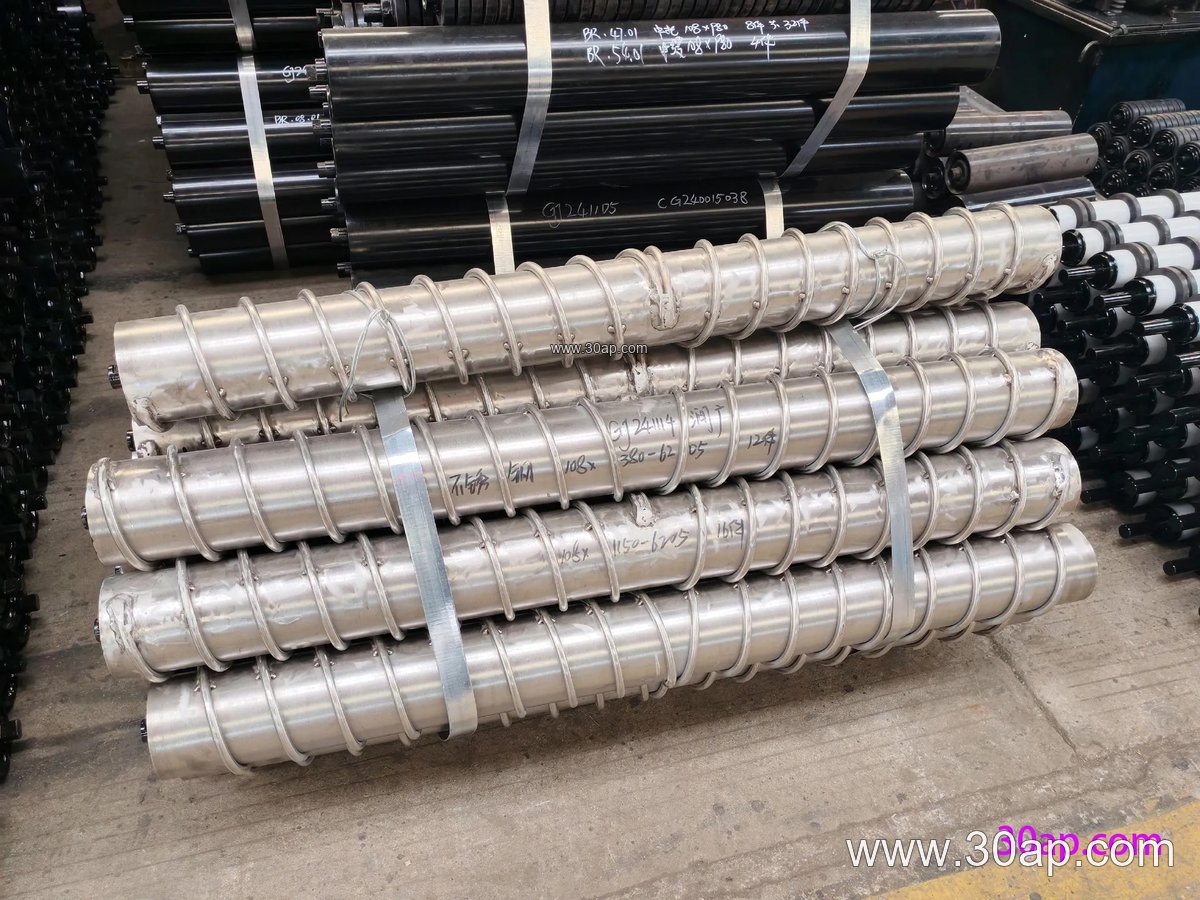
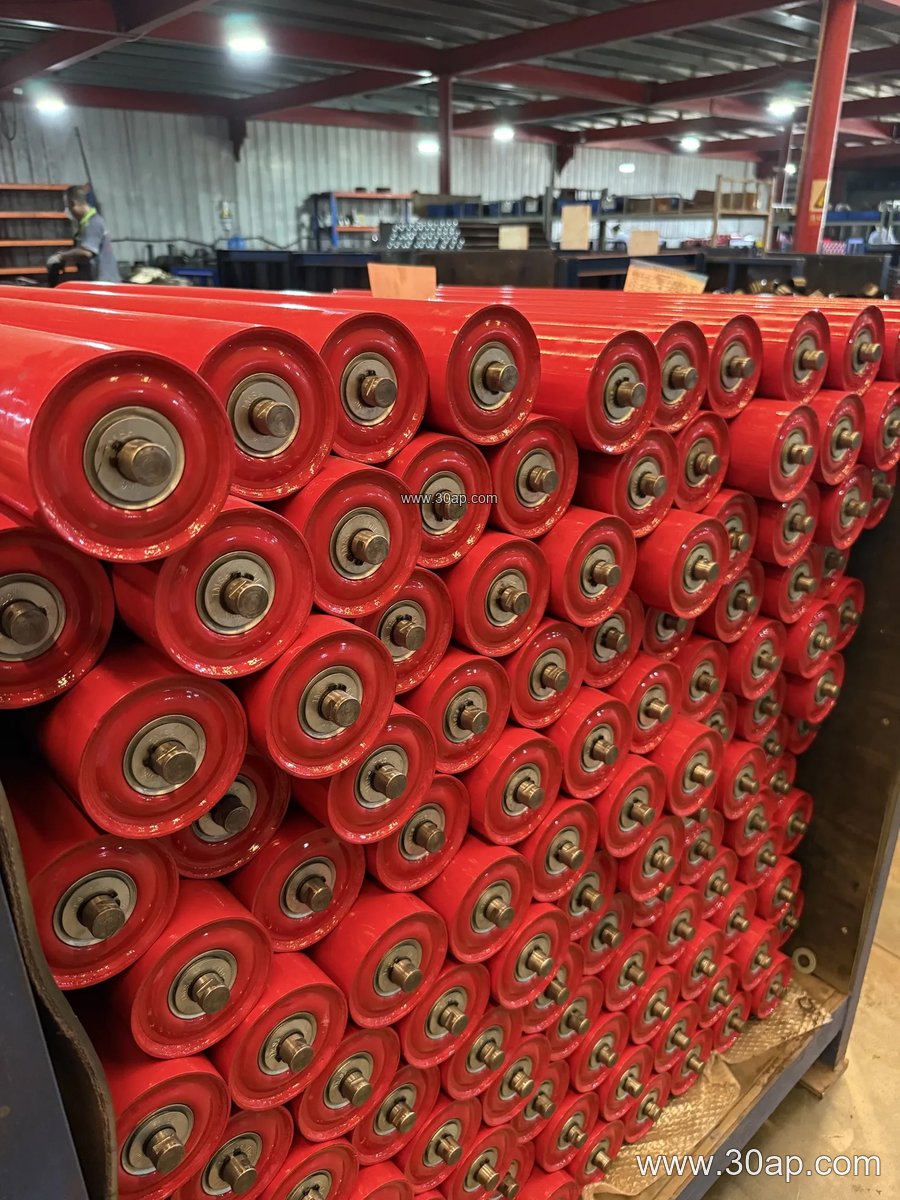
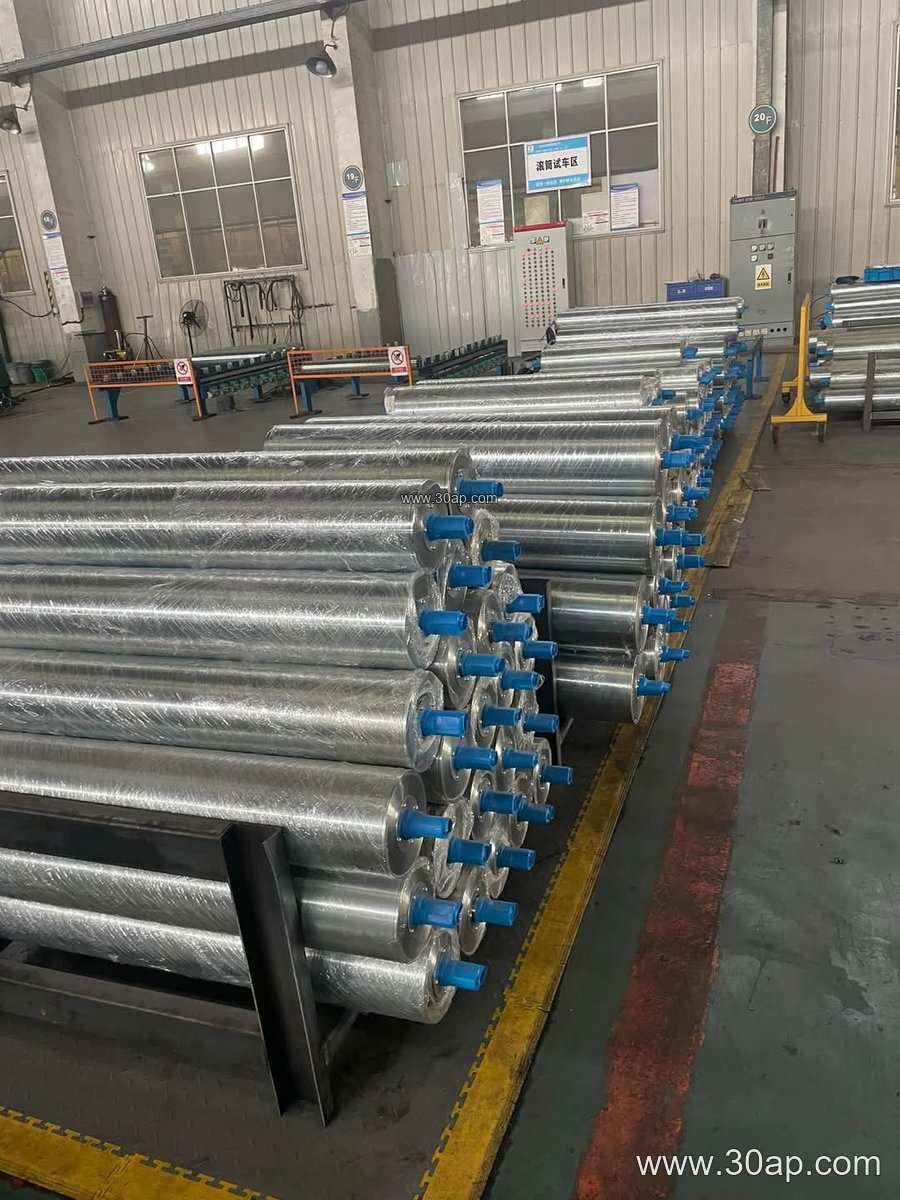
A typical return idler is built around a steel tube shell, a through shaft, sealed bearings, and a bracket that locks into the conveyor frame. Surface options include plain steel, nylon, ceramic, and rubber rings, chosen according to whether the belt is sticky, abrasive, or likely to build up material.
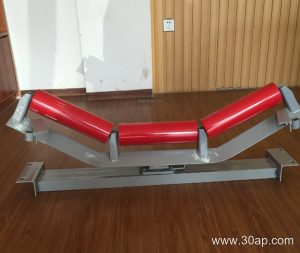
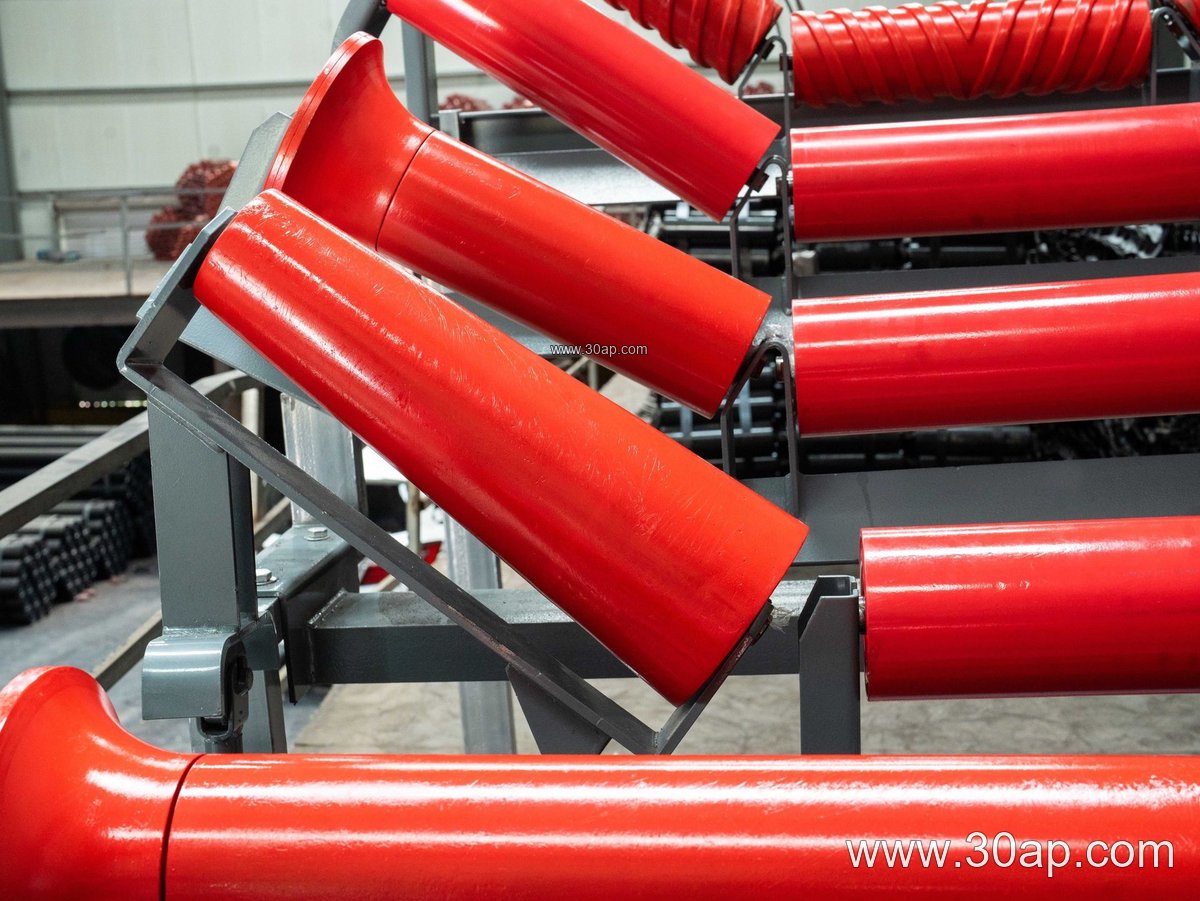
Several configurations exist for the lower run. Flat return idlers are the simplest single-roller form. V-type return idlers use two angled rollers to centre the belt. Spiral return idlers help shed sticky fines, while rubber-disc impact versions are used where lumps fall onto the return strand.
Reference dimensions (examples only, not fixed pairings)
| Roller diameter | Typical belt width range | Bearing examples |
|---|---|---|
| Ø89 mm | B500 to B650 | 6204, 6205 |
| Ø108 mm | B650 to B1000 | 6205, 6305 |
| Ø133 mm | B1000 to B1400 | 6306, 6308 |
| Ø159 mm | B1400 to B1800 | 6308, 6310 |
| Ø194 mm | B1800 to B2200 | 6310 |
These values are common references. Actual roller length depends on belt width, frame design, and idler arrangement, so buyers should confirm against the drawing rather than assume a fixed match between one belt width and one pulley diameter.
Where Return Idlers Are Used
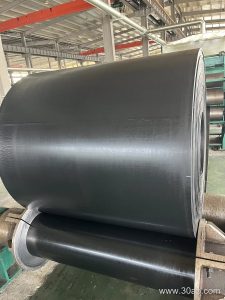
Any long belt line needs them. In a limestone quarry or aggregate plant, return idlers keep dusty belts from sagging between towers. In a power plant coal yard, they support the return strand under a flame retardant conveyor belt. In a cement plant, heat and fines make roller sealing especially important. Port and ship loading systems with wide belts, such as a 1800mm wide conveyor belt, use heavy return rollers sized for the load.
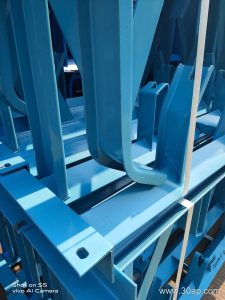
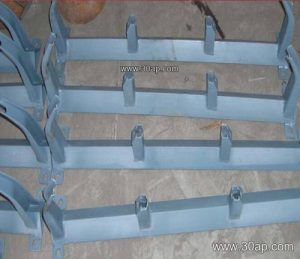
They pair naturally with the conveyor belt, the conveyor pulley, and the conveyor bracket that ties the whole frame together.
Buyer Checklist
- Confirm belt width and frame mounting centres before ordering.
- Match roller diameter to belt speed and load, not to habit alone.
- Choose the surface form based on material: rubber rings for impact, spiral for stickiness, plain steel for clean dry belts.
- Check bearing size and sealing class for dusty or wet environments.
- For wide belts, verify that the return idler spacing prevents excessive sag.
Good return idlers are inexpensive compared with the cost of a mistracking belt. Specify them as carefully as the carrying idlers, and the whole conveyor runs smoother.