What a High Impact Resistant Idler Does
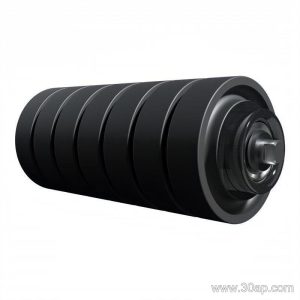
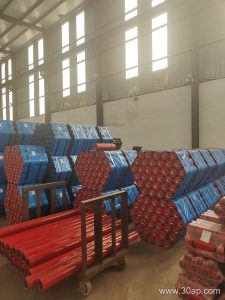
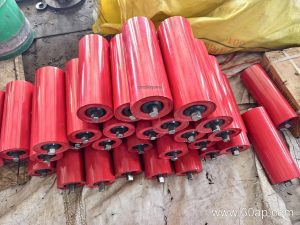
A high impact resistant idler is a heavy-duty conveyor roller built to absorb the shock of large, sharp or fast-falling material at transfer points. Unlike a standard carrying idler, this impact roller is designed with a resilient surface and reinforced construction so the conveyor belt is protected when rock, ore or clinker drops onto it. In quarry and aggregate lines, crusher discharge zones and run-of-mine loading stations, the first few idlers after the chute take the worst punishment. Using a high impact resistant idler in those positions reduces belt damage and keeps the conveyor belt tracking smoothly.
How the Impact Idler Is Built
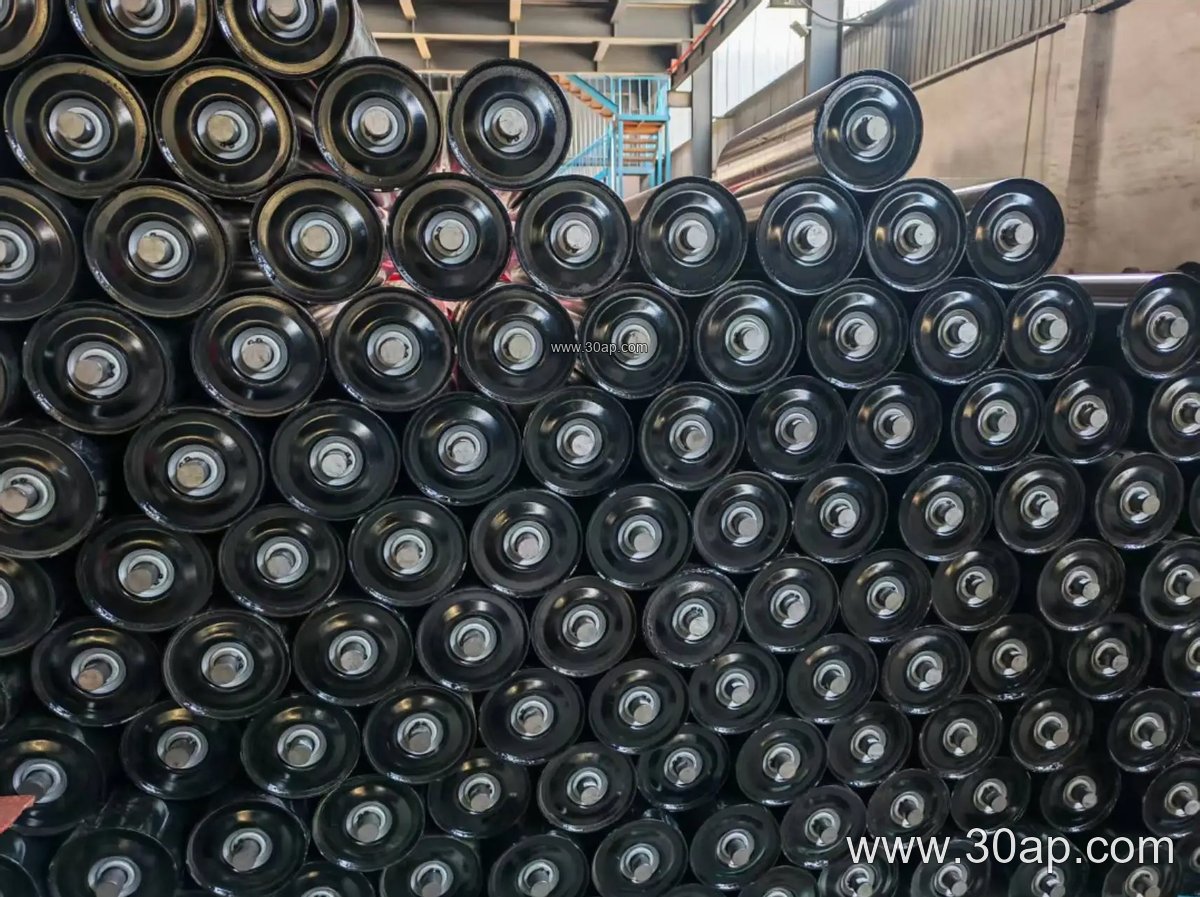
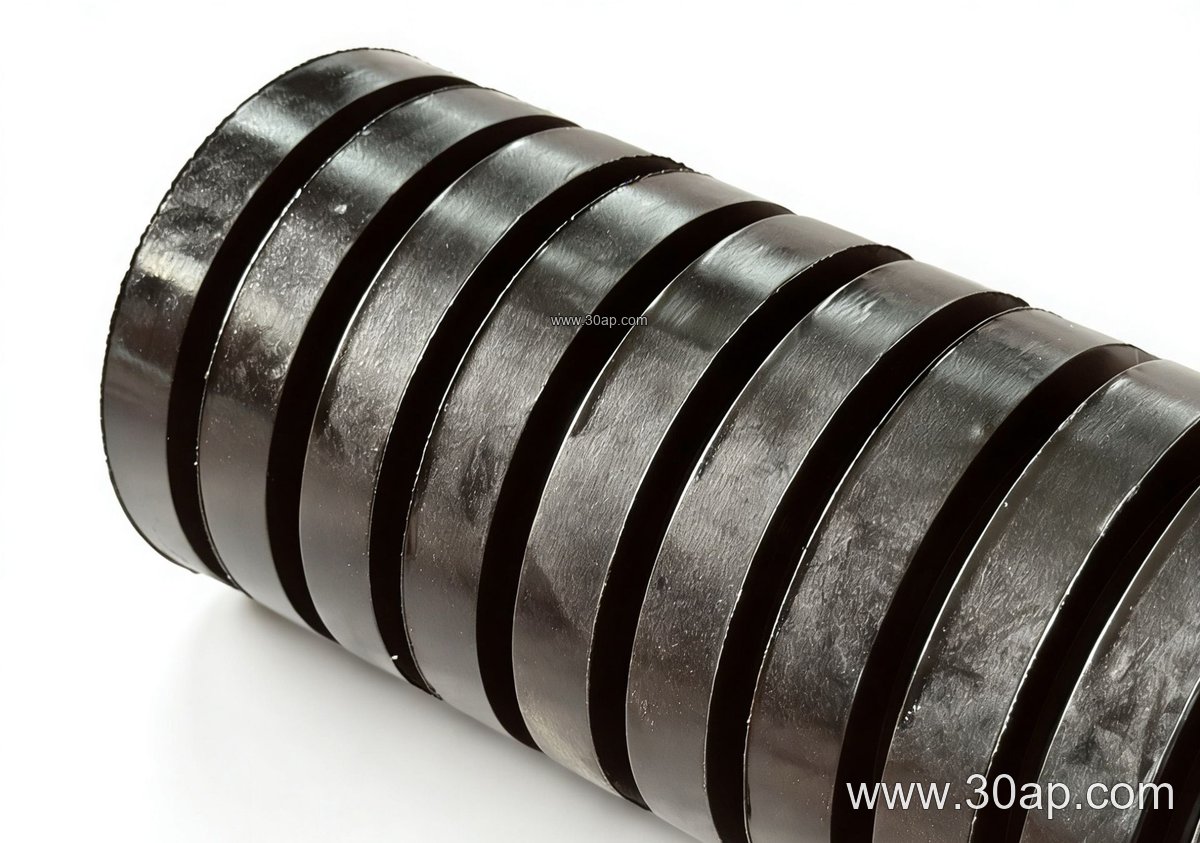
The core of the roller is usually a steel tube with a thick wall, fitted with sealed bearings and a shaft sized to the load. What sets it apart is the outer layer: rubber rings, rubber discs or a heavy rubber sleeve that compress under impact and then recover. This rubber cushion spreads the force of falling lumps over a wider area instead of concentrating it on one spot of the belt. Bearing housings are often reinforced, and the seal arrangement is chosen to keep out dust and water in gritty environments. The roller surface may be smooth rubber or a series of rubber rings, depending on the material and the belt speed.
Common Construction Details
- Roller diameter range commonly from Ø89 to Ø219, with larger diameters preferred where lumps are heavy.
- Bearing sizes such as 6205, 6305, 6306 or 6308, selected by load and speed rather than by belt width alone.
- Rubber ring thickness and hardness chosen for the drop height and lump size at the loading point.
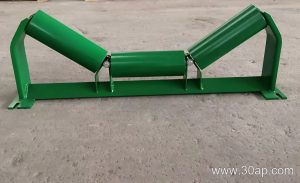
- Mounting frames that fit standard conveyor bracket spacing, so impact idlers can replace ordinary carrying idlers in the same position.
Where High Impact Resistant Idlers Are Used
These idlers belong at the point where material first lands on the belt. In a limestone quarry, the area under the primary crusher discharge is a classic location. In a coal handling plant or a power plant coal yard, impact idlers sit below the transfer chute that feeds the main conveyor belt. Sand and gravel operations use them after the screen feed and at truck dump hoppers. Cement plants place them where clinker drops from coolers. In each case, the goal is the same: cushion the belt, keep the trough shape and avoid premature belt cover wear.
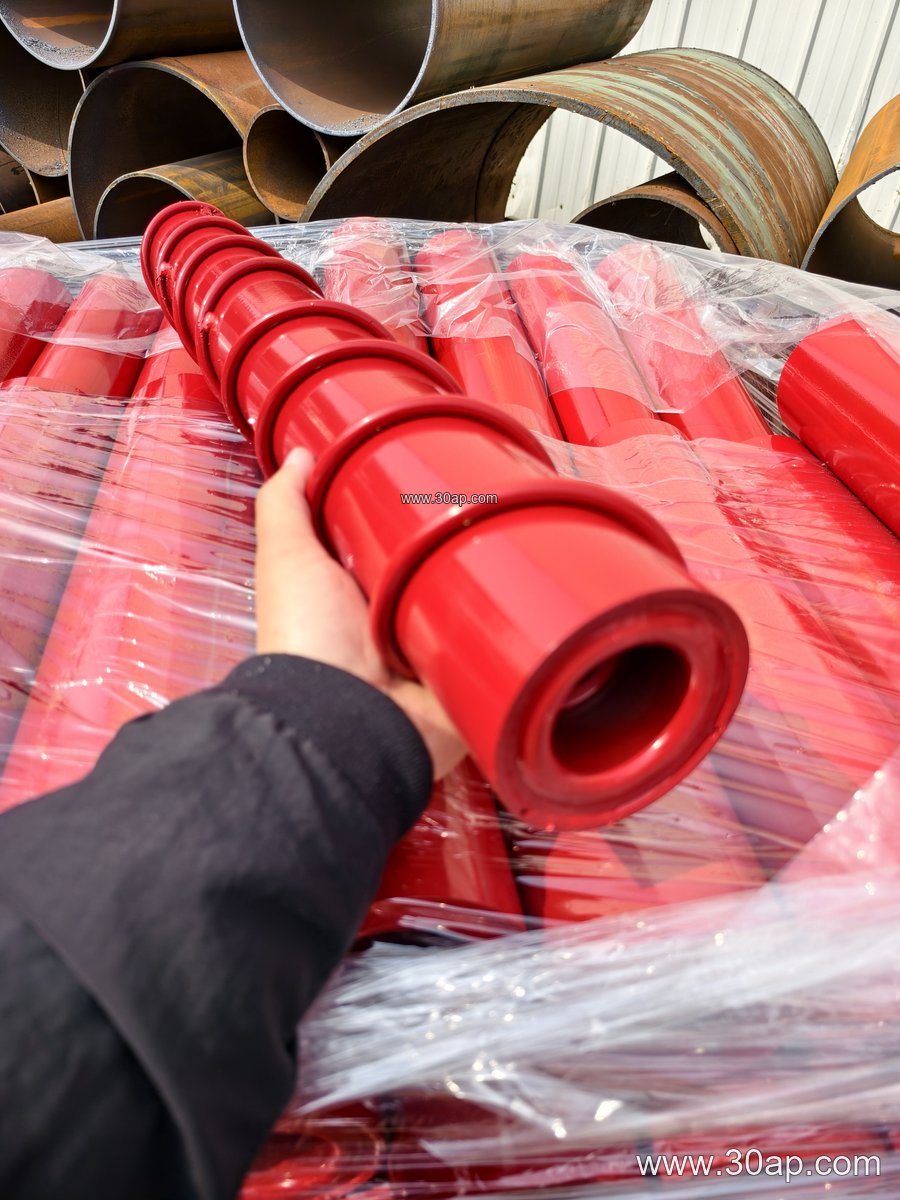
Impact idlers are not a substitute for a bend pulley or a tail pulley. Those are conveyor pulley components that change belt direction, while the impact idler supports the belt and absorbs load. A tail pulley may be near the loading point, but it serves a different function and cannot replace the impact roller.
Choosing the Right Impact Idler
Buyers should match the idler to the belt width, the lump size and the drop height. A 650mm or 800mm belt in a small aggregate line may use a Ø89 or Ø108 impact roller with rubber rings, while a 1200mm or 1400mm belt at a mine transfer point may call for Ø133, Ø159 or larger. Trough angle also matters: 20, 30, 35 or 45 degrees are common, and the idler frame should match the existing trough. Bearing selection follows the load and speed, not a fixed rule from belt width. The table below gives typical reference values; final sizes should follow the conveyor design.
| Reference Item | Common Range |
|---|---|
| Roller diameter | Ø89, Ø108, Ø127, Ø133, Ø159, Ø178, Ø194, Ø219 |
| Belt width | B500 to B2400 |
| Trough angle | 20°, 30°, 35°, 45° |
| Roller surface | Rubber ring, rubber sleeve, steel tube with rubber discs |
| Bearing | 6204, 6205, 6305, 6306, 6308, 6310 |
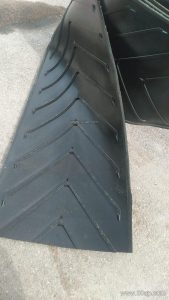
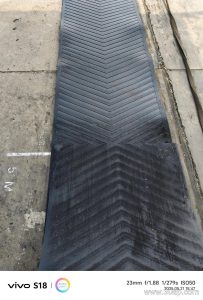
For a long conveyor carrying abrasive rock, an abrasion resistant conveyor belt paired with impact idlers at the load zone gives better service life than standard idlers alone. In coal mines, flame retardant conveyor belt and fire resistant conveyor belt grades are often required, and the idler specification should suit the same environment. Where the belt is an EP conveyor belt or a steel cord conveyor belt, the impact idler still works on the same principle, but the roller size and spacing should be checked against the belt tension and load.
Maintenance and Buyer Checks
Inspect impact idlers for rubber ring wear, loose rings and bearing noise. A worn impact roller loses its cushioning effect and can damage the belt cover. Check that the idler frame is aligned and that the roller turns freely. Keep the loading chute from directing material onto the belt edge, since even a high impact resistant idler cannot protect a belt from off-center loading. Buyers should ask for the roller diameter, bearing type, rubber hardness and mounting dimensions, and confirm that the idler fits the existing conveyor bracket. Spare rubber rings and complete rollers are worth keeping on hand for crusher discharge and transfer points, where downtime is costly.