Understanding the Four-Roll Trough Idler
A four-roll trough idler is a conveyor belt support assembly that uses four idler rollers arranged in a trough configuration to carry the loaded strand of the belt. Unlike the more common three-roll design, this arrangement distributes the material load across four contact points, which can be advantageous on wide belts or where the belt must maintain a deeper trough profile. In bulk handling operations—such as a copper mine, a limestone quarry, or a fertilizer plant—the four-roll trough idler helps keep the conveyor belt centered and reduces the risk of material spillage along the carrying run.
Construction and Roller Arrangement
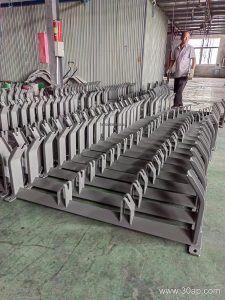
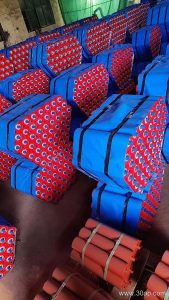
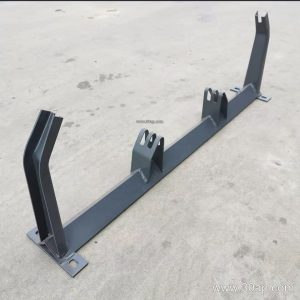
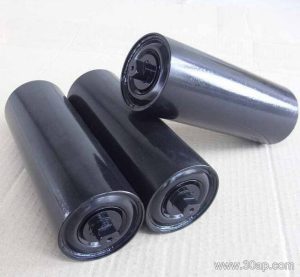
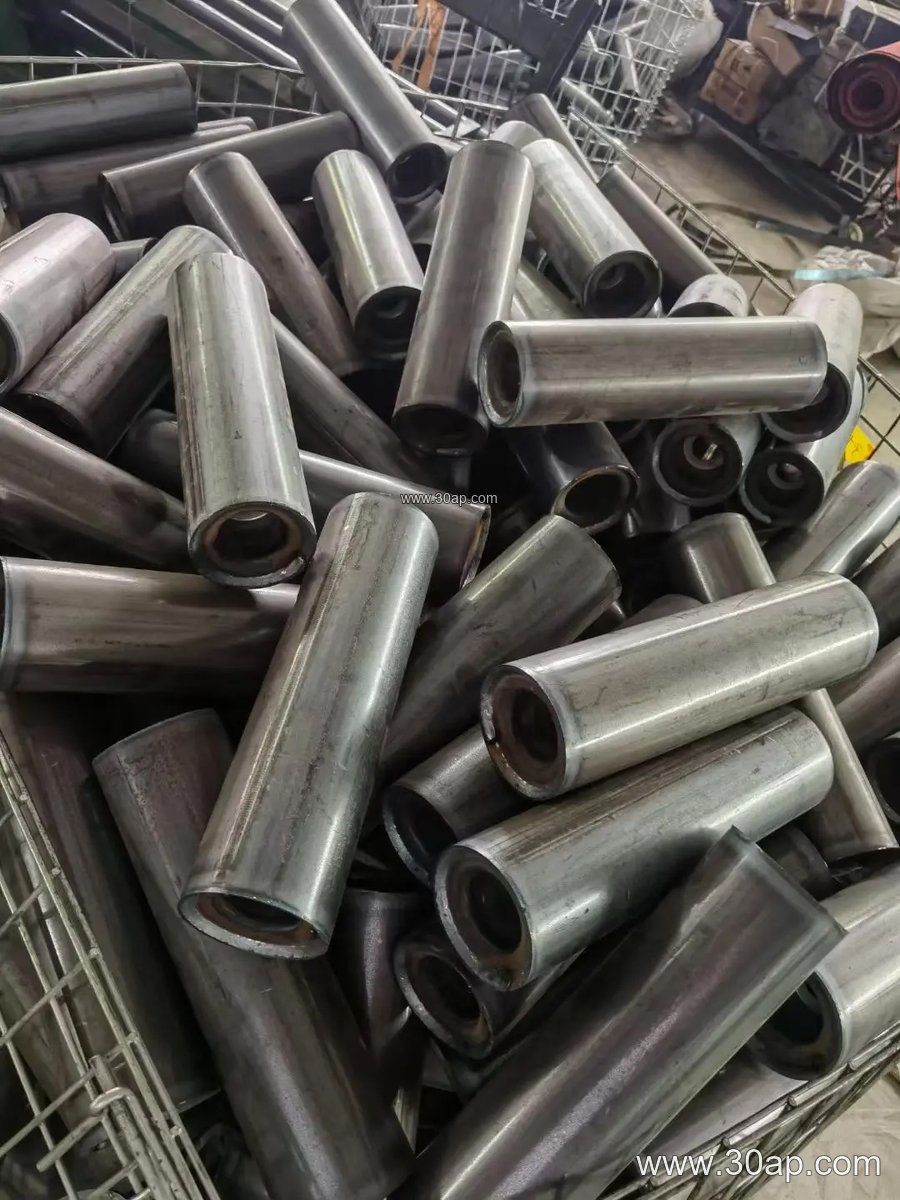
The assembly typically consists of a sturdy conveyor bracket or frame that holds four idler rollers: two side rollers set at a steep angle and two intermediate rollers that bridge the gap toward the center. The trough angle of the side rollers is usually 35 or 45 degrees, while the inner rollers may sit at a shallower angle to create a smooth transition for the belt. Roller shells are commonly made of steel tube, though nylon, ceramic, or rubber-disc surfaces may be specified for particular conditions. Bearing sizes such as 6205, 6305, or 6308 are frequently used, selected according to load and speed requirements rather than tied to a single roller diameter.
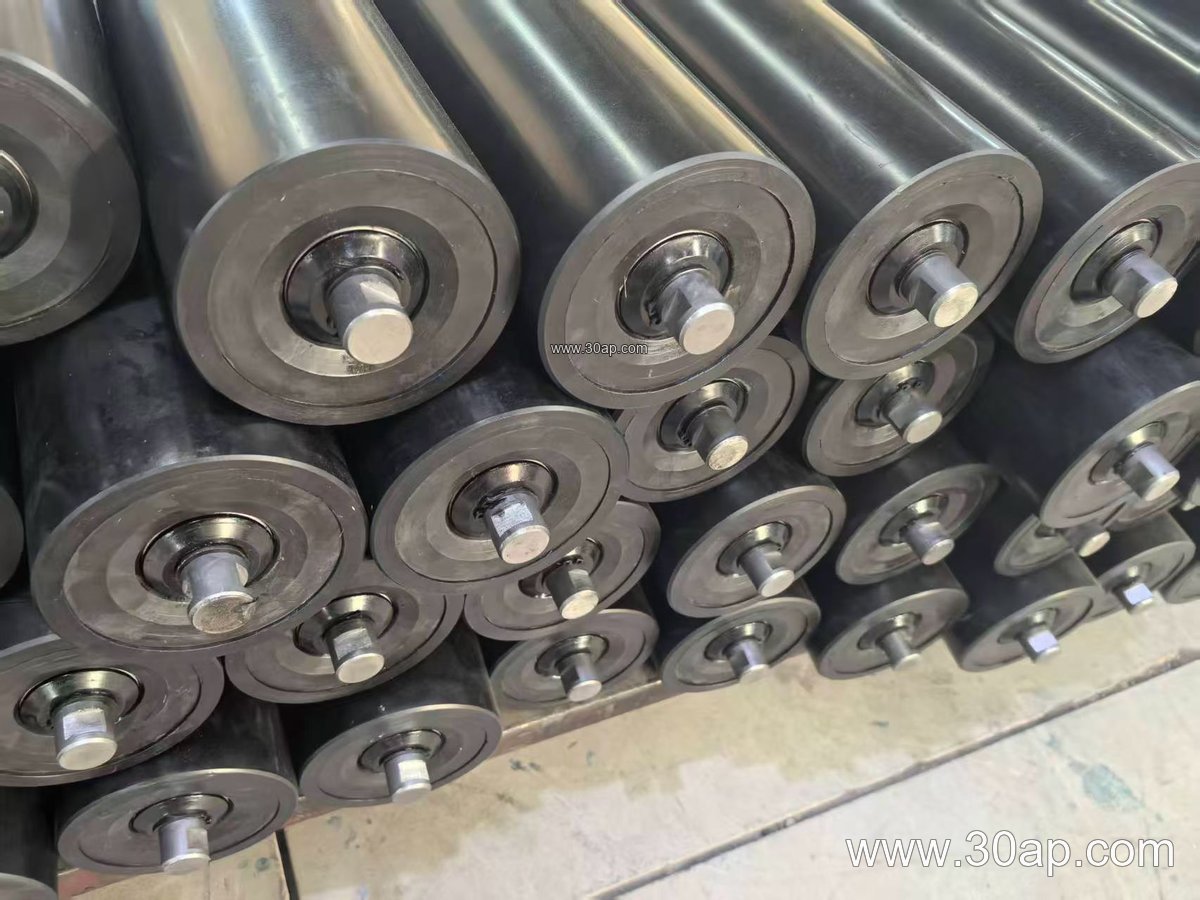
Common roller diameters for this type include Ø89, Ø108, Ø127, Ø133, and Ø159 mm, with larger sizes available for heavy-duty service. The roller length depends on belt width, trough angle, and the specific roll position; for example, a B1200 belt may use side rollers around 465 mm long, but the intermediate rollers can differ. These values are reference examples, not fixed pairings.
Where Four-Roll Trough Idlers Are Used
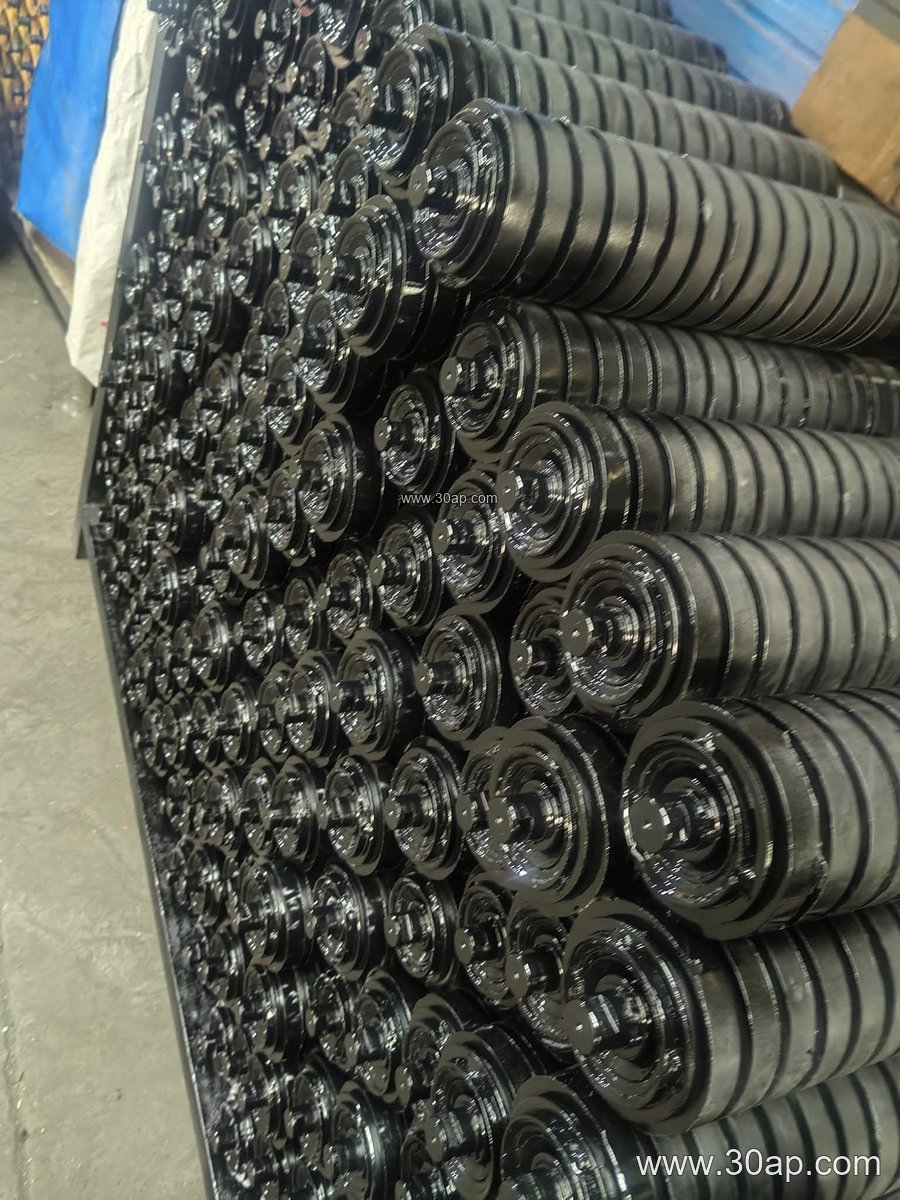
This idler style suits conveyor systems that handle high-tonnage loads or require a deeper trough to contain material. In a coal preparation plant, the four-roll trough idler can support the conveyor belt through transfer points where impact and load variation are significant. Similarly, in a sand and gravel aggregate line, the extra roller helps maintain belt shape when transporting unevenly distributed loads. The design is also found in power plant coal handling and steel mill sintering lines, where continuous operation and belt stability are priorities.
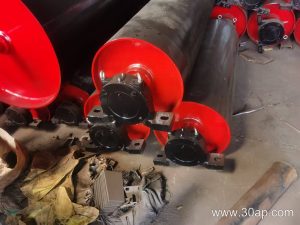
It is important to note that the four-roll trough idler is not a substitute for a bend pulley or a tail pulley; those components serve entirely different functions in the conveyor drive and tensioning system. The four-roll idler belongs strictly to the carrying idler group.
Key Parameters to Review
When selecting a four-roll trough idler, buyers should consider belt width, roller diameter, trough angle, and bearing type. The table below lists common reference values; actual specifications should be confirmed with the manufacturer or conveyor designer.
| Parameter | Common Reference Values |
|---|---|
| Belt width (B) | B800, B1000, B1200, B1400, B1600, B1800, B2000 |
| Roller diameter | Ø89, Ø108, Ø127, Ø133, Ø159, Ø178 mm |
| Trough angle (side rollers) | 30°, 35°, 45° |
| Roller surface | Steel tube, nylon, ceramic, rubber disc |
| Bearing (examples) | 6205, 6305, 6306, 6308, 6310 |
Roller length varies with belt width and roll position. For instance, a B1000 belt might use side rollers of about 380 mm, while a B1600 belt could use side rollers near 600 mm. These are typical examples only; the intermediate rollers may have different lengths. Buyers should avoid assuming that one belt width corresponds to a single pulley diameter or shaft size—those details must be engineered for the specific conveyor.
Buyer Considerations and Maintenance
Before ordering, confirm the conveyor belt width, the desired trough angle, and the load profile. Check that the conveyor bracket dimensions match the idler frame mounting points. Sealing quality is another important factor: in dusty environments such as a cement plant or a tunnel excavation site, effective bearing seals extend service life. Regular inspection of roller rotation and shell wear helps prevent belt damage. If a roller seizes, it can wear through the conveyor belt quickly, so spare rollers should be kept on hand for critical conveyors.
The four-roll trough idler is a specialized support component that offers stable belt guidance on demanding carrying runs. By understanding its construction and reviewing the relevant parameters, operators can specify the right assembly for their bulk handling application.