What a Copper Ore Conveyor Belt Has to Handle
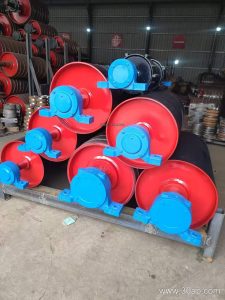
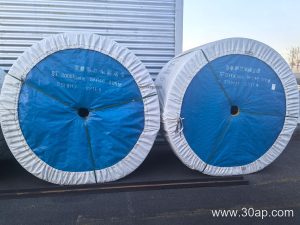
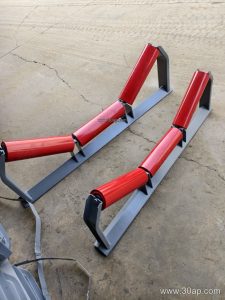
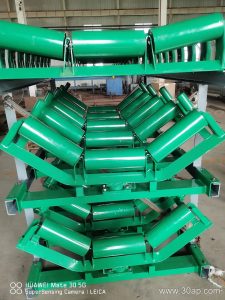
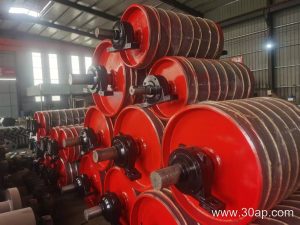
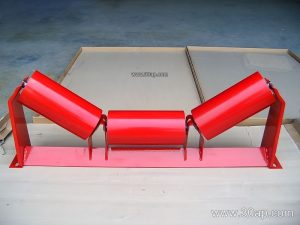
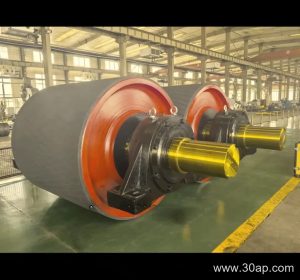
A copper ore conveyor belt is the load-carrying element of a bulk handling line that moves crushed or screened copper ore from the mine pit, stockpile or crushing station to the concentrator. Copper ore is dense, abrasive and often sharp-edged after blasting, so the belt is expected to resist cutting, gouging and surface wear while keeping a stable tracking path on long inclined routes. In practice, the belt works together with the conveyor pulley, idler roller and conveyor bracket, and each of those parts influences how well the belt performs.
The working environment matters as much as the ore itself. A copper mine may be dusty and dry, wet and muddy, or exposed to temperature swings between day and night. Some circuits also handle ore that has been sprayed for dust suppression, which raises the demand on cover rubber and on the splice. The belt specification should therefore be matched to the actual duty, not chosen from a single catalogue page.
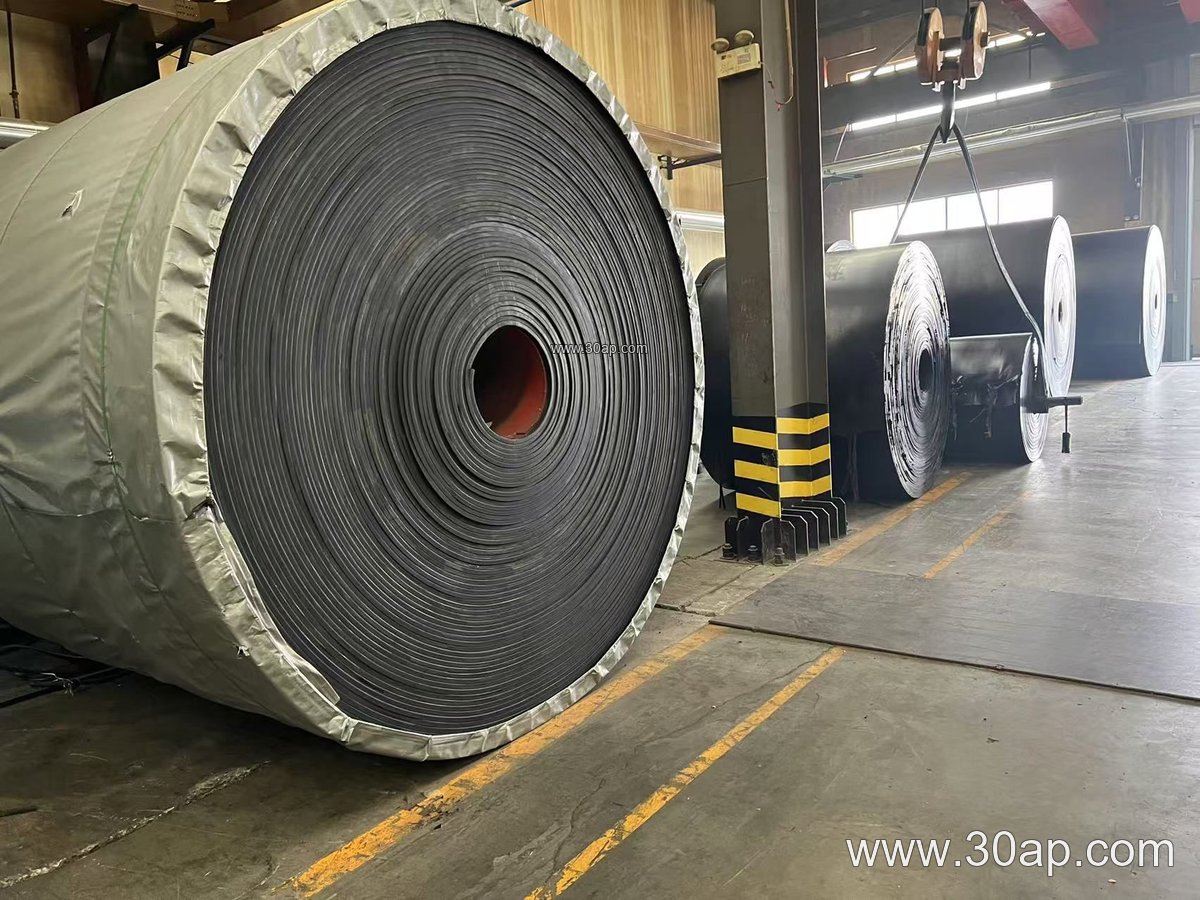
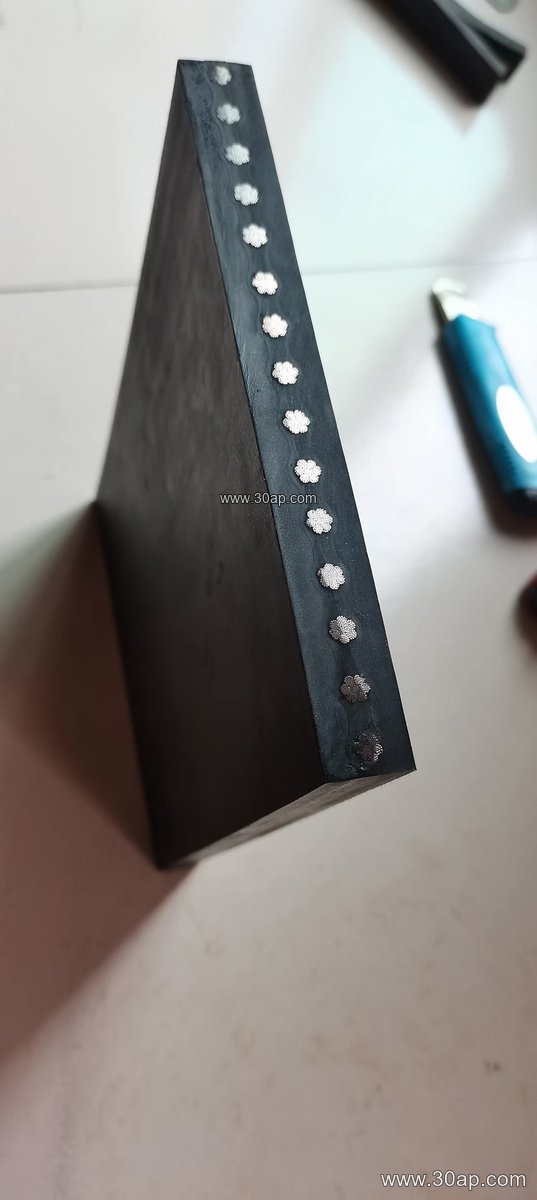
Construction and Common Specifications
Most copper ore belts use a fabric carcass or a steel cord carcass. Fabric belts built on EP or NN canvas are common on medium-duty lines, while steel cord belts are often selected for high tonnage and long centre distances. Cover rubber is usually thicker on the carrying side because that is where impact from the loading chute and abrasion from the ore occur.
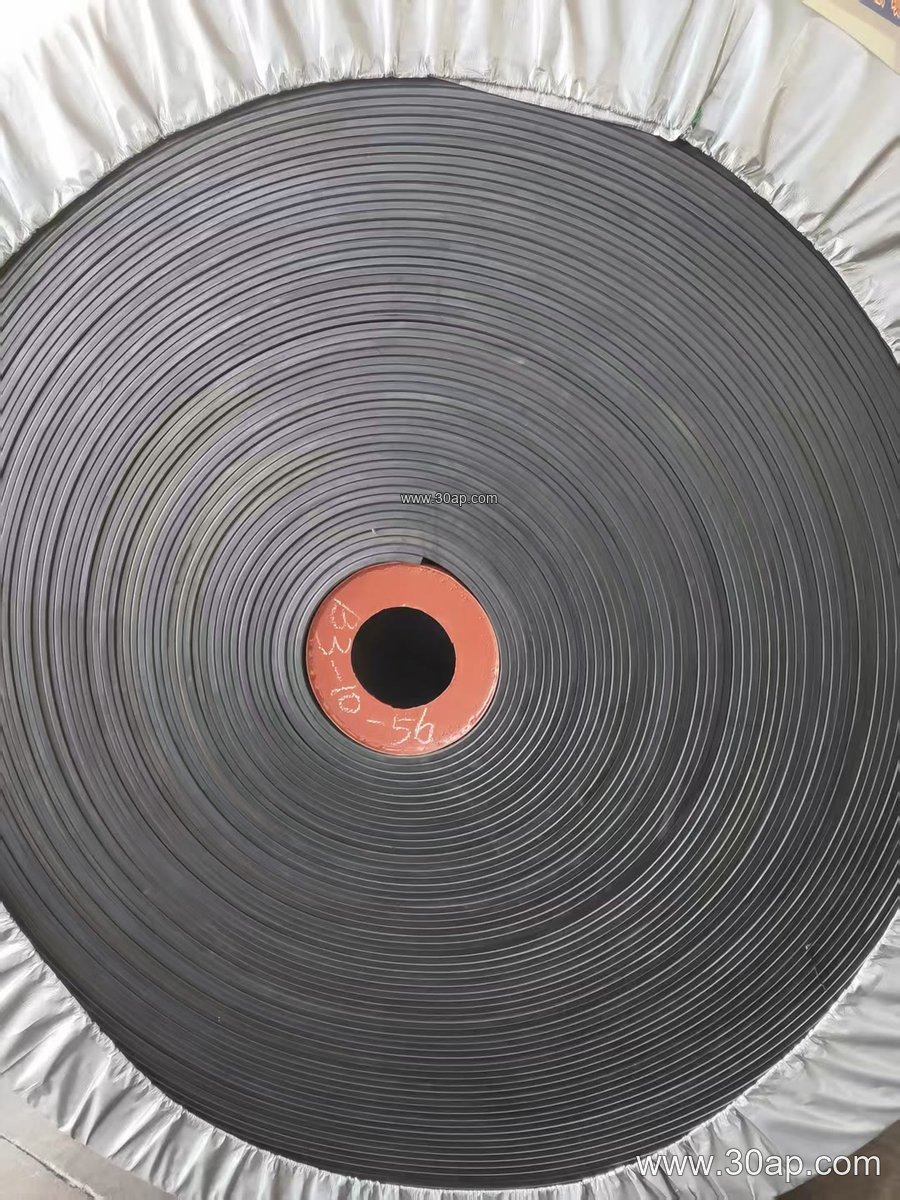
The table below shows reference values that appear in general product literature. They are starting points for discussion with a supplier, not fixed combinations.
| Item | Common reference values |
|---|---|
| Belt type | EP, NN nylon, steel cord; wear-resistant, heat-resistant, oil-resistant, flame-retardant, antistatic, cold-resistant, acid and alkali resistant, patterned or chevron, corrugated sidewall |
| Tensile strength | EP200, EP315, EP400, EP500, EP630, EP800, EP1000, EP1250, EP1600, EP2000 |
| Belt width | B500, B650, B800, B1000, B1200, B1400, B1600, B1800, B2000 |
| Cover rubber | 3+1.5, 4+2, 5+2, 6+2, 8+3 mm |
| Carcass plies | Usually 2 to 6 layers for fabric belts |
A wider belt does not automatically mean a larger pulley diameter, and shaft size is set by the conveyor design rather than by belt width alone. Buyers should confirm the drive pulley, tail pulley and bend pulley dimensions with the conveyor designer before ordering belting.
Where It Is Used
Copper ore belts appear in open-pit mines, underground haulage, crushing and screening plants, stockyard reclaim systems and concentrator feed lines. Similar heavy-duty belting is also found in coal mines, cement plants, power stations and sand and gravel yards, but copper ore usually places more emphasis on cut and abrasion resistance because of the ore’s angular structure.
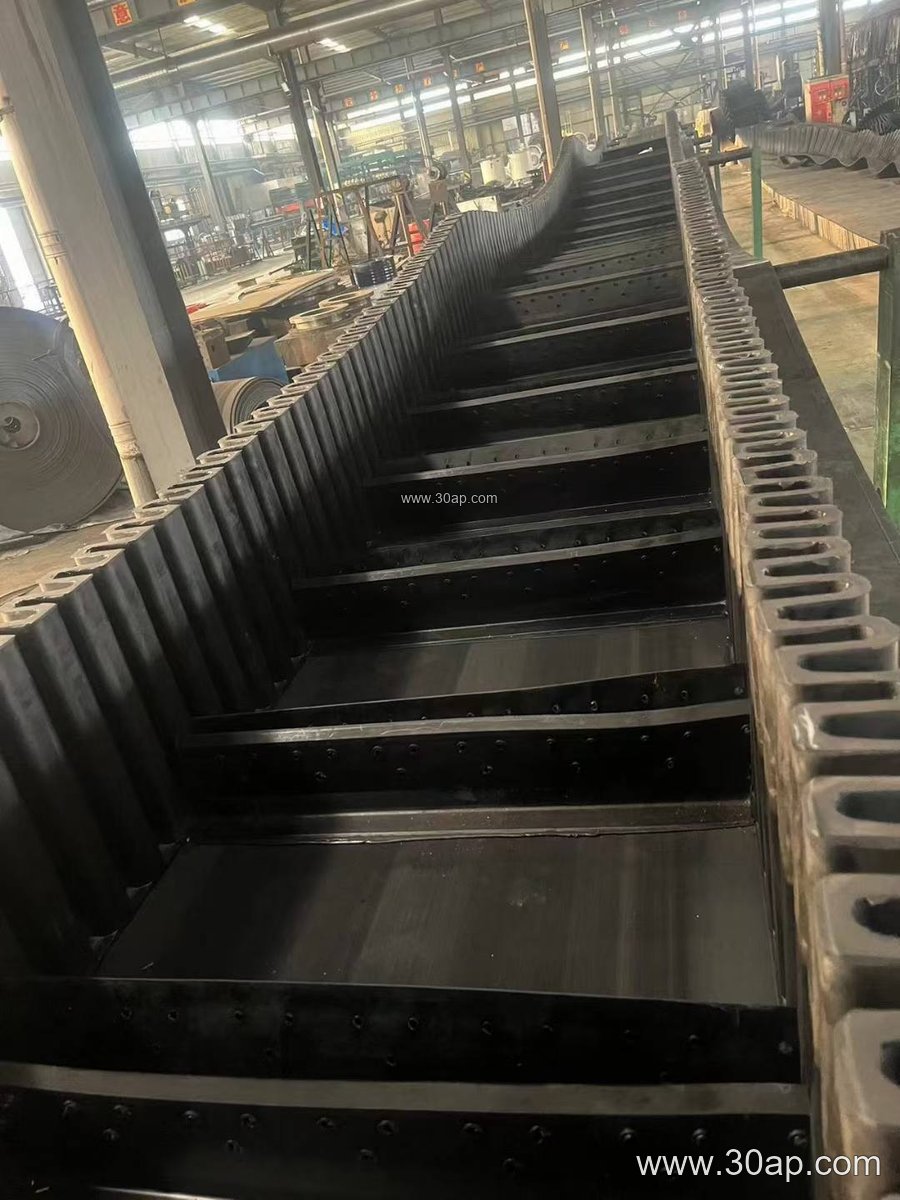
On inclined sections, a chevron or patterned surface can help hold the load, while corrugated sidewall belts are used where the conveyor has to run at a steep angle in a confined space. For dusty or potentially explosive atmospheres, flame-retardant and antistatic grades may be requested. Heat-resistant grades are relevant only if the ore or the process stream is warm; they should not be ordered as a default.
Buyer Checklist
- Confirm the lump size, bulk density and drop height at the loading point, since these drive cover thickness and impact resistance.
- State the conveyor length, incline angle and expected throughput so the carcass strength and belt width can be checked.
- Describe the environment: dust, water, oil, heat, cold or acid exposure all change the rubber compound choice.
- Agree on splice method and edge condition, because a poorly made joint is a frequent cause of downtime.
- Check pulley diameters, idler roller spacing and conveyor bracket condition so the new belt is not damaged by worn components.
- Ask for the manufacturer’s tolerance and inspection report rather than assuming a nominal figure is guaranteed.
Maintenance Notes
Regular inspection of the belt surface, edges and splice helps catch small damage before it becomes a tear. Keeping the idler roller turning freely and the conveyor pulley clean reduces belt tracking problems and edge wear. When replacing a copper ore conveyor belt, check that the conveyor bracket and frame are still aligned, because misalignment will shorten the life of even a well-specified belt.