What a Single Drive Pulley Does
A single drive pulley is the one drum on a belt conveyor that receives power from the gearbox or motor and turns the conveyor belt. In many conveyor layouts the drive pulley is also the head pulley, sitting at the discharge end, so the same drum that pulls the belt also throws off the material. The single drive arrangement keeps the transmission simple: one motor, one coupling or gear unit, and one lagged drum in contact with the belt.
Because it carries the full driving torque, this drum is built more heavily than a bend pulley or a tail pulley. A tail pulley merely redirects the returning belt, and a bend pulley changes its path, but the drive pulley must transmit traction through friction between its surface and the belt cover. That difference in duty explains why drive, tail and bend pulleys are not interchangeable, even when their diameters look similar on a drawing.
Construction and Surface Options
The core is usually a welded steel shell with end discs and a shaft, machined so the shell runs true. Buyers commonly see shell diameters from Ø200 up to Ø1600 and beyond, matched to belt widths such as B400, B500, B650, B800, B1000, B1200, B1400, B1600 and B1800. Face width is normally a little wider than the belt; for example, a B800 belt often runs on a pulley face of about 950 mm, and a B1200 belt on roughly 1400 mm.
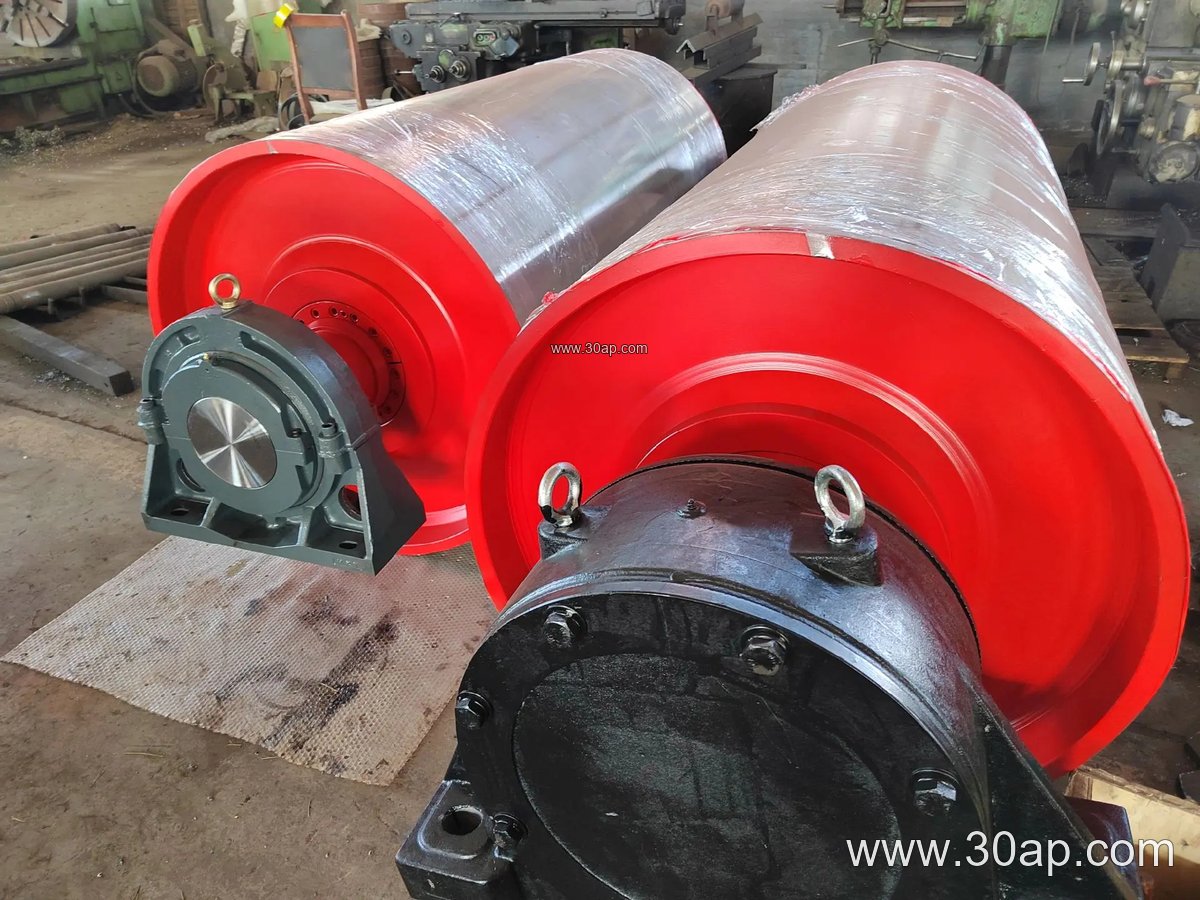
Surface treatment decides how much grip the drum can develop. Plain steel is used where loads are light and the belt cover is dry. Rubber lagging, applied by hot vulcanizing, cold bonding or casting, raises friction and protects the shell. Diamond and herringbone patterns help shed water and fines, ceramic lagging suits abrasive duty, and plain sheet rubber gives even contact. Common lagging thicknesses are 8, 10, 12, 15 and 20 mm, chosen with the belt tension and material conditions in mind.
| Item | Typical reference values |
|---|---|
| Belt width | B400 to B2000 |
| Shell diameter | Ø200 to Ø1600 |
| Lagging thickness | 8, 10, 12, 15, 20 mm |
| Shaft diameter | Ø50 to Ø200, set by torque and load |
Shaft size should never be guessed from belt width alone. A B1200 × Ø1000 drum and a B800 × Ø500 drum may look like simple pairings, but the shaft is sized from the torque the drive must deliver, the bearing span and the belt pull, not from a fixed table.
Where It Fits in the Plant
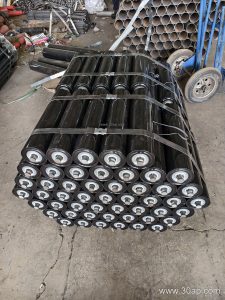
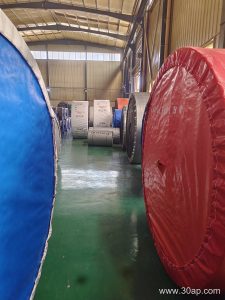
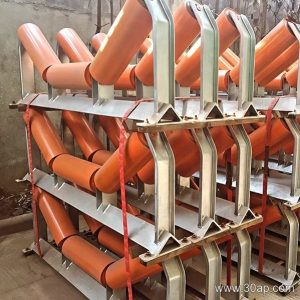
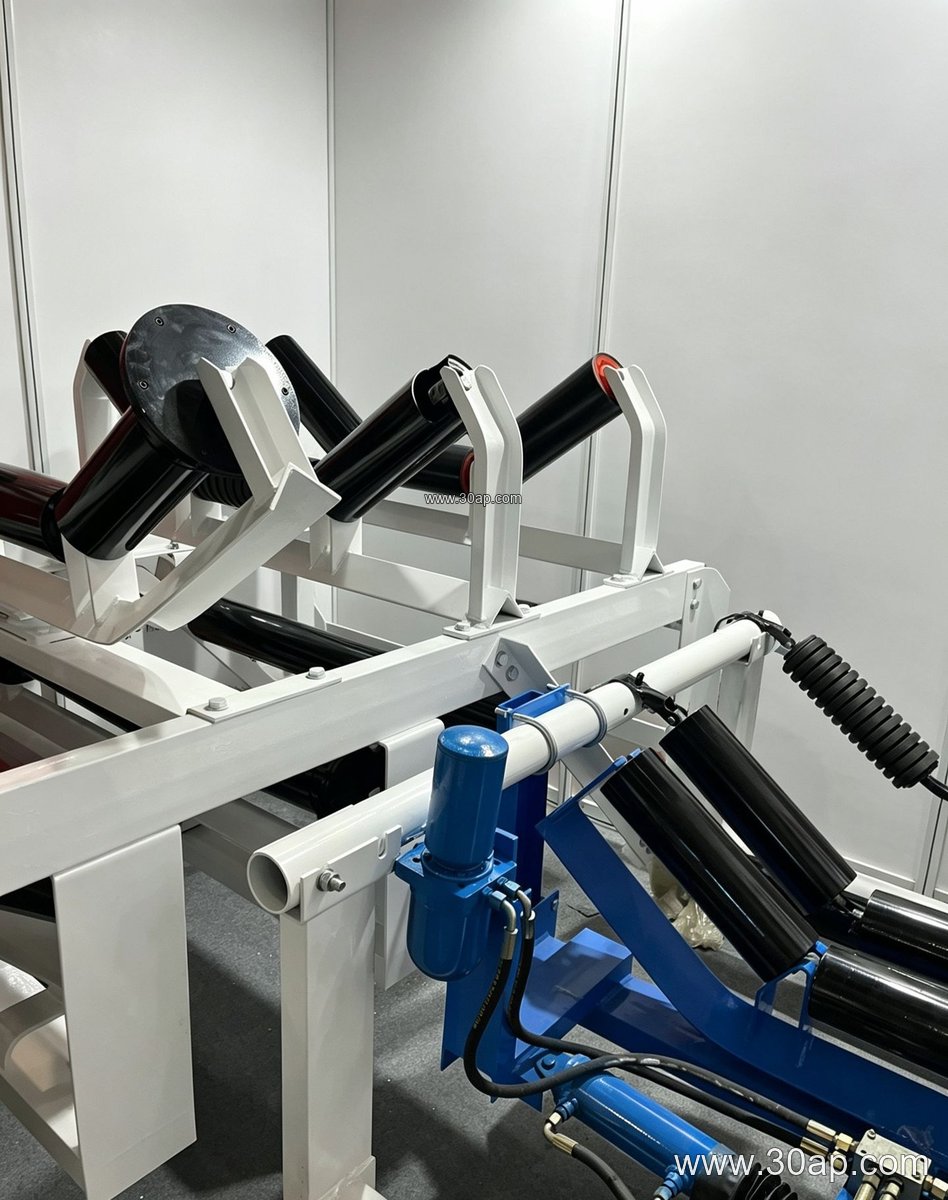
Single drive pulleys appear wherever one motor handles the whole conveyor. In a limestone quarry they sit at the head of a primary discharge conveyor; in a coal preparation plant they drive the main feed belt; in a cement plant they move clinker from the cooler; and in a power station coal yard they pull the coal stream toward the bunkers. Aggregate lines, crushing and screening circuits, and port bulk terminals also rely on them, often with a conveyor bracket carrying the bearing housings and a set of conveyor idler rollers supporting the belt along the run.
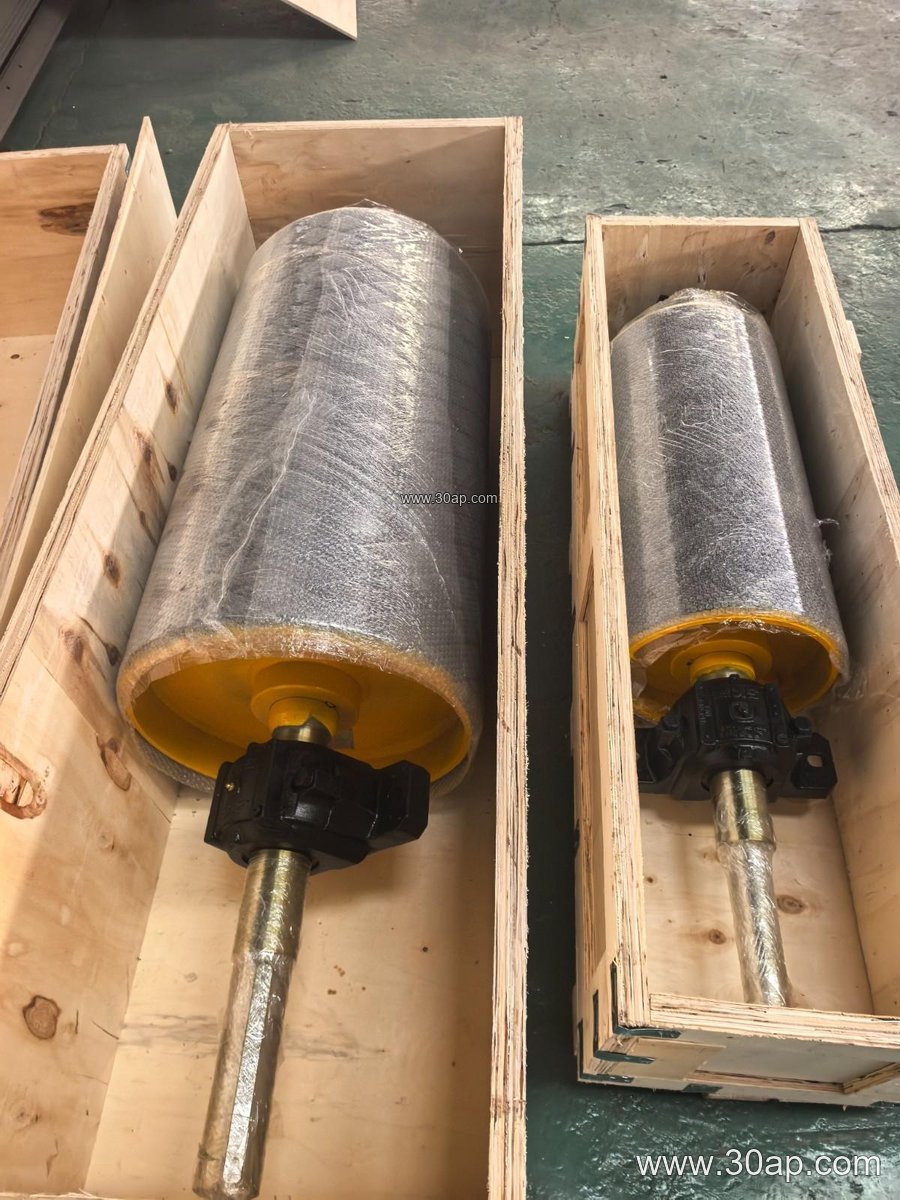
Position matters. A drive pulley at the head sees the clean side of the belt and good wrap, while a drive at the tail or in the middle of the run may need a snub or take-up pulley to increase contact angle. When the layout calls for a second driven drum, that becomes a dual drive arrangement, not a single drive, so the choice should follow the tension calculation rather than convenience.
Selection and Maintenance Notes
- Confirm belt width, belt speed and the required peripheral force before choosing shell diameter; a larger drum improves belt life by reducing bending stress.
- Match lagging to the material: wet, oily or dusty conditions call for grooved or ceramic surfaces, while clean dry duty may be fine with plain rubber.
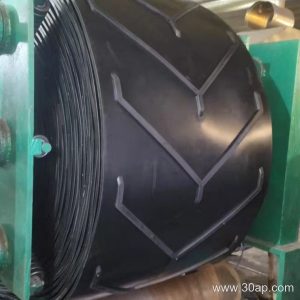
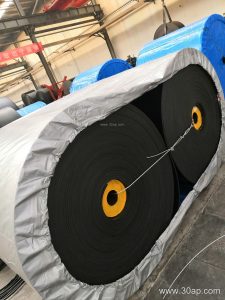
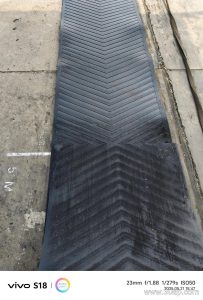
- Check that the conveyor belt cover grade suits the lagging hardness, since a soft cover and hard lagging can wear unevenly.
- Keep the drum balanced and the shaft alignment true; misalignment shortens bearing life and causes belt tracking problems.
- Inspect lagging wear, bolt tightness and bearing temperature at each shutdown, and re-lag before the shell is exposed.
A single drive pulley is a small part of the conveyor but carries most of the power path. Getting the diameter, face width, lagging and shaft right at the ordering stage avoids tracking faults, slip and premature belt wear later on.