What an NN100 Conveyor Belt Is
An NN100 conveyor belt is a nylon-nylon fabric belt: both the warp and weft threads of the carcass are nylon, and the finished belt is rated for a breaking strength of 100 N/mm per ply. It is a general-duty rubber conveyor belt used to move bulk materials over moderate distances and inclines. In a quarry, cement plant, coal preparation facility or power station coal yard, this grade often sits on secondary and tertiary conveyors where shock loads are gentler than at the primary crusher discharge. Because nylon fibres stretch more than polyester, an NN100 belt absorbs start-up shock and impact reasonably well, but it also needs adequate take-up travel to keep tension stable.
How the Belt Is Built
The carcass is the load-bearing part. Nylon fabric plies are bonded with rubber skim and then covered on both faces with abrasion-resistant rubber. A typical construction for this strength class uses two to four plies, and the cover thickness is chosen to suit the duty. Common cover combinations include 3+1.5 mm, 4+2 mm and 5+2 mm, written as top cover plus bottom cover. The top cover faces the material and takes the wear; the bottom cover runs against the idler rollers and the pulleys.
Edge construction matters as much as the centre of the belt. Cut edges are common for general service, while moulded edges give better protection against fraying in wet or dirty conditions. Buyers should confirm the edge type, because it affects belt tracking and service life on long conveyors.
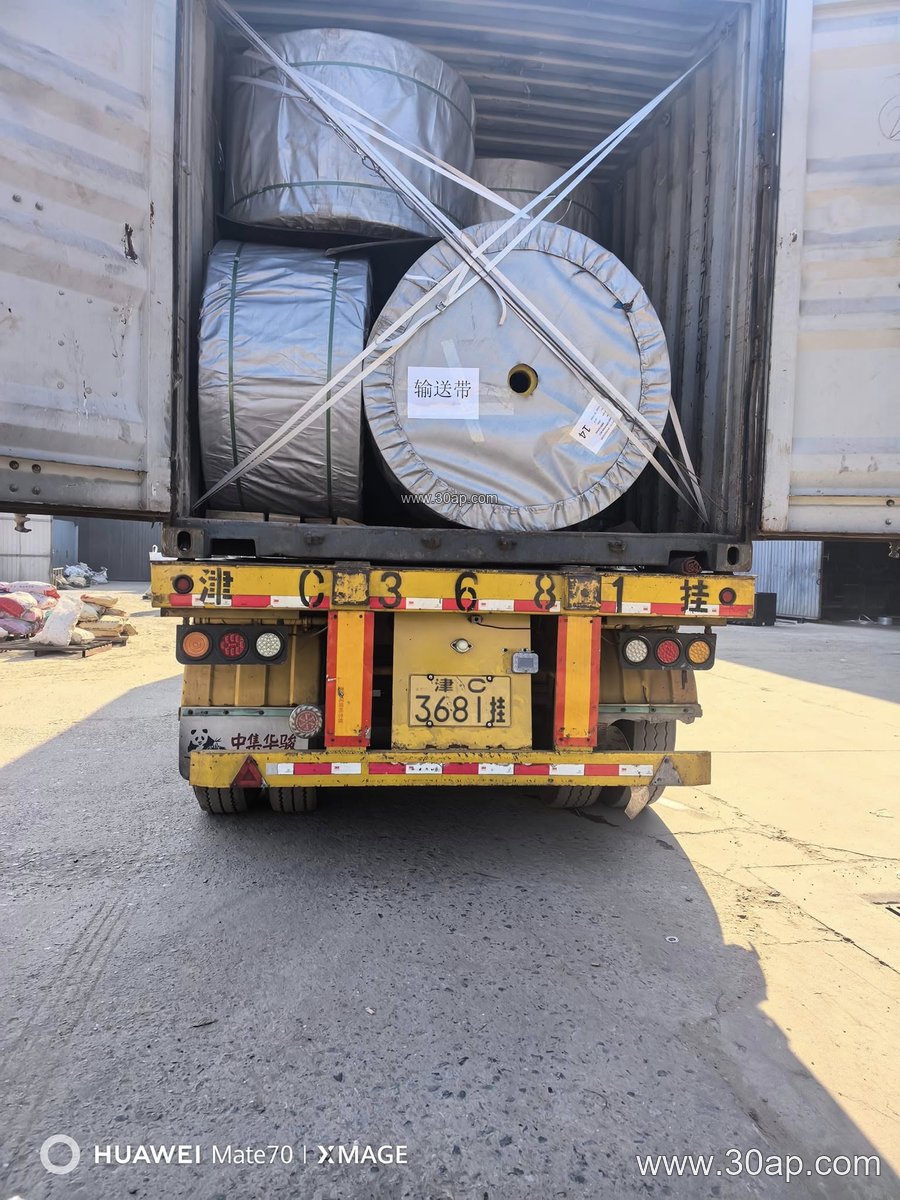
Typical Specifications
The figures below are reference values that vary between manufacturers. They are not a fixed supply promise, and the final specification should follow the conveyor design.
- Strength grade: NN100 (100 N/mm per ply)
- Common widths: B500, B650, B800, B1000, B1200, B1400
- Carcass plies: usually 2 to 4 for this grade
- Cover thickness: 3+1.5 mm, 4+2 mm, 5+2 mm, 6+2 mm
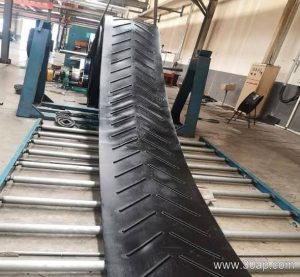
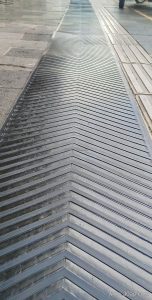
- Surface forms: plain, patterned or chevron for inclined sections
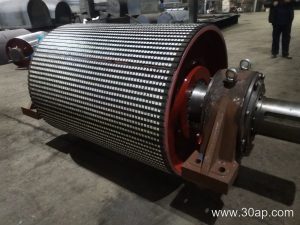
Wider belts such as B1600 and B2000 exist in the nylon range, but they are more often specified at higher strength grades. A buyer should not assume that a given belt width fixes a pulley diameter; the pulley size is set by the belt’s minimum bend radius, the duty and the shaft load, not by width alone.
Where It Fits in a Plant
NN100 belting appears in sand and gravel plants, cement clinker transport, coal handling and general factory conveying. It suits free-flowing and moderately abrasive materials such as crushed stone, clinker, sand and grain. For hot clinker, oil-soaked scrap or fine coal dust in a closed gallery, a heat-resistant, oil-resistant or flame-retardant variant may be needed; those are separate cover compounds, not a different carcass grade.
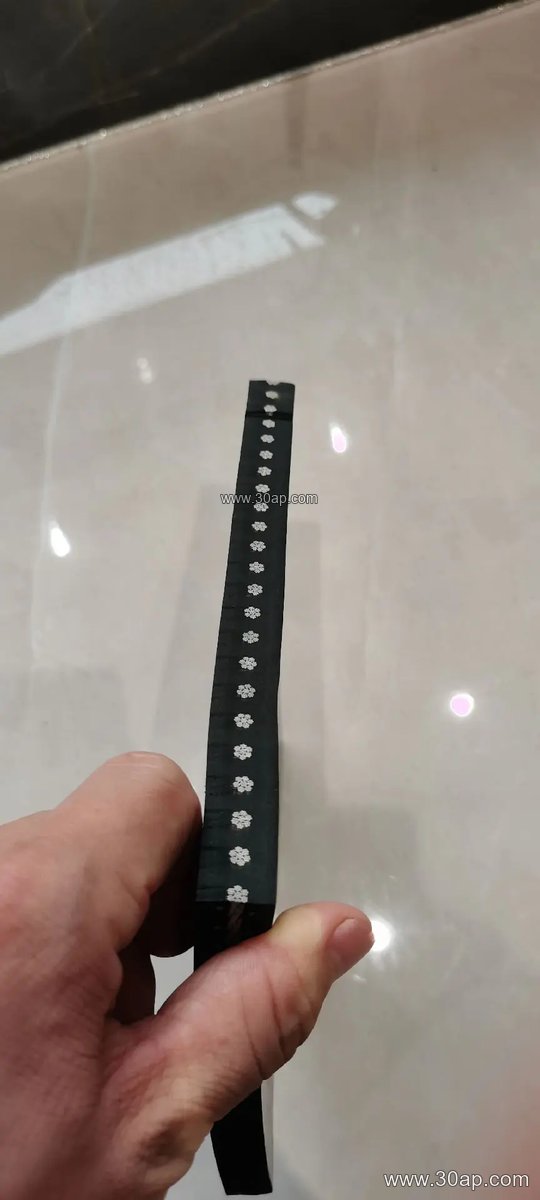
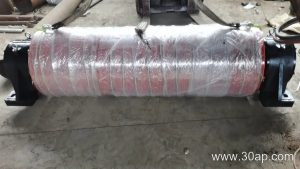
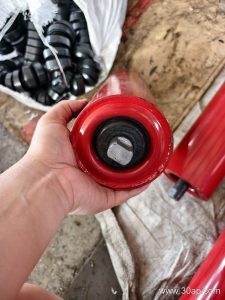
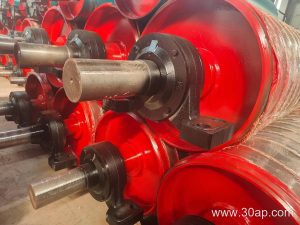
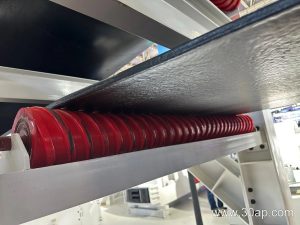
The belt works together with the rest of the conveyor: the drive pulley pulls, the tail pulley returns, and bend pulleys route the belt around curves. Troughed idler rollers support the loaded strand, return rollers support the empty strand, and the conveyor bracket holds the whole frame together. Misalignment at any of these points shows up first as uneven edge wear on the belt.
Buyer Checklist
Before ordering, collect the conveyor layout, the material type and lump size, the throughput, the incline angle, the ambient and material temperature, and the pulley diameters. Confirm whether the application needs abrasion resistance, flame resistance or antistatic properties. Ask for the ply count, cover thickness and edge type in writing. On installation, check that the belt is square, that the take-up has enough stroke for nylon stretch, and that the skirt rubber and chute do not press on the belt. During operation, watch for edge fraying, cover gouges and splice wear, and re-tension only to the level the conveyor design allows.
An NN100 conveyor belt is a workhorse grade rather than a specialist one. Chosen with the right cover, ply count and width for the duty, and matched to correctly sized pulleys, idler rollers and brackets, it gives predictable service in mining, cement, power and aggregate operations.