A Belt Guide Roller With Edge Flanges Prevents Belt Wander Better Than A Flat Return Idler But Adds Drag
A belt guide roller with raised edge flanges corrects and prevents belt wander more effectively than a flat return idler, particularly on conveyors where mistracking is a recurring problem. However, those same flanges introduce additional rotational drag and create a wear point against the belt edge. This judgment holds when the belt is prone to lateral movement and the conveyed material is not extremely sticky; it weakens when the belt is already well trained, when the flanges generate excessive edge wear, or when the application demands minimum power consumption.
Mechanism: How Flanges Steer the Belt
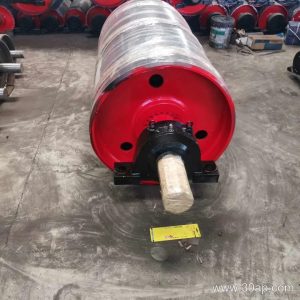
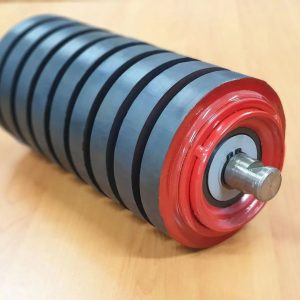
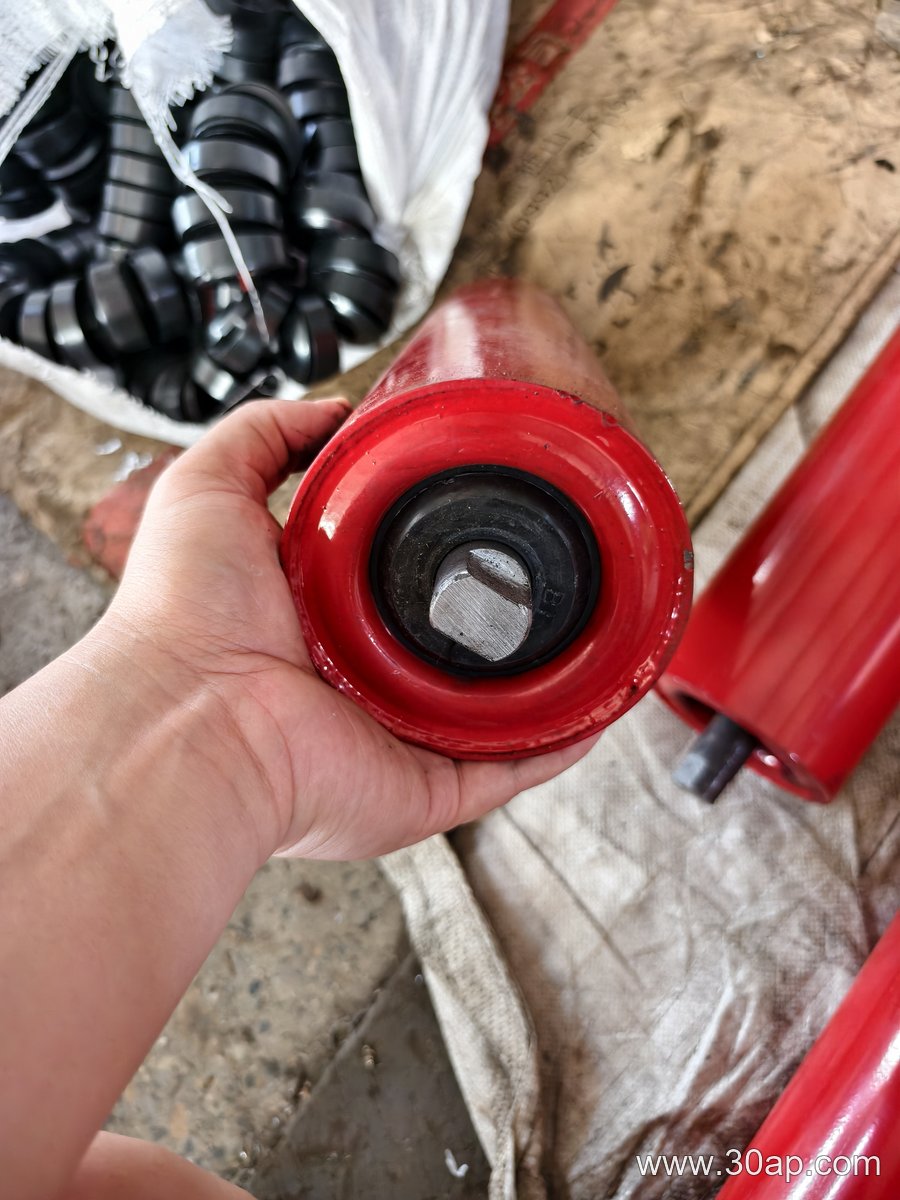
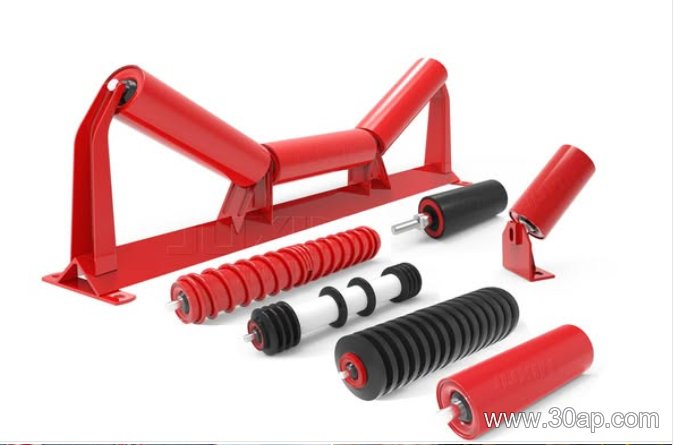
The flanged belt guide roller is a subtype of idler roller constructed with vertical or angled discs at both ends of the shell. These flanges act as physical stops that contact the belt edge when it begins to drift. The rotational motion of the roller combined with the flange surface gently pushes the belt back toward the center. In contrast, a flat return idler offers no lateral constraint; it only supports the belt vertically. Any misalignment must be corrected by other means such as training idlers or precise pulley alignment. The flange mechanism is passive but continuous, reacting instantly to small deviations before they grow into serious mistracking.
Where the Judgment Holds: Prone-to-Wander Conveyors
The decision to use a flanged belt guide roller is most justified on conveyors that experience frequent belt wander due to uneven loading, structural misalignment, or fluctuating tension. In such cases, the flanged roller acts as a low-cost insurance policy. For example, in a dusty quarry where material spillage and wind can push the belt off-center, a flanged guide roller on the return side can reduce edge damage and prevent the belt from rubbing against the structure. The judgment also holds when the belt is relatively stiff and the conveyed material is dry or only mildly sticky, because the flanges can maintain contact without clogging.
Mechanism of Added Drag and Edge Wear
Every contact between the flange and the belt edge produces friction. That friction translates into additional power draw and heat. Over time, the belt edge abrades, and the flange itself wears down. The drag is proportional to the force with which the belt presses against the flange, which depends on the severity of mistracking. In a well-aligned conveyor, the belt rarely touches the flanges, so the drag penalty is minimal. But in a poorly aligned system, constant contact can significantly increase energy consumption and shorten belt life. This is the trade-off: better tracking versus higher operating cost and edge maintenance.
Where the Judgment Stops Applying
The judgment does not hold when the belt is already well trained by other components, such as a troughed carrying idler set with angled rolls or a separate training idler. In that situation, the flanged guide roller adds drag without delivering tracking benefit. It also stops applying when the conveyed material is extremely sticky or fibrous. Sticky material can build up on the flanges, causing the belt to ride up and potentially derail. In such cases, a flat return idler or a self-cleaning spiral return roller may be more appropriate. Finally, if the conveyor is designed for minimum power consumption, such as a long overland conveyor, the added drag from flanges may be unacceptable even if mistracking occurs occasionally.
Maintenance Inspection for This Decision
To sustain the benefit of a flanged belt guide roller, inspect the following:
- Flange wear: Check for grooves or thinning on the flange faces. Excessive wear reduces steering effectiveness and may require replacement.
- Belt edge condition: Look for fraying or cupping at the edges. If edge wear accelerates after installing flanged rollers, the flanges may be too aggressive or misaligned.
- Material buildup: In dusty or sticky applications, ensure no material cakes on the flanges or between the flange and the belt edge.
- Rotational drag: Feel the roller for smooth rotation. A flanged roller that does not spin freely will amplify drag and may indicate bearing problems.
These checks help confirm whether the flanged guide roller is still the right choice or whether the drag penalty has begun to outweigh the tracking benefit.
Comparison Inside the Decision
The only two options in this judgment are the flanged belt guide roller and the flat return idler. The flanged version wins on tracking but loses on drag and edge wear. The flat version wins on low resistance and simplicity but offers no lateral correction. The choice depends on whether belt wander is a persistent problem that justifies the extra drag, or whether the belt stays centered on its own. No other subtype is considered here.