What an EP Conveyor Belt, 10mm Thick Actually Is
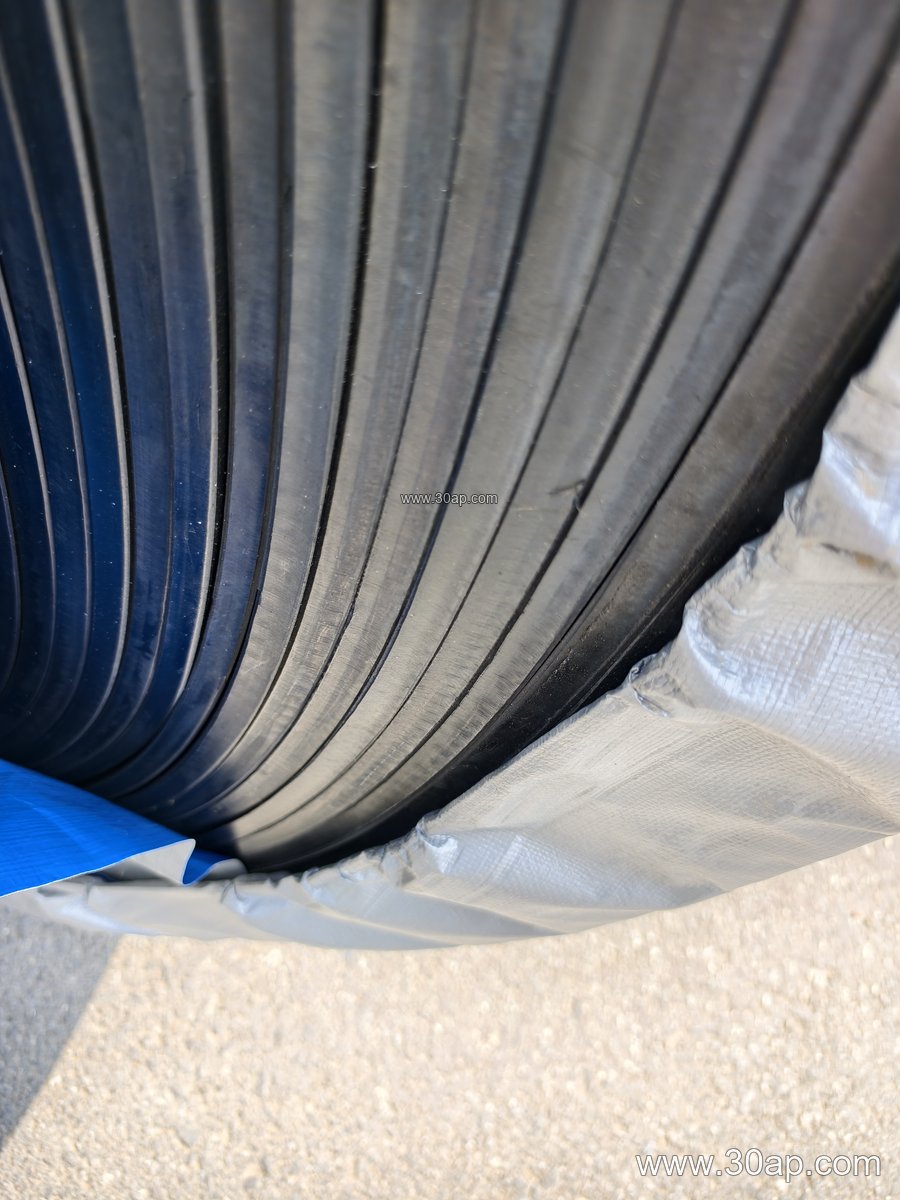
An EP conveyor belt, 10mm thick, is a fabric-reinforced rubber belt built around polyester (E) and nylon (P) warp and weft yarns. The 10mm figure refers to the total belt thickness — cover rubber on the carrying side, cover rubber on the pulley side, and the EP fabric carcass sandwiched between them. In practice, a 10mm belt usually pairs a carcass of two to four EP plies with covers such as 4+2 mm or 5+2 mm, though the exact split is set by the belt designer rather than by the thickness number alone.
Because the carcass stretches very little under load, this belt type is common on medium-to-long conveying runs in mines, coal preparation plants, cement works, power stations and sand and gravel yards. It is also known simply as a 10mm EP rubber conveyor belt or an EP fabric conveyor belt at 10mm gauge — the same product under a shorter name.
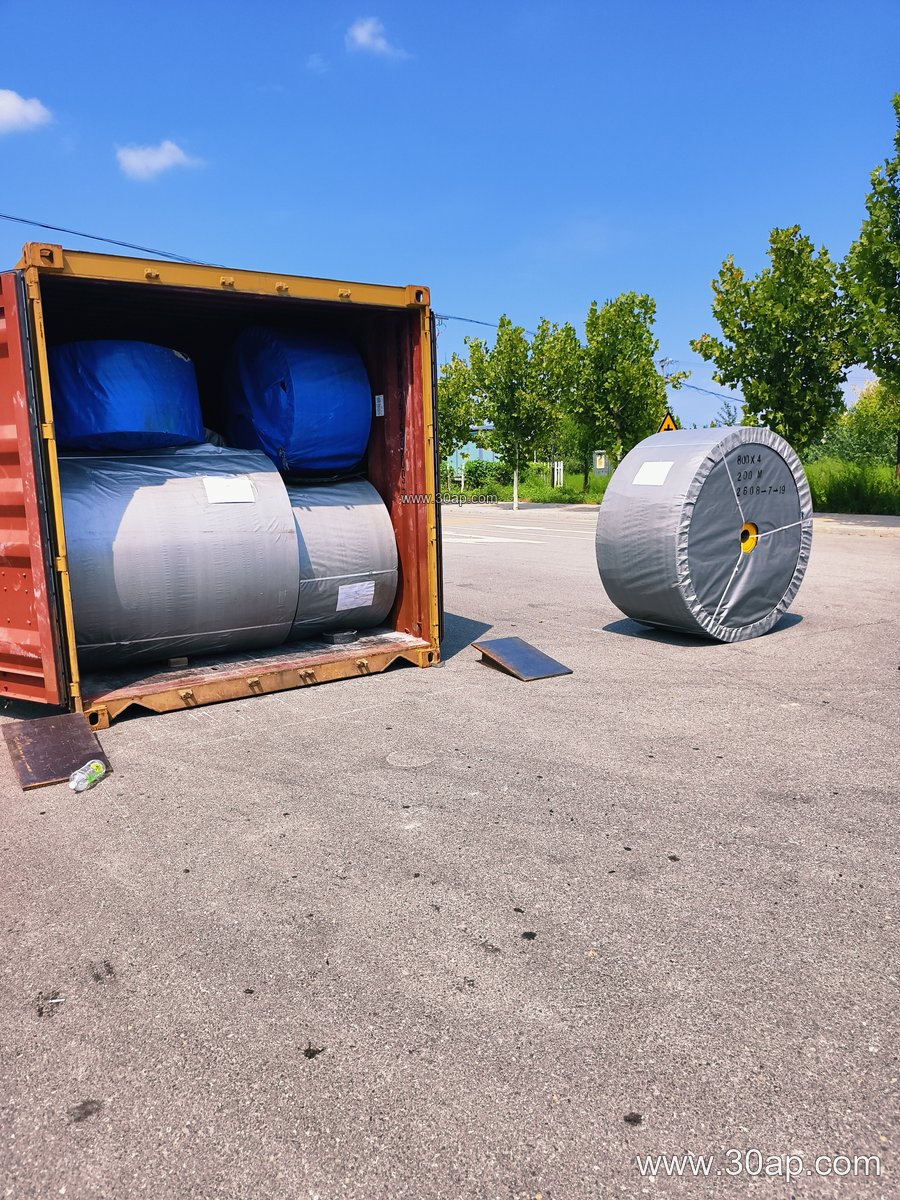
How the Belt Is Built
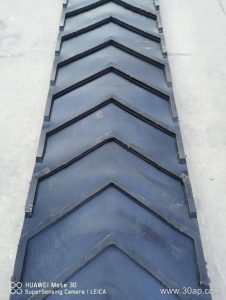
The carcass is the load-bearing element. EP fabric plies are bonded with skim rubber, then the top and bottom covers are applied and the whole slab is vulcanised. Cover compounds can be selected for abrasion resistance, heat, oil, flame resistance and antistatic behaviour, or for cold and mildly acidic conditions. A 10mm belt may also be supplied with a patterned top cover — chevron or herringbone — where incline grip matters, or with corrugated sidewalls where material must be contained on steep sections.
Typical reference data for this thickness class looks like the table below. Values are indicative only; confirm the actual construction with the belt manufacturer.
Common Reference Parameters
| Parameter | Typical range or example |
|---|---|
| Belt type | EP fabric conveyor belt (polyester/nylon carcass) |
| Total thickness | 10 mm |
| Carcass plies | 2 to 4 plies, sometimes more |
| Cover split | 4+2 mm, 5+2 mm, 6+2 mm (top + bottom) |
| Strength grades | EP200, EP315, EP400, EP500, EP630, EP800 and above |
| Belt widths | B500, B650, B800, B1000, B1200, B1400, B1600 |
| Surface forms | Smooth, abrasion-resistant, chevron, corrugated sidewall |
Note that belt width and pulley diameter are matched through the conveyor design, not by a fixed rule. A B800 belt may run on different pulley sizes depending on tension, speed and the drive arrangement, so the shaft diameter should always come from the conveyor engineer’s calculation.
Where a 10mm EP Belt Fits on the Conveyor
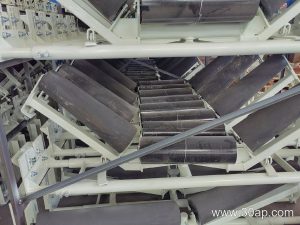
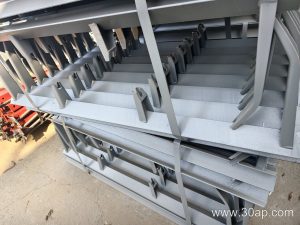
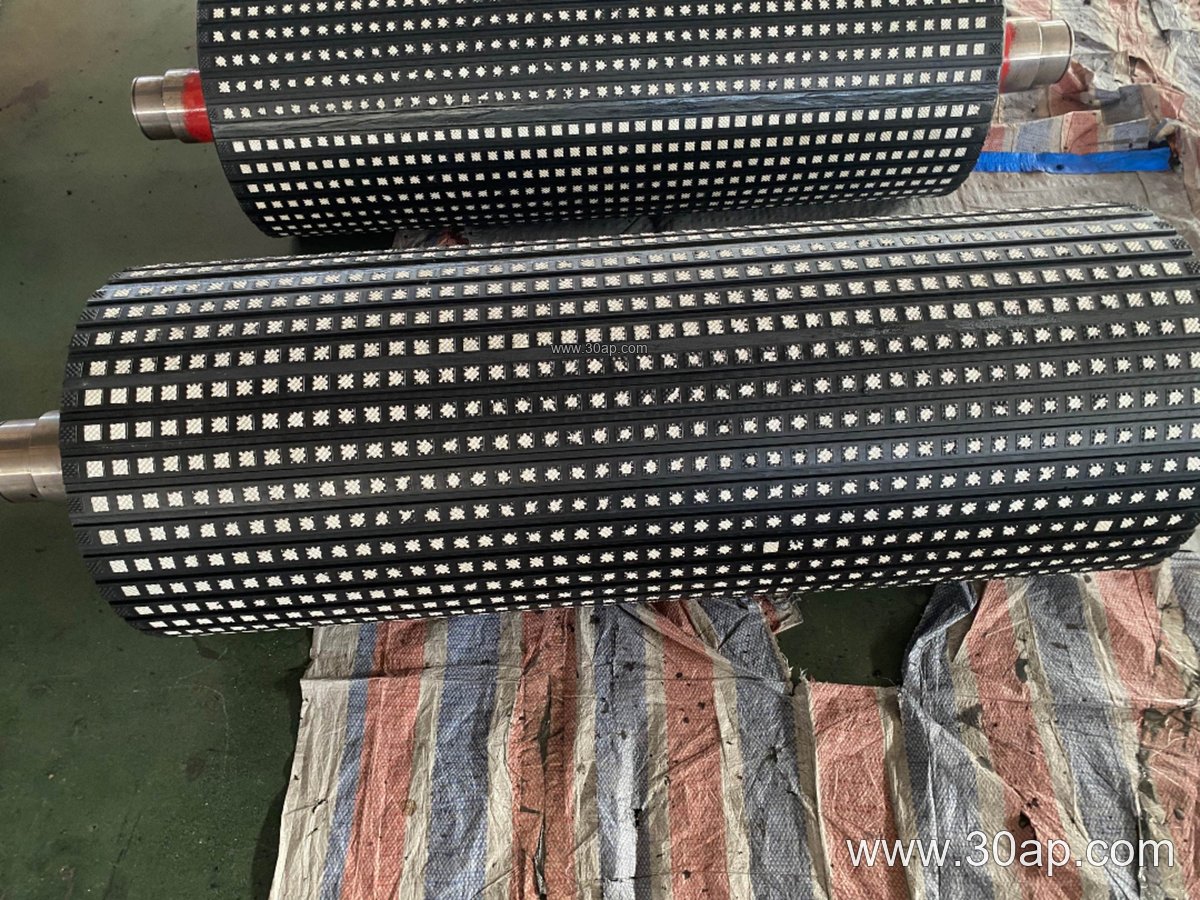
The belt wraps around the drive pulley at the head, returns over the tail pulley, and passes bend pulleys on routes with changes in elevation. Between those points it is supported by idler rollers on the carrying side and return idlers underneath. Conveyor brackets hold the idlers and pulleys in alignment, and a take-up device keeps tension stable as the belt runs.
In a coal handling plant, a 10mm EP belt with a flame-resistant and antistatic cover is a frequent choice for main haulage. In a cement plant it may carry clinker or limestone on a smooth abrasion-resistant cover. In a sand and gravel yard, a chevron version handles inclined transfer points. Each of these is still the same 10mm EP belt; only the cover compound and surface form change.
Selection Points for Buyers
- Strength grade: match the EP grade to the calculated belt tension, not to the thickness alone. A 10mm belt can be built in several grades.
- Cover thickness: thicker top covers suit sharp, abrasive material; thinner covers reduce weight and cost on clean duties.
- Pulley side cover: the bottom cover protects the carcass where it contacts the tail pulley and bend pulleys, so do not underspecify it.
- Environment: heat, oil, flame and static requirements should be stated at enquiry stage so the compound is chosen correctly.
- Width and splice: confirm belt width and the intended splicing method, since a 10mm carcass needs a splice design that matches its ply count.
Installation and Maintenance Notes
Check pulley alignment and idler roller condition before fitting a new belt; a worn idler or a misaligned bend pulley will shorten belt life regardless of cover quality. Keep the belt tracking straight, avoid material spillage at transfer points, and inspect the splice regularly. When replacing a belt, record the actual measured thickness and ply count so the next order matches the running conveyor.
A 10mm EP conveyor belt is a versatile, well-understood choice for general industrial conveying. The key is to treat thickness as one parameter among several and to specify grade, covers and surface form to suit the real duty.