What an Idler Bearing Housing Does
An idler bearing housing is the small but critical component that holds the bearing in place inside a conveyor idler roller. In a belt conveyor system, whether it runs in a coal mine, a cement plant, a power station coal yard, or a sand and gravel production line, every idler roller relies on its bearing housing to keep the shaft aligned, protect the bearing from dust and moisture, and transfer the load from the conveyor belt to the roller shell. Without a properly designed housing, the bearing would quickly fail, leading to roller seizure and unplanned downtime.
The housing is not a standalone product but a subassembly of the idler roller. It is typically press-fitted or welded into the roller end, and it works together with the bearing, seal, and shaft. The quality of this housing directly affects the service life of the entire idler.
Construction and Materials
Most idler bearing housings are made from stamped steel or cast iron, depending on the load rating and the environment. Stamped steel housings are common in light to medium-duty idlers, while cast housings are used where higher strength and better sealing are required. The housing has a cylindrical bore to seat the bearing, a flange or shoulder to position it axially, and often a groove or recess for a labyrinth seal or felt ring.
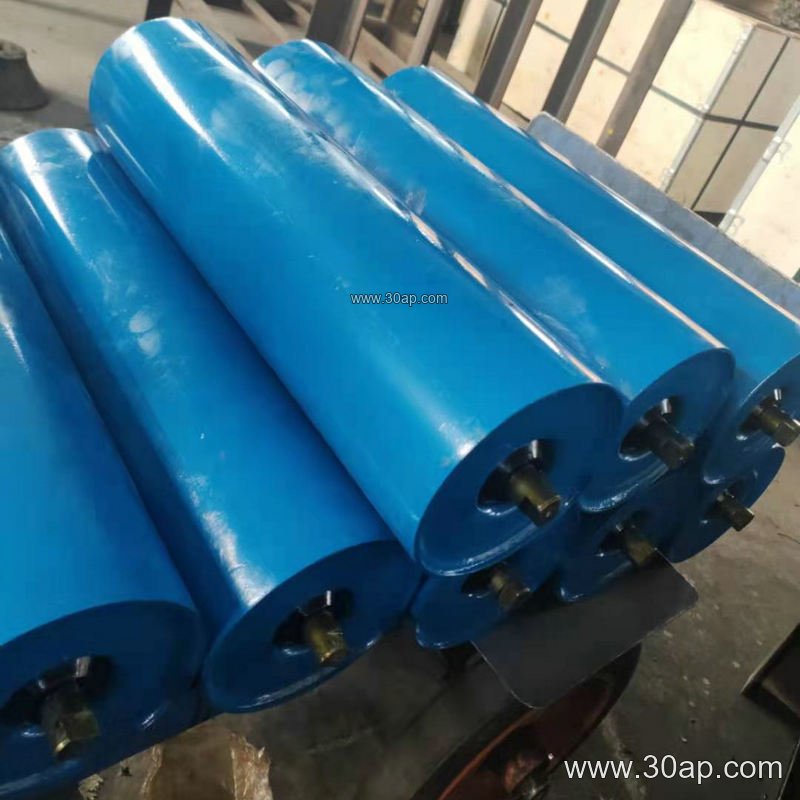
Inside the housing, the bearing is usually a deep groove ball bearing. Common bearing sizes for conveyor idlers include 6204, 6205, 6305, 6306, 6308, and 6310. The housing bore must match the bearing outer diameter precisely, and the housing material must be thick enough to resist deformation under belt load. A typical housing also includes a grease passage or a sealed-for-life design, depending on the idler type.
Where It Is Used
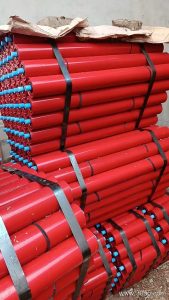
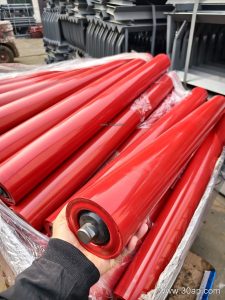
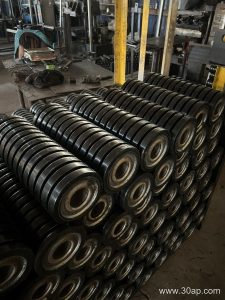
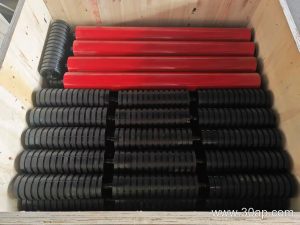
The idler bearing housing is found in virtually every type of conveyor idler roller. In a three-roll troughing set, each idler roller has its own housing at both ends. Troughing idlers with roll diameters such as Ø89, Ø108, Ø133, or Ø159 all use bearing housings sized to their respective bearings. The housing is equally important in return idlers, impact idlers, and self-aligning idlers.
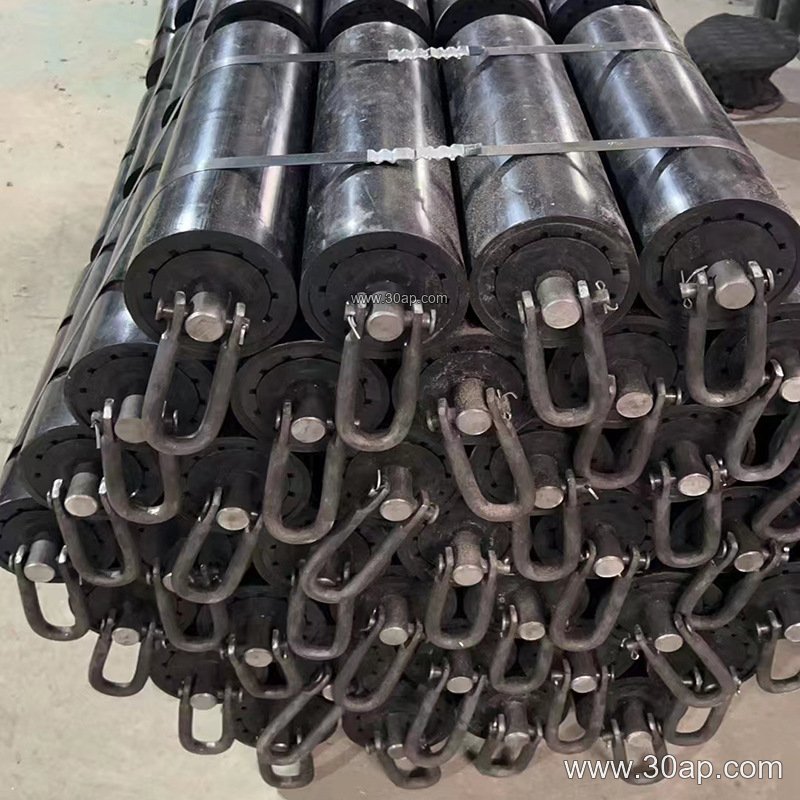
In a quarry or a crushing and screening plant, dust and fine particles are a constant threat. A well-sealed bearing housing prevents abrasive material from entering the bearing cavity. In a coal handling system, moisture and coal dust can cause corrosion, so housings with effective labyrinth seals are preferred. The same principle applies in a steel plant sintering line or a fertilizer handling facility, where chemical exposure may require additional protection.
Key Parameters for Buyers
When selecting idler bearing housings, buyers should consider the bearing size, the roller diameter, and the sealing arrangement. The table below lists common bearing sizes and their typical housing bore ranges, but these are reference values only. Actual dimensions should be confirmed with the idler manufacturer.
| Bearing Model | Typical Housing Bore (mm) | Common Roller Diameter (mm) | Typical Application |
|---|---|---|---|
| 6204 | 47 | Ø63, Ø76 | Light-duty return idlers |
| 6205 | 52 | Ø89, Ø102 | General troughing idlers |
| 6305 | 62 | Ø108, Ø127 | Medium-duty troughing idlers |
| 6306 | 72 | Ø133, Ø159 | Heavy-duty troughing and impact idlers |
| 6308 | 90 | Ø159, Ø178 | High-load idlers in mining |
| 6310 | 110 | Ø194, Ø219 | Very heavy-duty applications |
Note that the roller diameter and bearing model are not fixed pairs. A Ø108 roller may use a 6205 or 6305 bearing depending on the load requirement. Buyers should also check the housing material, wall thickness, and seal type. For dusty environments, a labyrinth seal with a felt or rubber lip is common. For wet or corrosive conditions, a housing with additional grease purge ports may be advisable.
Compatibility and Installation
An idler bearing housing must match the idler roller end dimensions. The housing outer diameter should fit the roller shell bore with the correct interference fit, and the housing length should accommodate the bearing width and seal. When replacing a housing, it is best to replace the bearing and seal at the same time. Improper installation, such as pressing on the bearing inner ring instead of the outer ring, can damage the housing or the bearing race.
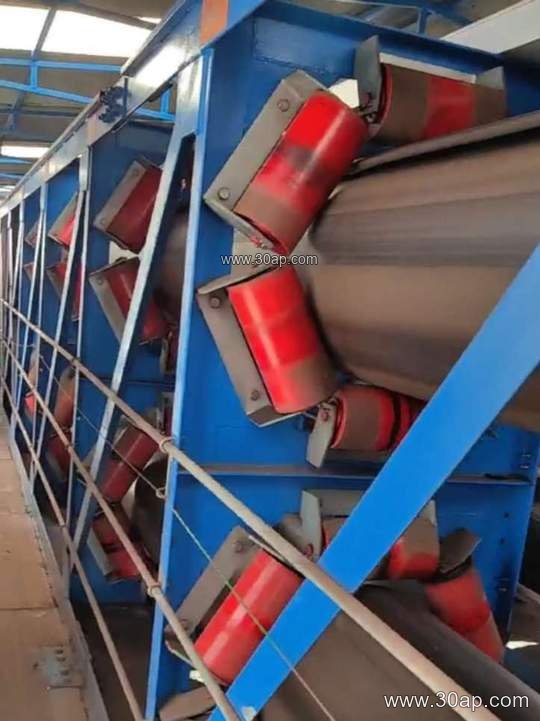
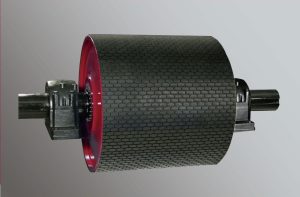
In a conveyor pulley, the bearing housing is a different component, usually a plummer block or a flanged housing. This article focuses on the idler roller housing, not the pulley bearing housing. Buyers should not confuse the two, as they serve different load and alignment functions.
Maintenance and Troubleshooting
Regular inspection of idler bearing housings can prevent costly belt conveyor failures. Listen for unusual noise from idlers, check for grease leakage, and look for wobbling rollers. A housing that has lost its seal will allow dust to enter, leading to rapid bearing wear. In a sand and gravel line, this can happen within weeks if the seal is compromised. Replacing the housing and bearing as a set is often more economical than trying to reuse a worn housing.
Keep spare housings in stock for critical idlers, especially in continuous operations such as power plant coal conveying or cement kiln feed lines. Choose housings that match the original bearing model and seal design, and always follow the idler manufacturer’s torque and fit recommendations.