What a Cleaning Idler Does on a Conveyor
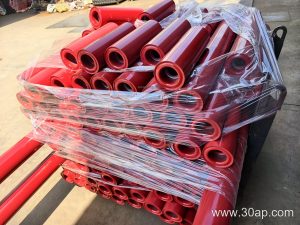
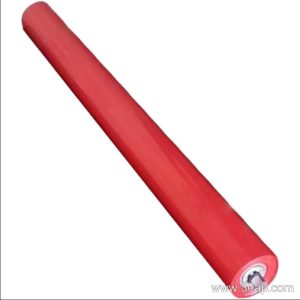
A cleaning idler is a specialized conveyor roller designed to remove carryback material from the return side of a conveyor belt. Unlike standard carrying or impact idlers, this roller is positioned where the belt is empty and often incorporates spiral or helical features to guide debris away from the belt surface. In quarry, cement, and coal handling operations, fines and moisture often adhere to the belt after the head pulley, and a cleaning idler helps control that buildup before it reaches the tail pulley or bend pulley.
The product is also known as a spiral cleaning roller or a helical return roller. It is not a substitute for a drive pulley, tail pulley, or bend pulley—those are drive and direction components, while the cleaning idler is a belt-conditioning roller. Properly applied, it reduces material spillage and extends the life of other conveyor components.
Construction and Key Features
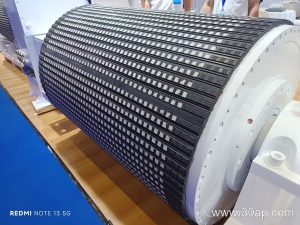
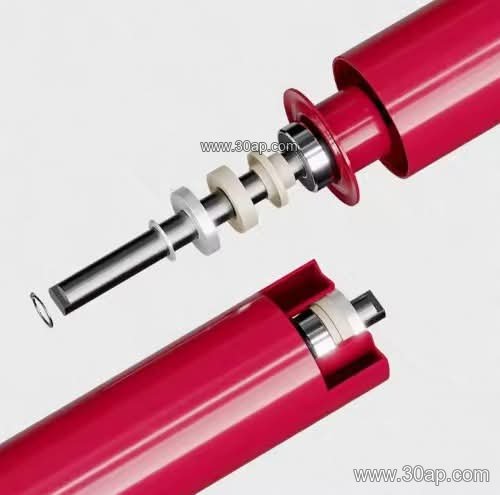
Most cleaning idlers use a steel tube shell with a helical fin or rubber spiral wrapped around the surface. The spiral pattern pushes adhered material toward the belt edges as the roller turns. Common shell materials include steel, nylon, and rubber-covered options. Bearing housings are typically sealed to resist dust and water, which is critical in aggregate and mining environments.
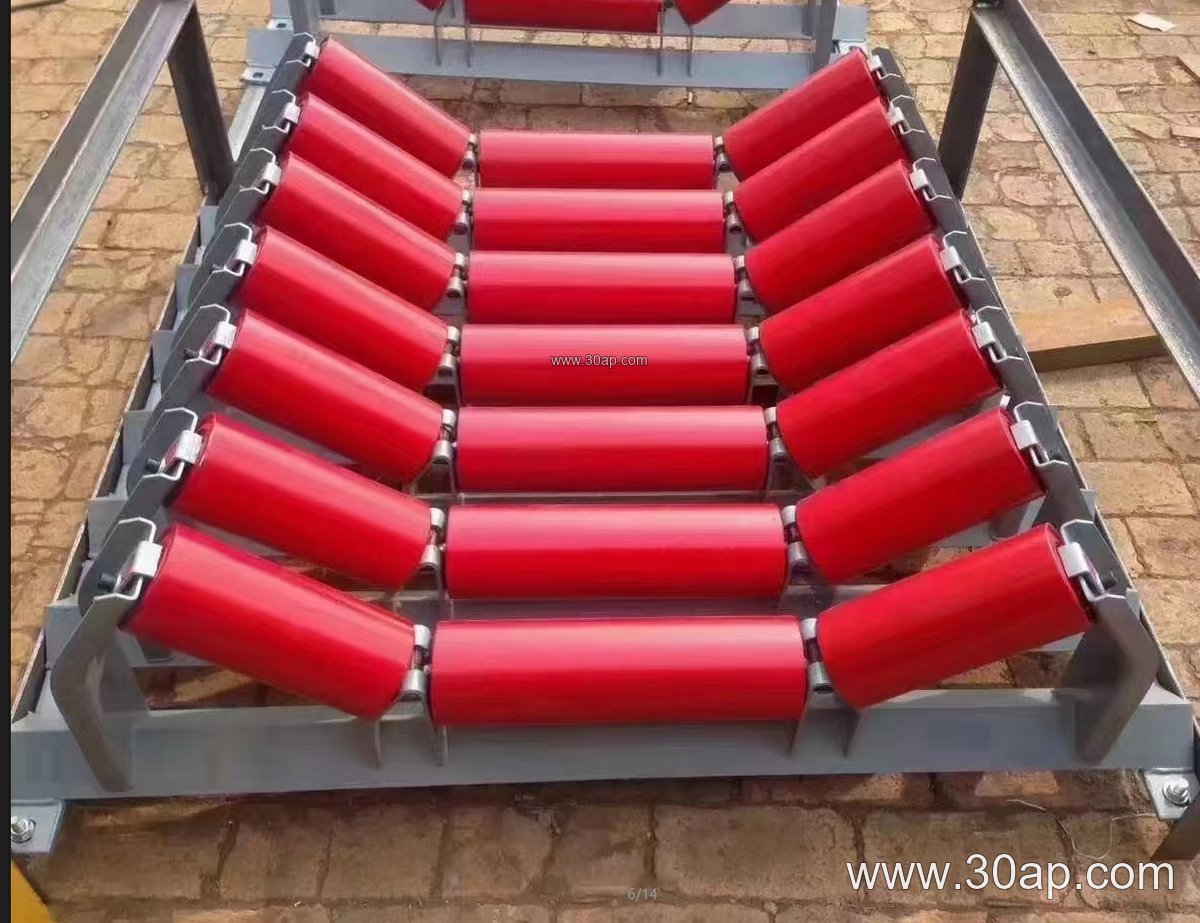
Typical roller diameters range from Ø63 mm to Ø219 mm, with Ø89, Ø108, Ø133, and Ø159 being frequent choices for cleaning duties. Bearing sizes such as 6204, 6205, 6305, 6306, and 6308 are common depending on load and speed. The roller length is matched to the conveyor belt width and the frame design—for example, a B800 belt might use a roller around 315 mm long in a three-roll arrangement, but exact dimensions are always set by the conveyor designer.
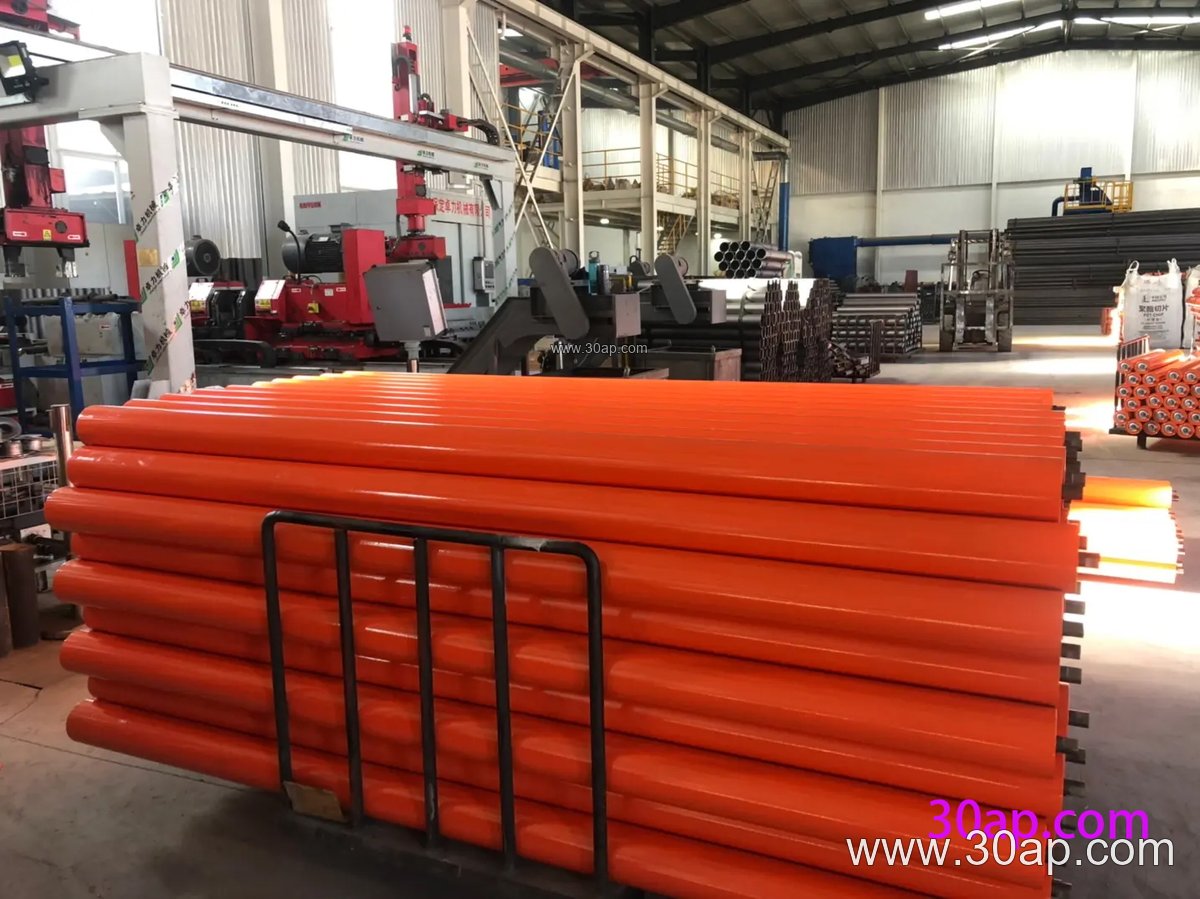
Where Cleaning Idlers Are Used
These rollers are common in sand and gravel plants, limestone quarries, and coal preparation plants. They are often installed just after the head pulley on the return strand, ahead of the tail pulley, to protect both the belt and the pulley lagging. In cement plants and power plant coal yards, a cleaning idler can reduce the amount of material that accumulates on the floor and on other return idlers.
While a bend pulley changes belt direction and a tail pulley provides tension and tracking, the cleaning idler focuses on surface cleanliness. It may be used alongside V-type return rollers or flat return idlers, but it does not replace them; each has a distinct role in the conveyor system.
Specification Reference for Buyers
When specifying a cleaning idler, buyers should confirm belt width, roller diameter, shaft size, bearing type, and mounting dimensions. The table below shows common reference values—not mandatory combinations.
| Parameter | Common Reference Values |
|---|---|
| Roller diameter | Ø63, Ø76, Ø89, Ø102, Ø108, Ø127, Ø133, Ø159, Ø178, Ø194, Ø219 mm |
| Belt width | B400, B500, B650, B800, B1000, B1200, B1400, B1600, B1800, B2000, B2200, B2400 |
| Bearing | 6204, 6205, 6305, 6306, 6308, 6310 |
| Surface form | Steel spiral, rubber spiral, nylon covered |
| Roller length (example, three-roll) | B500 ≈ 200 mm; B650 ≈ 250 mm; B800 ≈ 315 mm; B1000 ≈ 380 mm; B1200 ≈ 465 mm; B1400 ≈ 530 mm |
Note that roller length varies with trough angle and roll configuration; side rollers and center rollers may differ. A single belt width does not dictate one fixed pulley diameter or shaft size. Always request a dimensional drawing for the specific mounting brackets and conveyor frame.
Selection and Maintenance Tips
- Match the cleaning idler diameter to the belt speed and material load; larger diameters suit higher belt speeds and heavier carryback.
- Choose sealed bearings rated for dusty conditions; in coal and cement plants, protection against fine abrasive dust is essential.
- Inspect the spiral or rubber surface regularly for wear or material wrap; a worn spiral loses cleaning efficiency.
- Verify that the idler is mounted on the return strand with adequate clearance from the conveyor bracket and frame.
- Do not use a cleaning idler as a substitute for a bend pulley or tail pulley; each component has a different function in belt tracking and drive.
For quarry and aggregate lines, a rubber-covered spiral cleaning idler often provides better grip and quieter operation than a plain steel version. In coal handling, nylon or ceramic-faced options may be considered where buildup is severe, but final selection should follow the conveyor design and operating conditions.
Buyer Checklist
Before ordering, confirm the conveyor belt width, required roller diameter, shaft end type, bearing number, and mounting bracket dimensions. Ask for the roller length and spiral pitch if carryback is sticky. Keep in mind that a cleaning idler works best when paired with proper belt cleaning systems such as primary and secondary cleaners, and when the return strand is supported by suitable return idlers. This roller is one part of a complete conveyor solution, not a standalone fix for all material carryback issues.