What Do Key Specification Fields Mean on a Cement Plant Conveyor Pulley
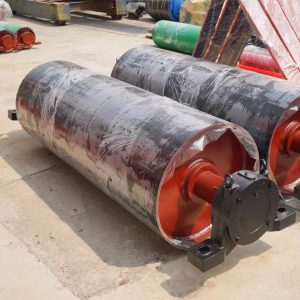
A conveyor pulley in a cement plant must match the belt width, load, and abrasive environment. Reading shell diameter, face width, and lagging thickness helps avoid mismatch.
Shell Diameter and Face Width
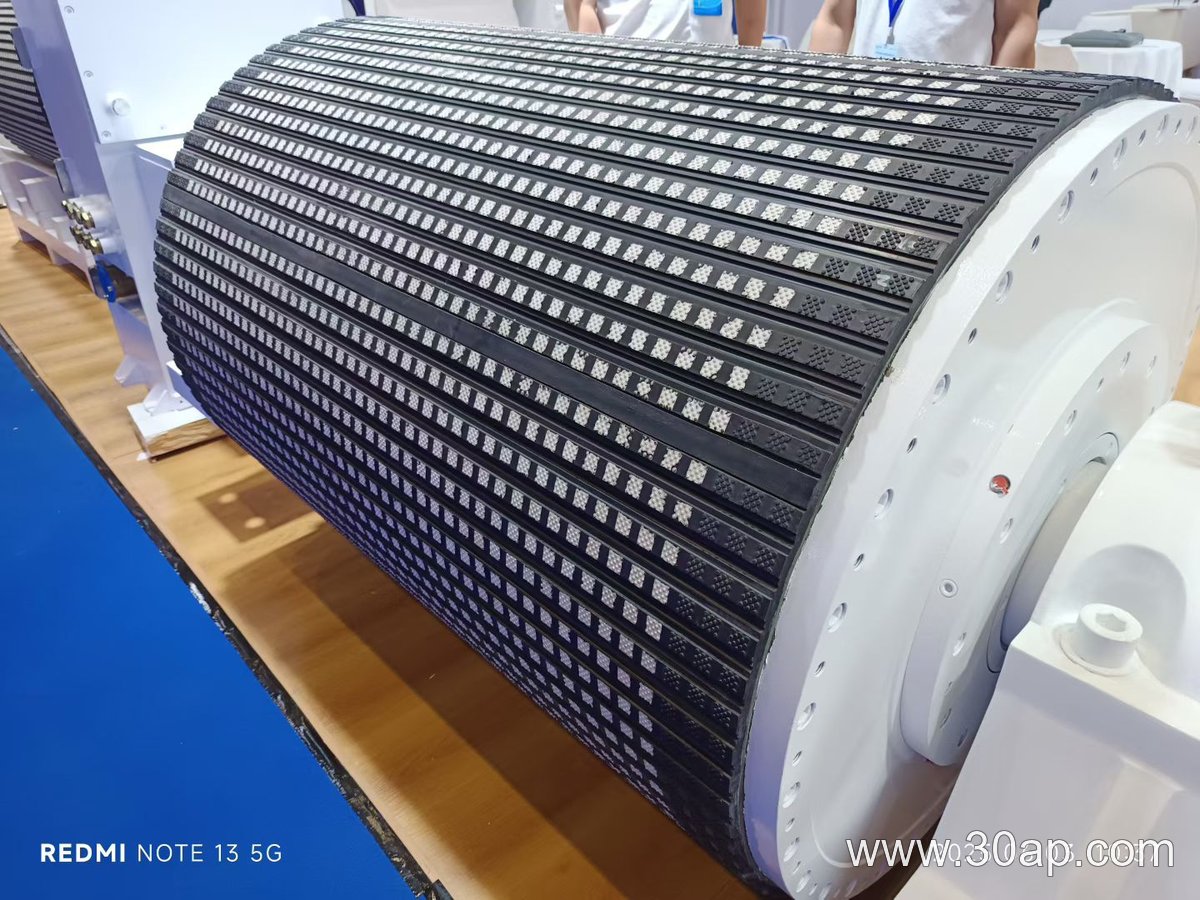
Shell diameter, in millimeters, affects belt bending stress and pulley mass. Face width, also in millimeters, must exceed belt width to allow tracking. For example, a 500 mm diameter pulley with 1200 mm face width is a hypothetical starting point, not a universal rule.
Lagging Thickness and Hardness
Lagging thickness is given in millimeters and hardness in Shore A or D units. Thicker lagging absorbs impact but may reduce grip if too soft. Check that the lagging grade suits cement dust and heat.
Reading the Data Sheet
- Confirm units: mm for dimensions, kg for mass, Shore A for rubber.
- Match shaft diameter and keyway to the drive.
- Verify balancing class if speed is high.
Preparing the mounting surface for a conveyor bracket
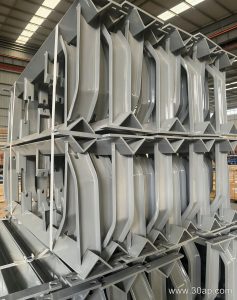
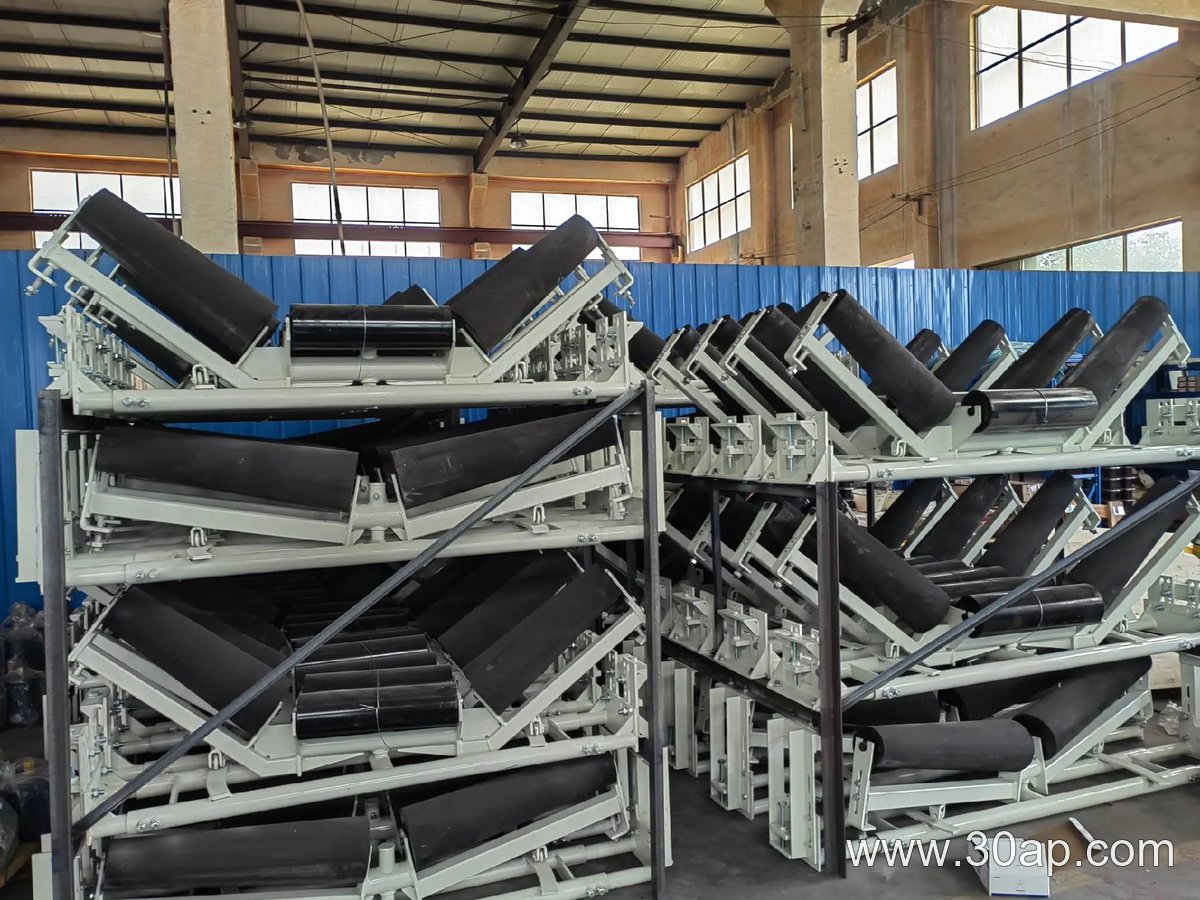
In a dusty quarry, the frame flange and the conveyor bracket’s base must be clean, flat, and free of burrs before bolting. Dust left between mating faces acts like a shim and shifts the bracket’s idler seat.
Mounting, alignment, and commissioning checks
- Set the bracket on the frame, start bolts by hand, and bring them to snug.
- Align the bracket’s idler seat square to the belt centerline using a string line or laser.
- Torque bolts in a crossing pattern, then re-check alignment as preload settles.
- Before startup, confirm the idler turns freely and the belt does not rub the bracket edges.
After the first hour of running, inspect for shifted brackets and loose fasteners; dust ingress can hide movement.
Steel cord or corrugated sidewall conveyor belt at a cement plant incline?
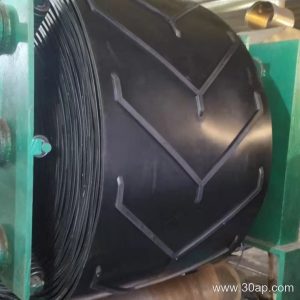
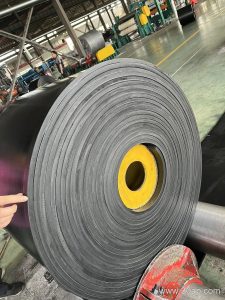
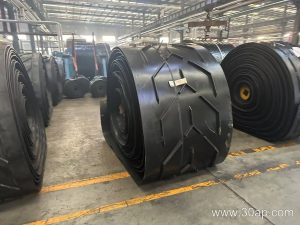
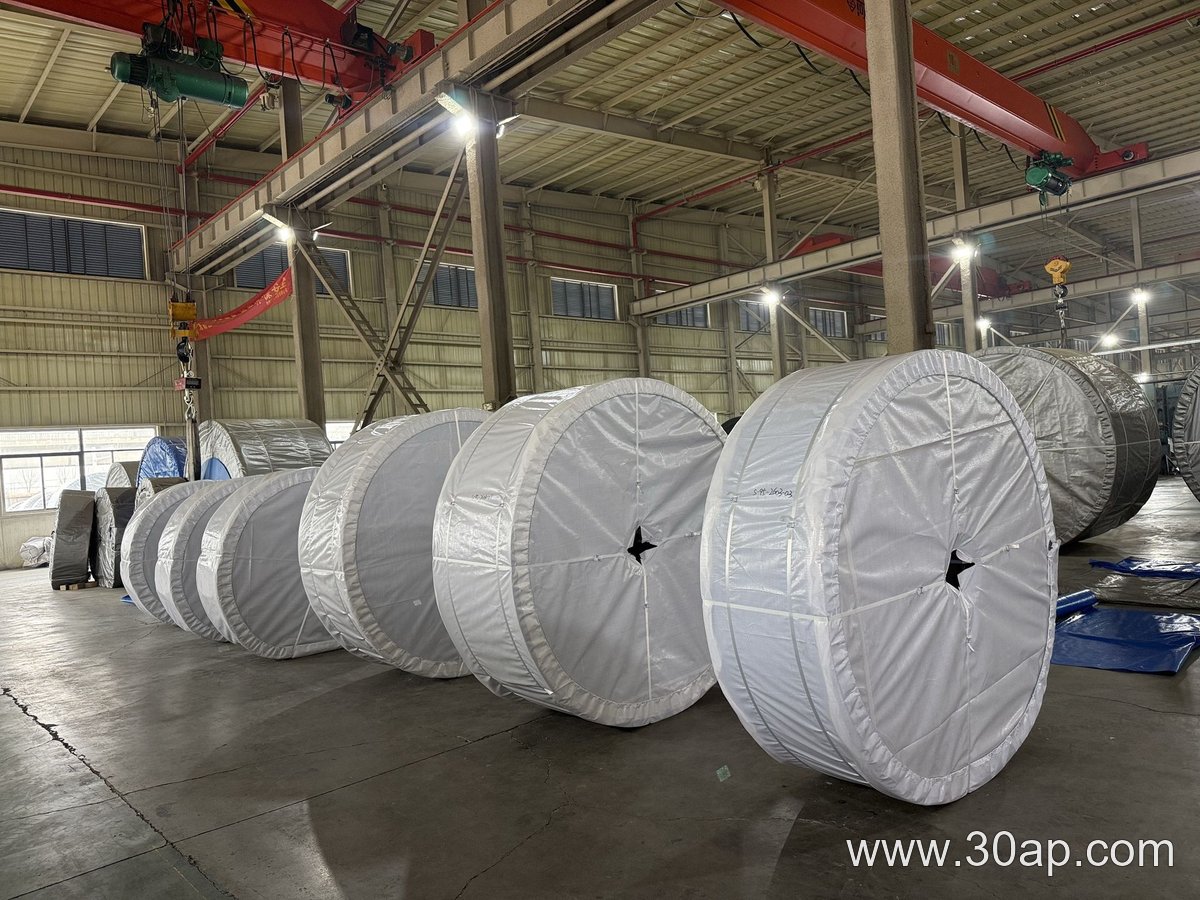
At a cement plant, a clinker transfer that climbs steeply forces a choice between two conveyor belt subtypes: steel cord conveyor belt and corrugated sidewall conveyor belt. Steel cord conveyor belt carries high tension over long, gentle inclines. Corrugated sidewall conveyor belt handles steeper angles with cleats and sidewalls. The trade-off is tension capacity versus incline capability.
How do the two conveyor belt subtypes compare?
- Steel cord conveyor belt: benefits are high tensile strength and long center distances; limitations are a low maximum incline and large pulley diameters.
- Corrugated sidewall conveyor belt: benefits are steep angles and a compact footprint; limitations are lower tension capacity and more complex cleaning at the cleats.
Use steel cord conveyor belt for long, shallow hauls. Use corrugated sidewall conveyor belt where space forces a steep lift. In a cement plant, both may appear on one clinker line, each matched to its own incline and duty.
What Drives the Cost of an Idler Roller in a Cement Plant?
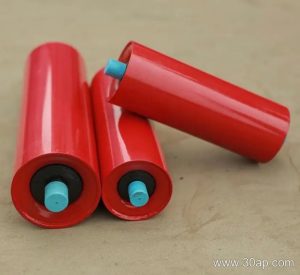
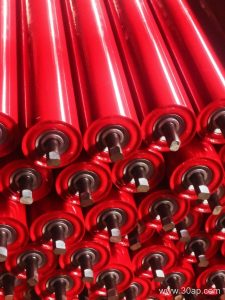
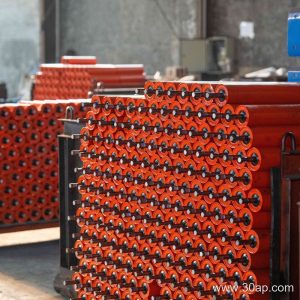
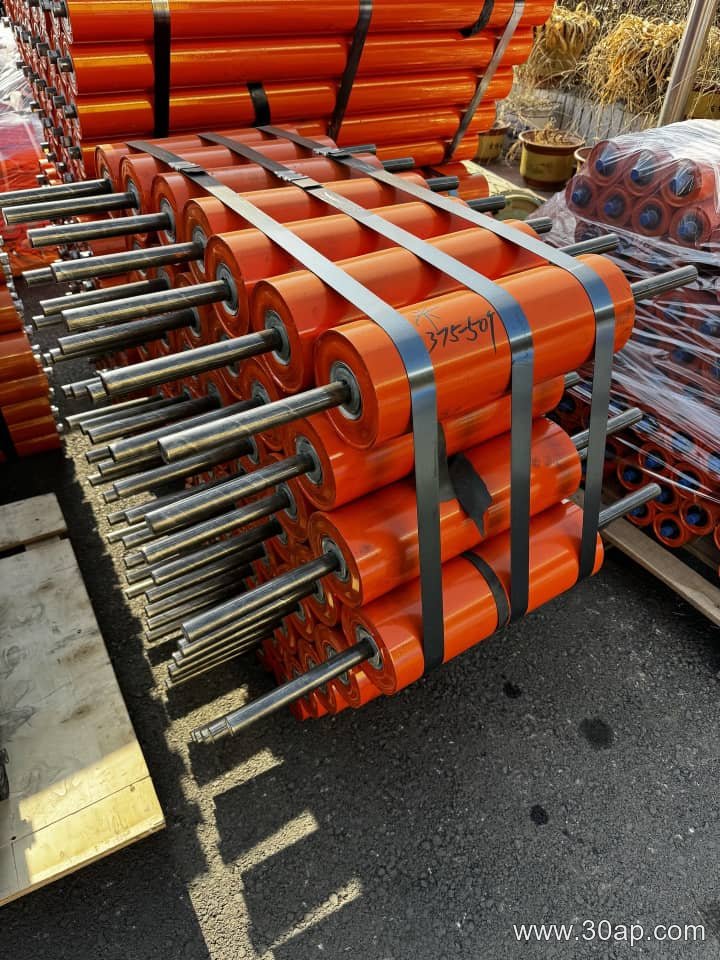
In a cement plant, an idler roller must handle abrasive dust, heat, and heavy loads. Its cost is shaped by four factors: materials, dimensions, manufacturing, and freight.
Materials
Steel shells cost less than polymer or stainless steel, but may wear faster in abrasive conditions. Bearing quality and seal type also affect price.
Dimensions
Longer or larger-diameter idler rollers require more material and may need specialized tooling, raising cost.
Manufacturing
Precision balancing, welding, and sealing add labor and equipment costs. Higher volume typically lowers unit cost.
Freight
Idler rollers are bulky and heavy. Shipping distance, packaging, and transport mode influence total delivered cost.