What a Conveyor Support Leg Does
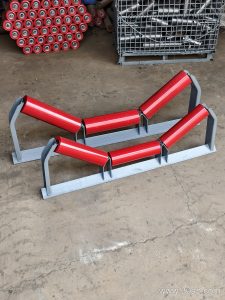
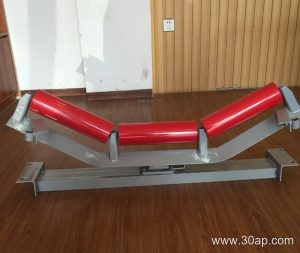
A conveyor support leg is the vertical or angled structural member that carries the weight of the idler roller assemblies, the conveyor belt, and the material load. It connects the horizontal stringers or rails to the floor, foundation, or structural steel. In a typical troughing station, the support leg works together with a conveyor bracket to hold the idler rollers at the correct trough angle. Without a properly designed leg, the entire idler frame can shift, twist, or sag, leading to belt misalignment and premature wear.
You will find these legs in almost every bulk material handling system: a coal mine overland conveyor, a cement plant clinker transport line, a power plant coal yard, a quarry crusher discharge belt, or a sand and gravel washing plant. The exact shape and mounting style depend on the conveyor profile and the available space.
How a Support Leg Is Built
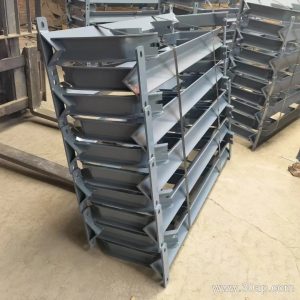
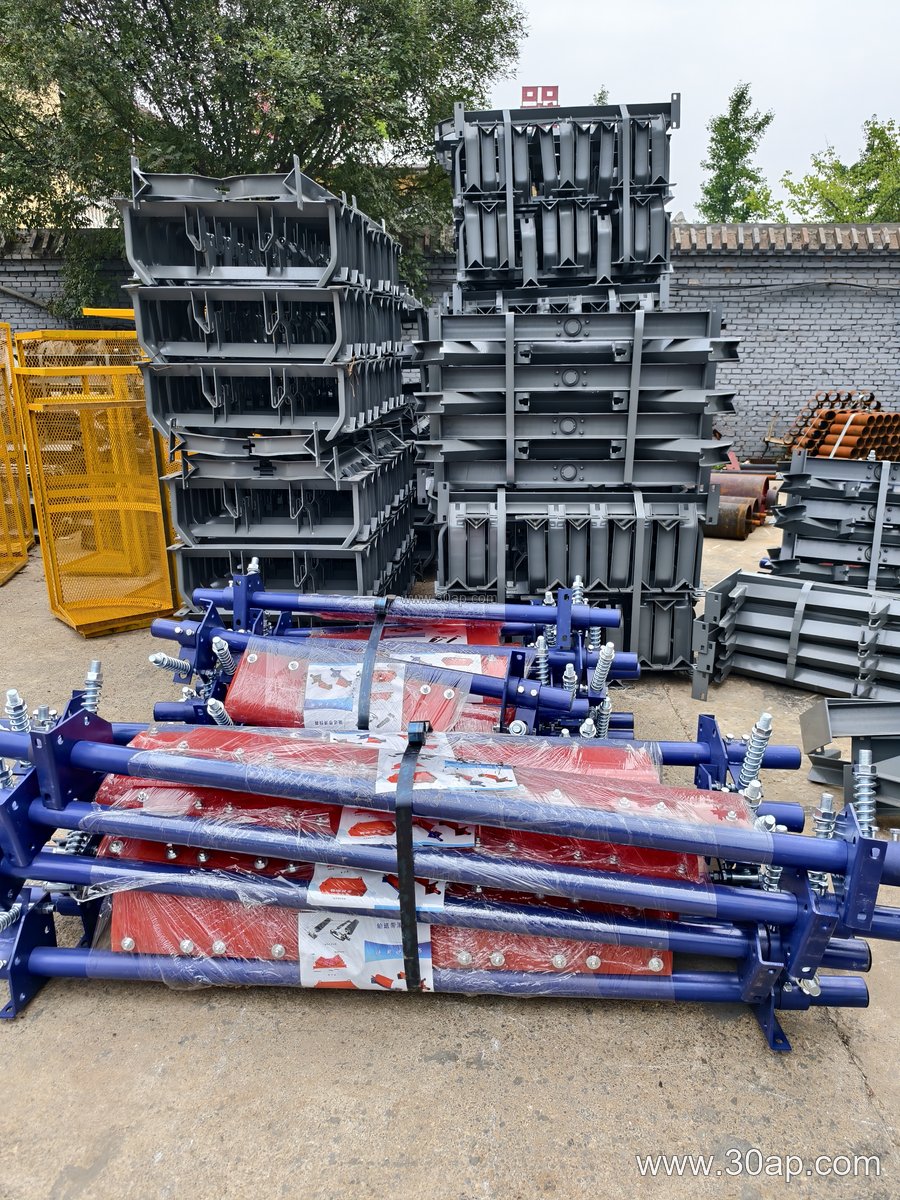
Most support legs are fabricated from structural steel. Common materials include angle steel, channel steel, and folded steel plate. The choice depends on the load, the required stiffness, and the connection method to the main frame.
- Angle steel leg: Light to medium duty, often used on smaller belt widths such as B500, B650, or B800.
- Channel steel leg: Higher bending resistance, suitable for B1000, B1200, or B1400 conveyors.
- Folded plate leg: Custom shapes for tight spaces or when a specific hole pattern is needed.
The top of the leg usually has a mounting plate or bracket with slotted holes. These slots allow minor adjustment during installation so the idler roller can be aligned perpendicular to the belt path. The bottom may have a base plate for floor anchoring or a bolted connection to a longitudinal beam.
Where Conveyor Support Legs Are Used
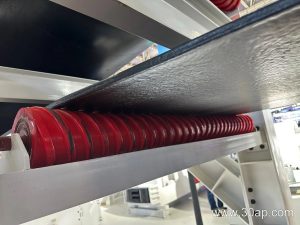
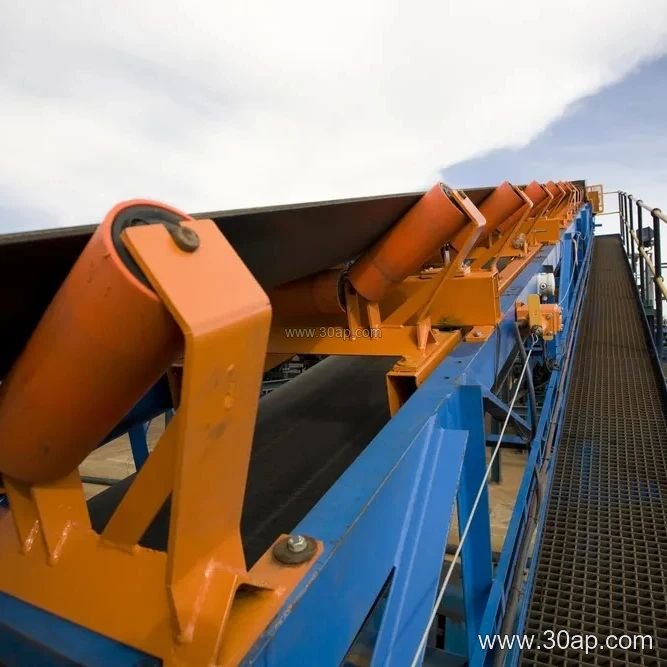
Support legs appear in many locations along a conveyor system. On a straight section, they hold the troughing idlers that shape the conveyor belt into a trough. At a loading point, heavier legs may support impact or buffer idler brackets. On the return side, legs carry the return rollers or V-return brackets.
In a coal preparation plant, support legs are often exposed to dust and moisture, so the steel may be painted or galvanized. In a tunnel boring project, the legs must fit narrow spaces and resist vibration from the discharge point. In a fertilizer or grain silo facility, the legs may be designed with smooth surfaces to prevent material buildup.
Key Selection Points for Buyers
When specifying a conveyor support leg, do not rely on a single number. Consider the following:
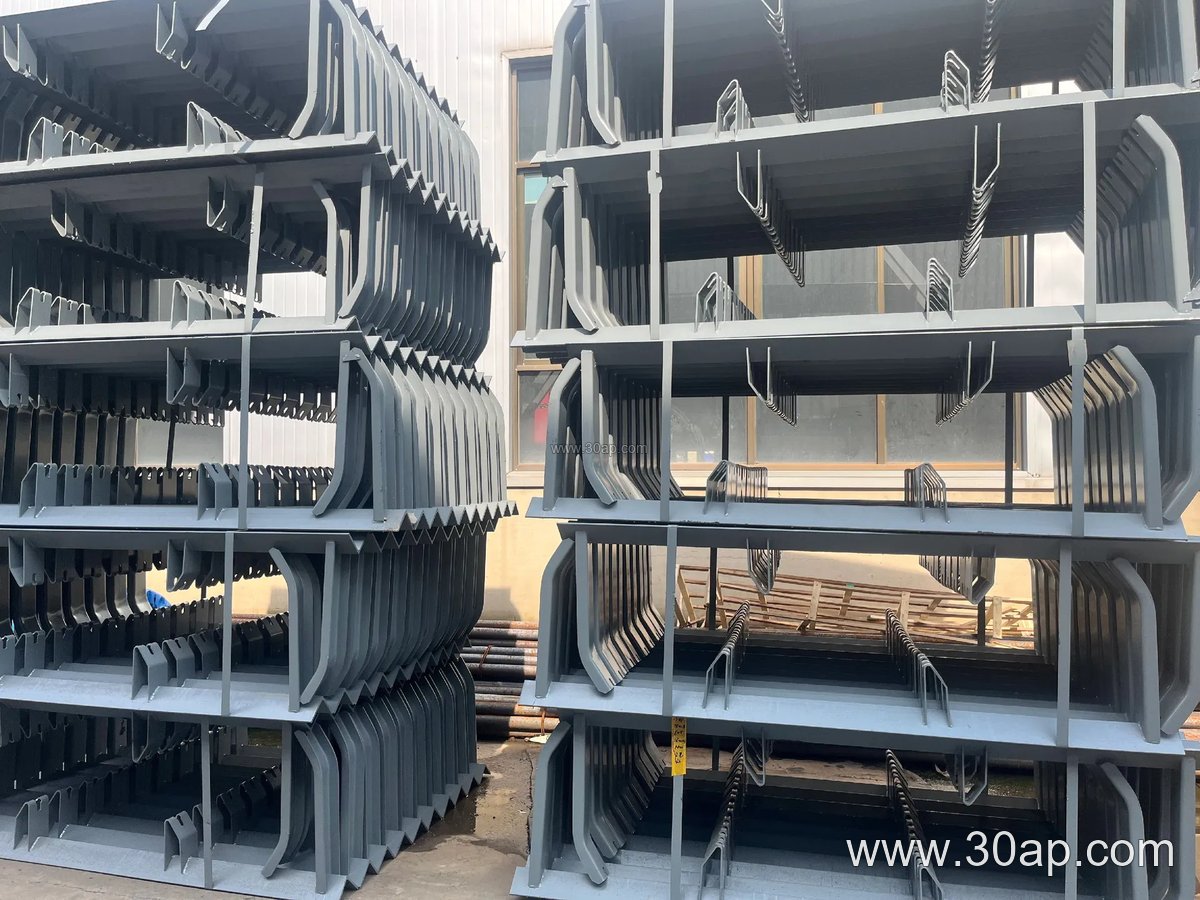
- Belt width: The leg height and hole spacing usually change with the belt width. Common widths include B500, B650, B800, B1000, B1200, B1400, and B1600. Wider belts often need stronger legs.
- Trough angle: The support leg must match the idler bracket angle. Typical trough angles are 20 degrees, 30 degrees, 35 degrees, and 45 degrees. Adjustable support legs can accommodate several of these angles.
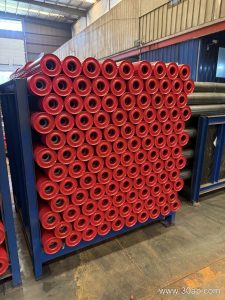
- Roller diameter: The idler roller diameter affects the bracket height and the load on the leg. Common roller diameters are Ø89, Ø108, Ø133, Ø159, and Ø194. A heavier roller does not automatically mean a specific leg size, but the leg must be rated for the load.
- Mounting method: Check whether the leg bolts to the floor, to a stringer, or to a conveyor bracket. Hole spacing and beam length are usually determined by design, not fixed values.
- Environment: In a limestone quarry or iron ore mine, abrasive dust may require thicker steel or protective coatings. In a food or fertilizer plant, stainless steel or easy-clean designs may be preferred.
Support Leg vs. Other Frame Parts
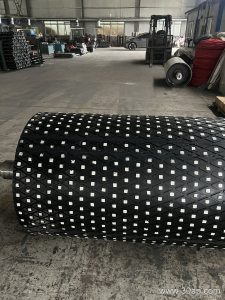
A support leg is not the same as a drive pulley, tail pulley, or bend pulley. Those are rotating drums that transmit power or change belt direction. The support leg is a stationary structural component. It also differs from a conveyor bracket, which is the smaller piece that directly holds the idler roller. In some designs, the bracket sits on top of the leg; in others, the leg and bracket are combined into one welded assembly.
For a reliable conveyor system, the support leg must be strong enough to carry the static and dynamic loads without excessive deflection. It should also allow fine adjustment so the idler rollers stay square to the belt. If you are working on a new project or replacing worn legs, provide the belt width, trough angle, roller diameter, and mounting hole pattern to your supplier. That information helps ensure the leg fits the existing conveyor frame and keeps the conveyor belt running true.