What the Tail Pulley Does on a Conveyor
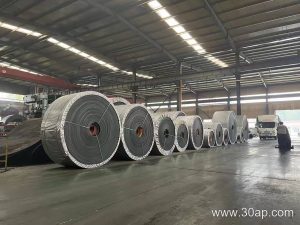
The tail pulley sits at the return end of a belt conveyor, where the belt completes its loop after discharging material. Its main job is to guide the belt back toward the head drive while maintaining consistent alignment and tension. In a limestone quarry or a coal handling plant, this pulley often works in dusty, abrasive conditions, so the right specification matters for uptime. Unlike a drive pulley that transmits power, or a bend pulley that changes belt direction mid-run, the tail pulley primarily supports the return path and helps keep the belt tracking correctly.
Construction and Surface Options
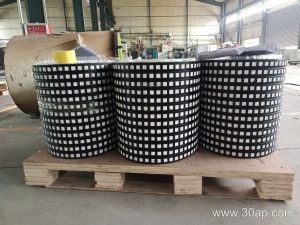
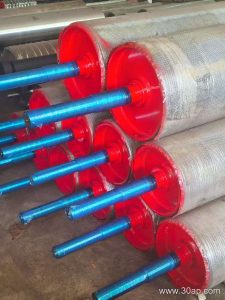
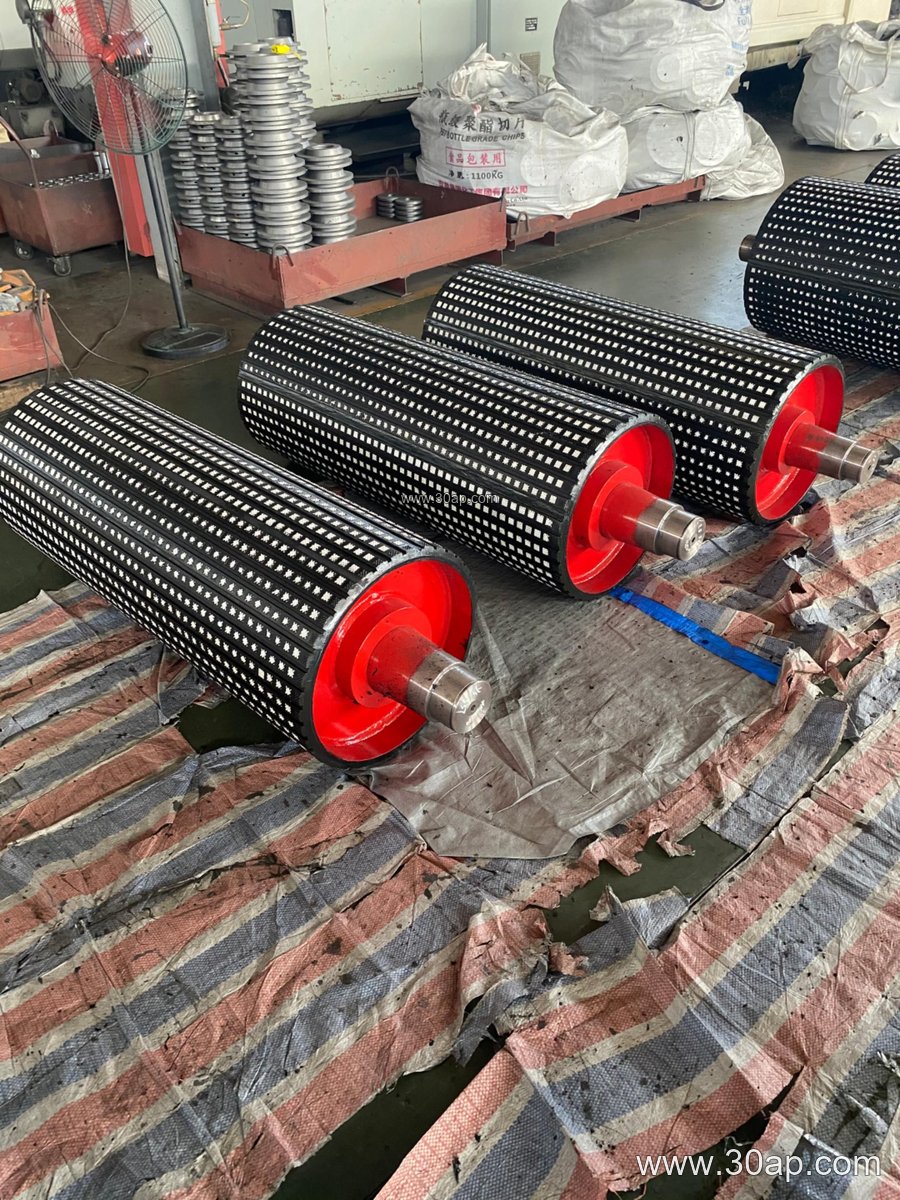
A typical tail pulley is built around a steel drum with welded end discs and a through shaft. The shell can be plain or covered with rubber or ceramic lagging to improve grip and protect the belt. Common surface forms include smooth, cold-bonded rubber, hot-spliced rubber, diamond grooved, and ceramic lagging. Lagging thickness often ranges from 8 mm to 20 mm depending on the duty. The pulley face width is usually slightly wider than the belt, for example about 1150 mm for a B1000 belt or roughly 1400 mm for B1200. Shaft diameter is determined by torque and load, not by belt width alone, so a B800 conveyor might use a Ø80 or Ø100 shaft depending on the overall design.
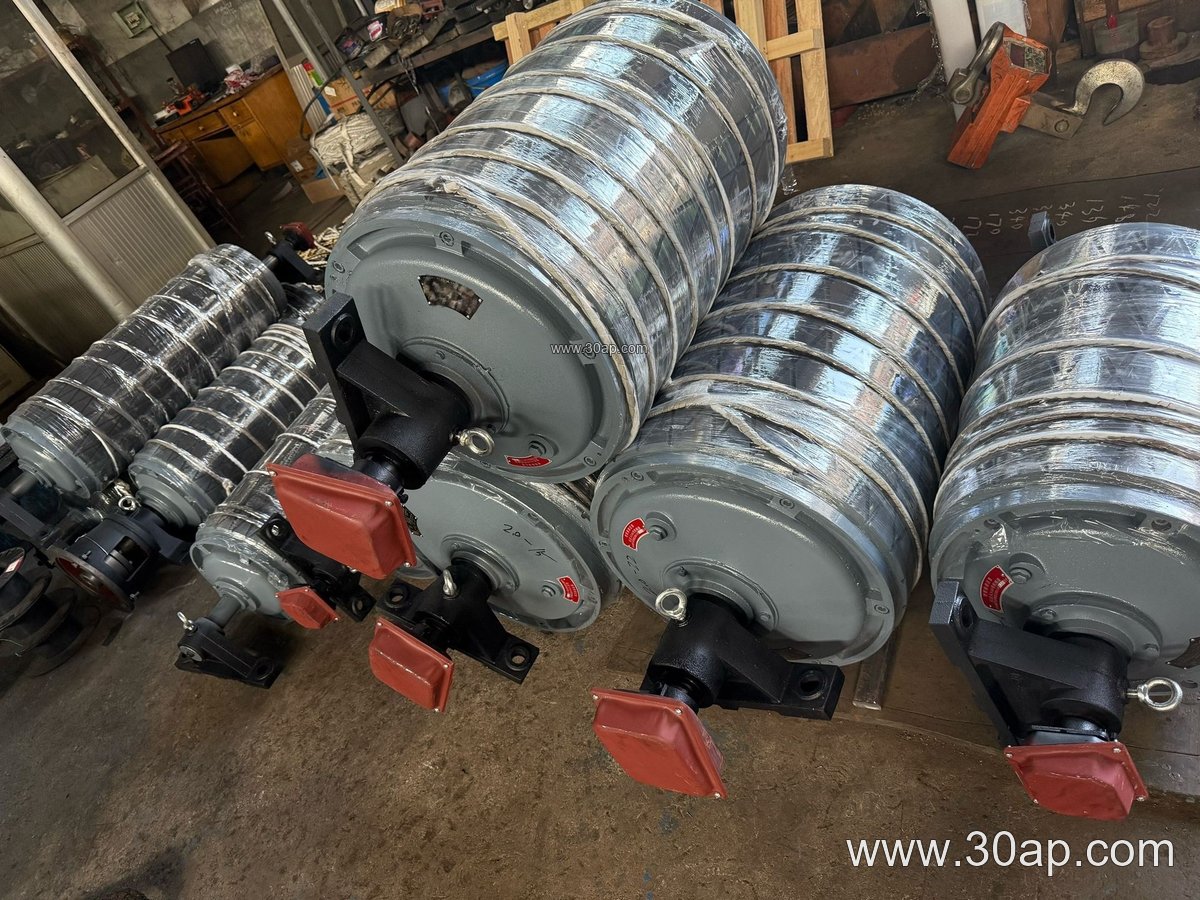
- Common diameters: Ø250, Ø315, Ø400, Ø500, Ø630, Ø800
- Common belt widths: B500, B650, B800, B1000, B1200, B1400
- Lagging options: plain, rubber, diamond, ceramic
Where It Fits in Different Industries
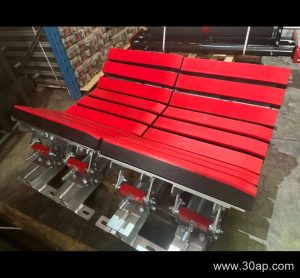
In a cement plant, the tail pulley on a clinker conveyor may need abrasion-resistant lagging to handle hot, gritty material. In a sand and gravel line, a self-cleaning diamond surface can reduce material buildup. At a power station coal yard, proper bearing sealing and a sturdy shaft are often more important than a special surface. The pulley also works alongside conveyor idlers and conveyor brackets that support the belt along the carry and return sides, so alignment between the tail pulley and the first idler set is worth checking during installation.
Specification Examples and What They Mean
When specifying a tail pulley, buyers often refer to a size combination such as B1200 × Ø1000 or B1400 × Ø800. These are reference examples, not fixed rules. The diameter affects the belt’s bend radius and the pulley’s ability to shed material; a larger diameter generally reduces belt stress but takes more space. The table below gives common reference values for face width relative to belt width, but final dimensions should come from the conveyor designer.
| Belt width | Typical pulley face width | Example diameter range |
|---|---|---|
| B500 | About 600 mm | Ø250–Ø400 |
| B800 | About 950 mm | Ø315–Ø500 |
| B1000 | About 1150 mm | Ø400–Ø630 |
| B1200 | About 1400 mm | Ø500–Ø800 |
| B1400 | About 1600 mm | Ø630–Ø1000 |
Do not assume that one belt width can only match one pulley diameter. A B1000 conveyor might use a Ø500 tail pulley in a compact transfer or a Ø800 unit where belt training and material clearance demand a larger roll. Shaft sizes such as Ø80, Ø100, Ø120, or Ø140 are selected from torque calculations, not from a lookup chart based on belt width.
Buyer Checklist
Before ordering a tail pulley, confirm the belt width, the required face width, the shaft diameter and bearing type, and the lagging surface that suits the material. Check whether the pulley will be used in a tensioning position or as a simple return bend, because that affects the bearing load. In a tunnel mucking operation or a fertilizer granulation line, dust and moisture levels may call for extra sealing. Ask for the pulley’s balance grade and runout if the conveyor runs at higher speed. Finally, verify that the tail pulley will align with the conveyor idlers and brackets so the belt does not mistrack from the start.