What a Galvanized Conveyor Bracket Does on a Belt System
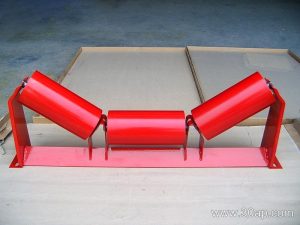
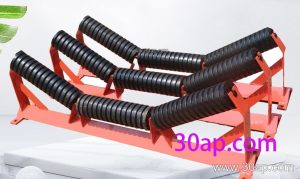
A galvanized conveyor bracket is the support frame that holds idler rollers in position along a belt conveyor. It is usually made from angle steel, channel steel, or folded steel plate, then hot-dip galvanized so the frame resists moisture, dust, and corrosive runoff in outdoor or wash-down areas. In a quarry, a coal preparation plant, or a cement plant, these brackets keep the conveyor belt at the correct profile while carrying material from one transfer point to the next.
The bracket itself does not move. Its job is to hold the idler roller at the right height, angle, and spacing so the belt runs smoothly. Because the bracket links the conveyor belt, the idler roller, and the conveyor pulley into one working line, small alignment errors at the bracket can show up as belt wander, edge wear, or spillage further along the system.
Build Details and Surface Protection
Most galvanized conveyor brackets are fabricated from steel sections and then galvanized after cutting, drilling, and welding. This order matters: drilling before coating leaves clean holes for mounting bolts, and the zinc layer covers the finished frame rather than being burned away by later welding. Common construction details include:
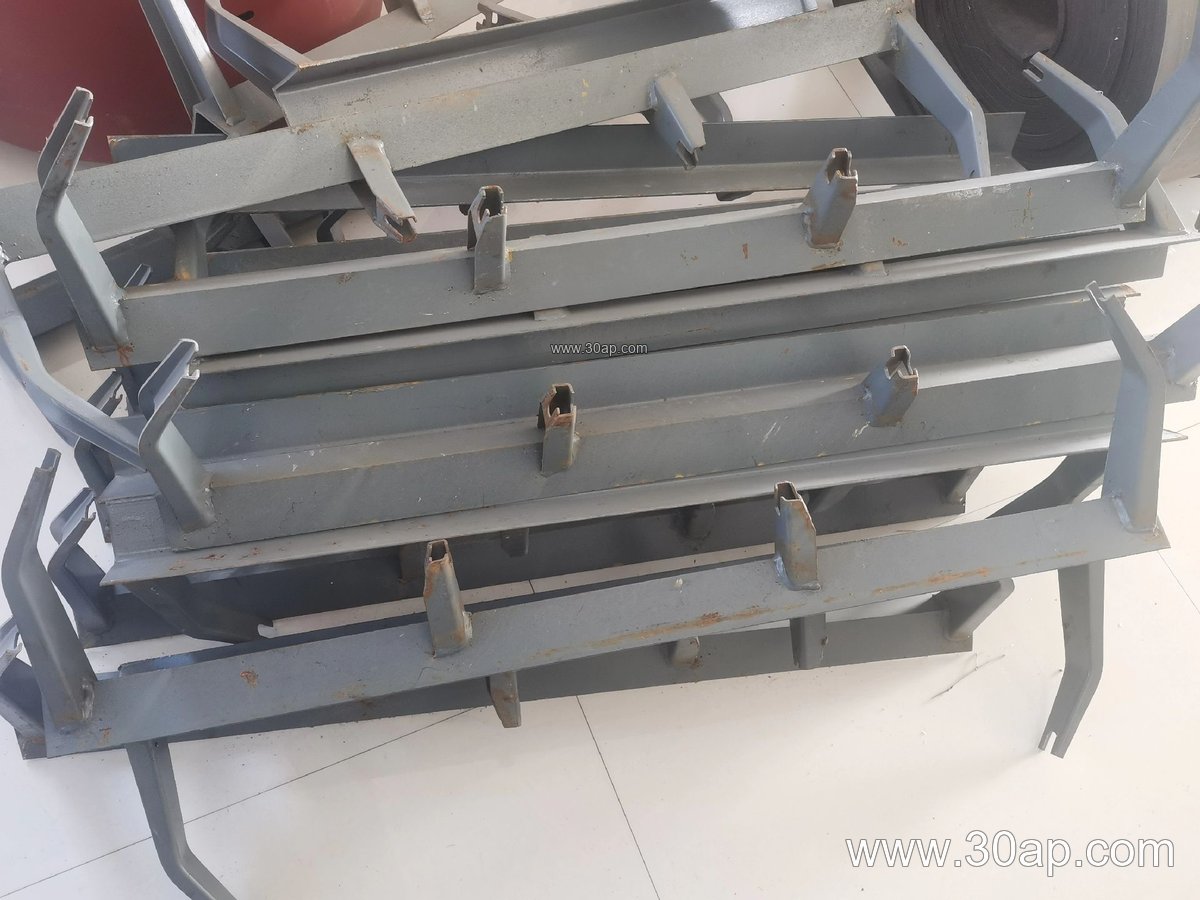
- Angle or channel main frame with folded end plates
- Slotted or drilled mounting holes for height and angle adjustment
- Reinforced joints at the roller seat
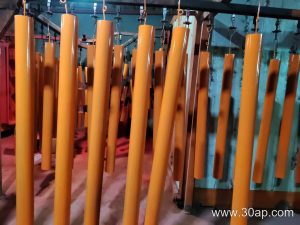
- Hot-dip galvanized finish for outdoor and humid service
For dusty locations such as a crushing and screening line, the galvanized surface is easier to clean and less likely to rust at bolt holes and edges. Buyers should confirm the coating method and check that drainage paths are not blocked by weld spatter or sharp corners.
Common Types and Where They Sit
The bracket family covers several positions along the conveyor. Trough brackets support the carrying side and set the trough angle. Transition brackets sit near the head or tail and guide the belt from flat to troughed. Return brackets support the empty side, while V-return and plain return frames handle different belt widths and load conditions. Buffer brackets are used at loading points where impact is high, and self-aligning or forward-tilt brackets help correct belt tracking.
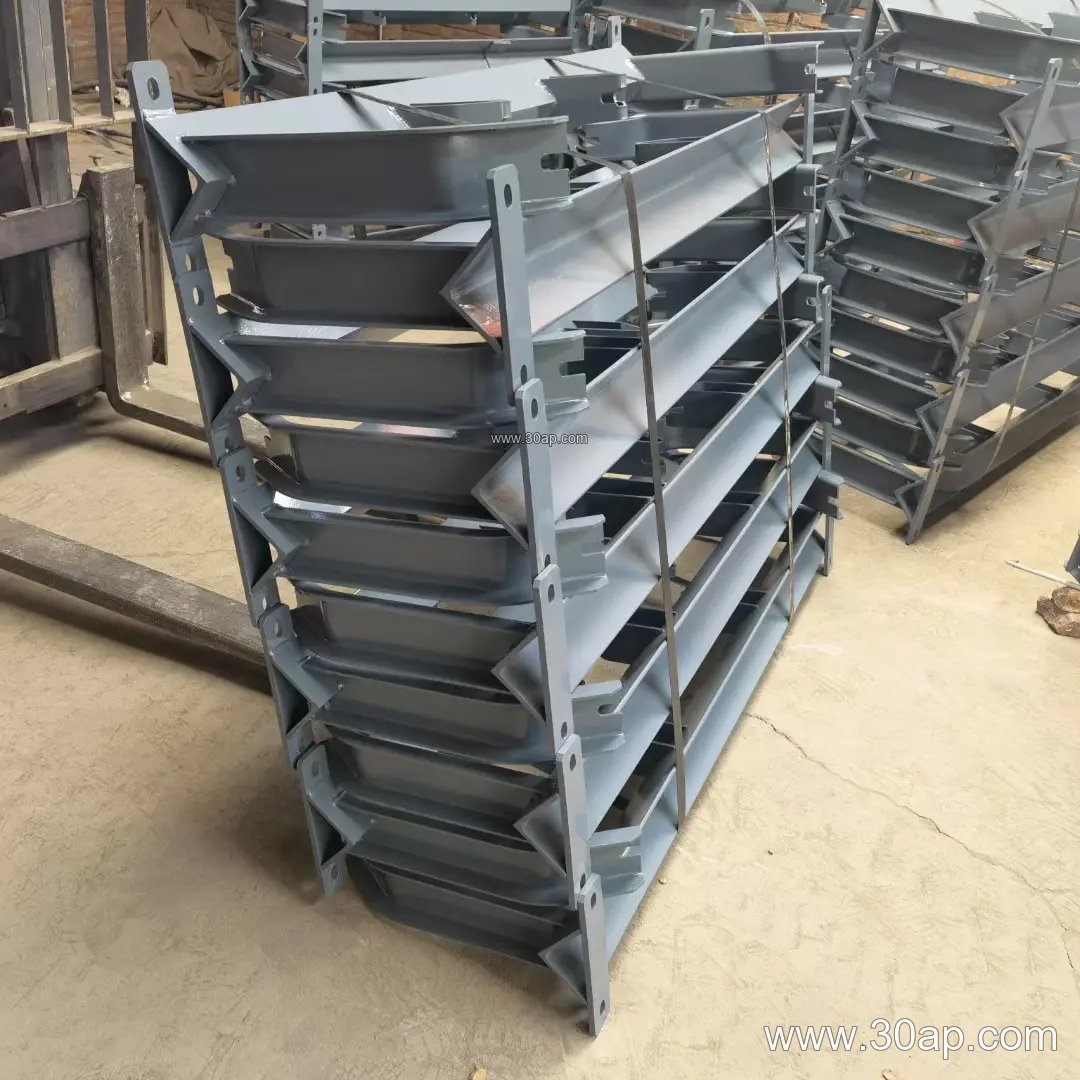
The table below lists typical reference values only. Actual dimensions depend on belt width, trough angle, roller diameter, and the conveyor design.
| Reference item | Common range | Notes |
|---|---|---|
| Belt width (B) | B500 to B2200 | B800, B1000, B1200, B1400 are common in bulk handling |
| Trough angle | 20°, 30°, 35°, 45° | Adjustable brackets can be set within this range |
| Roller diameter | Ø89, Ø108, Ø133, Ø159, Ø194 | Matched to belt load and speed by design |
| Forward tilt | about 1.5° to 2° | Used on some tracking brackets |
| Mounting hole spacing | Varies | Set by belt width and trough angle |
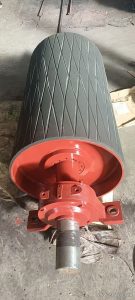
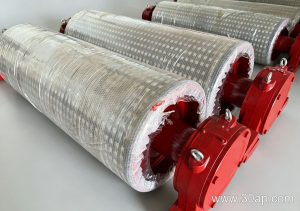
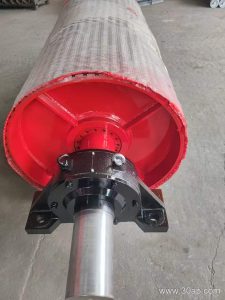
A bracket designed for a drive pulley, tail pulley, or bend pulley is a different item and is not interchangeable with an idler bracket. The pulley frames carry shaft loads, while the bracket described here carries roller loads. Mixing the two in a specification can lead to undersized supports.
Selection Points for Buyers
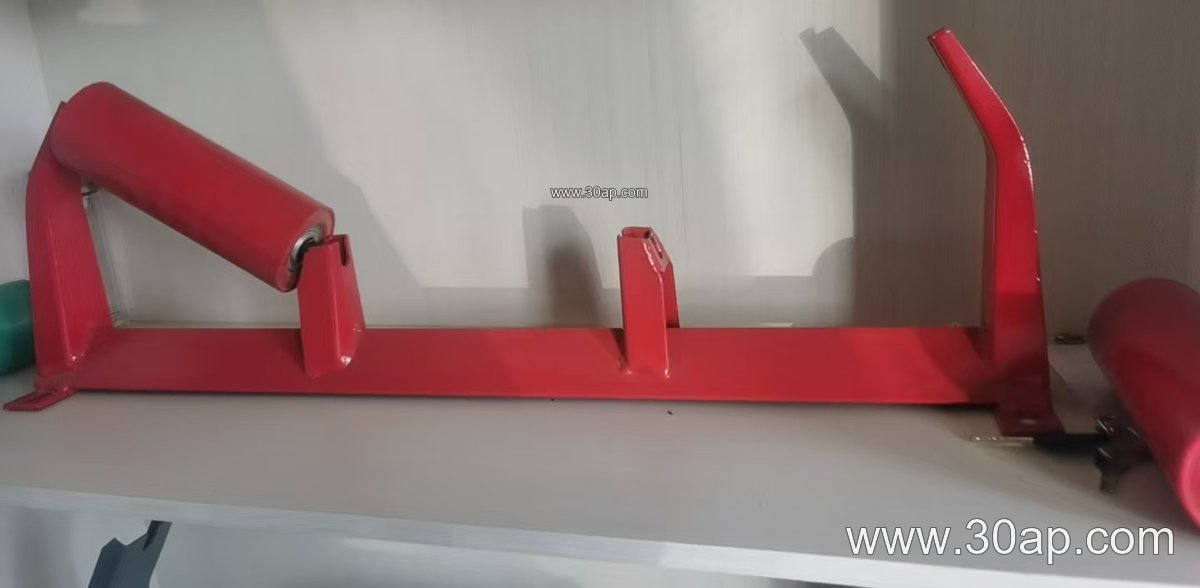
Start with the belt width and the required trough angle, then confirm the roller diameter and the mounting hole spacing. A B650 belt at 30° with Ø89 rollers is a different bracket from a B1200 line at 45° with Ø133 rollers, even when both look similar in a photo. Ask for a dimension drawing that shows the roller seat height, the hole pattern, and the frame length.
For a coal mine or a power plant coal yard, check whether the bracket needs extra clearance for dust buildup. For a fertilizer or grain silo application, confirm that the galvanized coating and any bolts are suitable for the local humidity. In a tunnel muck line, buffer brackets at the loading zone are often more useful than standard trough frames, because impact protection matters more than fine tracking.
Installation and Maintenance Notes
Install brackets square to the conveyor centerline and keep the roller seats at a consistent height. Tighten bolts to the level given by the conveyor designer, then recheck after the first few days of running. Watch for belt edge contact and material spillage, since these often point to a bracket that is out of line rather than a worn roller.
During routine checks, look for loose bolts, bent frames, and coating damage at the base. A galvanized conveyor bracket needs little attention, but a damaged zinc layer should be touched up to limit rust. Keeping the bracket clean and aligned helps the conveyor belt, idler roller, and conveyor pulley work as a system rather than as separate parts.