What Conveyor Bracket Fabrication Involves
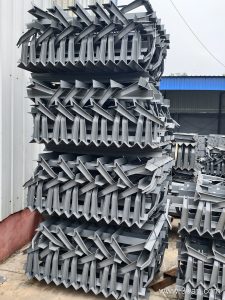
Conveyor bracket fabrication is the process of cutting, bending, welding, and finishing steel into the structural supports that hold idler rollers and shape the conveyor belt. These brackets, often called idler frames or idler support brackets, are the interface between the conveyor structure and the rotating components. In a quarry, a cement plant, or a coal handling system, the quality of this fabrication directly affects belt tracking, roller life, and maintenance downtime.
Materials and Construction Methods
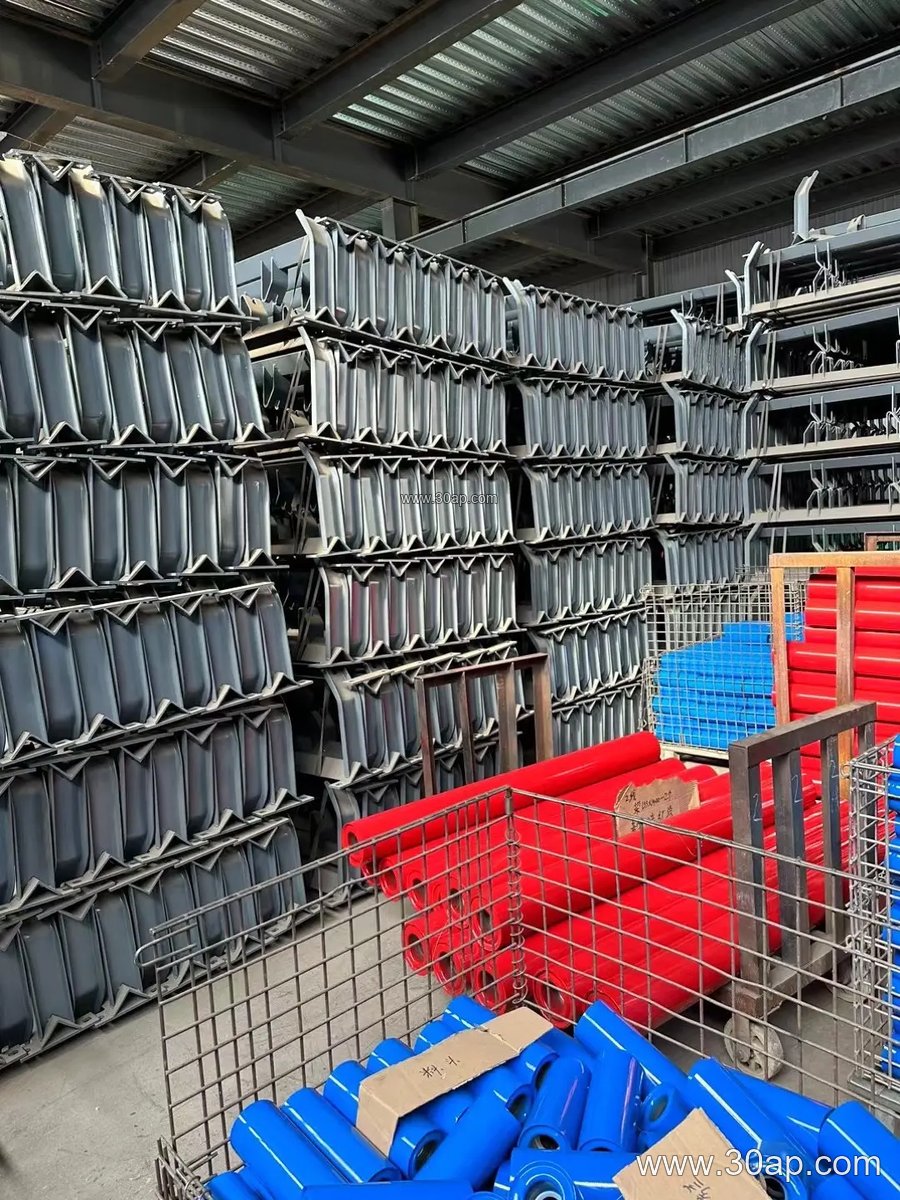
Fabricators typically work with angle steel, channel steel, or folded steel plate. The choice depends on load and environment. For example, a heavy-duty application in an iron ore mine may call for channel steel frames with reinforced gussets, while a lighter sand and gravel line might use folded plate for cost efficiency. Welding quality is critical: poor penetration can lead to cracking under vibration. After welding, brackets are often shot-blasted and painted or galvanized to resist corrosion in wet washing plants or port environments.
Common Bracket Types and Their Roles
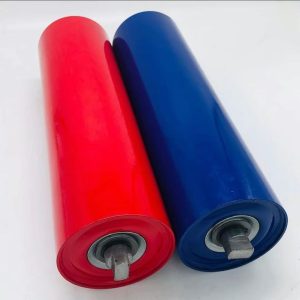
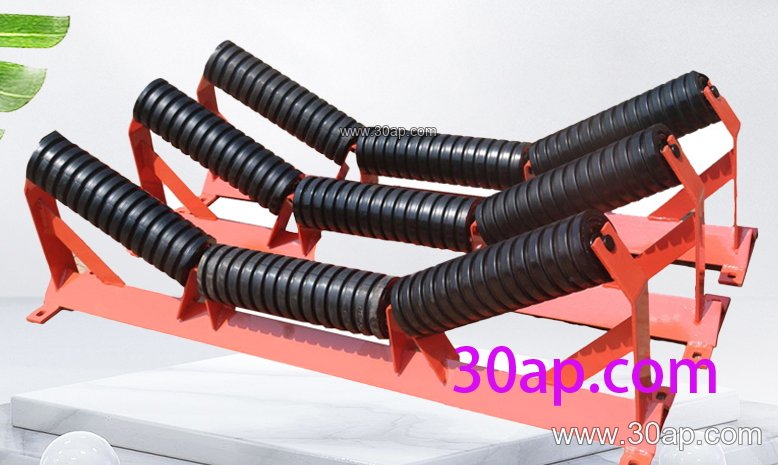
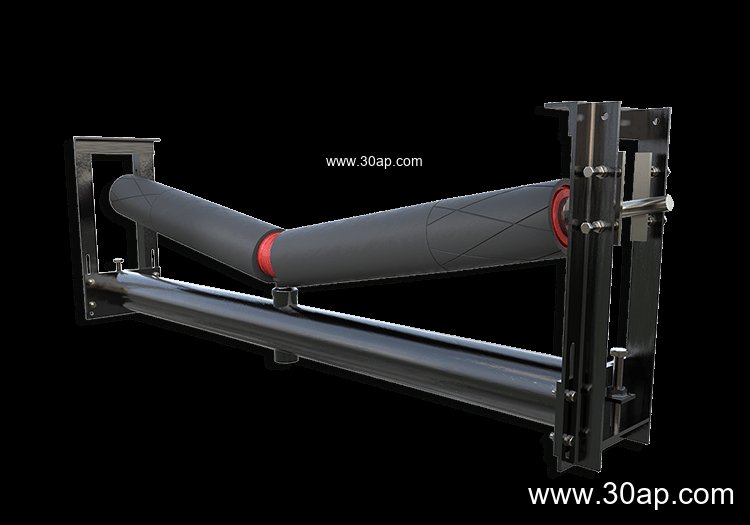
Different positions along the conveyor require different bracket designs. Troughing brackets support the carrying side and set the trough angle. Return brackets hold the belt on the return run. Impact brackets, fitted with缓冲 (buffer) rollers, absorb shock at load points. Self-aligning brackets help correct belt misalignment. Adjustable brackets allow the trough angle to be changed on site. A fabrication shop must understand these distinctions because a return bracket is not a substitute for a troughing bracket, and a bend pulley bracket serves a different purpose entirely.
Key Parameters in Fabrication
When ordering or fabricating brackets, several parameters define the design. The table below lists common reference values, but actual dimensions depend on the conveyor design and should be confirmed by engineering drawings.
| Parameter | Common Reference Values |
|---|---|
| Belt width (B) | B500, B650, B800, B1000, B1200, B1400, B1600, B1800, B2000, B2200 |
| Trough angle | 20°, 30°, 35°, 45° (adjustable brackets can be set within this range) |
| Idler diameter (Ø) | Ø89, Ø108, Ø133, Ø159, Ø194 |
| Forward tilt (for training) | Typically 1.5° to 2° |
Note that belt width does not dictate a single trough angle or roller diameter. A B800 conveyor might use 30° or 35° troughing brackets with Ø108 or Ø133 rollers, depending on capacity and material characteristics. Installation hole spacing and beam length vary with belt width and trough angle and are specified per design.
Applications Across Industries
Fabricated brackets are found wherever bulk materials move on belts. In a limestone mine, troughing brackets with 35° angle and Ø133 rollers support the main haulage belt. In a power plant coal yard, impact brackets protect the belt at transfer points. In a fertilizer plant, stainless or coated brackets resist chemical attack. The same fabrication principles apply, but material selection and surface treatment change with the environment.
What Buyers Should Know
Buyers should provide clear drawings or specifications: belt width, trough angle, roller diameter, mounting dimensions, and load requirements. Ask about material grade and welding standards. For adjustable brackets, confirm the adjustment range and locking mechanism. Check that the fabrication shop can produce consistent hole patterns for easy roller replacement. Finally, consider the total cost of ownership: a well-fabricated bracket that keeps the belt centered and the idlers running true will save money on roller replacement and downtime. Avoid specifying a bracket size based solely on belt width; always verify with the conveyor designer.