What an Idler Bracket Does
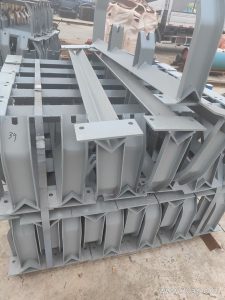
An idler bracket, also called a conveyor idler support bracket, is the structural component that holds conveyor idler rollers in the correct position under the conveyor belt. It sets the trough angle, keeps roller spacing consistent, and transfers the load from the belt and material into the conveyor frame. In a quarry, a cement plant, or a coal handling system, the bracket is a small but critical link between the belt, the idler roller, and the conveyor bracket assembly.
The bracket does not carry the belt directly. It positions the idlers so they support the belt profile and allow smooth movement of bulk material. A poorly matched idler bracket can cause belt misalignment, premature roller wear, and spillage.
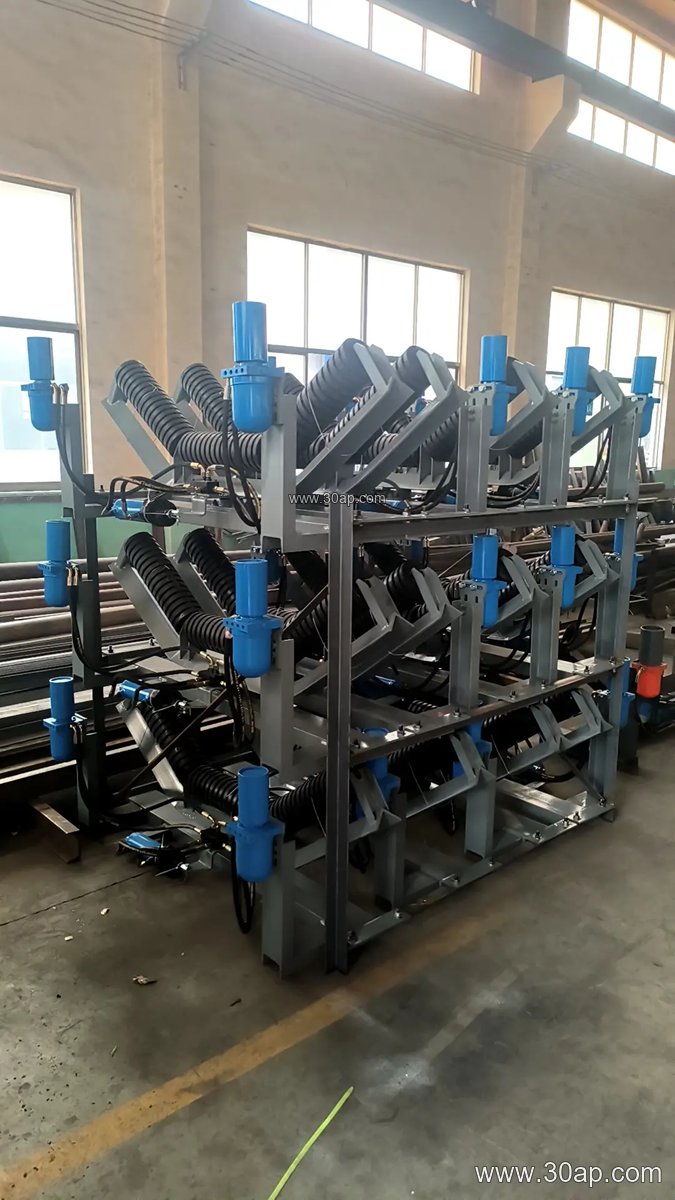
Construction and Common Forms
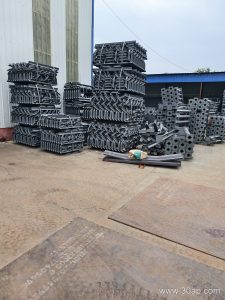
Most idler brackets are fabricated from angle steel, channel steel, or bent steel plate. The frame is drilled or slotted to accept idler shafts, and the mounting holes are positioned to suit the belt width and trough angle. Common bracket types include trough brackets for the carrying side, return brackets for the empty side, transition brackets near pulleys, and self-aligning brackets for belt tracking.
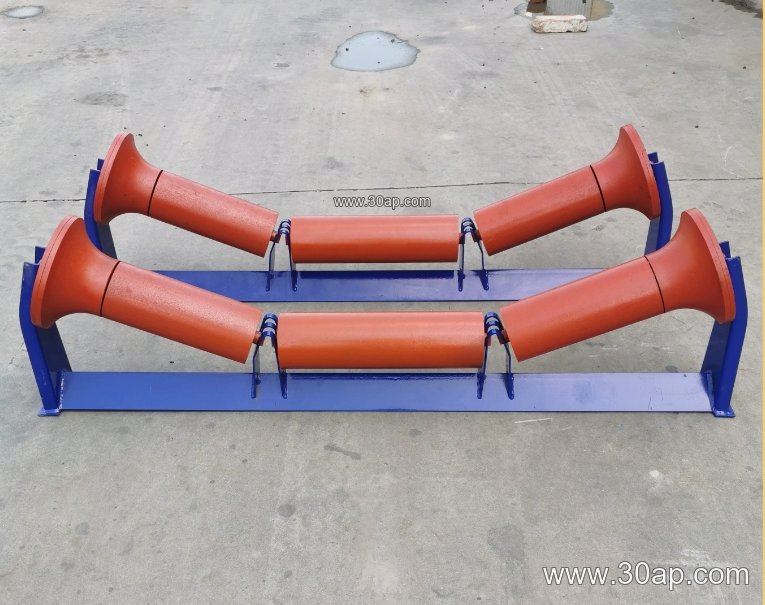
Trough angle is a key variable. Common trough angles are 20, 30, 35, and 45 degrees. Adjustable brackets allow the same frame to be set at different angles during installation. Forward-leaning brackets, often around 1.5 to 2 degrees, are used to help center the belt. The bracket type should match the conveyor duty, not simply the belt width.
Matching Belt Width, Roller Diameter, and Bracket
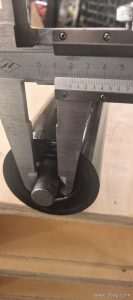
Belt width and idler roller diameter are selected together with the bracket. Typical belt widths include B500, B650, B800, B1000, B1200, B1400, B1600, B1800, B2000, B2200. Common roller diameters are Ø89, Ø108, Ø133, Ø159, and Ø194. These values are reference ranges, not fixed combinations. A B800 belt may use a 35-degree trough bracket with Ø108 rollers, while a B1200 conveyor might use a 45-degree bracket with Ø133 rollers. Installation hole spacing and crossbeam length vary with belt width and trough angle, so they are determined by design rather than by a single standard number.
Where Idler Brackets Are Used
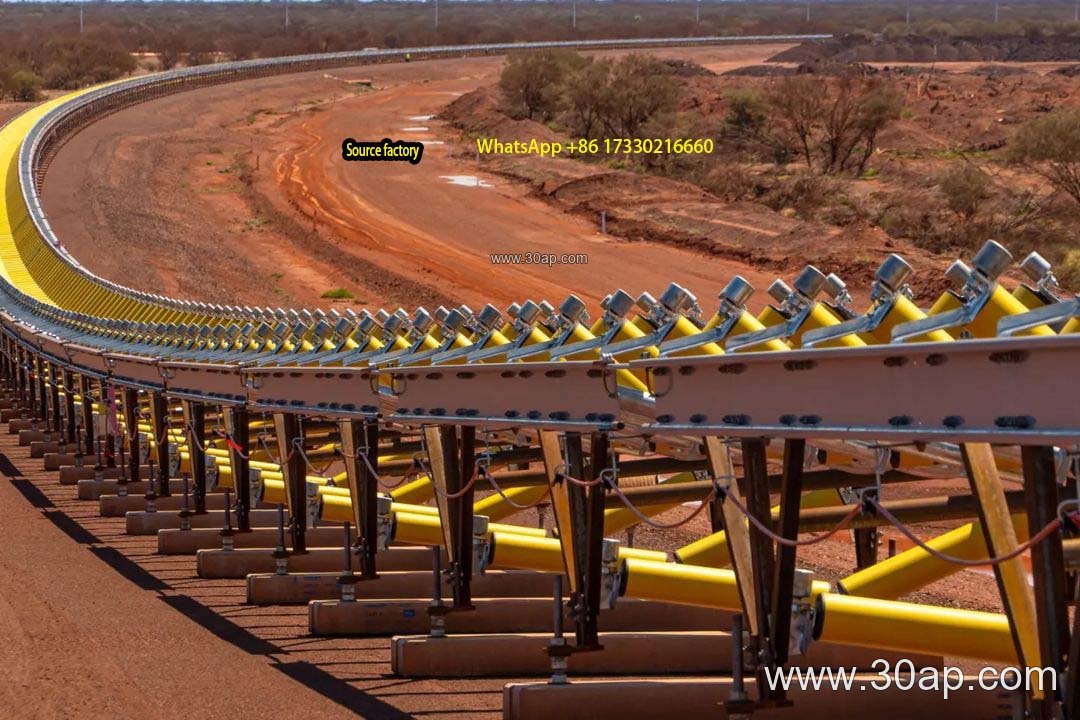
Idler brackets appear wherever a conveyor belt is supported by idlers. In a sand and gravel line, trough brackets keep the belt in a deep trough to contain material. In a coal preparation plant, return brackets support the belt on the return run. In a cement plant or power plant coal yard, transition brackets help the belt change from a flat pulley profile to a troughed profile without stressing the belt edges. The same bracket family is used in crushing and screening circuits, steel sintering lines, and tunnel muck removal.
Buyer Checklist
- Confirm the bracket type: trough, return, transition, self-aligning, or adjustable.
- Match the bracket to the belt width and the selected idler roller diameter.
- Check the trough angle required by the material and belt speed.
- Verify mounting hole spacing and crossbeam length against the conveyor frame drawing.
- Confirm material and finish suit the environment, such as dust or moisture.
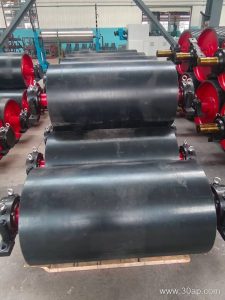
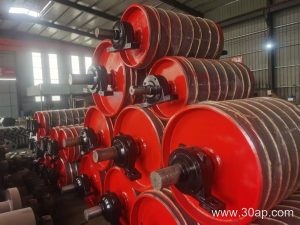
- Ensure the bracket works with the chosen conveyor pulley and belt tracking arrangement.
An idler bracket is a simple part, but it controls how the belt and idler roller work together. Selecting the right type and size for the conveyor frame is more important than choosing the heaviest bracket available.