What a Fire Resistant Conveyor Belt Is
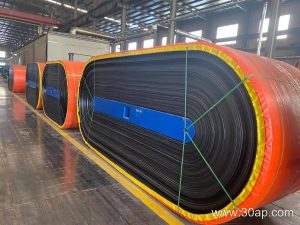
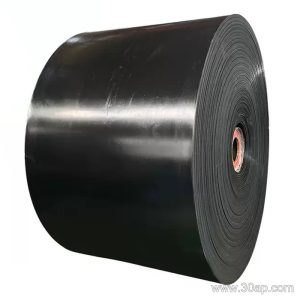
A fire resistant conveyor belt is a rubber conveyor belt designed to limit flame spread and resist ignition in environments where sparks, hot material, or combustible dust are present. The accurate equivalent name is flame retardant conveyor belt, and both terms describe the same product. It is not simply a standard conveyor belt painted or coated differently; the flame-retardant behavior comes from the compound and the construction working together.
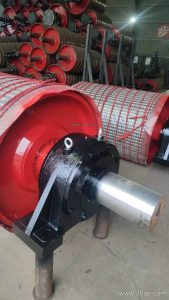
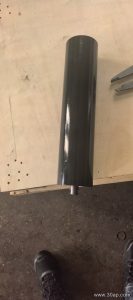
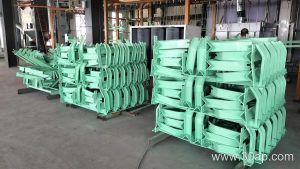
These belts are common in coal handling, mine transport, cement plants, power station coal yards, and sand and gravel operations where the belt runs near motors, transfer points, or dusty enclosures. The belt itself remains a moving load-bearing surface, working with idler rollers, conveyor pulleys, and conveyor brackets to form the complete conveyor line.
Construction and Material Options
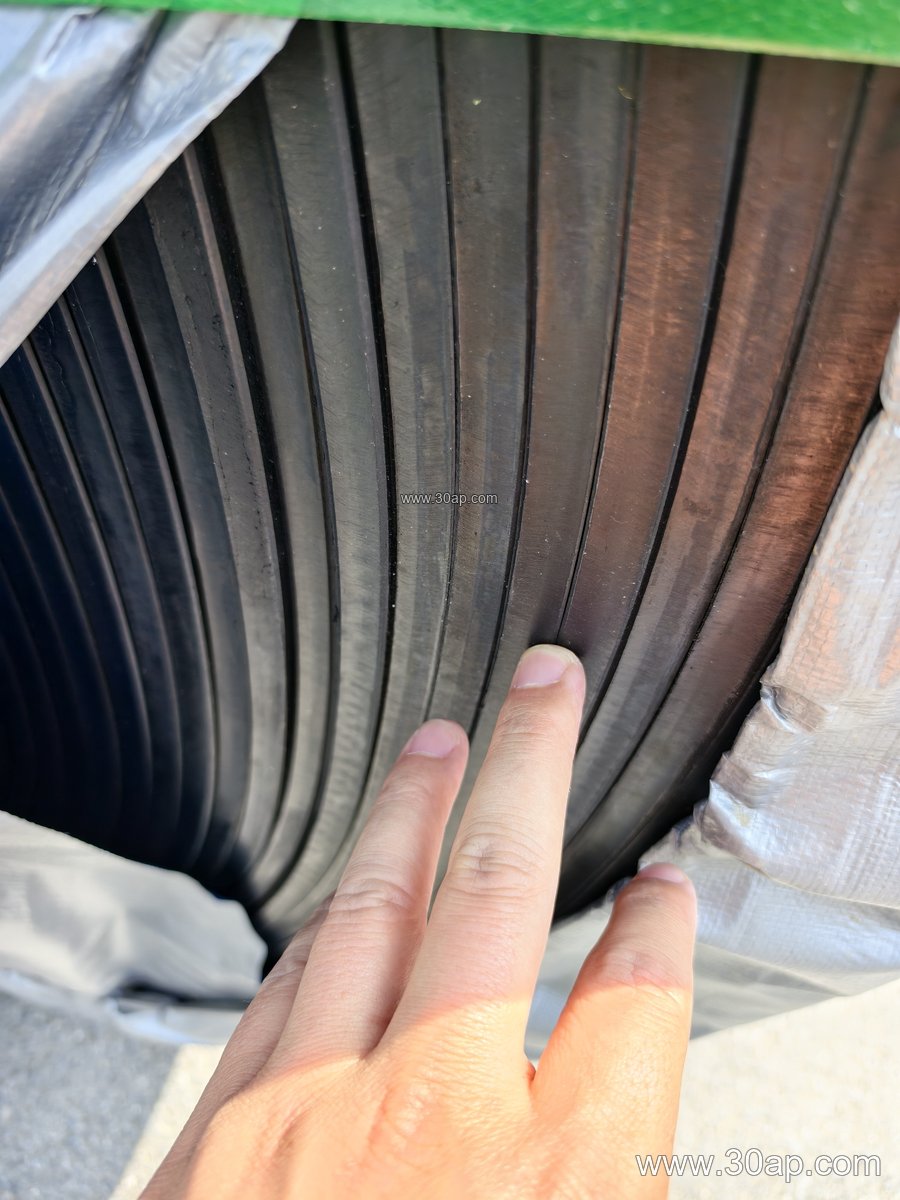
The carcass carries the tension, while the cover rubber protects the belt and contributes to fire resistance. Common carcass types include EP conveyor belt fabric, NN nylon fabric, and steel cord construction for heavier duty. PVC and PVG belts are also used where a solid-woven or blended construction suits the application.
Cover compounds are usually formulated for flame resistance and antistatic behavior, and buyers often request combined properties such as fire resistant plus wear resistant, oil resistant, or cold resistant. A fire resistant belt may also be supplied with patterned surfaces, including herringbone or chevron profiles, when slip control on an incline matters.
Typical Reference Data
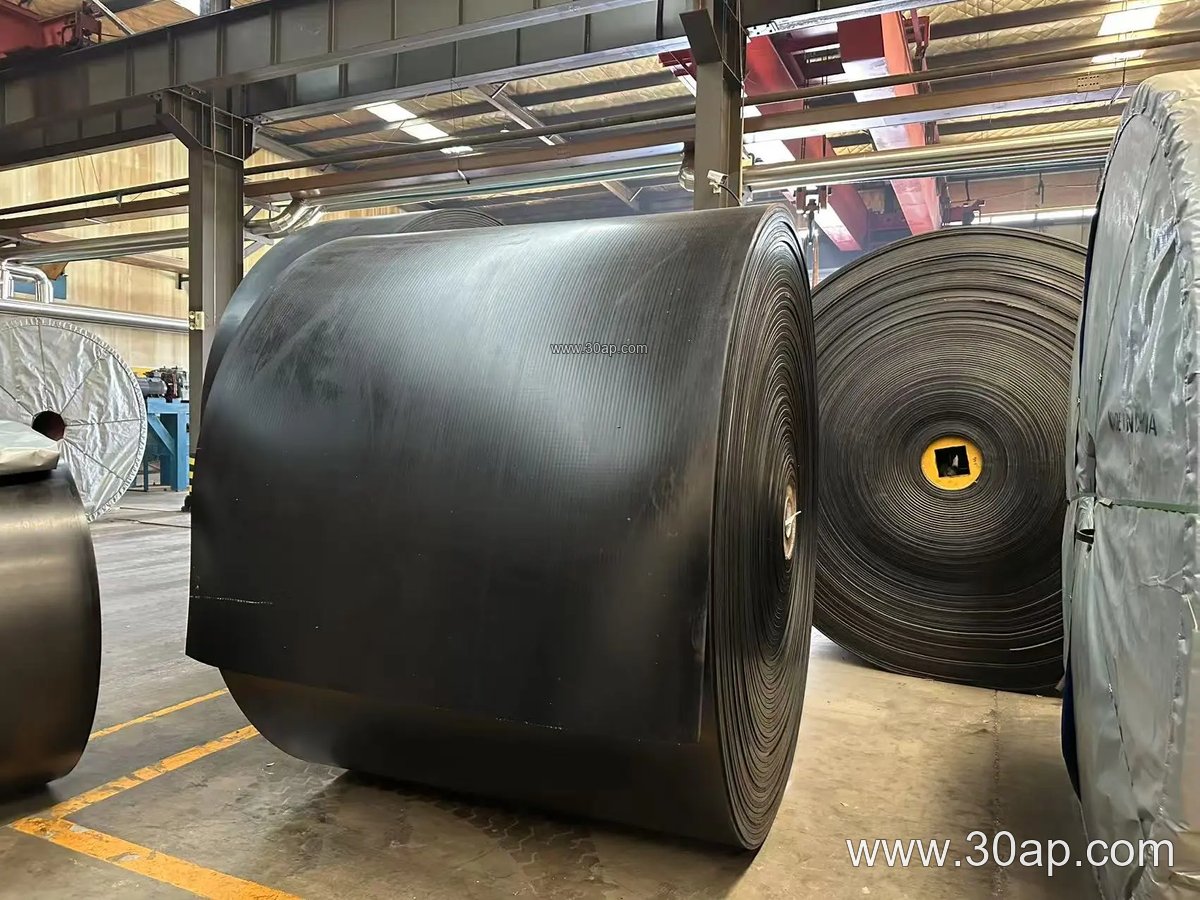
The values below are common reference ranges, not fixed specifications. Final construction is confirmed by design and by the manufacturer.
| Parameter | Common reference values |
|---|---|
| Fabric carcass strength | EP200, EP315, EP400, EP500, EP630, EP800, EP1000, EP1250, EP1600, EP2000 |
| Belt width | B500, B650, B800, B1000, B1200, B1400, B1600, B1800, B2000 |
| Cover thickness | 3+1.5 mm, 4+2 mm, 5+2 mm, 6+2 mm, 8+3 mm |
| Fabric plies | Usually 2 to 6 layers |
| Carcass types | EP, NN nylon, steel cord, PVC, PVG |
Belt width is matched to the conveyor design and the load, not to a single pulley size. A B800 belt, for example, may run on different conveyor pulley diameters depending on the duty and the pulley position.
Where Fire Resistance Matters Most
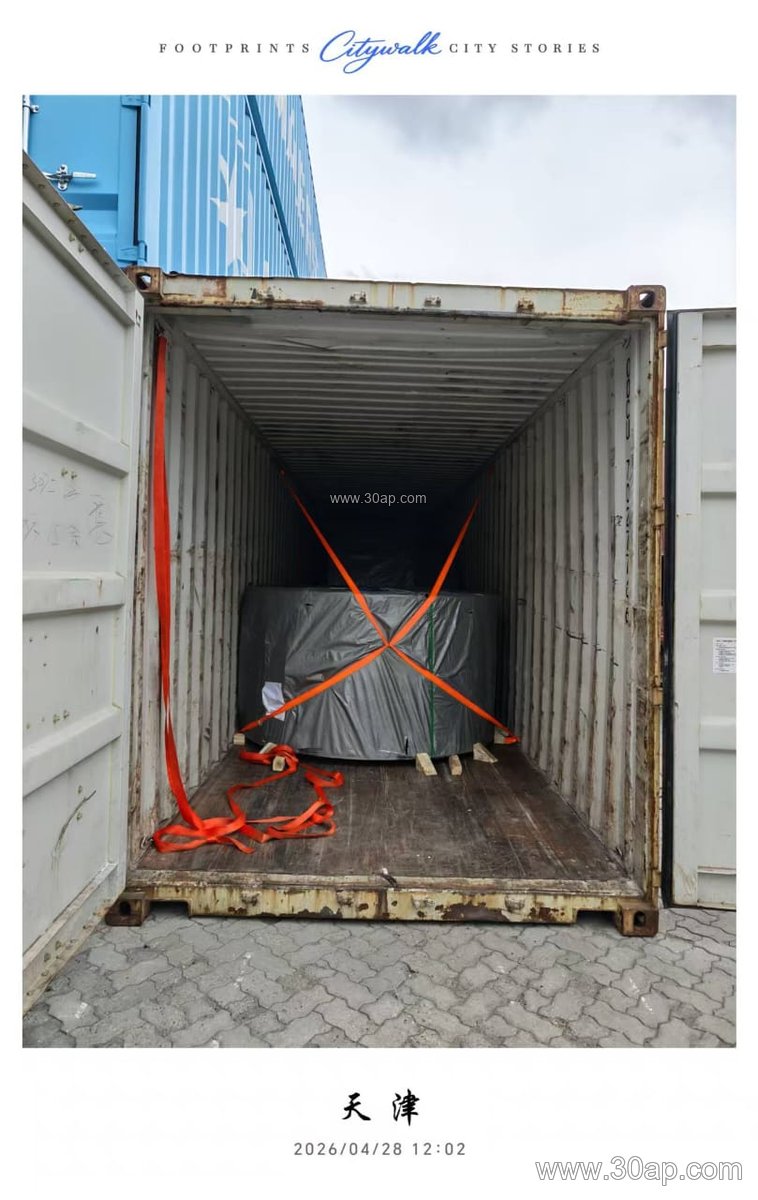
Coal preparation plants and underground mine haulage are classic users, because fine coal dust and methane risk make flame spread a serious concern. In power plants, coal yard belts feed crushers and boilers, and a flame retardant belt reduces the chance that a hot spot becomes a longer fire. Cement plants use these belts near kiln areas and in dusty clinker handling, while sand and gravel yards may specify them where welding, hot work, or engine exhaust is nearby.
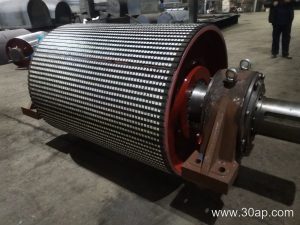
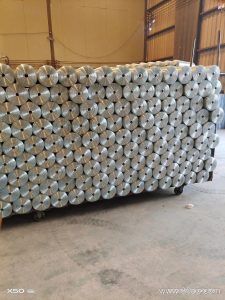
In all these settings, the belt works alongside idler rollers that support the load, a drive pulley that transmits motion, a tail pulley at the loading end, and bend pulleys that route the belt through the structure. Fire resistance in the belt does not remove the need for good housekeeping, dust control, and proper maintenance of rollers and pulleys.
Selection Points for Buyers
- Confirm the actual hazard: coal dust, hot material, static electricity, or a combination. Ask for the relevant flame and antistatic properties rather than assuming any fire resistant belt fits every risk.
- Match carcass strength and ply count to the duty. A light EP200 belt and a heavy EP1000 or steel cord belt serve very different loads.
- Check cover thickness against abrasion and impact. A 4+2 mm cover may suit general service, while 6+2 mm or 8+3 mm is often chosen for coarse, sharp material.
- Review the pulley and roller arrangement with the conveyor designer. The belt must flex correctly around the drive pulley, tail pulley, and bend pulleys.
- Consider the environment: oil, cold, or chemical exposure may call for a combined compound, and inclined sections may need a patterned surface.
Maintenance also affects fire safety. Keep idler rollers turning freely, remove spilled material, and check that the belt does not rub on structure or brackets. A fire resistant conveyor belt is one layer of protection in a well-designed coal, mine, cement, or power plant conveyor system, and it performs best when the whole installation is maintained as a unit.