What a Q235 Conveyor Bracket Actually Does
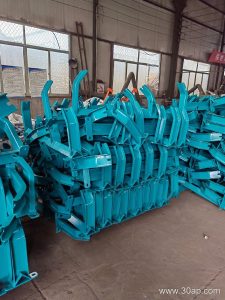
Every conveyor belt needs a sturdy frame to hold its idlers in the right position. The Q235 conveyor bracket is that frame component, typically fabricated from Q235 carbon steel and mounted along the conveyor’s length to support both carrying and return idlers. In a quarry, a coal washing plant, or a cement kiln line, these brackets keep the belt profile stable so material moves without spillage or excessive wear. While the belt and pulleys get most of the attention, the humble bracket quietly determines how well the whole system tracks.
How It Is Built and Where It Fits
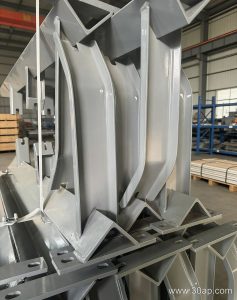
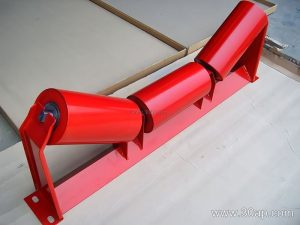
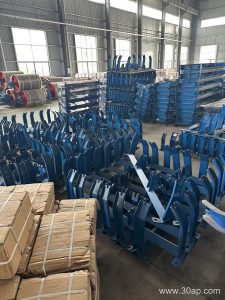
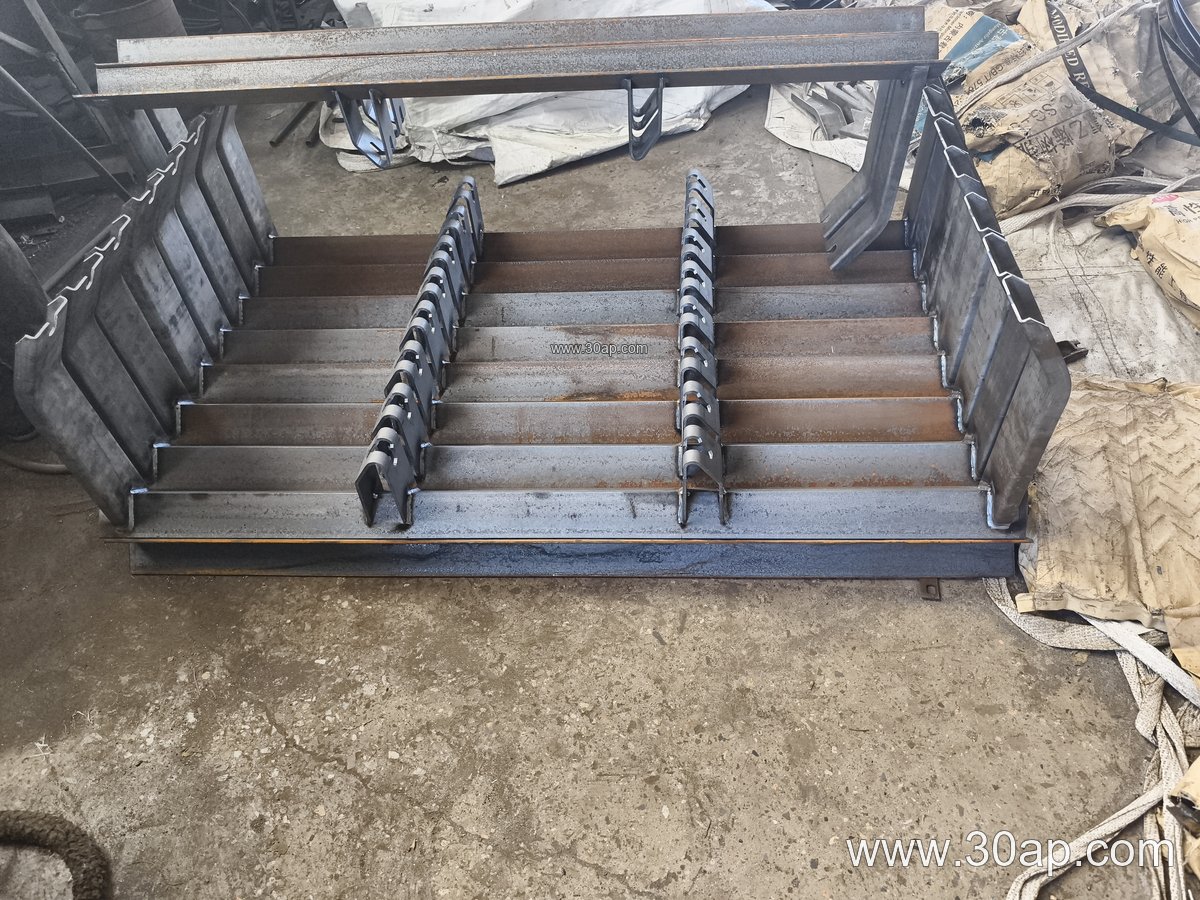
Most Q235 conveyor brackets are made from angle steel, channel steel, or bent steel plate. The material is chosen for its balance of strength, weldability, and cost. A bracket usually consists of a crossbeam and one or more mounting arms that hold the idler roller at a specific trough angle. Fixed brackets lock the idler at a single angle, while adjustable brackets allow the operator to change the trough angle to suit different loads or belt conditions. Typical trough angles include 20, 30, 35, and 45 degrees.
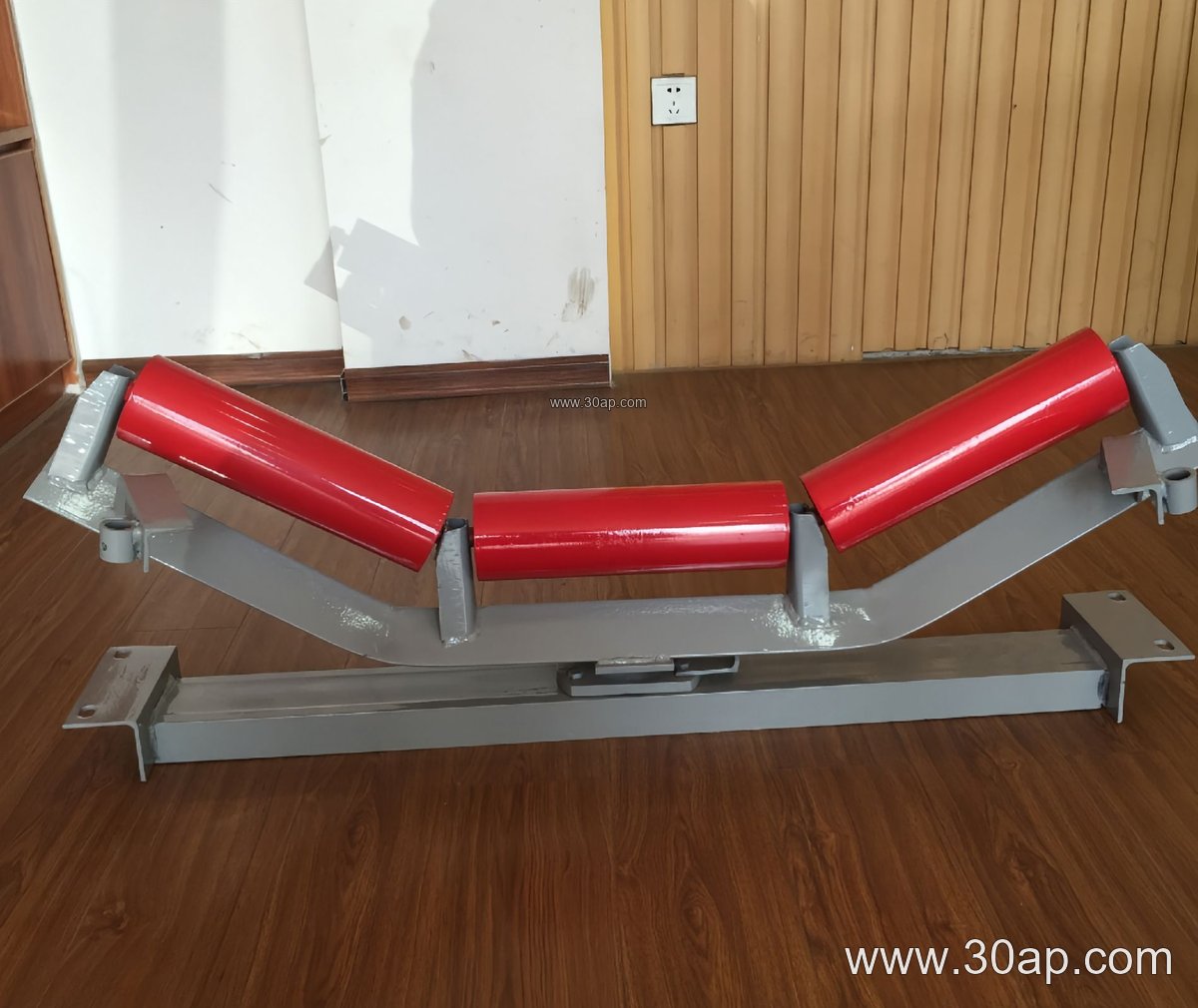
The bracket sits between the conveyor stringers and the idler roller. Its installation hole spacing and crossbeam length vary with belt width and trough angle, so there is no universal fit. A bracket designed for a B800 belt will not match a B1400 frame without modification. Buyers should always confirm the belt width, idler diameter, and required trough angle before ordering.
Common Types and Their Roles
Several bracket variants appear in bulk material handling. The carrying-side trough bracket is the most visible, but return-side brackets, transition brackets near pulleys, and self-aligning brackets also play critical roles. Below is a quick reference for common configurations:
| Bracket Type | Typical Function | Common Belt Width Range | Common Trough Angle |
|---|---|---|---|
| Trough bracket (fixed) | Supports carrying idlers at a set angle | B500–B2200 | 20°, 30°, 35°, 45° |
| Adjustable trough bracket | Allows angle change on site | B650–B1800 | 20°–45° (adjustable) |
| Return bracket (flat or V-type) | Supports return belt and idlers | B500–B2000 | Not applicable |
| Transition bracket | Guides belt between pulley and trough section | B800–B1600 | Matches adjacent trough |
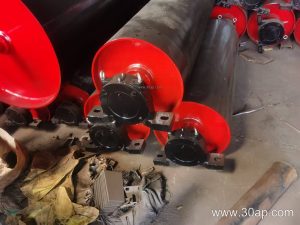
Note that drive pulleys, tail pulleys, and bend pulleys are separate components with their own mounting requirements. A conveyor bracket does not replace a pulley; it supports the idlers that shape the belt between pulleys.
Matching Brackets to Belt Width and Idler Diameter
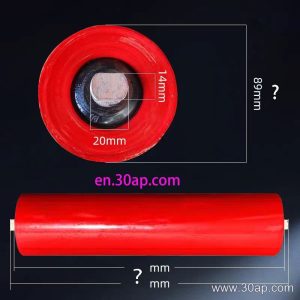
Selecting a Q235 conveyor bracket is not about picking one size for every conveyor. The bracket must match the belt width, the idler roller diameter, and the intended trough angle. Common idler diameters include Ø89, Ø108, Ø133, Ø159, and Ø194. A B650 belt might use Ø89 idlers with a 30-degree trough, while a B1200 belt in a power plant coal handling system might run Ø133 idlers at 35 degrees. These are examples, not fixed rules; the final combination depends on load, belt speed, and material characteristics.
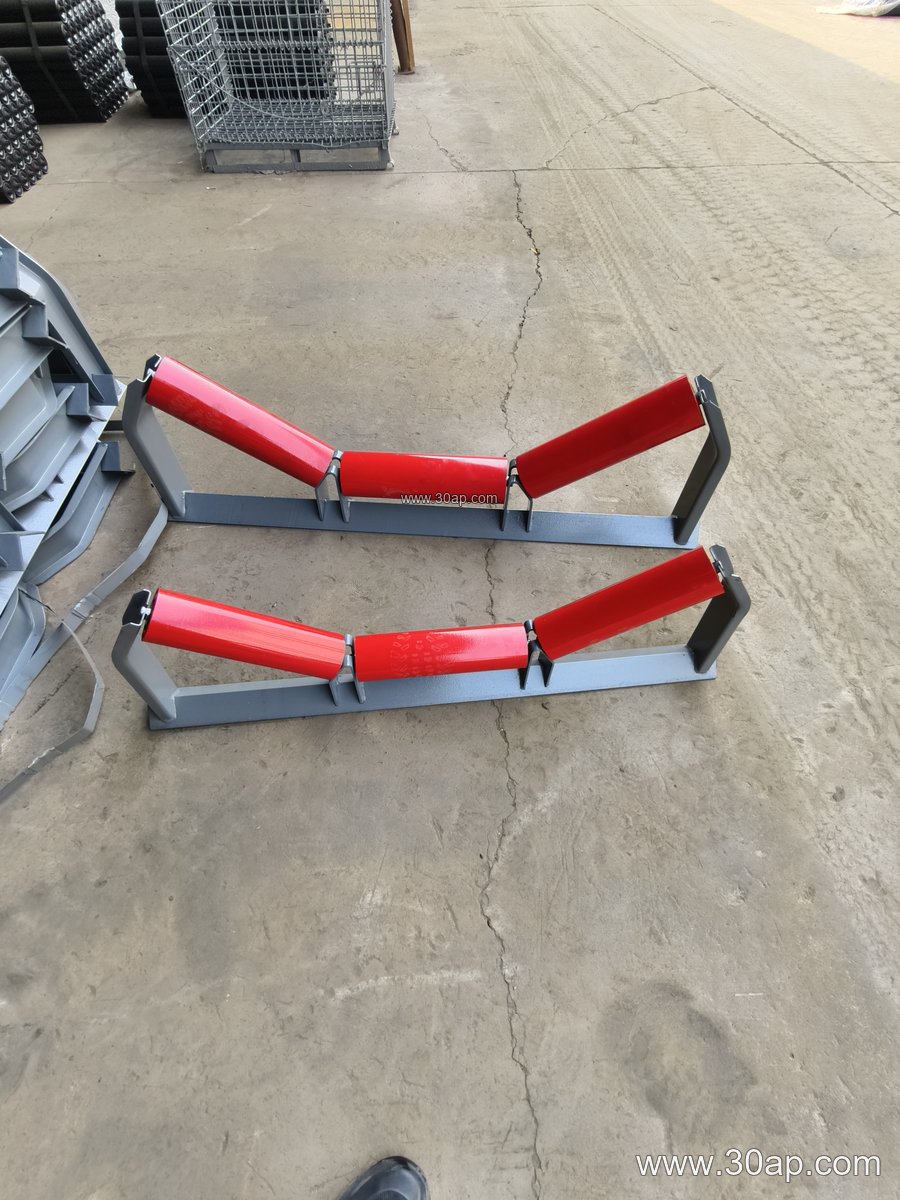
Bracket height and mounting hole patterns also change with idler diameter. A bracket drilled for Ø108 rollers will not accept Ø159 rollers without adapters. Always cross-check the bracket drawing against the idler manufacturer’s mounting dimensions.
Installation and Maintenance Notes
Proper alignment during installation prevents belt mistracking and premature idler wear. Brackets should be shimmed or adjusted so all idlers in a section sit at the same height and angle. For adjustable brackets, lock the setting after confirming the belt runs centered. In dusty environments such as a limestone mine or a fertilizer granulation plant, inspect brackets for corrosion and bolt loosening during routine shutdowns. A wire brush and a coat of paint on Q235 steel go a long way toward extending service life.
What Buyers Should Confirm
- Belt width and required trough angle for the specific conveyor section.
- Idler roller diameter and mounting hole spacing.
- Whether a fixed or adjustable bracket suits the application.
- Material finish and any surface treatment needed for the site environment.
- Compatibility with existing conveyor stringers and nearby pulleys.
The Q235 conveyor bracket is a small but critical part of the belt system. Getting the details right at the specification stage keeps the belt, idlers, and pulleys working together as intended.