What the Impact Idler Bracket Does at a Transfer Point
At a conveyor loading station, falling material hits the belt with force. The impact idler bracket is the structural support that holds the impact idler roller in place under that load. In a quarry, a coal preparation plant, or a cement plant, this bracket keeps the roller aligned so the conveyor belt does not sag or deflect excessively. The bracket is not a wear part in the same way as the roller shell, but it determines how well the roller absorbs shock and how easily the roller can be serviced.
Construction and Materials
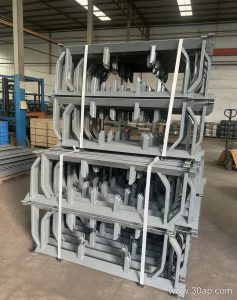
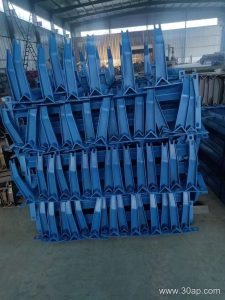
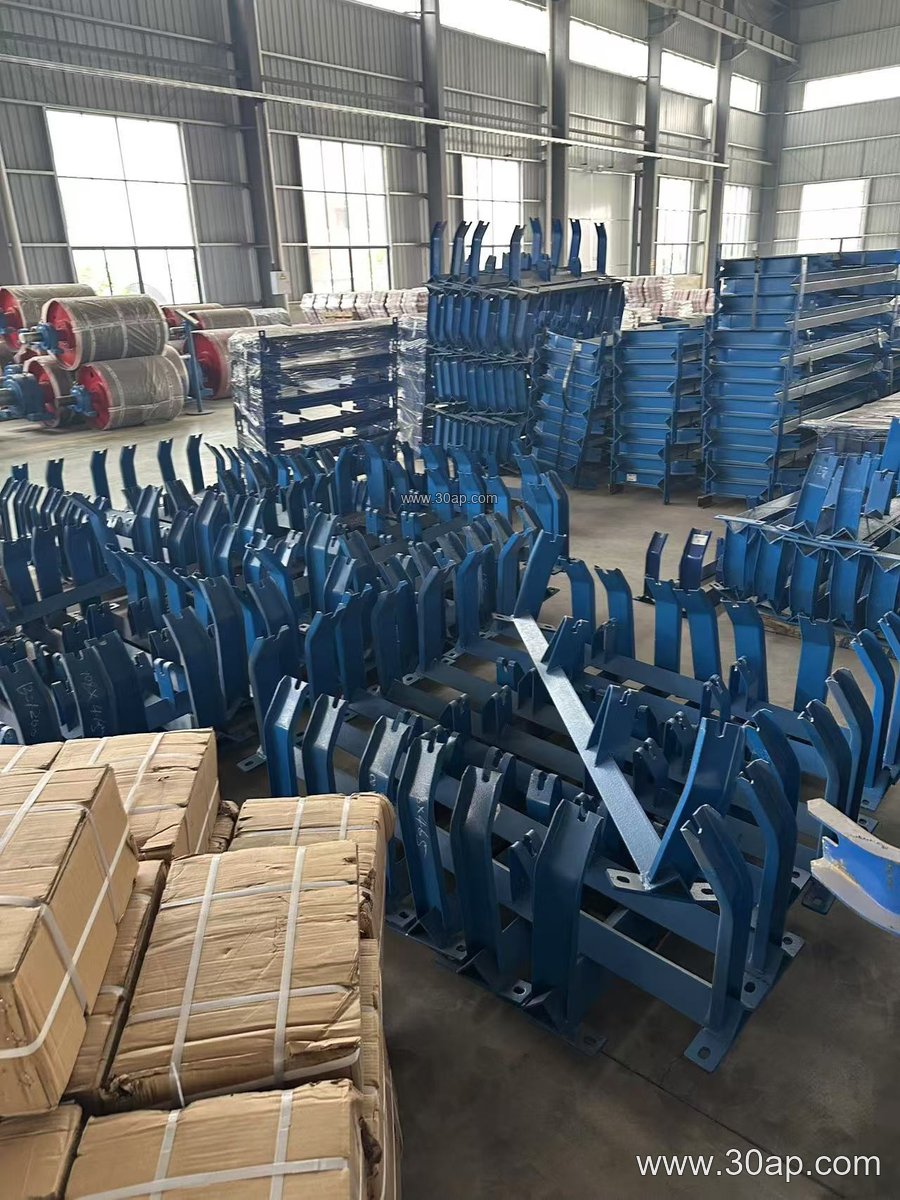
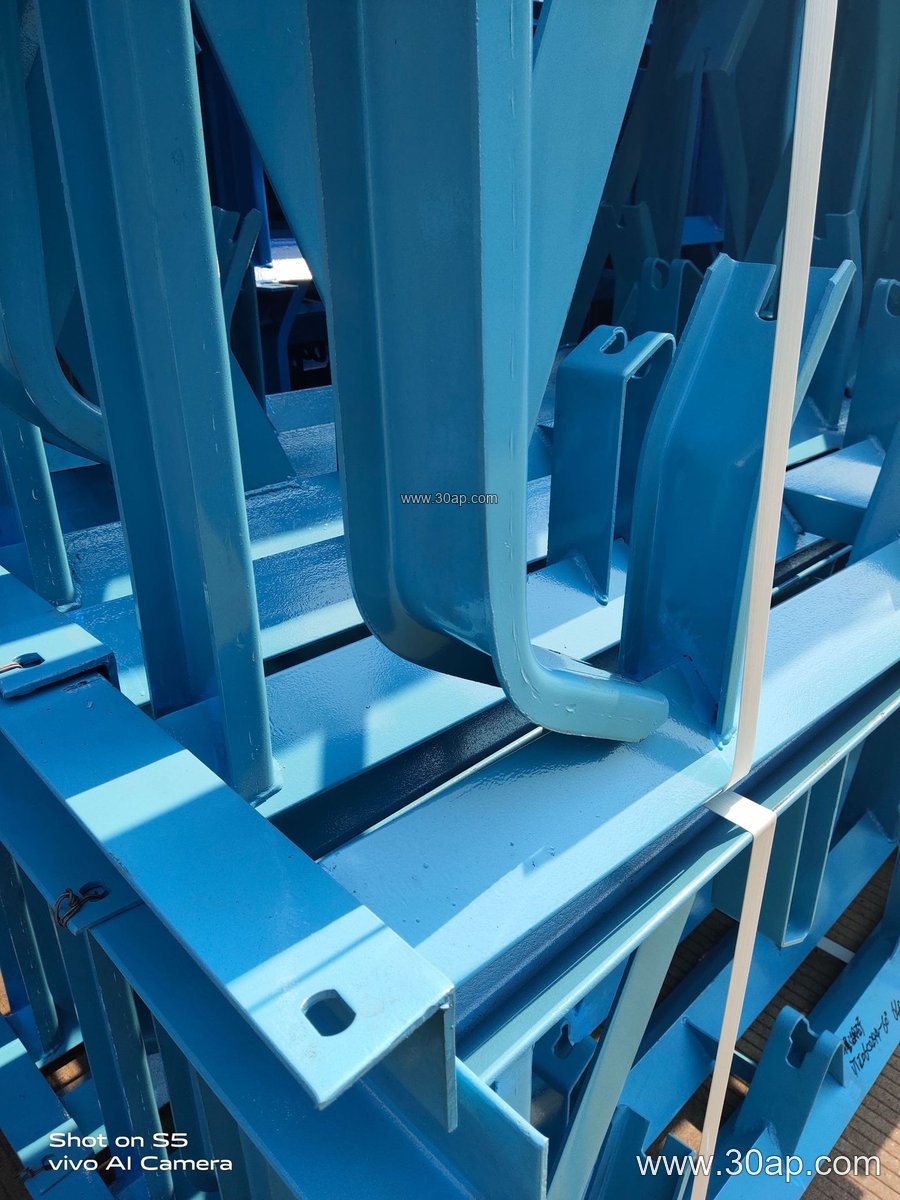
Most impact idler brackets are fabricated from angle steel, channel steel, or folded steel plate. The frame is designed to bolt onto the conveyor stringer or cross beam. The roller mounting slots are positioned to match the chosen trough angle and belt width. Because the bracket sits in the material path, the top edges are usually kept smooth and free of sharp protrusions that could catch the conveyor belt or trap fines. In dusty service such as a limestone mine or a power plant coal yard, the bracket design also matters for cleanout; open profiles shed dust better than closed box sections.
Where It Fits in the Conveyor Structure
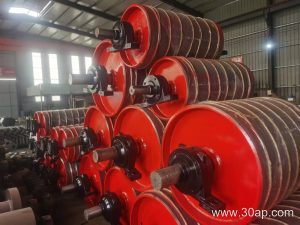
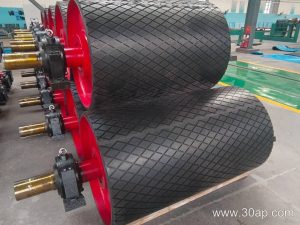
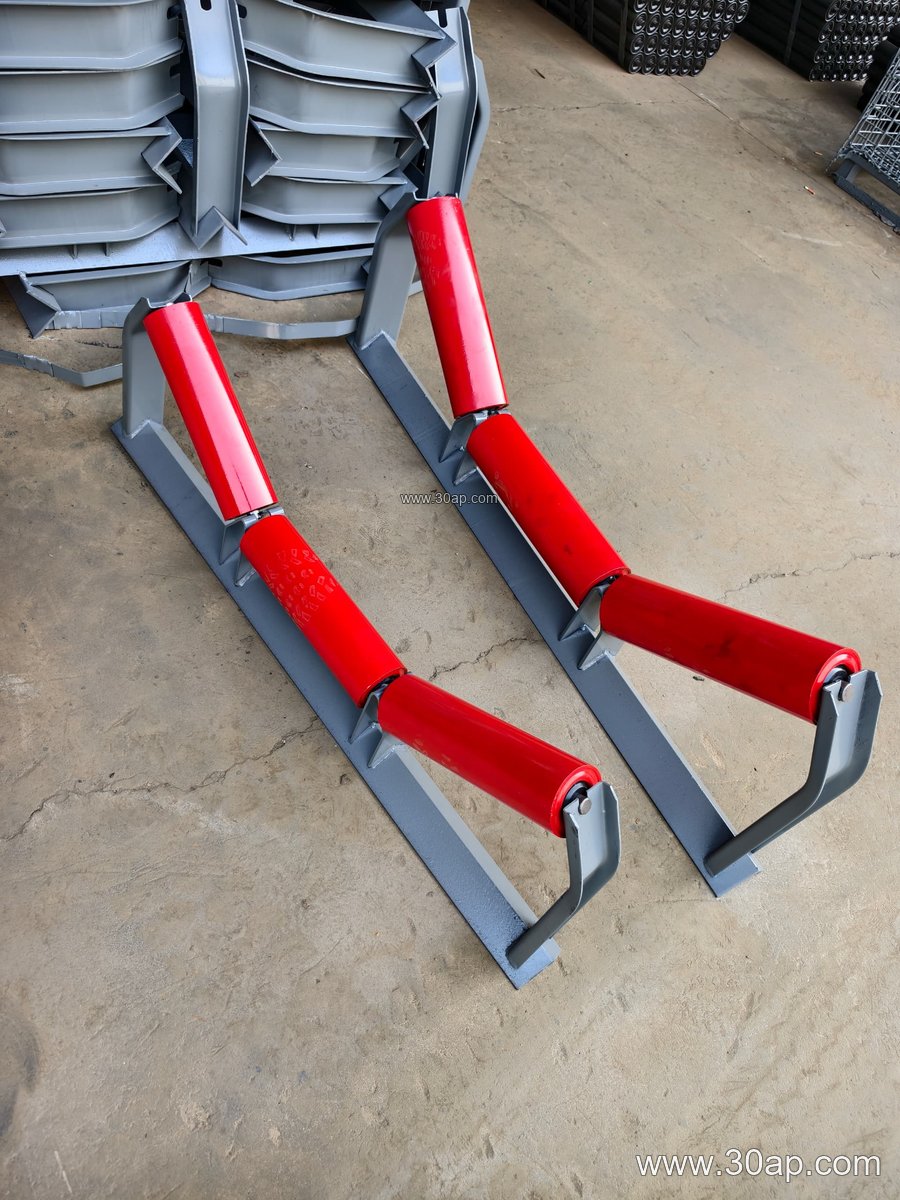
An impact idler bracket is installed at the receiving point, typically under the loading chute or between the skirt boards. It is often used together with a transition bracket or a conventional trough bracket to move the belt from a flat profile into a troughed profile before the first impact roller. Downstream of the loading zone, standard carrying idler brackets and return brackets take over. The impact bracket itself is not a substitute for a bend pulley or a drive pulley; those are separate components that change belt direction or transmit power. The bracket only supports the idler roller.
Common Configurations and Reference Dimensions
Impact brackets are made for the same belt widths as the rest of the conveyor, and the table below shows typical combinations that appear in design documents. These are reference values, not a fixed rule for every conveyor. A B800 belt may use a 30 degree or 35 degree trough angle with a Ø108 or Ø133 roller depending on the load and the transition length.
| Belt Width | Trough Angle | Roller Diameter | Typical Bracket Material |
|---|---|---|---|
| B650 | 30 degree | Ø89 | Angle steel |
| B800 | 35 degree | Ø108 | Channel steel |
| B1000 | 35 degree | Ø133 | Folded plate |
| B1200 | 45 degree | Ø133 | Channel steel |
| B1400 | 45 degree | Ø159 | Folded plate |
| B1600 | 35 degree | Ø159 | Channel steel |
The mounting hole spacing and cross beam length change with belt width and trough angle. A buyer should confirm these dimensions against the conveyor drawing rather than assuming a bracket for a given belt width will fit an existing frame.
Adjustable and Fixed Versions
An adjustable impact idler bracket allows the trough angle to be set between common values such as 20, 30, 35, and 45 degrees. This is useful on a conveyor that handles different materials or where the transition from the loading point needs fine tuning. A fixed bracket is welded or bolted at one angle and is simpler and more rigid. In a sand and gravel line that runs one product, the fixed version may be sufficient. In a fertilizer plant or a grain silo where material characteristics vary, the adjustable type can reduce the need to keep several fixed brackets in stock.
Selection and Maintenance Notes
- Match the bracket to the idler roller diameter and the belt width on the conveyor drawing.
- Check that the bracket height keeps the impact roller slightly above the normal carrying line so the belt does not rub on the frame.
- Use a bracket with mounting slots that align with the existing stringer holes to avoid field drilling.
- Inspect for loose bolts and bent ears after heavy impact events, especially in a crushing or screening circuit.
- Keep the area under the bracket clear so spilled material does not build up against the roller.
A well-chosen impact idler bracket protects the conveyor belt at its most vulnerable point and keeps the idler roller working as intended. Buyers should treat the bracket as part of the loading zone assembly, not as a standalone item, and confirm dimensions against the actual conveyor structure.