What the EP630 Conveyor Belt Is
The EP630 conveyor belt is a fabric-reinforced rubber belt built around polyester (EP) warp yarns and polyamide weft yarns. The designation places it in the middle-to-upper range of EP belting: a nominal tensile strength of 630 N/mm per ply. In practical terms, it is a workhorse belt for main haulage lines in mining, coal preparation, cement plants, power stations and aggregate yards, where a single flight may carry hundreds of tonnes per hour over considerable distances.
The same product is also described as an EP630 rubber conveyor belt or simply an EP 630 belt. Those are alternative names for one and the same construction, not different belt families.
How the Belt Is Built
An EP630 belt is normally a multi-ply product. The carcass consists of two to six EP fabric plies, bonded with rubber skim between the layers and protected top and bottom by cover rubber. The polyester warp limits stretch under load, while the polyamide weft gives the fabric good resistance to impact and tearing. This balance is why EP belting is often chosen for long, inclined conveyors that must start under load.
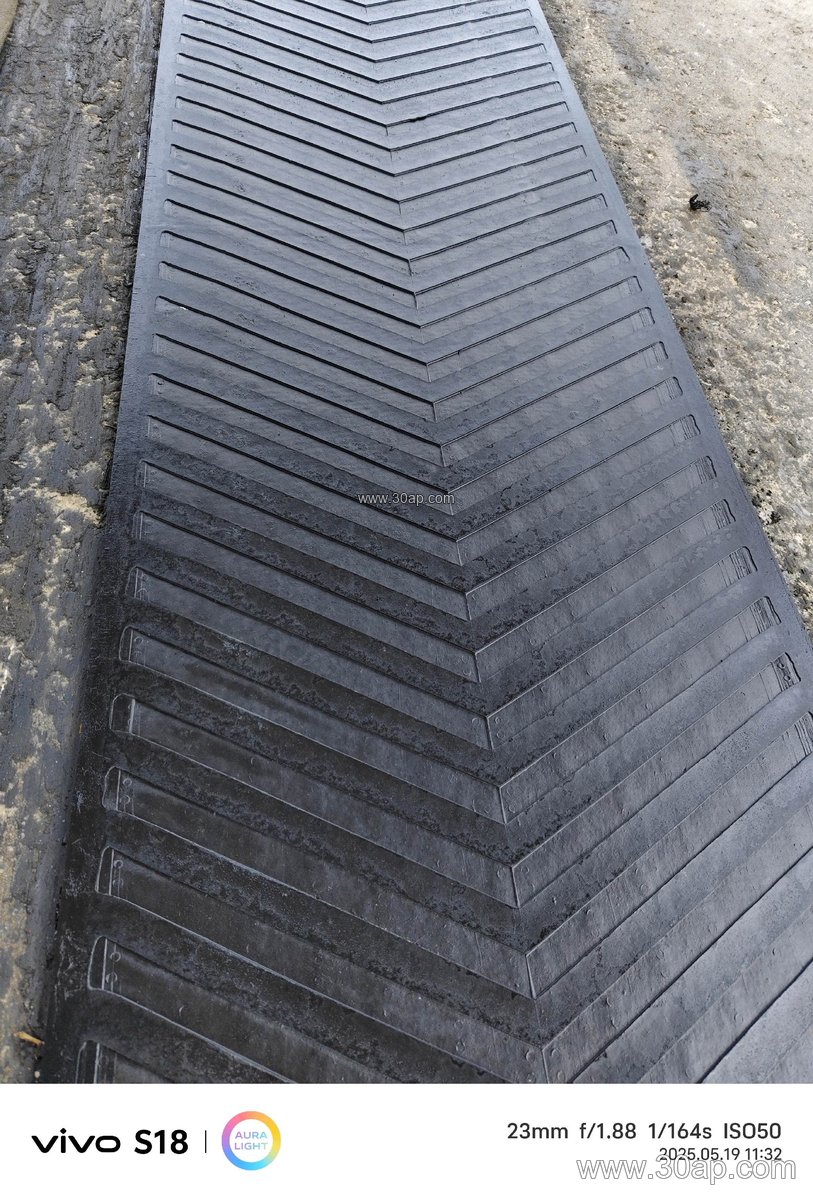
Typical cover gauges include 3+1.5 mm, 4+2 mm, 5+2 mm, 6+2 mm and 8+3 mm. The first figure is the top cover, the second the bottom cover. A thicker top cover is usual where lump size and abrasion are severe, while the bottom cover matters on return runs supported by idler rollers. Cover compounds can be selected for abrasion resistance, heat, oil, flame resistance with antistatic behaviour, cold, or acid and alkali exposure, depending on the duty.
Common Specifications
The table below gathers reference values often quoted for this belt grade. They are indicative only; the final construction is confirmed by the belt designer for each conveyor.
Reference Data
- Belt grade: EP630 (630 N/mm per ply, nominal)
- Carcass: polyester-polyamide fabric, usually 2 to 6 plies
- Cover gauges: 3+1.5, 4+2, 5+2, 6+2, 8+3 mm
- Belt widths: commonly B500, B650, B800, B1000, B1200, B1400, B1600, B1800, B2000
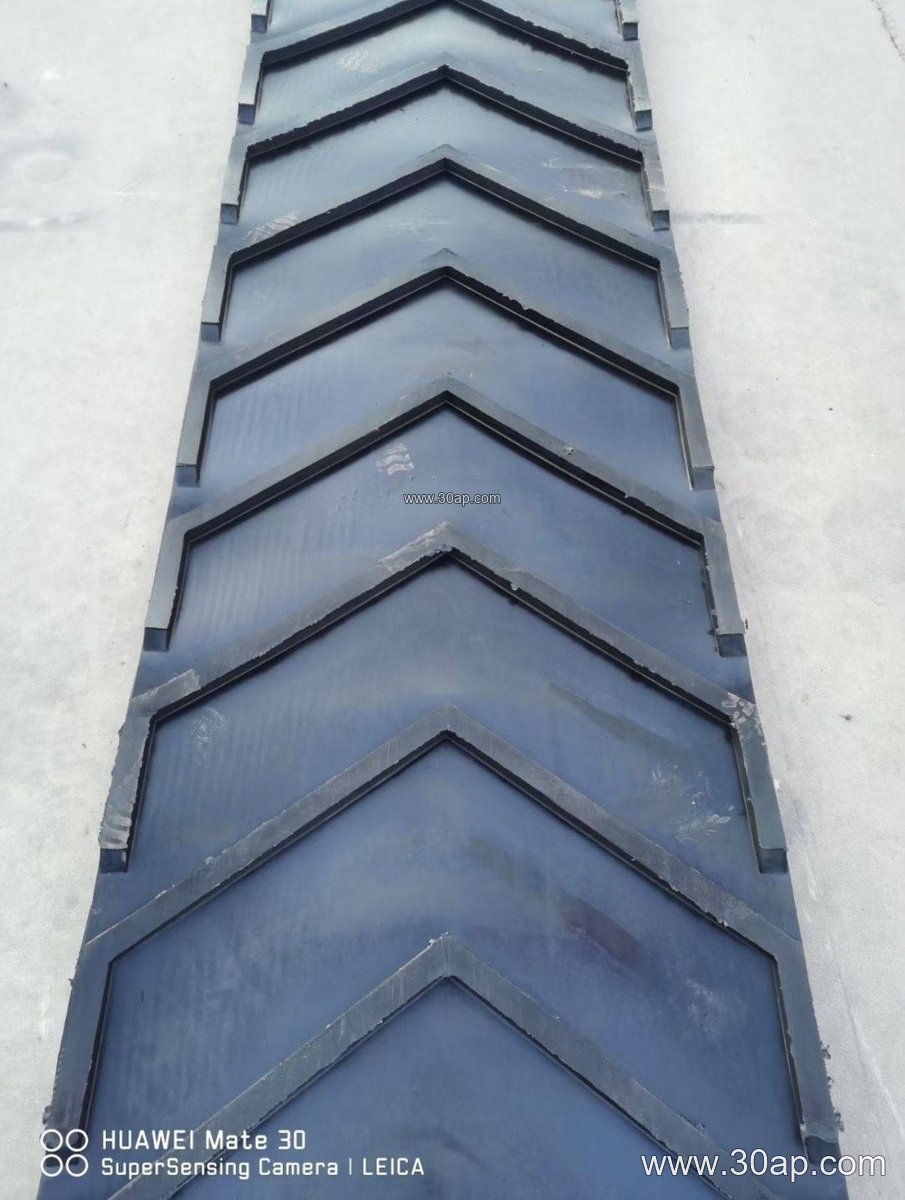
- Surface forms: plain, abrasion-resistant, heat-resistant, oil-resistant, flame-retardant and antistatic, cold-resistant, acid and alkali resistant, patterned or chevron, and corrugated sidewall
Belt Width and Pulley Matching
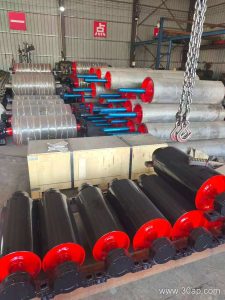
Belt width and pulley diameter are separate design decisions. A B1000 EP630 belt is not tied to one fixed pulley size, and shaft diameter should be calculated from the actual pulley load and torque, not guessed from belt width. Drive pulleys, tail pulleys and bend pulleys have distinct roles on the same conveyor and are not interchangeable; each is sized on its own duty.
Where It Fits in the Plant
In a coal handling system, an EP630 belt may run from the crushing station to the stockpile, passing over conveyor pulleys at the head and tail and returning across idler rollers. In a cement works it often carries clinker or raw meal on inclined sections. Aggregate quarries use it on primary and secondary haulage, and power plants apply it to fuel and ash lines. The belt also appears in port loading arms and bulk terminals.
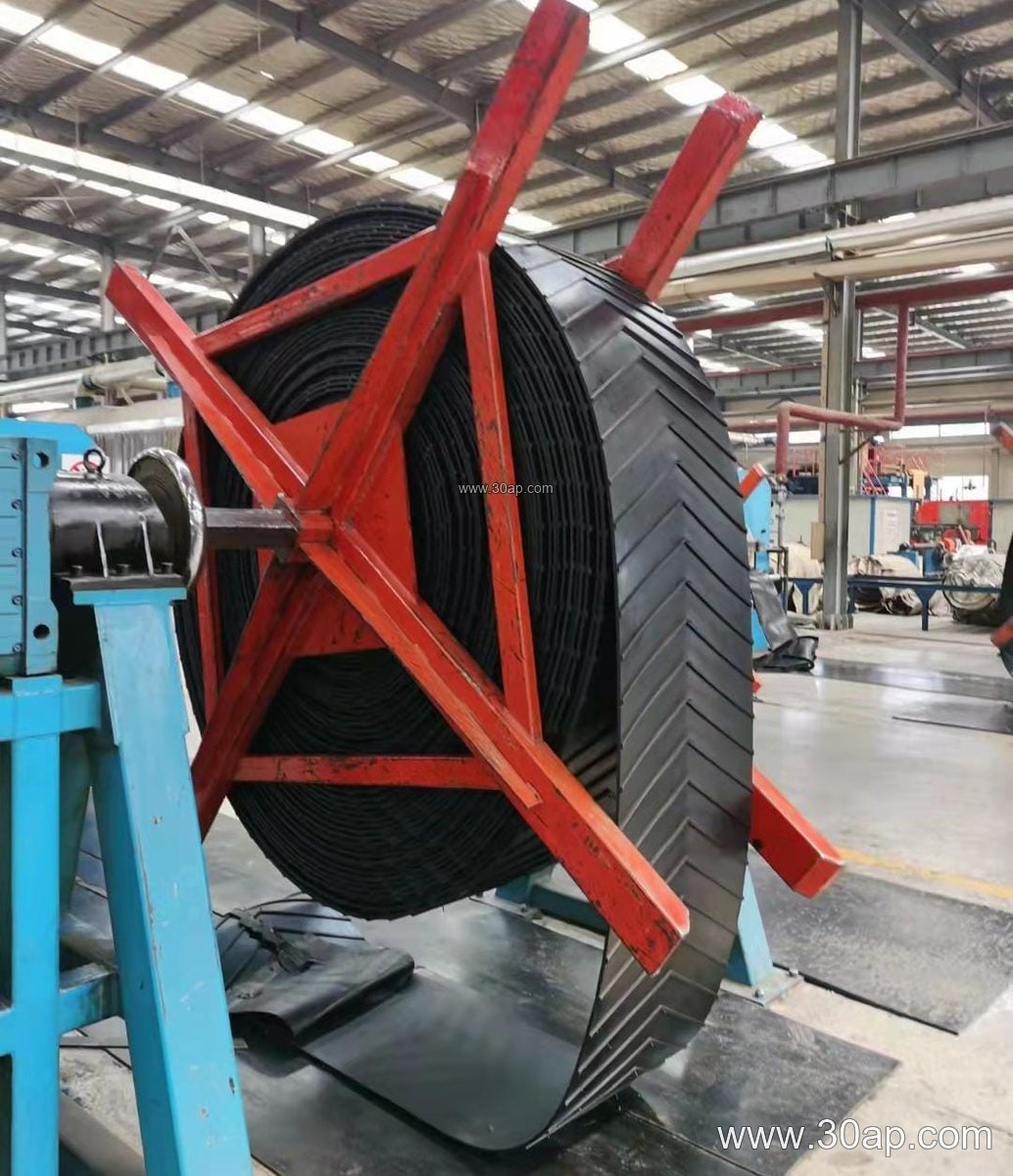
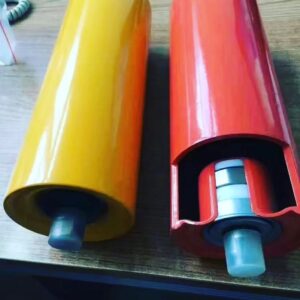
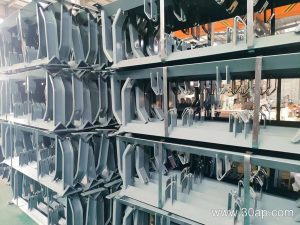
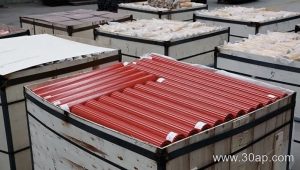
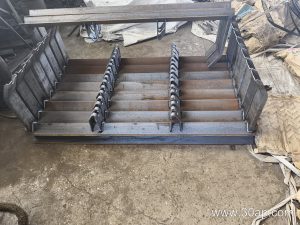
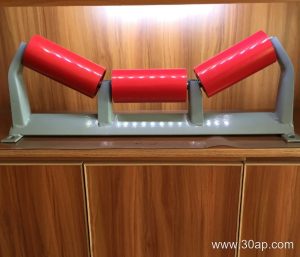
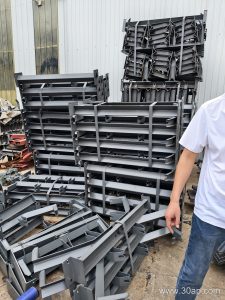
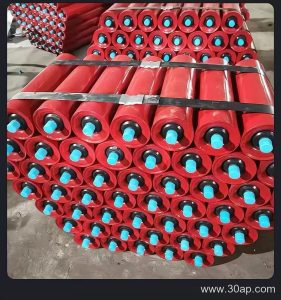
Auxiliary components matter as much as the belt itself. Troughing and return idler rollers control sag and belt tracking, conveyor pulleys transfer the driving force, and conveyor brackets hold the frame and idlers in alignment. Poor alignment at any of these points shortens belt life faster than load does.
Buyer’s Checklist
Before ordering, confirm the peak tension and take-up travel, the material being carried, lump size and temperature, and whether the conveyor is inclined. State the required cover grade and thickness, the number of plies, and whether flame resistance or antistatic properties are needed for the environment, for example an underground coal mine. Ask for the splice method the belt is designed for, since a mechanical or vulcanised joint must match the carcass.
Also check the pulley diameters and the transition distance from the tail pulley to the first troughing idler; these affect edge stress on a stiff multi-ply belt. Spare belt should be stored flat, away from sunlight and ozone sources. When the specification is clear, the EP630 conveyor belt is a dependable choice for medium and heavy duty service across mining, cement, power and aggregate operations.