What a Wear-Resistant Lagged Pulley Does
A wear-resistant lagged pulley is a conveyor pulley whose shell carries a rubber or ceramic lagging layer designed to survive abrasive, wet, or high-traction duty. In a coal preparation plant or a limestone quarry, the pulley often works in dust, fines, and moisture, so the lagging must protect the shell and keep grip between pulley and conveyor belt. The lagging is the sacrificial surface: it takes the wear that would otherwise attack the drum face and the belt cover.
The product is a complete assembly, not just a rubber sleeve. It includes the shell, end discs, shaft, bearing housings, and the lagging system. Buyers should treat the lagging, the pulley body, and the shaft as one matched design, because traction, shell stiffness, and torque capacity depend on each other.
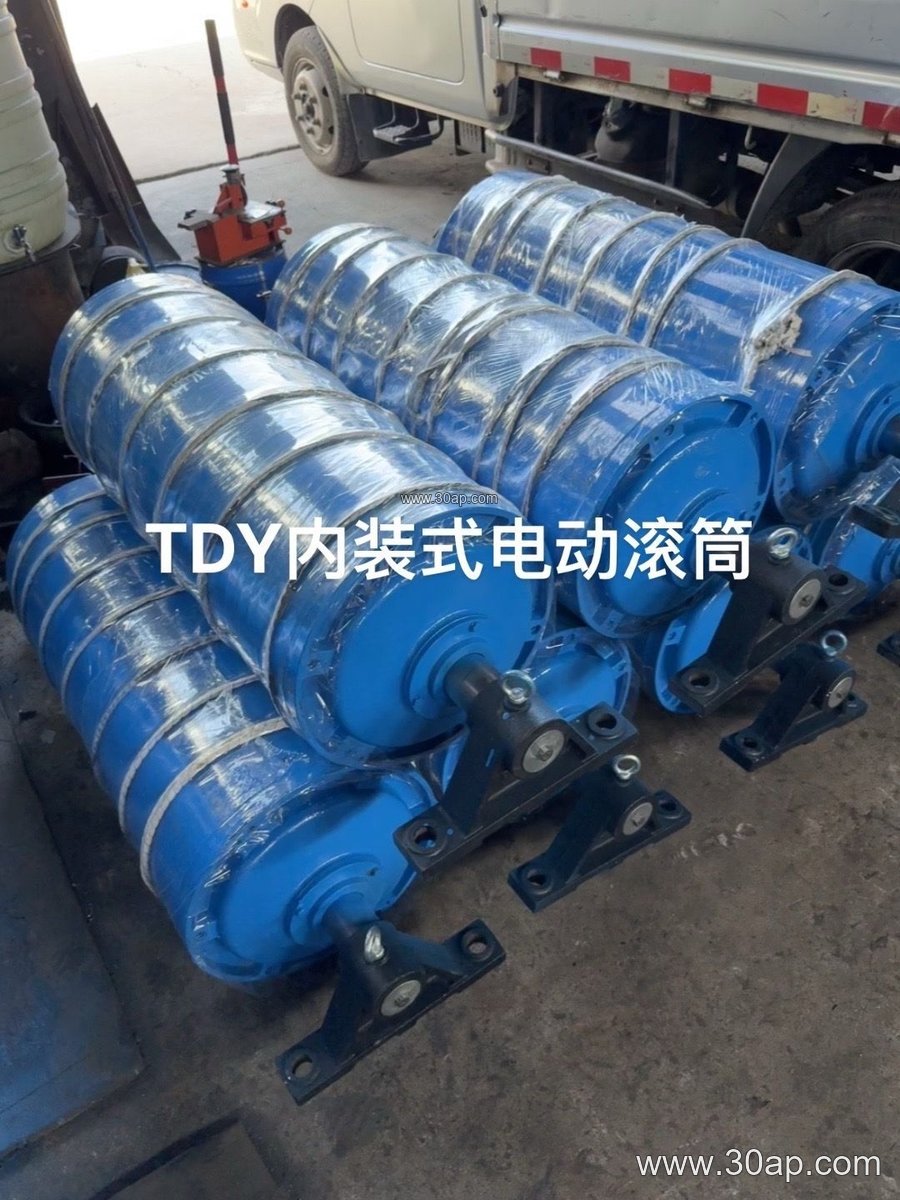
How the Lagging and Body Are Built
Most wear-resistant lagged pulleys use a steel shell with machined end plates and a shaft sized by torque and radial load. The lagging is bonded to the shell in several ways:
- Hot-vulcanized rubber, often chosen for heavy abrasive service and good bond strength
- Cold-bonded rubber, practical for field replacement or shorter lead times
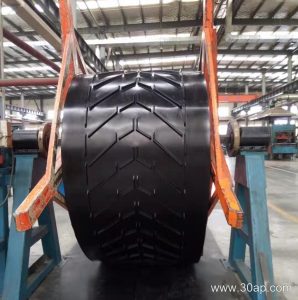
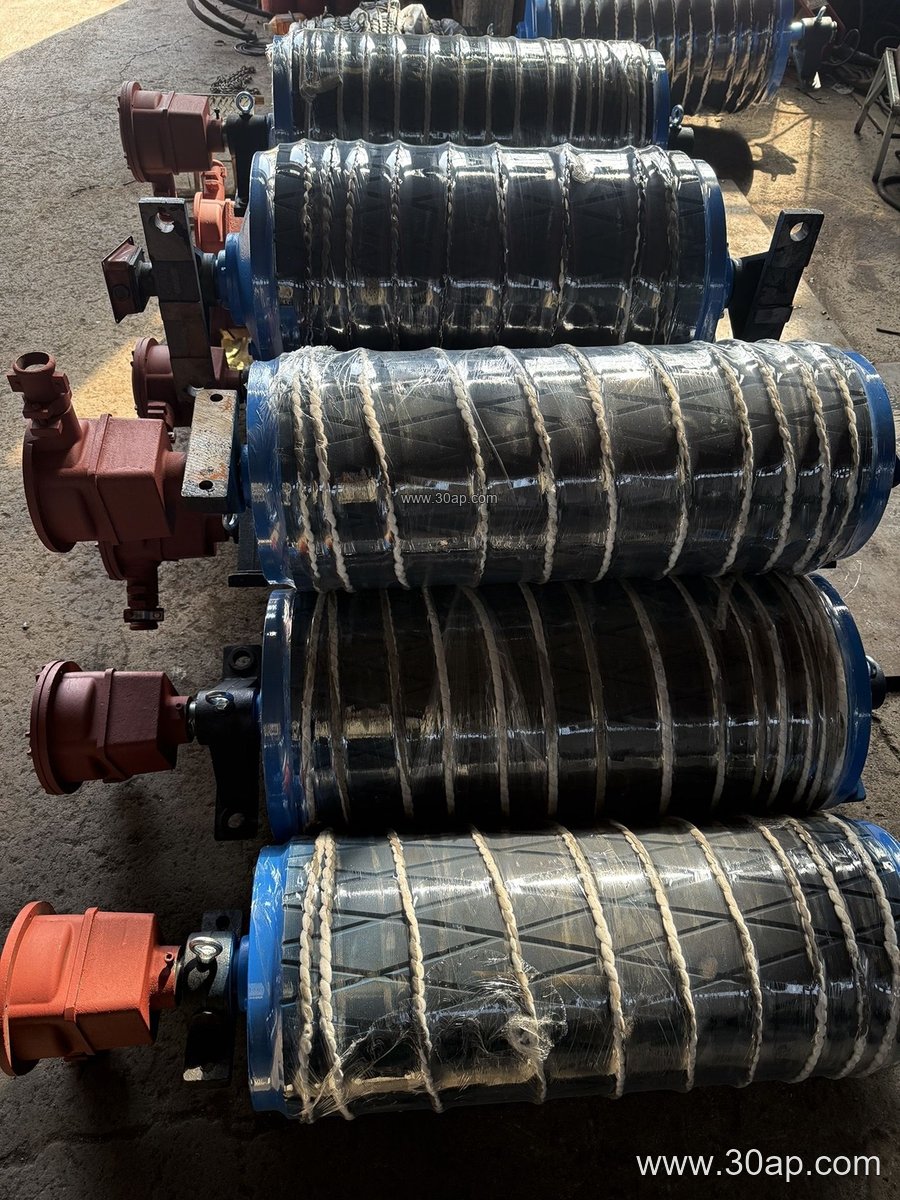
- Diamond or herringbone grooved rubber, used where water and fines reduce friction
- Ceramic lagging, used where slip and abrasive wear are both severe
Common lagging thicknesses are 8, 10, 12, 15, and 20 mm. Thicker lagging gives more wear allowance, but it also changes pulley diameter and belt tension, so the drive and take-up should be checked. Plain, grooved, diamond, and ceramic surfaces each suit different conditions; a ceramic surface is not automatically better for every belt, because it can be harsh on some belt covers.
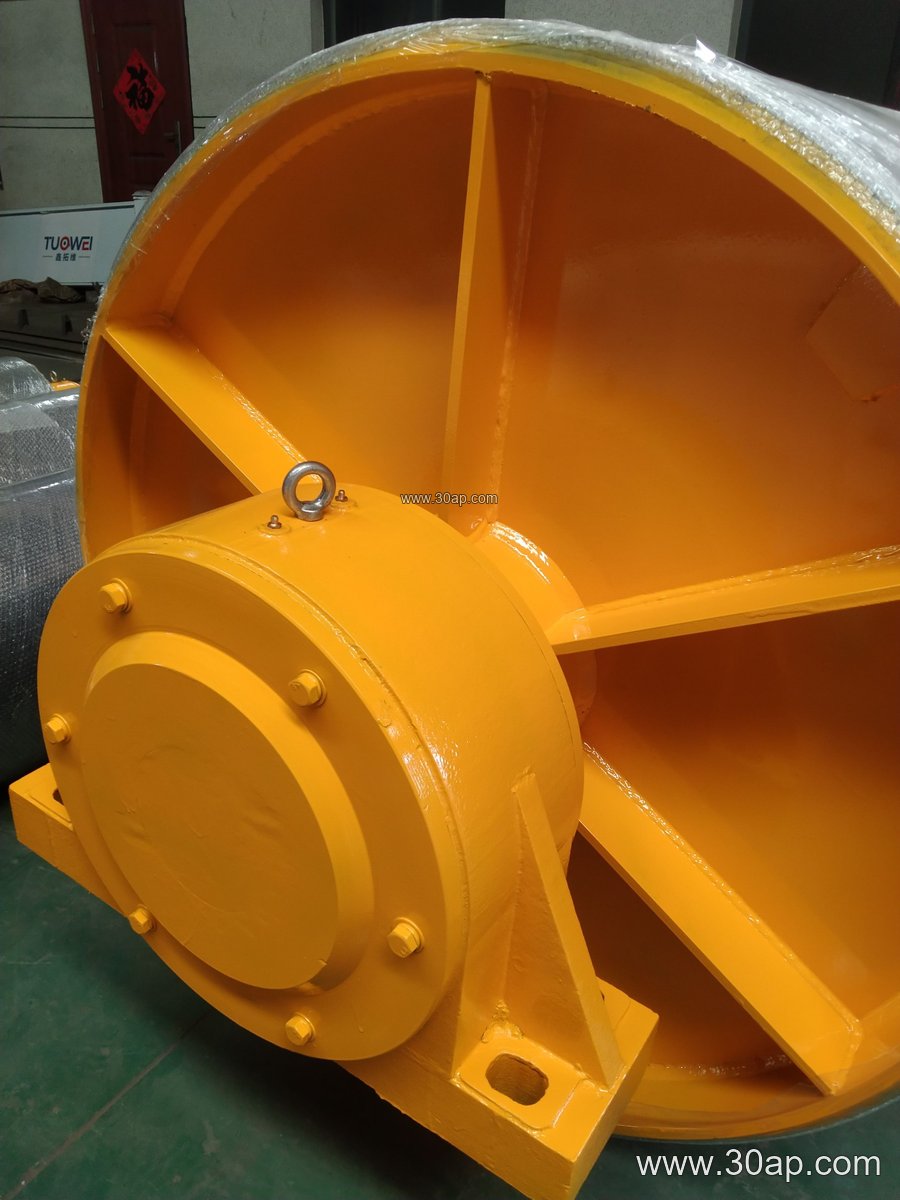
Where It Fits on the Conveyor
The same wear-resistant lagged pulley can serve different positions, and position changes the design emphasis. A drive pulley needs high traction and enough lagging grip to transmit torque without slip. A tail pulley often faces abrasive material at the loading point and benefits from a robust lagging surface. A bend pulley guides the belt and may use a thinner lagging where space is tight. These are separate roles, and a drive pulley, tail pulley, and bend pulley are not interchangeable names for the same item.
Typical industries include coal washing, cement clinker handling, power plant coal conveying, iron and copper mines, sand and gravel plants, and port bulk terminals. In these sites, the pulley works alongside the conveyor belt, conveyor pulley frames, idler roller sets, and conveyor brackets, so alignment and belt tracking matter as much as the lagging itself.
Sizes and Selection Data
Belt width and pulley diameter are related by design, not by a fixed rule. A B800 belt may run on a Ø500 pulley in one conveyor and a larger diameter in another, depending on belt speed, wrap angle, and tension. The table below shows common reference combinations, not universal matches.
| Belt width | Typical pulley face width | Example diameter range |
|---|---|---|
| B500 | about 600 mm | Ø250 to Ø500 |
| B650 | about 750 mm | Ø315 to Ø630 |
| B800 | about 950 mm | Ø400 to Ø800 |
| B1000 | about 1150 mm | Ø500 to Ø1000 |
| B1200 | about 1400 mm | Ø630 to Ø1250 |
| B1400 | about 1600 mm | Ø800 to Ø1400 |
Shaft diameter is determined by torque and load, not by belt width alone. Common shaft sizes include Ø80, Ø100, Ø120, Ø140, Ø160, and Ø180, but the final value should come from the conveyor design. Lagging thickness and surface pattern should be selected with the belt cover, material moisture, and slip risk in mind.
Buyer Checklist
Before ordering, confirm the pulley position, belt width, required face width, shaft size, bearing type, lagging thickness, and surface pattern. Ask how the lagging is bonded and whether it can be replaced in the field. Check that the pulley diameter fits the belt path and that the take-up has enough travel. For abrasive service in a sand and gravel line or a coal plant, a wear-resistant lagged pulley with the right rubber or ceramic surface will last longer and protect the belt, but it still needs correct alignment, tension, and routine inspection.