What a 500mm Conveyor Belt Is
A 500mm conveyor belt is a belt with a nominal width of 500 millimetres, usually written B500 in specification sheets. It is one of the smaller standard widths in bulk handling and is common on short transfer conveyors, narrow feed lines, screening plants and light-to-medium duty systems. The same product also appears in documents as a 500 mm wide conveyor belt or a B500 belt; these are simply different ways of naming one width class, not different products.
Width alone does not define a belt. A 500mm belt is described by its carcass type, tensile strength, cover grade and cover thickness, and those choices decide where it can work. This article looks at how the belt is built, where it fits, and what to check before ordering.
Construction and Common Specifications
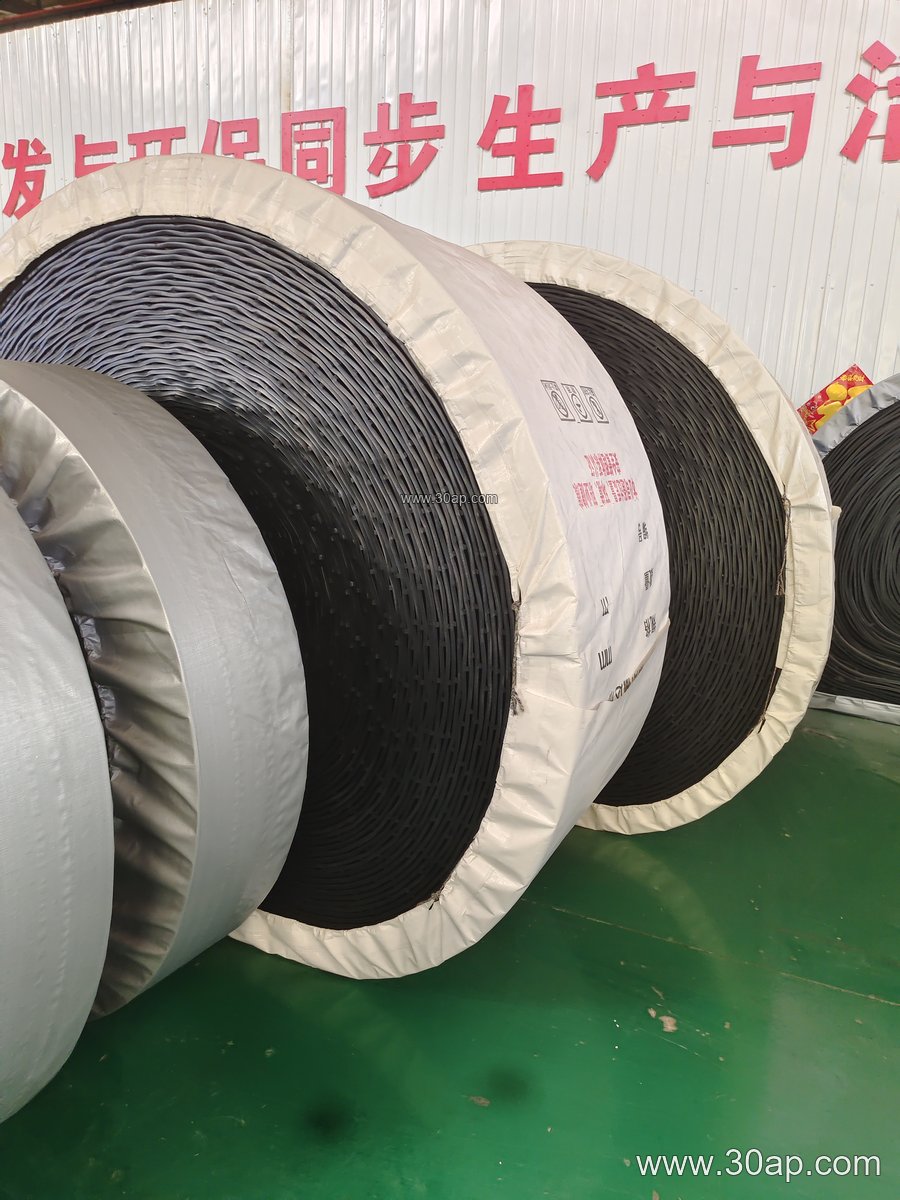
Most belts at this width use a fabric carcass — EP (polyester-cotton) or NN (nylon-nylon) — with rubber covers on both faces. Heavier duties may call for a steel cord carcass, though that is less typical at 500mm. Cover compounds are selected for the material being carried: standard wear-resistant rubber for sand and gravel, heat-resistant grades near clinker or sinter, oil-resistant grades for recycled material, and flame-retardant or anti-static grades in coal and other underground work.
The table below shows reference values that appear in supplier catalogues. Treat them as a starting point for discussion, not as fixed combinations.
| Parameter | Typical reference values |
|---|---|
| Belt width | B500 (500 mm) |
| Carcass type | EP, NN, steel cord, PVC/PVG solid woven |
| Strength grade (EP) | EP200, EP315, EP400, EP500, EP630 |
| Number of plies | Usually 2 to 6, depending on grade |
| Cover thickness | 3+1.5, 4+2, 5+2, 6+2 mm |
| Surface form | Smooth, patterned, chevron, cleated with sidewalls |
The cover thickness notation gives top and bottom cover in millimetres. A 4+2 belt, for example, has a 4 mm carrying cover and a 2 mm pulley cover. Thicker covers last longer under abrasive loads but add weight and stiffness.
Where the Width Fits
At 500mm, the belt suits conveying lines where tonnage is moderate and space is tight. Typical settings include:
- Sand and gravel plants, on short conveyors between screens and stockpiles.
- Concrete batching and cement plants, feeding additives and small aggregate fractions.
- Power plants, handling coal or ash on auxiliary lines.
- Mining and coal preparation, on secondary or sampling conveyors.
- Recycling and general workshop transfer duties.
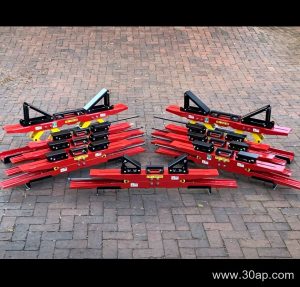
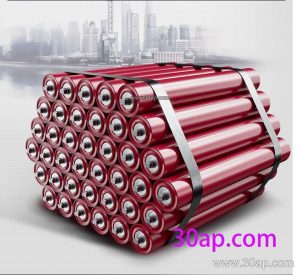
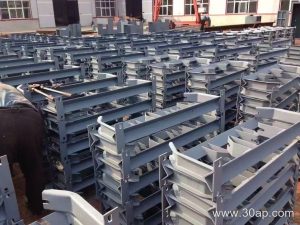
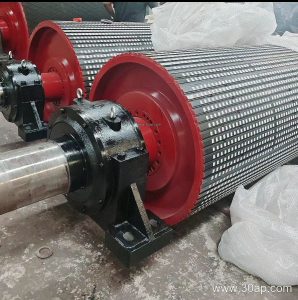
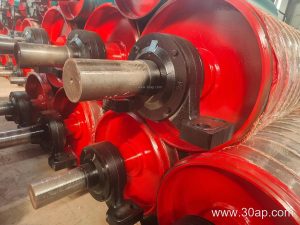
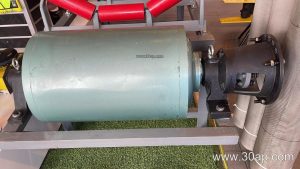
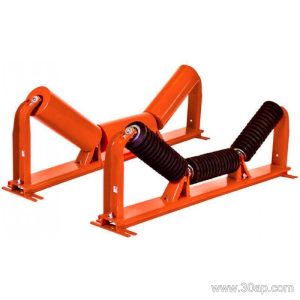
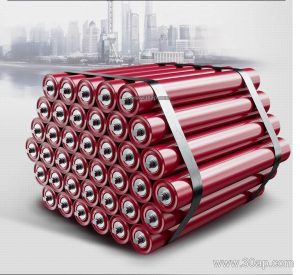
Because the belt is narrow, it pairs with compact conveyor pulleys, small-diameter idler rollers and lightweight conveyor brackets. These components are chosen from the actual load and belt tension, not from the belt width alone; a 500mm belt can run on more than one pulley diameter depending on the duty.
Selection Points for Buyers
Match the belt to the load
Estimate the material, lump size and required capacity first. Large lumps on a narrow belt can cause edge damage and mistracking, so check that the 500mm width is adequate for the feed size. Then choose the strength grade and ply count for the calculated tension.
Choose the cover for the environment
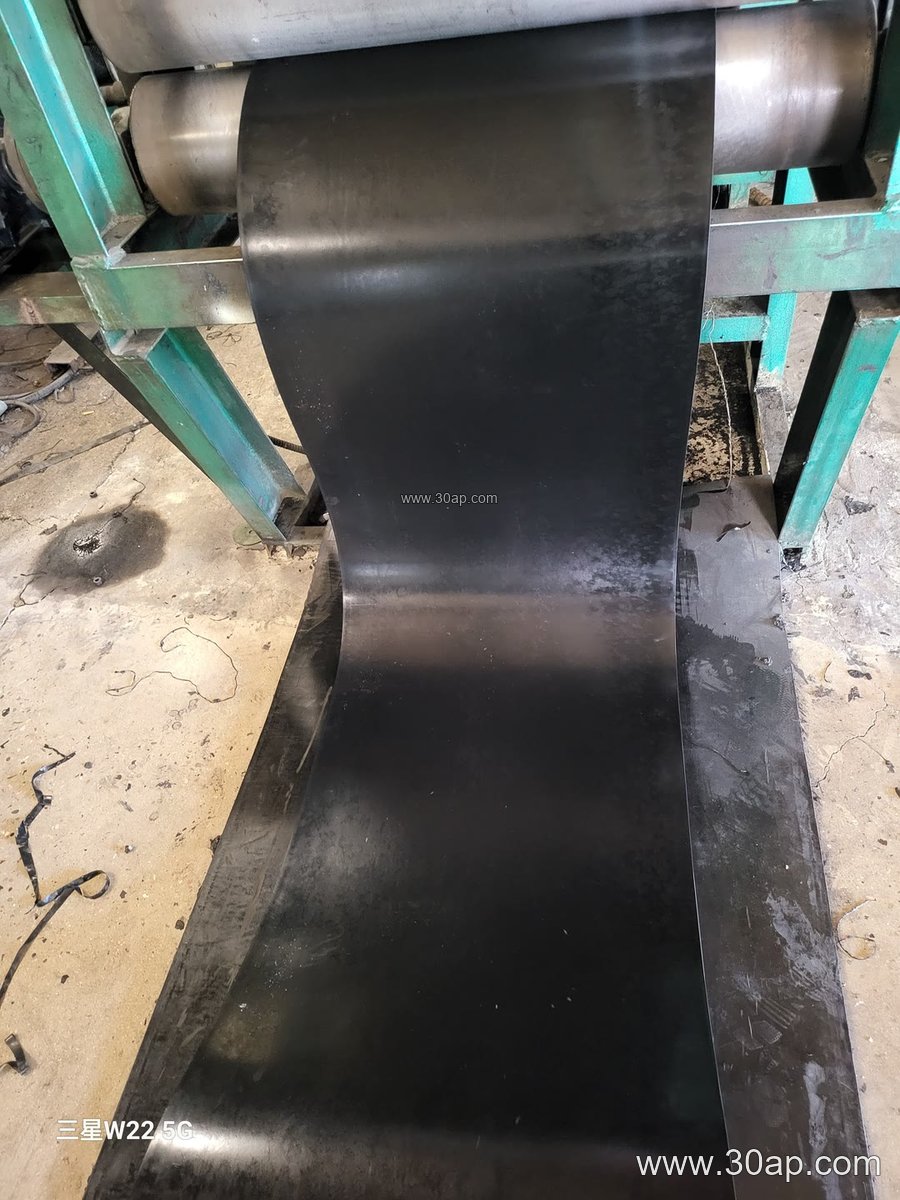
Abrasive stone calls for a wear-resistant cover; hot material needs a heat grade; oily scrap needs oil resistance. In coal or dusty explosive atmospheres, flame-retardant and anti-static properties are usually specified.
Consider the surface form
On inclines, a patterned or chevron surface, or a belt with cleats and sidewalls, can prevent material rollback. On flat runs, a smooth cover is easier to clean and splice.
Check the whole conveyor
Belt life depends on alignment. Confirm that the tail pulley, drive pulley and bend pulleys are sized for the belt and that idler rollers are spaced to support it. Properly adjusted conveyor brackets and a well-aligned frame reduce edge wear and tracking problems.
Installation and Maintenance Notes
Store belts away from sunlight and ozone, and handle rolls without dragging the edges. When splicing, follow the belt maker’s step length and cure schedule; a poor splice is a common cause of early failure. During operation, watch for mistracking, edge fraying and cover wear, and check that idler rollers turn freely. Re-tension or adjust the take-up before small faults grow into belt replacement.
For a 500mm conveyor belt, the practical rule is simple: buy the width you need, but specify the carcass, grade and cover for the job. That combination, supported by correctly sized pulleys, rollers and brackets, is what keeps a narrow conveyor running reliably in a quarry, cement works, power station or coal plant.