What a Non-Standard Conveyor Bracket Actually Is
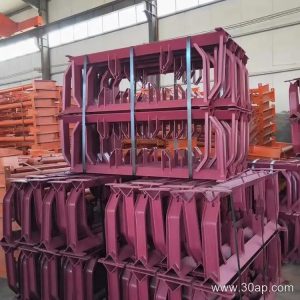
A non-standard conveyor bracket is a support component made to fit a conveyor structure that does not follow a catalog standard. Instead of forcing a stock bracket onto a frame, the bracket is built around the actual belt width, idler roller diameter, trough angle and mounting hole pattern of the line. In a limestone quarry or a coal preparation plant, this often means the bracket must match an existing beam, a specific transition zone or a non-typical pulley position.
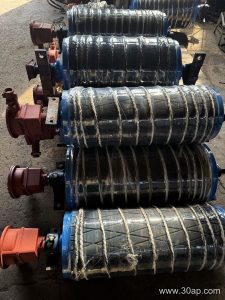
The same item is also called a custom conveyor support bracket or a made-to-order bracket. It is not a drive pulley, a tail pulley or a bend pulley. Those are separate functional parts. A non-standard bracket is the structural interface between the conveyor frame and the rotating components such as idlers or a conveyor pulley.
How It Is Built
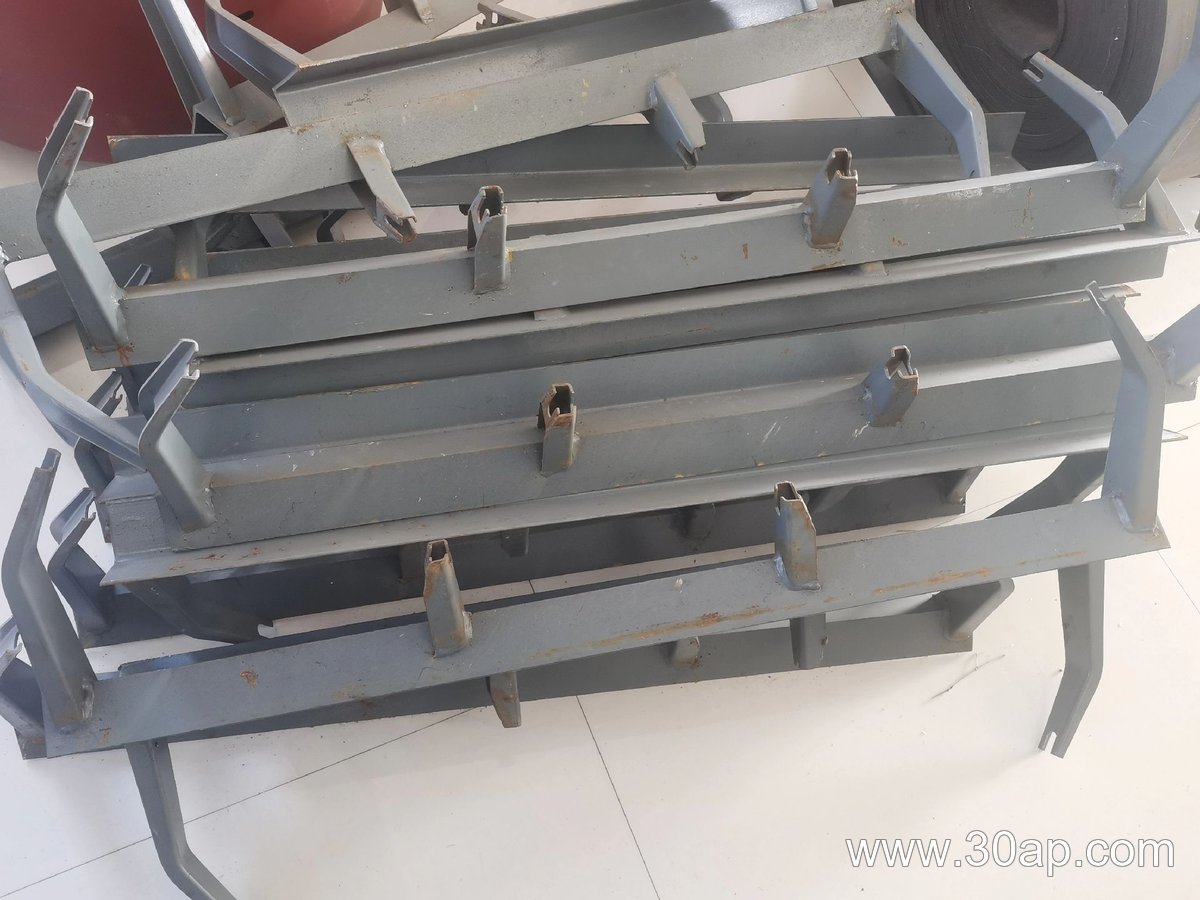
Fabrication usually starts from angle steel, channel steel or folded steel plate. The choice depends on load, span and the number of idlers to be carried. A typical custom bracket may include a base plate, two side wings, a cross beam and drilled or slotted mounting holes. Welding and hole position determine whether the roller sits at the correct height and angle.
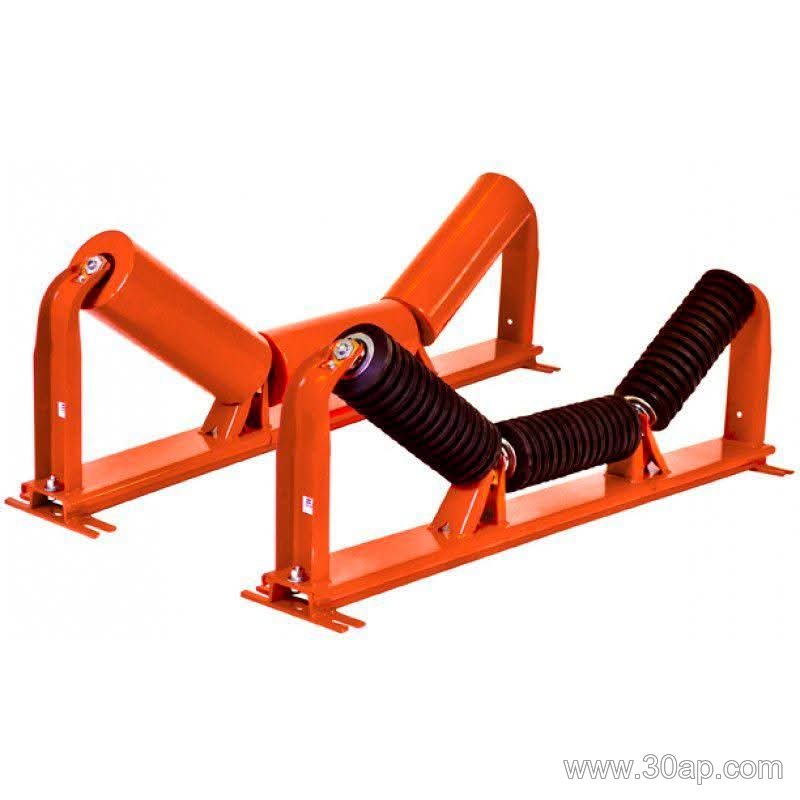
Because the bracket is non-standard, the hole spacing and beam length are set by the design. They are not fixed numbers. Common belt widths such as B650, B800, B1200 and B1600 may appear in the drawing, but the bracket geometry still changes with trough angle, roller diameter and frame style.
Where It Fits in a Conveyor Line
These brackets are used in mining, cement plants, power station coal handling, sand and gravel yards, crushing and screening circuits, and fertilizer or grain silo systems. They can support carrying idlers on the upper run, return rollers underneath, or a transition bracket near a conveyor pulley.
For example, a B1000 belt running at a 35 degree trough angle with Ø108 idlers may need a custom bracket when the original frame holes no longer match a replacement roller. In another case, a B1400 line with a 45 degree trough and Ø133 rollers could require a reinforced non-standard bracket to handle higher material load.
Common Types and Adjustability
A non-standard bracket can be based on several standard families but modified for fit. These include trough bracket, upper trough bracket, transition bracket, return bracket, flat return bracket, V-return bracket, impact bracket, self-aligning bracket, forward-tilt bracket, spiral bracket, suspended bracket and adjustable bracket. Each keeps its own function. A V-return bracket is not a trough bracket, and an impact bracket is not a self-aligning bracket.
| Type | Typical Role | Common Belt Width Reference |
|---|---|---|
| Trough bracket | Supports three idlers on the carrying side | B500 to B2200 |
| Transition bracket | Guides belt from flat to trough near a pulley | B650, B800, B1000, B1200 |
| Return bracket | Holds return idlers under the belt | B500 to B1800 |
| V-return bracket | Centers the belt on the return run | B800, B1200, B1400 |
| Impact bracket | Absorbs loading impact at the feed point | B800 to B1600 |
| Adjustable bracket | Allows trough angle changes, often 20 to 45 degrees | B650 to B2000 |
Adjustable versions can move between 20, 30, 35 and 45 degree trough angles. Forward-tilt designs are usually set around 1.5 to 2 degrees. These values are references, not universal rules for every conveyor.
What a Buyer Should Check
- Belt width, such as B800, B1200 or B1600, and the actual frame beam dimensions.
- Idler roller diameter, for example Ø89, Ø108, Ø133, Ø159 or Ø194.
- Trough angle and whether the bracket must be fixed or adjustable.
- Mounting hole spacing, cross beam length and hole diameter.
- Material thickness and whether angle, channel or folded plate is preferred.
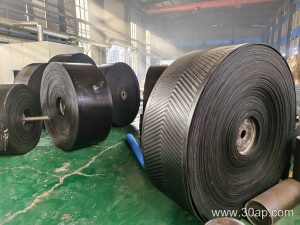
- Whether the bracket works with a conveyor belt, idler roller or conveyor pulley nearby.
A non-standard conveyor bracket is not a simple copy of a catalog part. It is a fit-for-purpose support that keeps the belt, rollers and frame working together. When the drawing matches the real conveyor, the bracket becomes a reliable, low-maintenance part of the material handling system.